SAEDNEWS:Bad nail odor can have several causes, from anaerobic bacteria and fungal infections to poor hygiene. Learn about the main causes and how to prevent unpleasant nail odors.
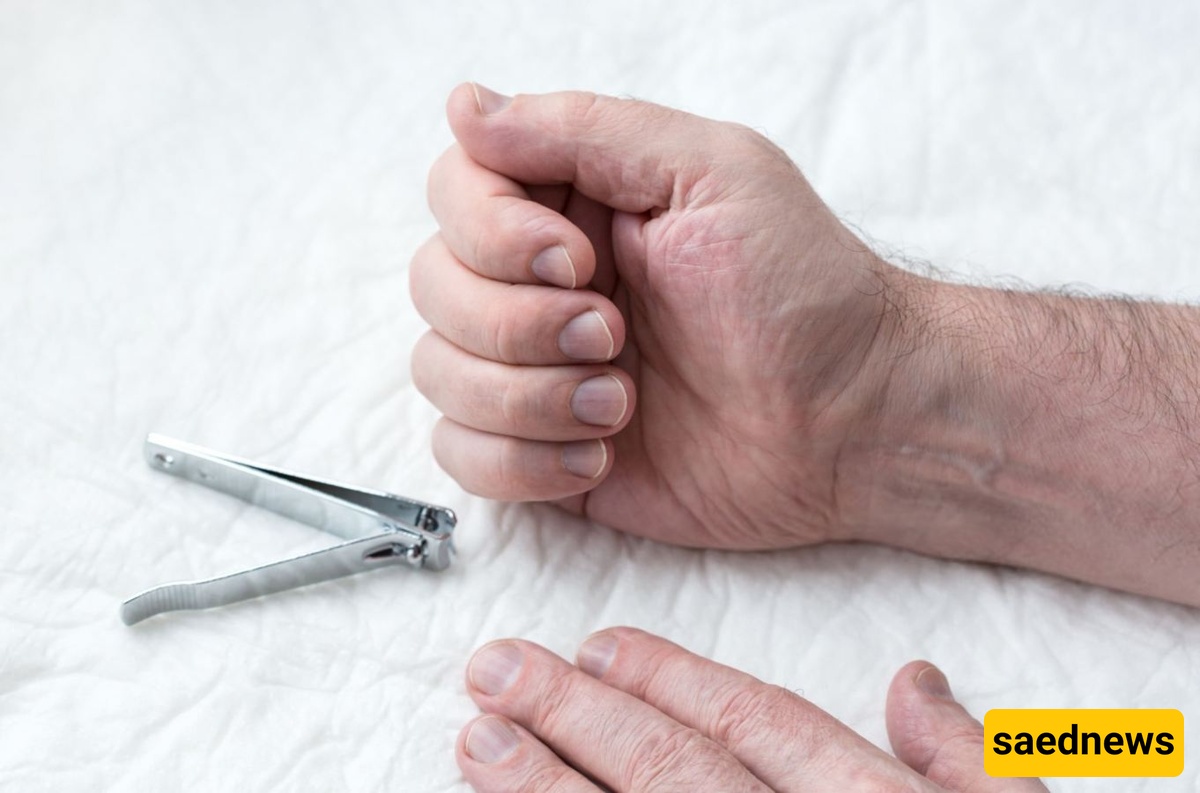
According to Saednews, An unpleasant smell coming from the nails or surrounding skin is unusual and often indicates a buildup of microorganisms, such as fungi and bacteria, under or around the nail bed.
Bacteria that thrive without oxygen can live under the nails, especially in warm, humid environments. These bacteria feed on dead skin cells and oils, producing volatile sulfur compounds, such as hydrogen sulfide, that can smell like rotten eggs or sewage.
This is particularly common with toenails. Excessive sweating and wearing unsuitable shoes or socks made from materials such as plastic or nylon can trap moisture. These conditions encourage bacterial and fungal growth.
Fungi break down keratin in the nails, causing discoloration (yellow or brown), thickening, and crumbling. The resulting odor may smell musty or rotten and usually does not disappear with ordinary washing.
If a nail turns green and develops a sweet, foul smell, a bacterial infection caused by Pseudomonas may be responsible. This infection is more common among people whose hands are frequently exposed to water or who wear artificial nails.
Dirt, debris, and dead skin cells can accumulate under the nails, especially when the area is not cleaned with a nail brush. This buildup can create an environment where unpleasant odors develop.

In people with diabetes or poor blood circulation, infections may progress more quickly. A foul nail odor can sometimes indicate a more serious infection that requires medical attention.
Consuming large amounts of garlic, onions, and spicy seasonings may introduce sulfur compounds into sweat, potentially intensifying nail odor. Some medications and supplements may have similar effects.
Wash under the nails with soap and a soft brush.
Dry your nails thoroughly after washing.
Use an alcohol-based disinfectant when appropriate for the skin.
If the odor is accompanied by discoloration or pain, consult a healthcare professional.
Keep your hands and feet dry: Fungi thrive in moist environments. After bathing or washing, thoroughly dry between your toes and around and under your nails.
Remove artificial nails or nail polish if discoloration appears: Never cover green or yellow discoloration with nail polish, as this may conceal an underlying infection.
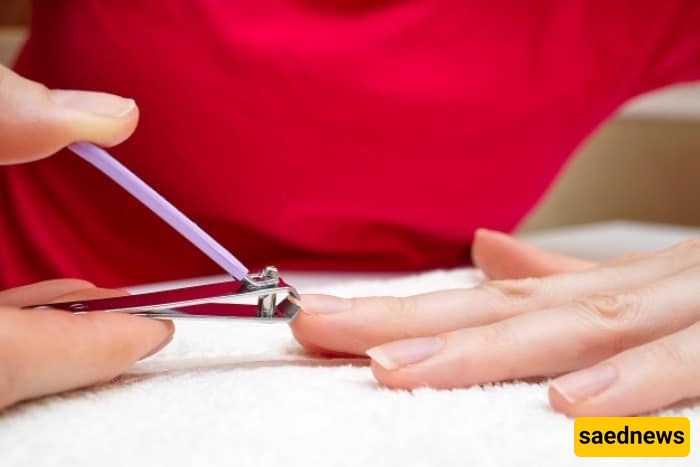
Disinfect manicure and pedicure tools: Clean nail clippers and scissors with an appropriate disinfectant before and after use.
Try a warm soak for mild cases: Soaking your hands or feet in a solution of lukewarm water and white apple cider vinegar in a 1:1 ratio for 15 minutes daily is sometimes suggested as a home remedy. However, evidence that this treats nail infections is limited, and vinegar may irritate the skin. Do not use it on broken skin.
Wear breathable socks and shoes: Choose cotton or moisture-wicking socks and well-ventilated footwear. Avoid wearing non-breathable shoes for extended periods.
Important: Persistent odor, green discoloration, swelling, redness, pain, or discharge may indicate an infection. Seek medical advice rather than relying solely on home remedies. If you have diabetes or poor circulation, get medical advice promptly.