SAEDNEWS: Frying Oil or Regular Cooking Oil? What’s the Difference?
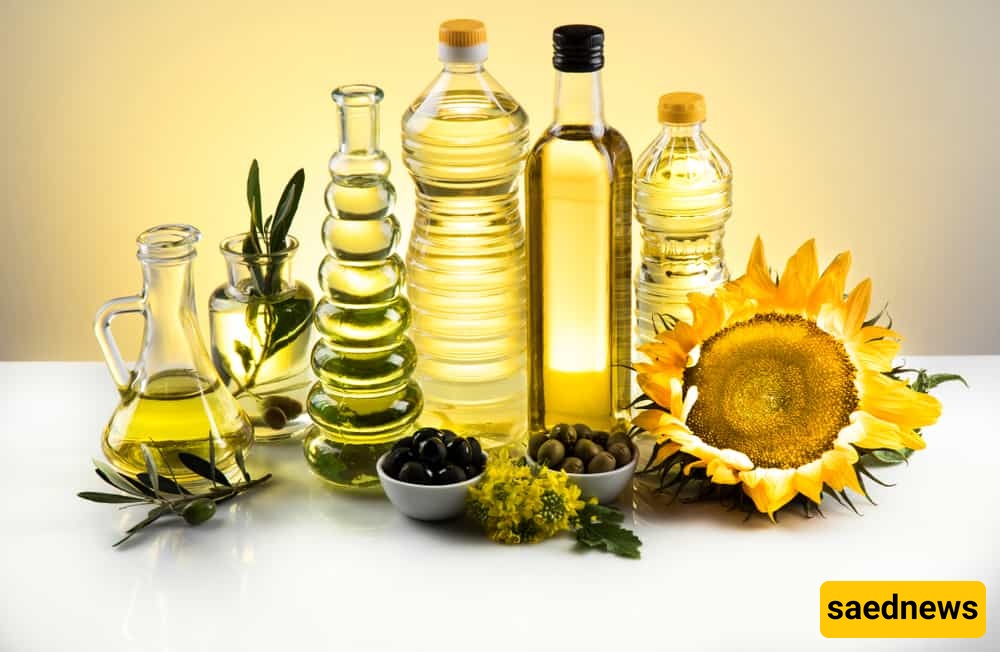
According to Saednews, Frying oil and regular cooking oil differ in two important ways: their smoke point and their stability at high temperatures. Their compositions can also vary, which means each type is better suited to particular cooking methods. Here is a complete guide to understanding the differences between frying oil and regular cooking oil.
The smoke point is the temperature at which oil begins to break down and produce smoke. At this stage, unwanted and potentially harmful compounds can form. Frying oils and regular cooking oils do not necessarily have the same smoke point.
Frying oil: Designed to remain relatively stable at high temperatures, with a smoke point commonly reported in the range of approximately 170–190°C.
Regular cooking oil: Depending on the type and whether it is refined, it may have a lower smoke point and can begin to burn sooner.
Because some regular cooking oils have relatively low smoke points, they may not be suitable for high-temperature frying. Excessive heating can cause the oil to degrade more quickly and may also negatively affect the flavor of the food.
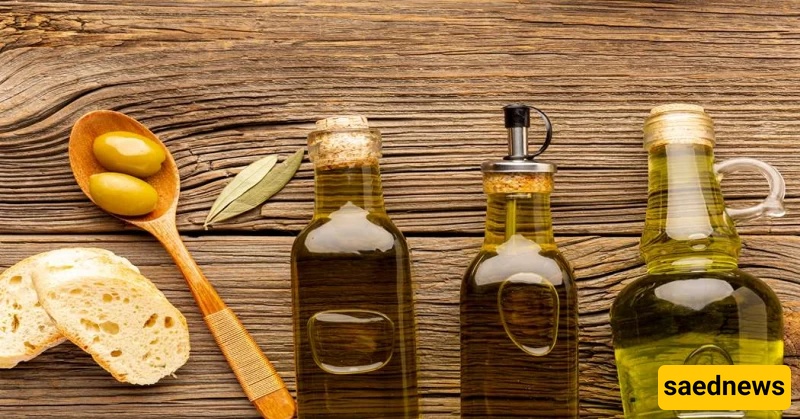
Frying oils are generally formulated to be more resistant to oxidation and degradation during high-temperature cooking. Although repeatedly reusing any cooking oil is generally discouraged, frying oils can be more resistant to the stresses associated with frying than some less heat-stable oils.
Regular cooking oils vary considerably in their heat stability. When an oil is exposed to excessive heat, it can break down and form undesirable compounds. The appropriate cooking temperature therefore depends on the specific type of oil.
Frying oils are often made using blends of different oils. One purpose of blending can be to create a product with properties that are better suited to high-temperature cooking.
Oils commonly used in frying-oil blends include:
Sunflower oil
Canola oil
Soybean oil
Corn oil
Refining is also important in the production of many frying oils. Refining removes impurities and can improve the oil's stability and suitability for cooking at higher temperatures.
Regular cooking oils may be made from a single oil or a combination of different oils. Depending on the type, they can be suitable for gentle cooking, sautéing, salad dressings, and other lower-temperature applications.
Common examples include:
Olive oil
Sesame oil
Sunflower oil
Some minimally refined or unrefined oils have a stronger aroma and flavor and may be less suitable for high-temperature cooking.

One of the noticeable differences between many regular cooking oils and frying oils is their taste and aroma.
Regular oils often have a distinct flavor that can affect the final taste of a dish or salad. For example, olive oil has a characteristic aroma and flavor that can be clearly noticeable.
Frying oils are generally formulated to have a relatively neutral taste and aroma, allowing the flavor of the food to remain more prominent.
Frying oils are primarily intended for frying and high-temperature sautéing. Regular cooking oils have a wider range of uses depending on their individual characteristics.
Regular cooking oils may be used for:
General cooking
Gentle sautéing
Salad dressings
Low-temperature frying
The best choice depends on the oil itself, rather than simply whether it is labeled as "cooking oil" or "frying oil."
Oils commonly used for frying include:
Rice bran oil
Grapeseed oil
Sunflower oil
Peanut oil
Canola oil
Corn oil
Soybean oil
Depending on the cooking temperature and the specific product, commonly used cooking oils include:
Olive oil
Sesame oil
Coconut oil
Avocado oil
The suitability of each oil depends on factors such as its degree of refinement, fatty-acid composition, and intended cooking temperature.

Because frying oils are generally designed to tolerate higher temperatures, they can usually also be used for ordinary cooking. However, the reverse is not necessarily true.
A cooking oil that is not designed for high-temperature use may deteriorate when exposed to the temperatures required for deep or high-heat frying. Excessive heating can cause the oil to oxidize and produce undesirable degradation products.
Frying oils are also generally neutral in flavor. Therefore, if you want a dish to have the distinctive aroma and flavor of an oil such as olive or sesame oil, a neutral frying oil may not be the best choice.
Rather than choosing between "frying oil" and "regular cooking oil" in general, it is more useful to consider the specific oil, its composition, how it is processed, and how it is used.
All oils are calorie-dense, providing approximately 9 kilocalories per gram, so moderation is important.
Cooking methods such as steaming, baking, and boiling can also reduce the amount of added oil used in food preparation.
Depending on the type, some cooking oils can provide:
Lower amounts of saturated fat than certain frying-oil formulations
Unsaturated fats, including omega-3 and omega-6 fatty acids
A relatively light texture and distinctive flavor
Frying oils are specifically formulated for high-temperature applications and may offer:
Greater stability during frying
Better resistance to thermal degradation than oils that are not intended for high-heat cooking
Some oils intended primarily for low- or moderate-temperature cooking may have limited stability at very high temperatures. Excessive heating can accelerate oxidation and produce undesirable compounds.
For this reason, oils should be used according to the manufacturer's recommended cooking applications and temperatures.
Although frying oils are designed to withstand high temperatures, frequent consumption of fried foods is generally not considered the healthiest cooking approach.

Potential concerns associated with excessive consumption of fried foods and certain highly processed frying oils include:
High calorie intake
Exposure to degraded oil when oils are overheated or repeatedly reused
Potentially unfavorable fat profiles in some products
Increased intake of fat when fried foods are consumed frequently
Using methods such as baking, steaming, boiling, or air-frying can be alternatives to conventional frying.
The main difference between frying oil and regular cooking oil is their intended use and resistance to heat. Frying oils are generally formulated to remain more stable during high-temperature cooking, while many regular oils are better suited to lower or moderate temperatures and applications where their natural flavor is desirable.
Rather than assuming one category is universally better, choose an oil based on its specific composition, smoke point, refinement, cooking temperature, and intended use, and avoid overheating or repeatedly reusing oil.