SAEDNEWS: A sticky cake surface is a common baking problem that can have several causes, including covering the cake while it is still warm, insufficient baking time, an unsuitable oven temperature, too much sugar or liquid, high humidity, or making unplanned changes to the ingredients.
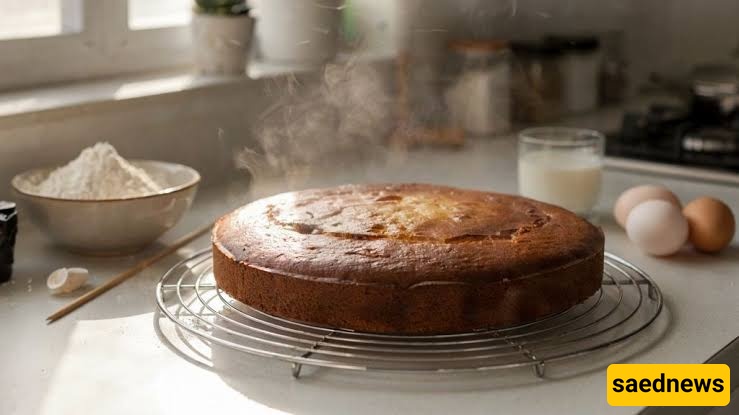
According to Saednews, The surface of a cake is the first part that catches the eye. If it is wet, glossy, or sticky, the cake can lose its appealing appearance, and its internal texture may also be affected. Some people assume that a sticky cake top is a sign that the cake is moist and delicious, but in many cases, that is not true. A sticky surface is often a sign of an error during baking or storage.
One of the most common reasons a cake becomes sticky on top is covering it before it has completely cooled. After coming out of the oven, a cake still contains a considerable amount of steam. If you immediately cover it with plastic wrap, a cloth, or place it in a covered pot or container, that steam has nowhere to escape.
The steam condenses on the cover and then returns to the cake as water droplets. The result is a wet, sticky surface, even if the inside of the cake is fully baked. Therefore, after taking the cake out of the oven, it is recommended to leave it in the pan for the amount of time specified in the recipe.
For many standard cakes, about 10 to 15 minutes is enough. Then transfer the cake to a wire rack so air can circulate underneath and around it, allowing it to cool completely. Only place the cake in an airtight container once there is no heat remaining in the center.
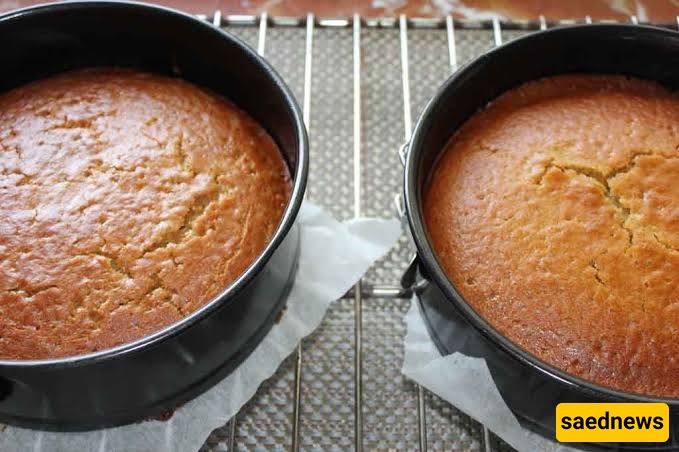
Sometimes a cake may look golden on the outside while still containing too much moisture inside. This is more common with thick cakes or cakes baked in small, deep pans. If the cake is removed from the oven too early, excess moisture can move toward the surface as it cools, making the top sticky.
An important point is that browning alone does not mean a cake is fully baked. To check whether it is done, insert a wooden toothpick into the center of the cake. If it comes out with wet, runny batter, the cake needs more time in the oven. A few soft crumbs on the toothpick are usually normal, especially for cakes with a moist texture.
Oven temperature is one of the key factors in baking a cake, yet many people overlook it. Sometimes you set the oven to the temperature stated in the recipe, but the actual temperature inside is lower or higher. In such cases, the cake may brown and look finished while not enough moisture has escaped from the surface and interior.
If this problem has occurred during several baking attempts, consider the possibility that your oven temperature is inaccurate. Using an oven thermometer can show you the actual temperature inside the oven. The oven should also be fully preheated before the cake pan is placed inside.
A temperature that is too high can cause the top of the cake to set and darken too quickly while the center remains underbaked.
Sugar is not used only to sweeten a cake; it also attracts moisture and helps retain it in the cake's structure. For this reason, too much sugar can make the surface soft, tacky, or sticky. This problem can occur when sugar is measured incorrectly, its amount is increased without adjusting the other ingredients, or honey, syrup, or brown sugar is used instead of regular sugar.
For accurate cake measurements, it is best to use a kitchen scale. Increasing or reducing the sugar without considering the original recipe can upset the balance of the cake and lead to problems such as a sticky surface.
Too much milk, water, yogurt, oil, or fruit juice can also make the surface of a cake sticky. Even a small measurement error, particularly in light cakes, can upset the balance of the recipe.
Using very large eggs instead of medium-sized eggs also increases the amount of liquid in the batter. Juicy ingredients such as carrots, zucchini, apples, mashed bananas, and soaked raisins should be used in exactly the amounts specified in the recipe. If you change the type of flour, keep in mind that different flours do not absorb the same amount of liquid.
If you place a warm cake on a plate, tray, or board, steam cannot escape from the bottom, leaving moisture trapped between the cake and the surface. This can make that part of the cake wet and sticky. The problem is even more noticeable when a cake is removed from its pan and immediately turned upside down onto a plate.
After allowing the cake to rest in the pan for a few minutes, it is better to transfer it to a wire cooling rack. The rack allows air to circulate around the cake and helps excess moisture evaporate.
Placing a warm cake in the refrigerator causes its steam to turn into water droplets very quickly. These droplets can collect on the cake's surface or inside the container, making the cake wet.
A plain cake should first be allowed to cool completely at room temperature before being placed in a suitable container. Cakes containing whipped cream, cream cheese, or other perishable ingredients, however, should be refrigerated according to their specific storage requirements.
Replacing sugar with honey, date syrup, grape syrup, or liquid sweeteners changes the moisture level of the batter. Honey has a strong ability to retain moisture, so it cannot simply replace sugar in the same quantity without adjusting the other ingredients.
Changing the amount of eggs, the type of flour, the quantity of fruit, the type of oil, or the size of the pan can also affect the final result.
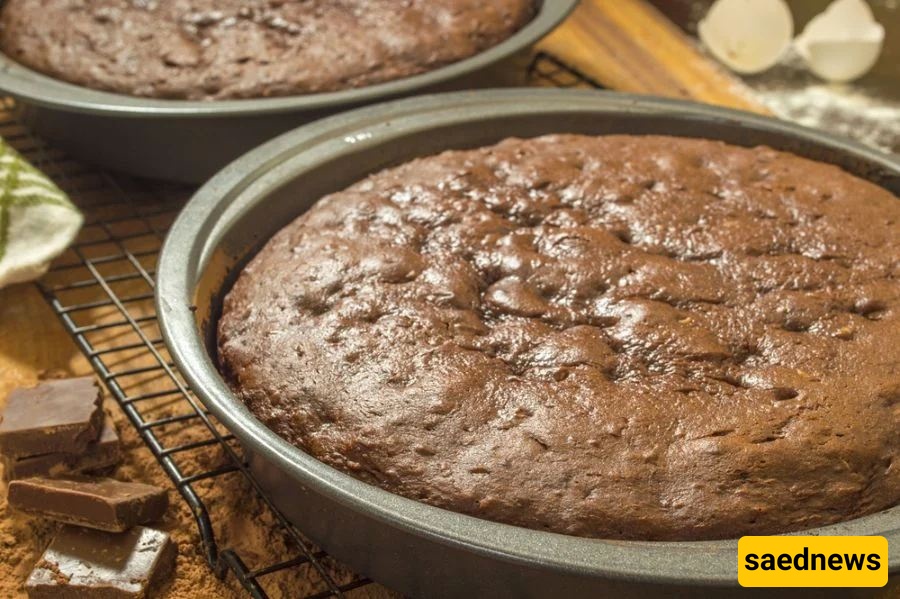
To prevent your cake from developing a sticky surface, follow these simple but effective tips:
Measure ingredients accurately with a kitchen scale.
Preheat the oven thoroughly and use an oven thermometer.
Do not cover the cake before it has completely cooled.
Place the cake on a wire cooling rack.
Do not put a warm cake in the refrigerator.
Do not alter the original recipe without carefully considering how the changes will affect the other ingredients.
A sticky cake surface is usually related to trapped moisture, insufficient baking, inaccurate oven temperature, excessive sugar or liquid, or improper cooling and storage. By measuring ingredients accurately, baking at the correct temperature, allowing the cake to cool properly, and avoiding unnecessary recipe changes, you can achieve a dry, appealing surface while keeping the inside of the cake moist and tender.