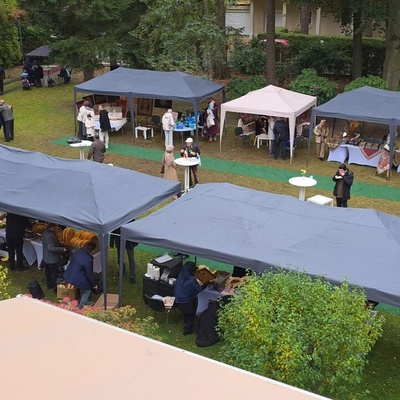
SAEDNEWS: Yazd Province is one of the ancient and culturally rich regions of our country. As a result, exploring the traditional markets of Yazd offers visitors the chance to discover an extraordinary variety of local products and exquisite handicrafts.
According to Saednews, Yazd is a remarkable Iranian city where historical, cultural, artistic, and architectural treasures can be found throughout the city. Recognized as a global heritage destination, Yazd has a special appeal for visitors. Travelers rarely leave without discovering some of its traditional souvenirs and handicrafts, many of which reflect the skill and creativity of local artisans.
There is no precise historical evidence establishing exactly when the daily life of Yazd's people became closely connected with traditional handicrafts. However, historical evidence suggests that the people of Yazd developed considerable artistic skills and attracted the attention of craftsmen and art enthusiasts from around the world.
Several factors contributed to the development of handicrafts in Yazd, including local economic conditions, the city's distance from Iran's major central areas, and its distinctive geographical environment. Although some traditional crafts gradually declined because of changing lifestyles and consumer preferences, the markets of Yazd still offer a wide variety of historic and handmade products.
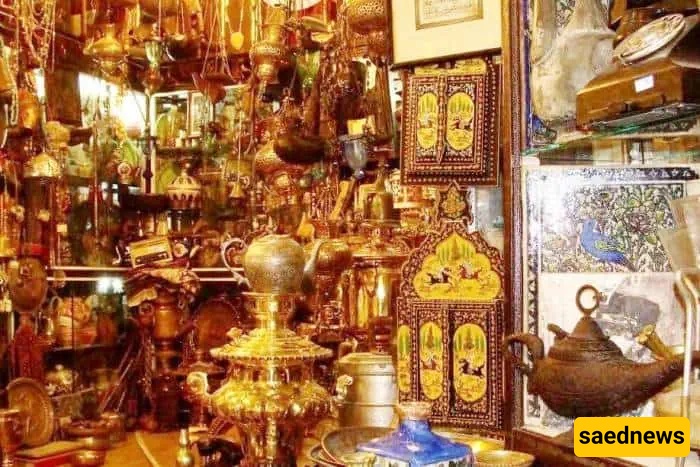
The following crafts represent some of the most distinctive forms of traditional art associated with Yazd and its surrounding areas.
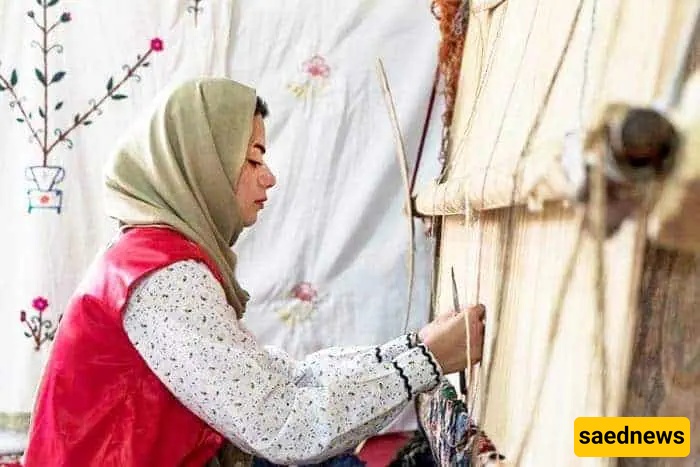
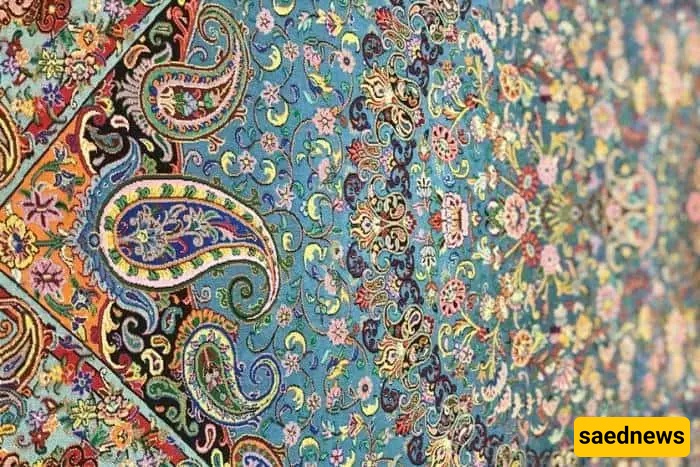
Handwoven carpets are among the most important traditional crafts of Yazd. Carpet weaving has a long history in the region, and Yazdi carpets are known for their detailed patterns and craftsmanship.
Traditional motifs found in Yazdi carpets include floral and fish designs, Sardar-e Jangal, Herati, and Kermani patterns. These designs reflect the artistic traditions that have been passed down through generations of local weavers.
Shamad is a lightweight fabric traditionally made from cotton yarn or artificial silk. It is particularly suitable for the hot summer climate of Yazd and is commonly used as a light covering.
Shamads are usually produced in bright colors with checkered or striped patterns. Smaller versions can also be used in the kitchen and for various household purposes.
Termeh is one of Iran's most famous traditional textiles and has a history of several centuries. Yazd is particularly well known for its production and use.
Traditionally, the warp of Termeh was made from natural silk, while the weft could contain silk, wool, colorful fibers, and other materials. In the past, Termeh was woven by hand using the fingers, which led to its association with hand weaving.
Common decorative patterns include Shah Abbasi flowers, Boteh Jegheh motifs, and deer-antler designs. Today, Termeh is generally produced using semi-mechanical methods while retaining its traditional appearance.
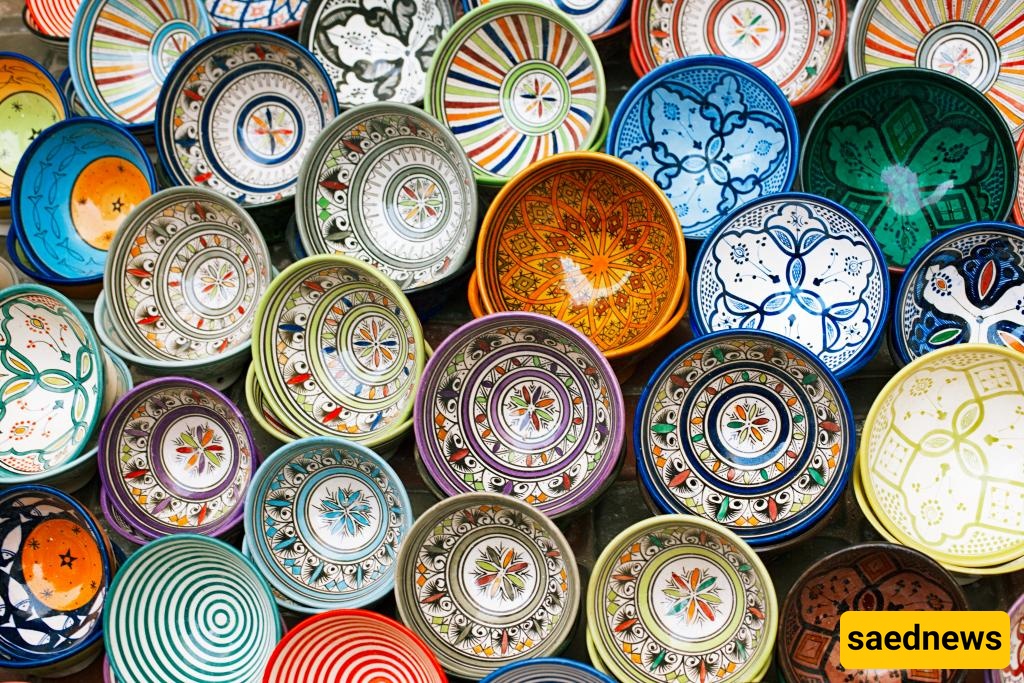
Pottery is among humanity's oldest crafts, with a history stretching back thousands of years. In Yazd Province, the city of Meybod is particularly renowned for pottery and ceramics.
Traditional pottery products are known locally as Kuvareh. The abundance of clay resources in the region has helped pottery and ceramic production flourish over the centuries. Local markets continue to display a variety of decorative and functional ceramic products.
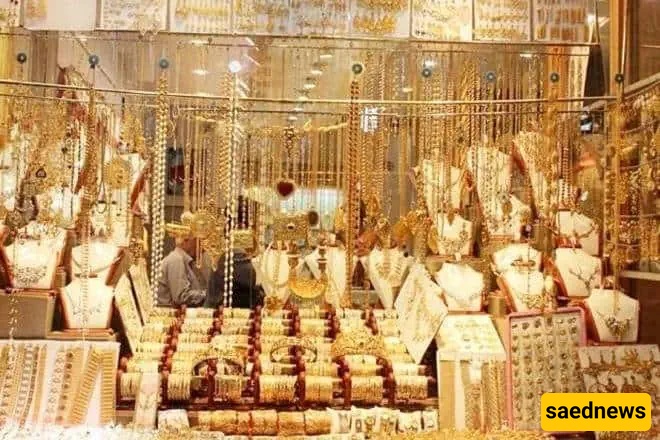
Yazd has a long-standing reputation for traditional gold jewelry. Local goldsmiths produce a variety of distinctive designs, including different types of chains and decorative jewelry.
Traditional styles include Chinabi, Khashkhashi, Gol-o-Hel, snake-patterned designs, and Konik, alongside more contemporary styles. The traditional gold markets of Yazd are therefore an interesting destination for visitors interested in local jewelry craftsmanship.
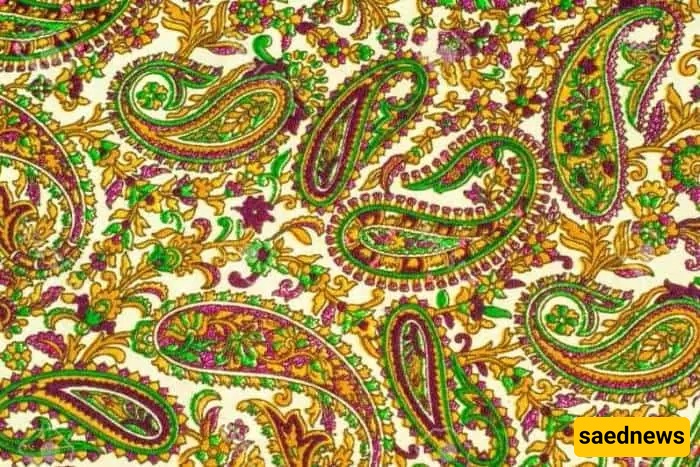
Dara'i weaving is another traditional textile craft associated with Yazd and is believed to have a history of more than 800 years. In the past, Dara'i fabric was used for items such as quilt covers and bundles for carrying belongings.
The fabric is traditionally made from natural silk. Dara'i is also associated with the term "ikat," referring to a textile technique involving tying, binding, and wrapping threads before weaving.
Historically, owning Dara'i fabric was considered a sign of financial prosperity because of its high value.
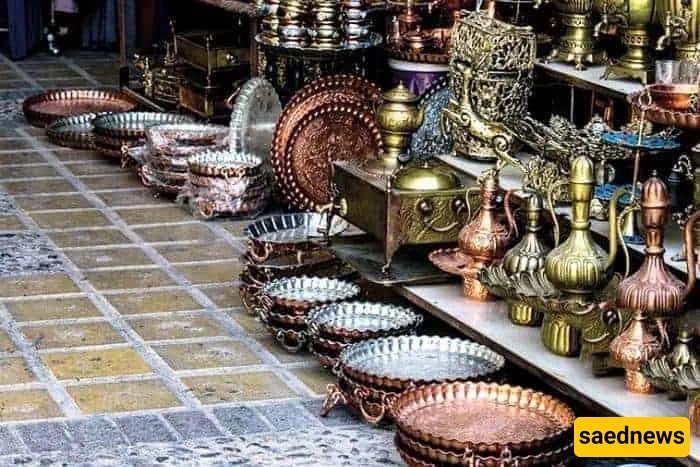
Yazd and Kerman are both known for their traditional copperware. In the old copper markets of Yazd, visitors can find a wide range of decorative and household objects, including kettles, teapots, bowls, and other utensils.
As lifestyles have changed, the shapes and uses of copper products have also evolved. Modern artisans create copper objects in numerous forms, including decorative bowls, clocks, and designs inspired by Persepolis.
The traditional copper market is an excellent place to observe this craft and see how an ancient form of metalworking continues to adapt to contemporary tastes.
Chadorshab is a traditional handwoven textile produced in Yazd. It is typically decorated with colorful checkered patterns and made from cotton or silk.
Two main varieties are traditionally produced: a lighter type known as Rokhtkhavab-Pich, which is used for wrapping bedding, and a thicker variety known as Chadorshab-e Sahraei.
These textiles are often produced in approximately 90-by-90-centimeter pieces. The thicker rural variety may feature striped patterns and can be used for transporting agricultural products.
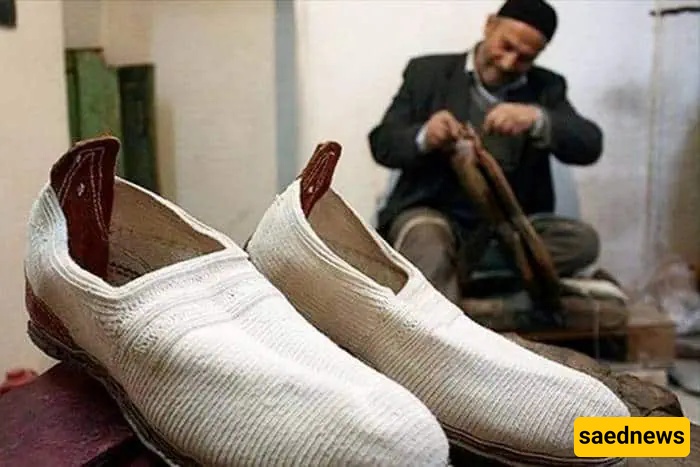
Giveh is a traditional type of lightweight footwear associated with rural communities in Yazd Province. It is particularly suitable for walking long distances during the hot summer months.
Traditionally made using cotton thread, the woven upper is attached to a sturdy sole before the footwear is finished. Giveh remains an example of practical craftsmanship adapted to the region's climate and rural lifestyle.
Traditional tile making has played an important role in the architecture of Yazd and has contributed greatly to the city's distinctive appearance.
The craft has a history extending back several centuries. Traditional Yazdi tiles include several varieties, such as Yazdi tiles, Moq tiles, lattice tiles, hexagonal tiles, Haft-Rang or seven-color tiles, border tiles, Juk tiles, and Kamand tiles.
These colorful tiles can be seen in many historic buildings and religious monuments throughout the region.
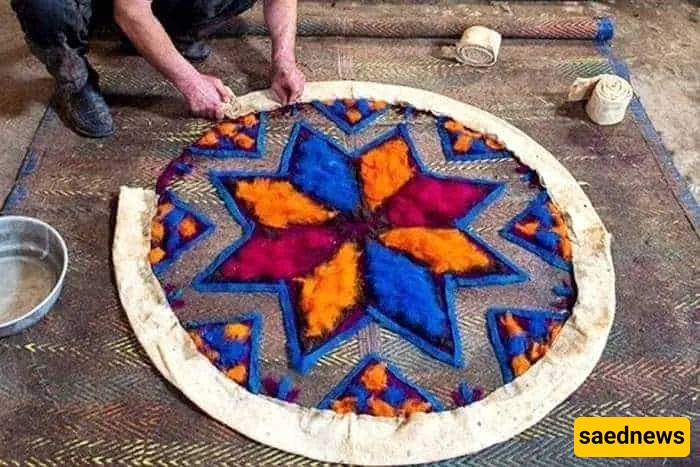
Namad, or felt, is a distinctive textile product that differs from woven fabrics because it is produced by compressing fibers rather than weaving them.
Wool or animal hair is combined with hot water and intensive manual work to create a dense and durable material. The process involves repeated pressing and rubbing until the fibers become firmly bonded.
Felt has traditionally been valued as a warm floor covering and material for clothing and other products. Although its use has declined in modern times, it remains an important part of Iran's traditional craft heritage.
Zilu is a traditional cotton floor covering that is especially well suited to Iran's desert regions. It is known for its durability and has traditionally been used in homes, religious buildings, and other spaces.
Meybod in Yazd Province is considered one of the principal centers of Zilu weaving. One of the oldest examples associated with Meybod can be found in the city's Jameh Mosque.
The tradition is believed to date back to the pre-Islamic period. Traditional Zilu designs commonly feature colors such as orange, white, blue, red, and green.
Zari is a delicate and luxurious traditional textile primarily made with natural silk. It has a long history in Iran and is regarded as one of the country's finest historic woven fabrics.
Because of its intricate designs and valuable materials, historic Zari textiles are preserved in museums and collections. Yazd, along with cities such as Abyaneh, Kashan, and Isfahan, has been associated with the production of this prestigious textile.
Ghalamzani is the traditional Iranian art of engraving decorative patterns onto metal objects. Craftspeople use specialized chisels and hammers to carve intricate designs into materials such as copper, silver, brass, and, in some cases, gold.
The tradition has roots stretching back thousands of years. Traditional markets in Yazd contain many engraved objects in a wide range of shapes and sizes, making this craft particularly attractive to visitors interested in Iranian decorative arts.
Traditional blanket weaving is another handicraft practiced in parts of Yazd Province, particularly among women in households in areas such as Ashkezar and Kharanaq.
Traditionally, the woven material is produced in a long piece and then divided into sections before being sewn together to create a finished blanket. This craft reflects the practical textile traditions that developed in rural communities of the region.
The handicrafts of Yazd are more than souvenirs. They preserve techniques, patterns, materials, and traditions that have developed over centuries. From silk textiles and handwoven carpets to copperware, ceramics, tiles, felt, and traditional footwear, each craft reflects a different aspect of the region's history and environment.
For travelers, exploring Yazd's traditional markets and craft workshops offers an opportunity to see these techniques firsthand and understand how local artisans have preserved elements of the city's cultural identity while adapting traditional crafts to modern life.