SAEDNEWS: Early food habits can shape a child’s relationship with eating and support balanced nutrition as they grow.
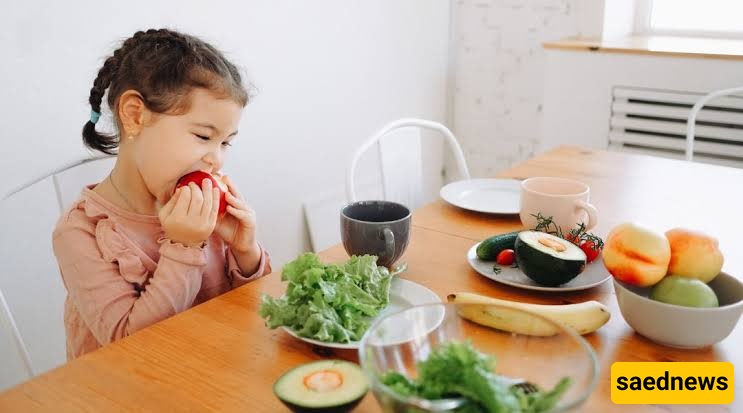
According to SAEDNEWS, children gradually develop eating patterns through everyday family routines, food exposure, and the way meals are offered. Building simple, healthy habits from an early age can help children become more comfortable with nutritious foods and learn to respond to their own hunger and fullness cues.
Several practical habits can become part of a child’s normal routine:
Eating regular meals and planned snacks
Including a variety of nutritious foods
Eating fruits and vegetables regularly
Drinking water as a routine beverage
Eating meals while sitting at the table
Trying unfamiliar foods without pressure
Paying attention to hunger and fullness
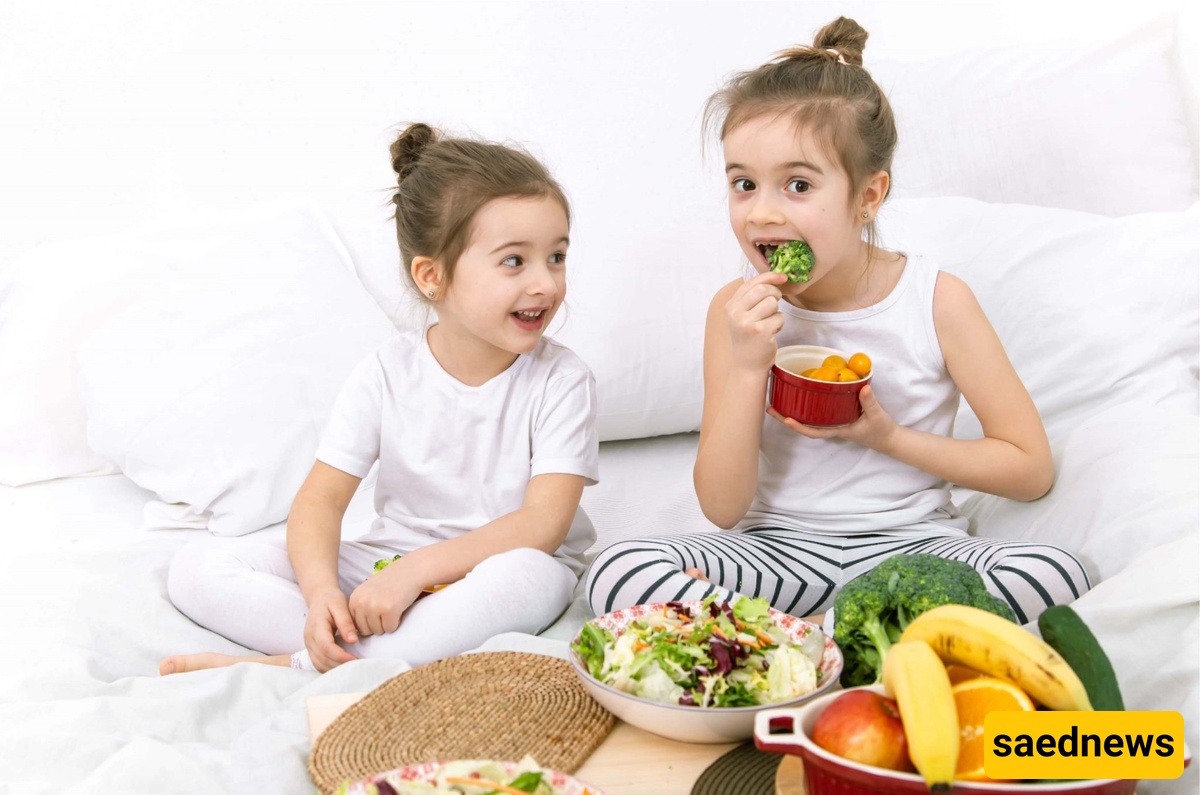
Variety is particularly useful because repeated exposure can help children become more familiar with foods they initially reject. Parents can offer different fruits, vegetables, whole grains, legumes, dairy foods, eggs, and other nutritious options appropriate for the child’s age and dietary needs.
Children can naturally vary in how much they eat from one meal to another. Rather than requiring them to finish everything on the plate, parents can provide appropriate portions and allow children to decide how much they eat. This approach can help them become more aware of internal hunger and fullness signals.
At the same time, adults can provide structure by deciding what foods are offered, when meals and snacks are served, and where eating takes place. Children can then have an appropriate degree of control over whether and how much they eat.
Regular family meals can also teach children that eating is a social and predictable part of the day. Whenever practical, meals can be eaten together without television, phones, or other major distractions. A calm setting gives children more opportunity to notice their food and their body’s signals.
Food should also be introduced without using excessive pressure or turning meals into a conflict. A child may need to see and taste a new food several times before accepting it, so patience is generally more helpful than forcing a particular food.
Children often learn eating behaviors by watching adults. Parents can demonstrate healthy habits by:
Eating a varied diet themselves.
Including nutritious foods in family meals.
Drinking water regularly.
Showing a relaxed attitude toward different foods.
Avoiding negative comments about body size or specific foods.
The goal is not to make every meal perfect. Consistent routines, nutritious choices, positive modeling, and a relaxed approach can gradually help children develop a healthier relationship with food.