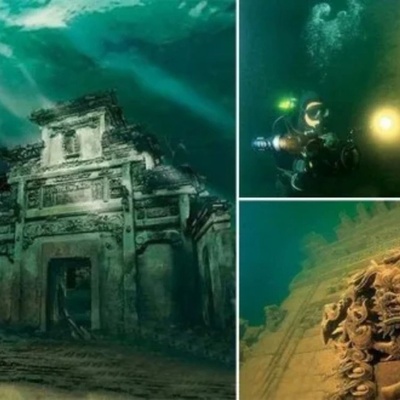
SAEDNEWS: In the depths of the unexplored oceans, remarkable objects have been discovered, ranging from ancient civilizations to modern technology. These include the Antikythera mechanism, a 2,000-year-old computer, and the so-called “brick road,” which is actually a natural geological formation.
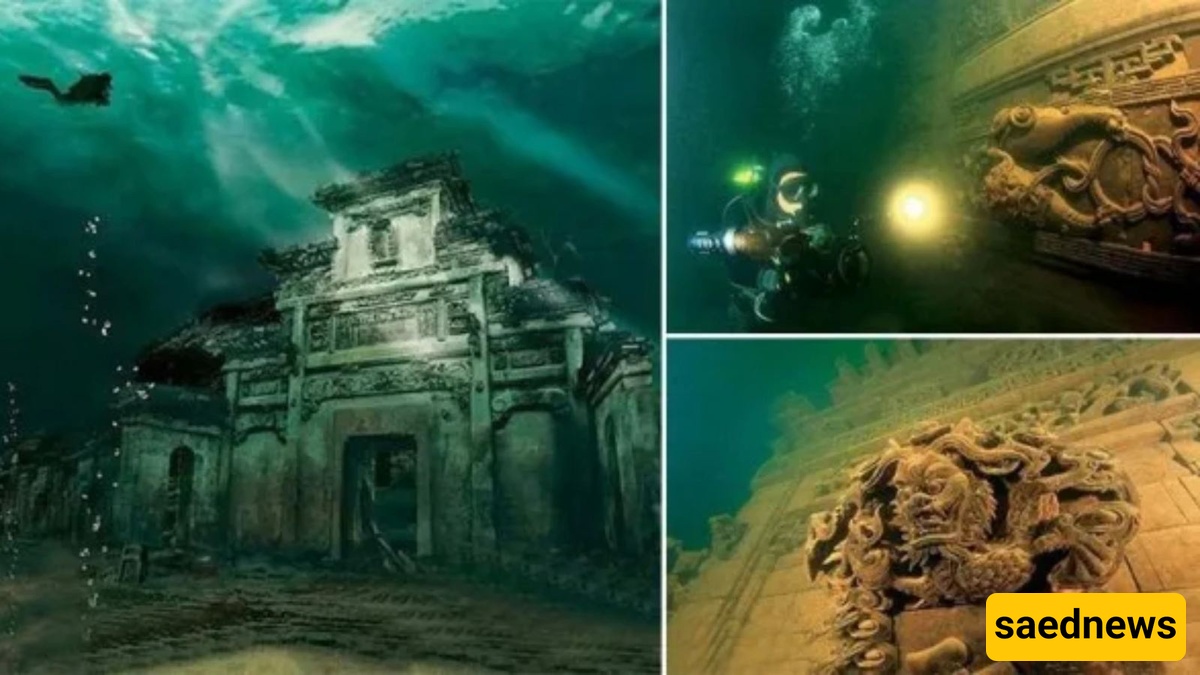
According to Saednews, Mars has been mapped to within a few meters of accuracy, yet vast areas of Earth's ocean floor remain poorly explored. The international Seabed 2030 project aims to map the entire ocean floor by 2030. However, by the middle of the 2020s, only about one-quarter of this goal had been achieved. The US National Oceanic and Atmospheric Administration (NOAA) has also repeatedly stated that more than 80% of the ocean remains unexplored.
This lack of knowledge has turned the deep ocean into one of Earth's greatest repositories of mysteries and extraordinary discoveries. Some objects found beneath the sea are genuinely human-made, such as the Antikythera Mechanism and the Saturn V rocket engines. Others are natural formations that our brains interpret as familiar structures, such as the so-called "Yellow Brick Road" in the Pacific Ocean.
The answer lies partly in the physics of water. Pressure increases rapidly with depth. At 4,000 meters, the pressure reaches approximately 400 atmospheres. Sunlight rarely penetrates below 200 meters, while almost complete darkness dominates at depths of around 1,000 meters.
The second factor is cost. Deep-sea exploration requires research vessels, multibeam sonar systems, underwater robots, and specialized technical teams. A single day of such an operation can cost hundreds of thousands of dollars.
The third factor is the enormous size of the ocean floor. It covers approximately 360 million square kilometers. Finding a small object across such a vast area is like searching for a needle in a haystack.
Multibeam sonar sends dozens of acoustic pulses simultaneously to create detailed maps of the ocean floor's topography. Side-scan sonar produces black-and-white images of the seabed and is particularly useful for locating shipwrecks.
Remotely Operated Vehicles (ROVs) carry cameras and mechanical arms into the depths, allowing researchers to investigate objects directly. Autonomous Underwater Vehicles (AUVs) operate without cables and scan predetermined routes with high precision.
The DSV Limiting Factor submarine also reached some of the deepest locations in the world's oceans during the Five Deeps Expedition, including the bottom of the Mariana Trench at approximately 10,900 meters.
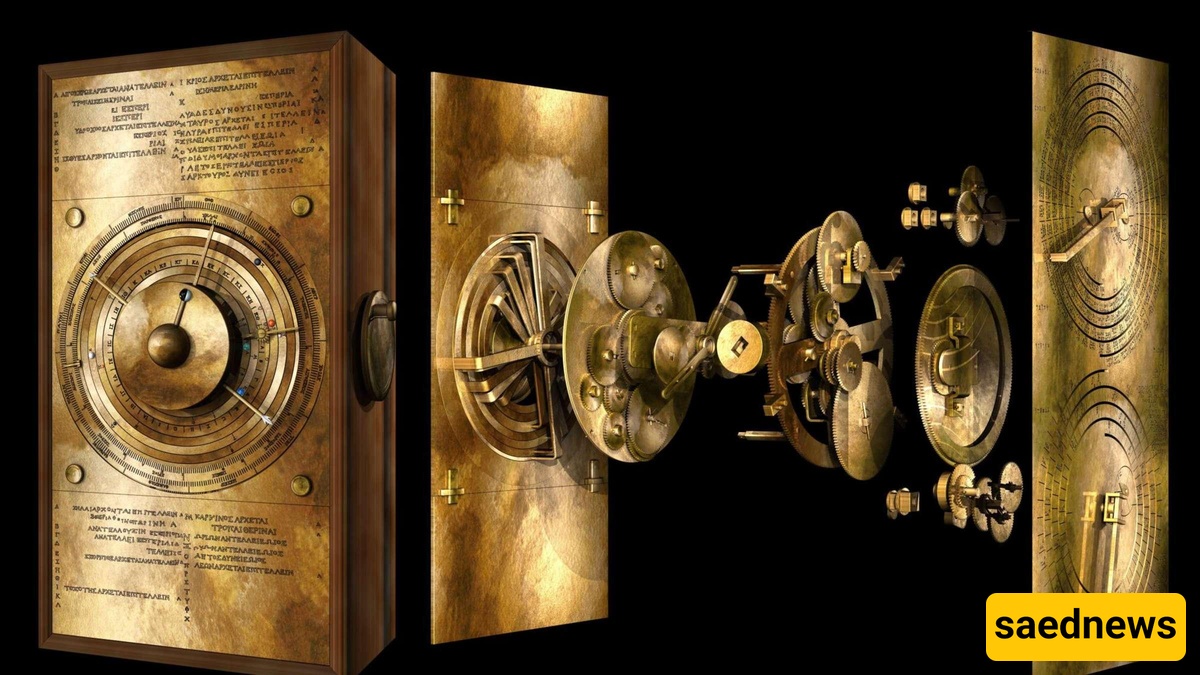
The Antikythera Mechanism is arguably the most famous mysterious object ever recovered from the sea.
In 1901, sponge divers discovered the remains of a Roman-era shipwreck near the Greek island of Antikythera in the Aegean Sea. Among the recovered cargo was a corroded bronze object that initially appeared to have little value.
However, when its fragments were examined and assembled at the National Archaeological Museum in Athens, researchers discovered a sophisticated system of precisely engineered gears.
Dating back to approximately the second or first century BC, the mechanism is considered an ancient form of an analog computer. It was designed to calculate the positions of the Sun and Moon, possibly track planetary movements, and predict solar and lunar eclipses.
Research conducted by Derek de Solla Price in the 1970s, followed by advanced X-ray computed tomography in 2006, revealed previously hidden details about its remarkable complexity.
The discovery is significant for three main reasons:
It demonstrates the extraordinary engineering capabilities of ancient Greek civilization.
It provides evidence of the sophisticated transmission of scientific and technical knowledge in the ancient world.
It reminds us that some of history's most valuable discoveries may initially appear to be insignificant pieces of debris.
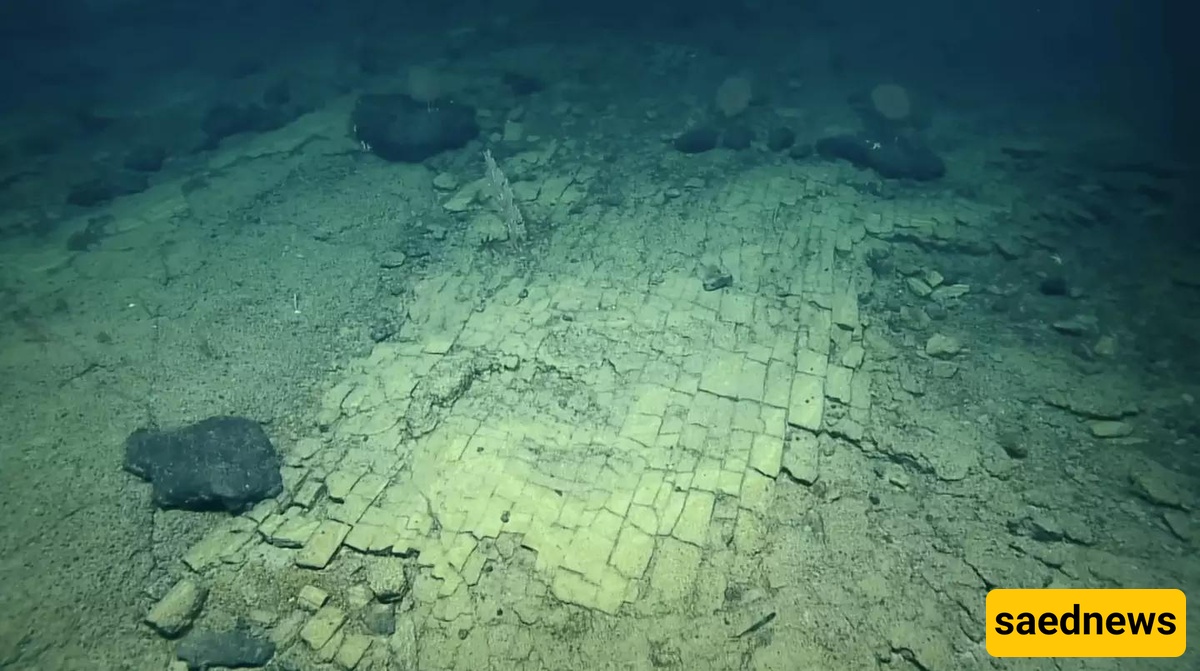
In 2022, researchers aboard the NOAA research vessel Nautilus observed an unusual formation on the ocean floor within the Papahānaumokuākea Marine National Monument.
Located at a depth of approximately 1,000 meters on the summit of an unnamed seamount, the formation looked remarkably similar to a paved road. Researchers nicknamed it the Yellow Brick Road.
Images of the discovery quickly spread across social media, with some people suggesting that it might be connected to lost civilizations or extraterrestrial structures.
Scientific examination, however, revealed a much more natural explanation. The formation resulted from volcanic activity and the cooling of lava. As volcanic rocks contract and fracture, they can develop remarkably regular patterns resembling bricks.
This is a fascinating example of how an ordinary geological process can create something that looks almost entirely artificial.
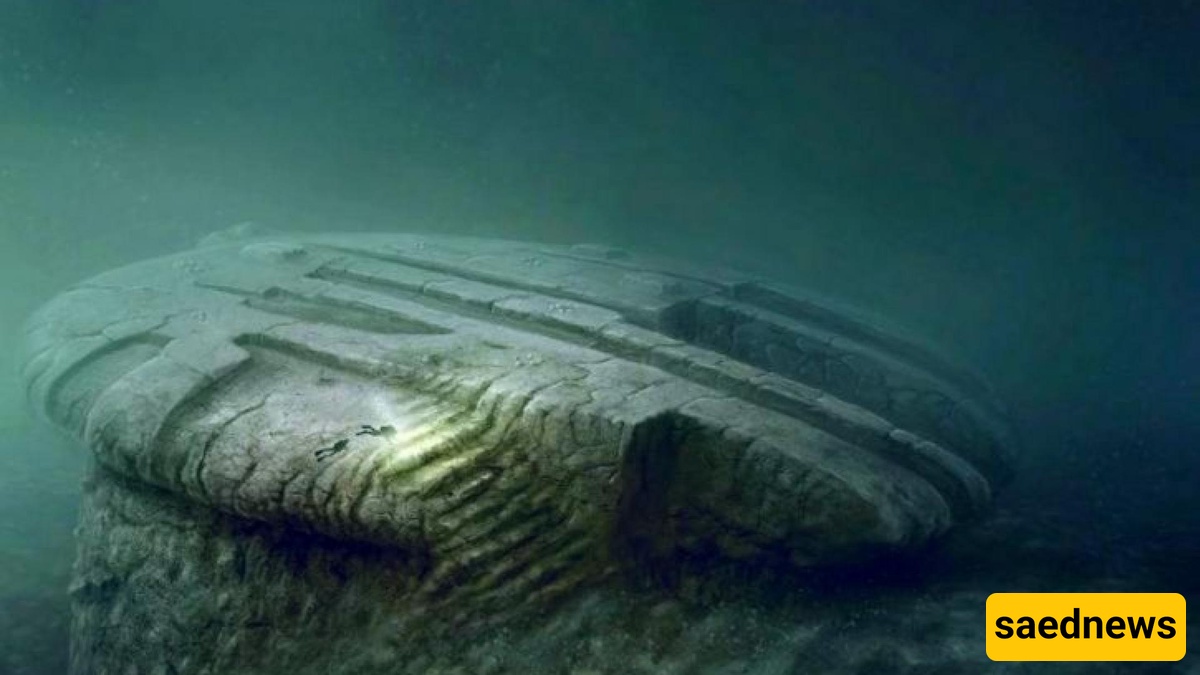
In 2011, a search team exploring the Baltic Sea released a sonar image of an unusual object located at a depth of approximately 90 meters.
Its shape appeared remarkably similar to a flying saucer or an enormous artificial structure, and it quickly became known as the Baltic Sea Anomaly.
Some enthusiasts suggested that the object could be the remains of an extraterrestrial spacecraft or an ancient construction.
However, many geologists believe the unusual appearance may be explained by a combination of natural seabed formations, glacial deposits, underwater geological processes, or sonar imaging artifacts.
To date, no conclusive evidence has established that the anomaly is artificial.
Nevertheless, it remains one of the most widely discussed mysteries associated with underwater exploration.
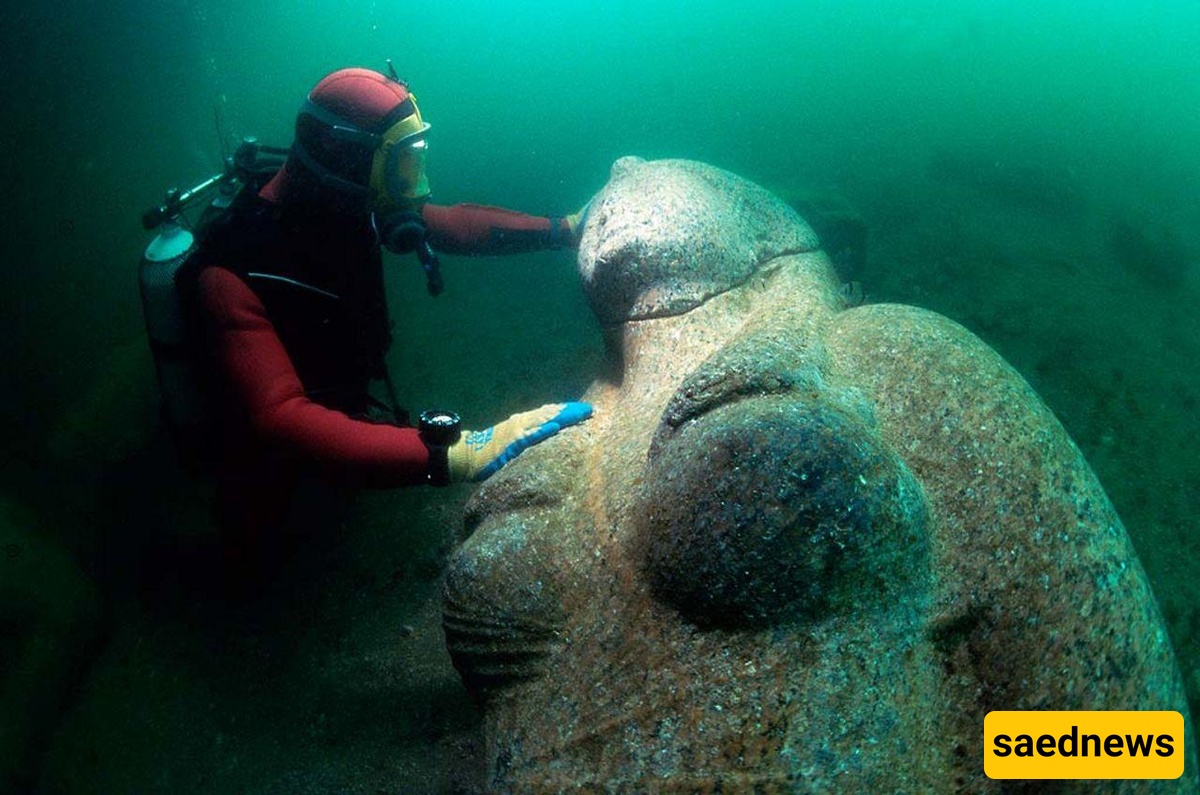
Some of the most extraordinary discoveries beneath the sea are the remains of ancient cities swallowed by the water.
One of the most famous examples is the ancient Egyptian city of Heracleion, also known as Thonis. It was discovered in 2000 in Abu Qir Bay by underwater archaeologist Franck Goddio and his team.
The underwater city contained enormous statues, temple columns, coins, and the remains of ancient ships.
Another fascinating example is the Yonaguni Monument, located near Japan's Ryukyu Islands. It was discovered in 1986 by a local diver.
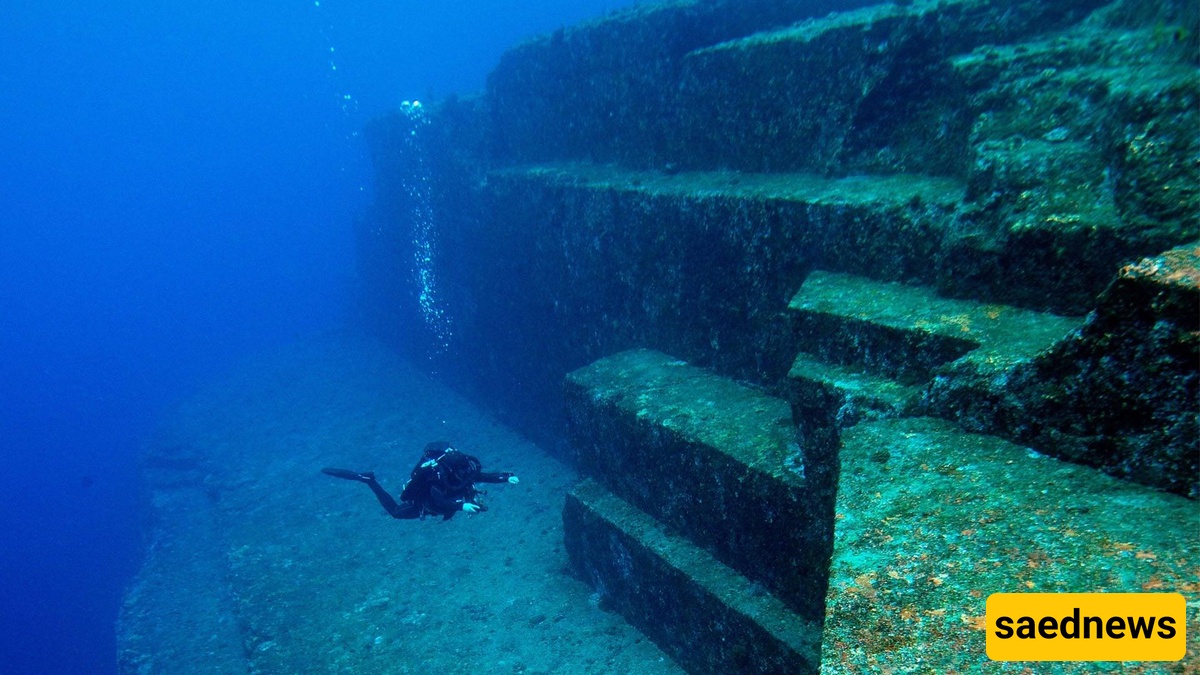
The formation features large, step-like stone structures with unusually straight edges and geometric shapes.
Its origins have sparked decades of debate among geologists and archaeologists. Some researchers believe it is entirely natural, resulting from the layering and erosion of sandstone, while others consider the possibility of human modification.
Despite its unusual appearance, there is still no universally accepted conclusion about its origins.
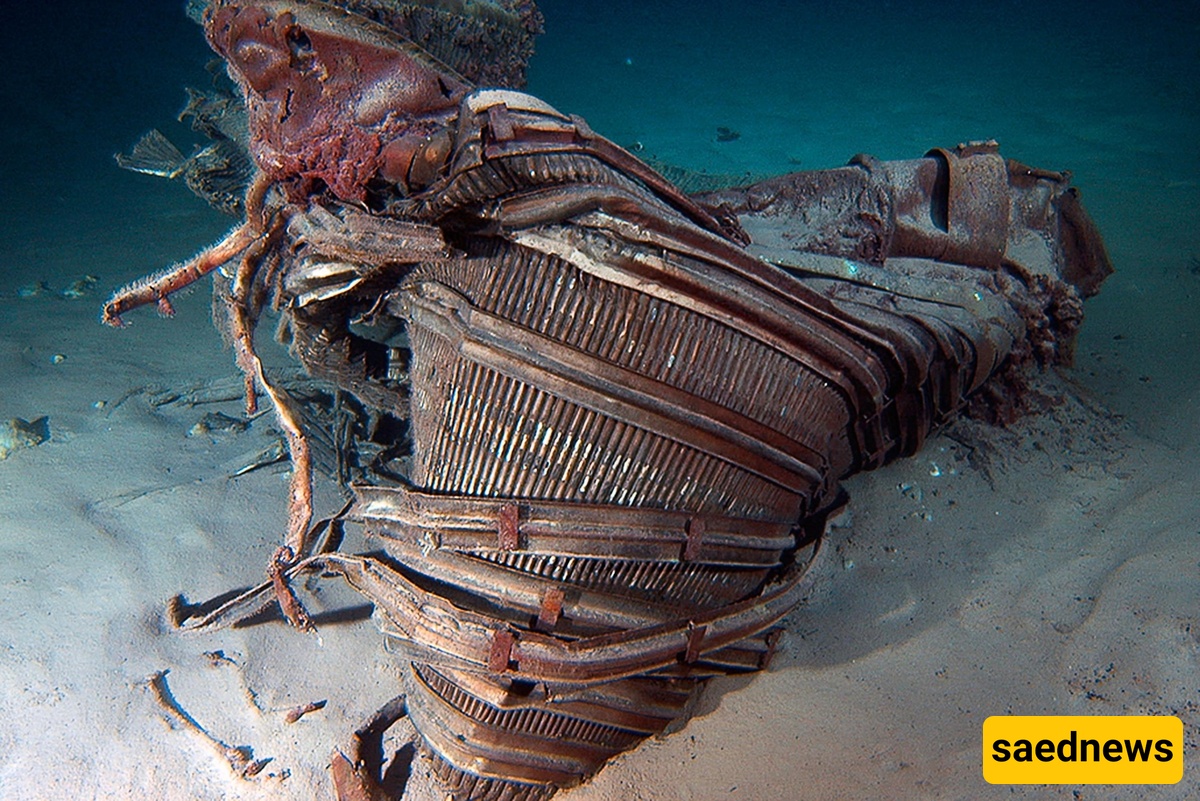
One of the most unexpected discoveries in deep-sea exploration involved the remains of the enormous F-1 engines used in NASA's Saturn V rockets.
After launching Apollo missions during the 1960s and early 1970s, these powerful rocket engines fell into the Atlantic Ocean, eventually resting at depths of approximately 4,200 meters.
In 2013, a team supported by Jeff Bezos used sonar and remotely operated underwater vehicles to locate and recover components of these historic engines.
The discovery demonstrated that the deep ocean is not merely an archive of ancient history. It also preserves important pieces of modern technological history.
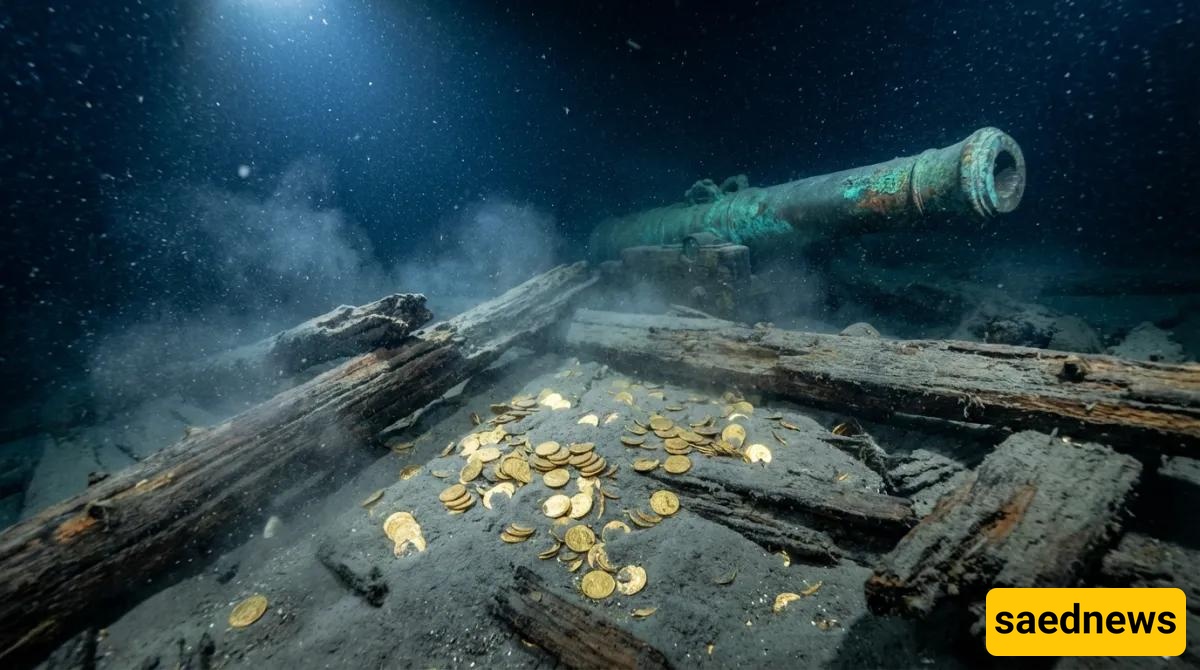
In 2015, the Colombian government announced the discovery of the wreck of the Spanish warship San José at a depth of approximately 600 meters in Caribbean waters.
The ship sank in 1708 during a battle with British vessels and has become known as one of the most valuable shipwreck discoveries in history.
Its cargo is believed to have included enormous quantities of gold, silver, and emeralds.
Another remarkable discovery involved the American destroyer escort USS Samuel B. Roberts, which was located by explorer Victor Vescovo in 2022 at a depth of approximately 6,895 meters. It set a record as the deepest shipwreck ever discovered.
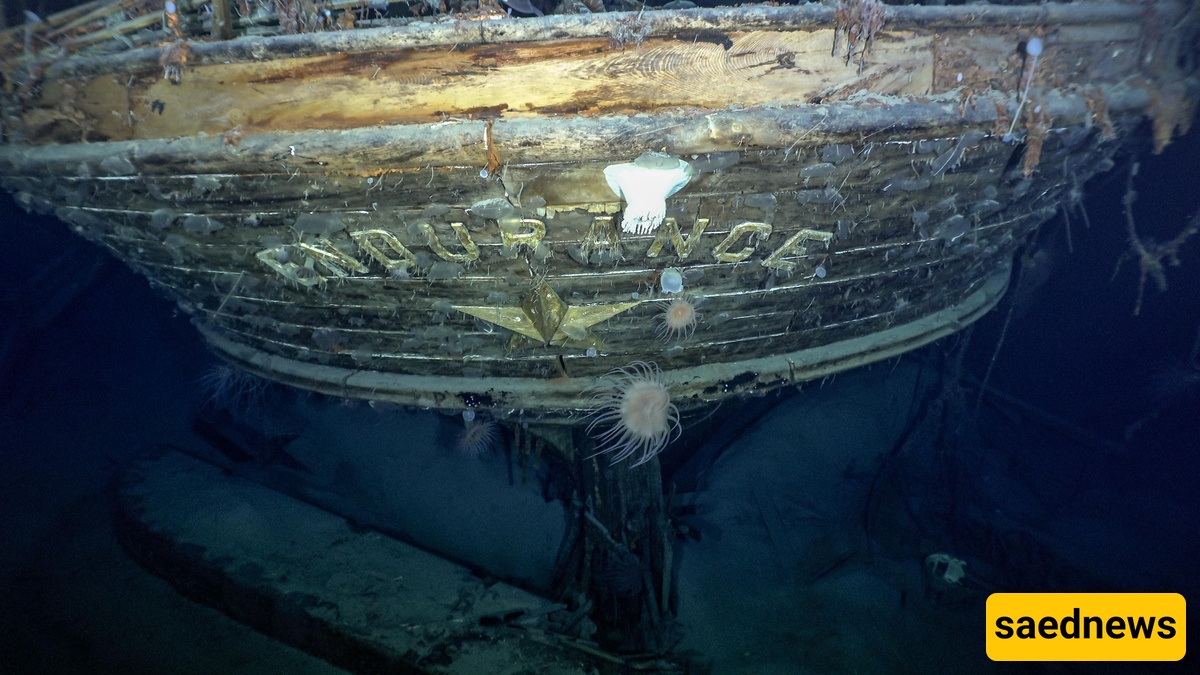
The wreck of the Endurance, the famous ship belonging to Antarctic explorer Ernest Shackleton, was also discovered in 2022 in the Weddell Sea at a depth of approximately 3,008 meters.
Its remarkably preserved hull astonished researchers and became one of the most celebrated maritime archaeological discoveries of recent years.
Many mysterious objects discovered in the deep ocean are examples of pareidolia: the human brain's tendency to recognize familiar patterns in random or ambiguous shapes.
Seeing a face in a rock or a paved road in volcanic formations is a natural consequence of how the human brain has evolved to recognize patterns quickly.
Image quality is another important factor. Sonar images are often low-resolution, monochromatic, and affected by noise. Interpreting them correctly requires considerable technical experience.
Media coverage also plays a role. A headline claiming "Alien Spaceship Found in the Baltic Sea" is naturally more likely to attract attention than one describing "An Unusual Natural Geological Formation."
When investigating mysterious deep-sea discoveries, three important questions should always be considered:
Does a physical object or sample actually exist?
Have independent researchers examined the discovery?
Is there a plausible natural explanation for its appearance?
These questions help distinguish genuine archaeological discoveries from speculation and sensational claims.
Deep-sea discoveries are not simply scientific adventures. They also raise important legal and ethical questions.
The 2001 UNESCO Convention on the Protection of the Underwater Cultural Heritage emphasizes preserving archaeological objects in their original locations whenever possible and preventing the looting of historically important sites.
Commercial salvage operations and unauthorized recovery of shipwreck artifacts can permanently destroy valuable historical information.
Deep-sea exploration can also affect fragile marine ecosystems. Anchors, powerful lights, and mechanical equipment may damage sensitive habitats and disturb marine organisms.
As exploration technology continues to improve, balancing scientific discovery with environmental protection and cultural preservation will become increasingly important.
The ocean floor still holds countless secrets. From ancient astronomical computers and lost civilizations to historic spacecraft engines and legendary shipwrecks, these discoveries demonstrate just how much of Earth's history remains hidden beneath the waves.