SAEDNEWS: How Much Chicken Do You Need Per Person? A Complete Guide to Raw and Cooked Portions for Every Occasion
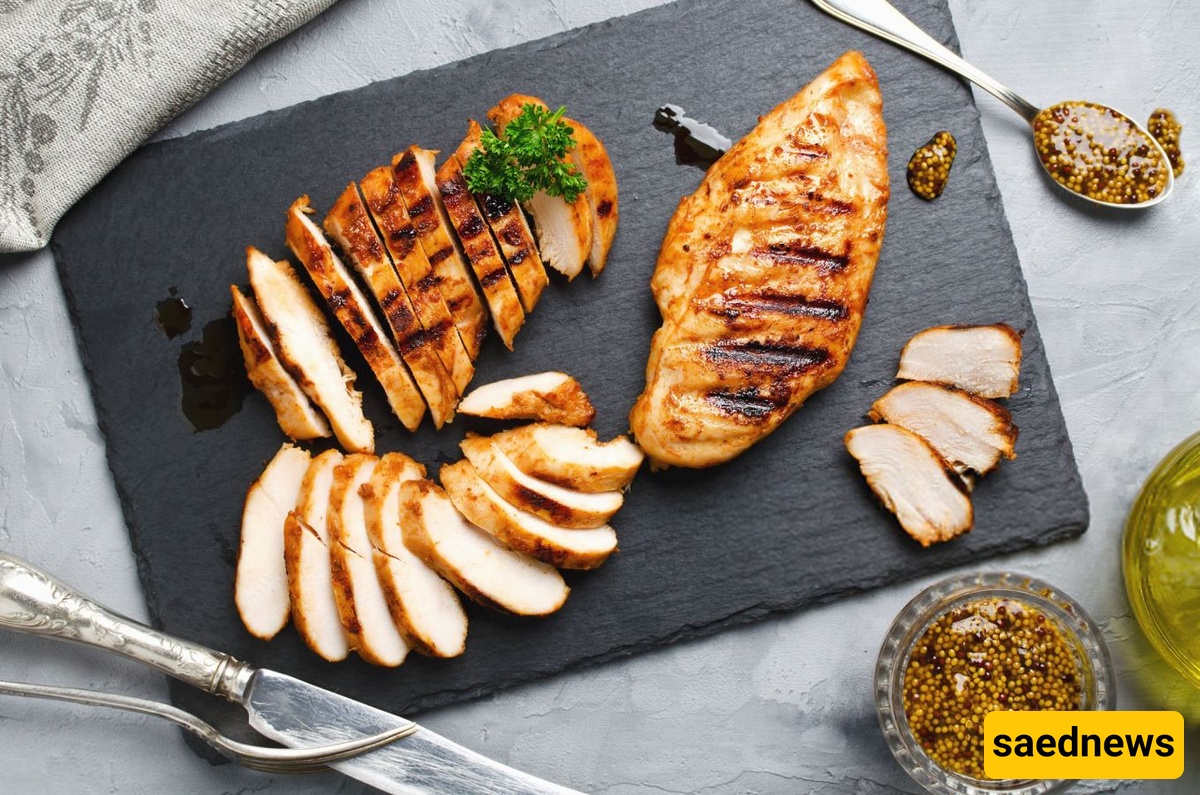
According to Saednews, “How much chicken do you need per person?” is a common question when grocery shopping, planning dinner, or preparing food for a gathering. There is no single answer, as the amount depends on the type of chicken, whether it is bone-in or boneless, guests’ ages, appetites, side dishes, and cooking method.
However, a few simple guidelines can help you estimate the right amount of chicken, avoid running out of food, and reduce unnecessary leftovers.
This guide covers chicken portion sizes for different meals and occasions. It starts with practical serving recommendations, explains the factors that affect portion sizes, and includes quantity charts for different group sizes, parties, and popular chicken dishes.
For an average adult, the following raw chicken quantities are recommended for a main meal:
Type of chicken | Raw amount per person | Best for |
|---|---|---|
Boneless chicken breast or tenderloins | 150–200 g | Dinner, sandwiches, and lighter meals |
Boneless chicken thighs | 180–220 g | Hearty and satisfying meals |
Bone-in chicken (thighs or drumsticks) | 250–300 g | Traditional chicken meals |
Whole chicken | 350–450 g | Roasted chicken dinners |
Ground chicken | 150–200 g | Kebabs, burgers, and meatballs |
Chicken for stews | 100–150 g | Dishes with additional ingredients |
Chicken for soup | 50–80 g | Soups and broths |
Chicken for appetizers or salads | 80–100 g | Starters and side dishes |
Chicken for kebabs | 200–250 g | Grilled meals served with rice or bread |
These quantities refer to raw chicken. Chicken generally loses around 20–30% of its weight during cooking. For example, 200 g of raw chicken will typically yield approximately 140–160 g of cooked chicken.
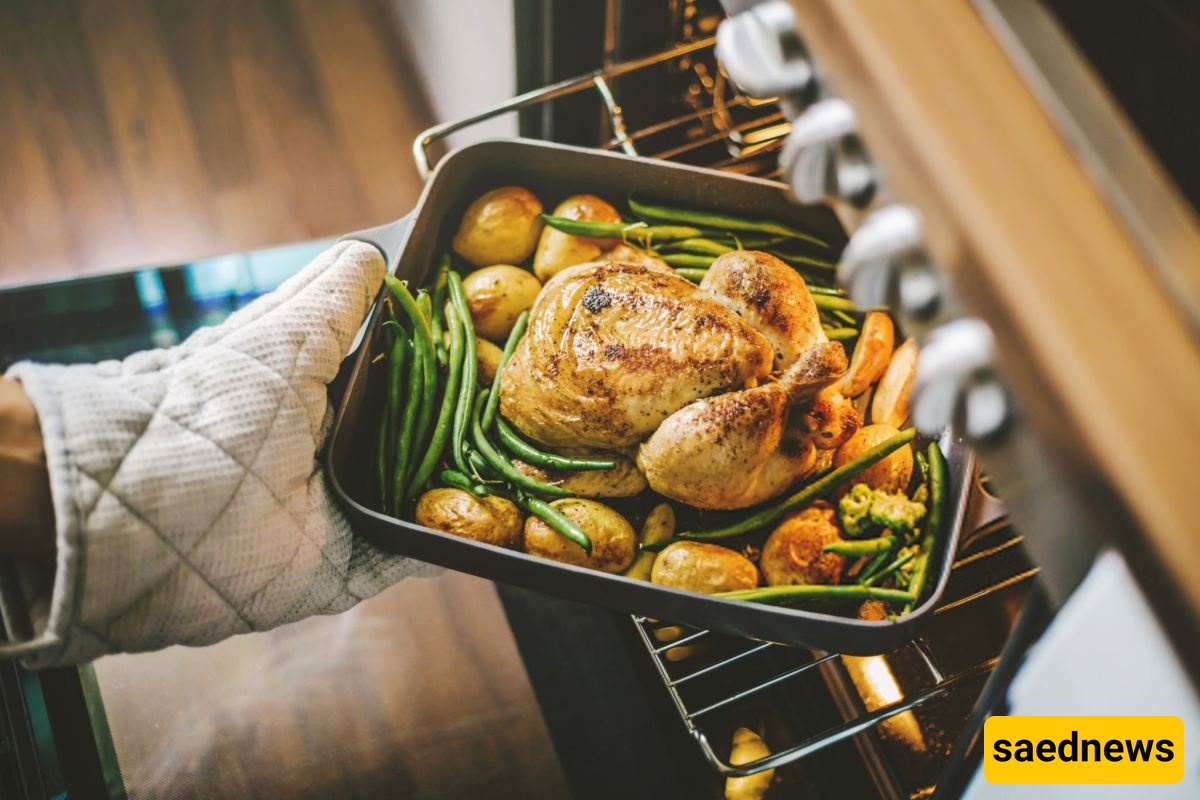
Several factors influence how much chicken each person needs.
1. Type of chicken
Boneless chicken is almost entirely edible, whereas bone-in chicken includes a portion of inedible bone. Therefore, you need to purchase more bone-in chicken to serve the same amount of meat.
2. Age and appetite
A physically active young adult may need around 250 g of boneless chicken, while an older adult or someone with a smaller appetite may be satisfied with 120–150 g. Children generally need around half to two-thirds of an adult portion.
3. Side dishes
When chicken is served with rice, potatoes, salad, bread, and appetizers, smaller portions are usually sufficient. If chicken is the only main dish, you may need to prepare more.
4. Cooking method
Grilling and roasting can cause chicken to lose more moisture and shrink during cooking. In soups and stews, chicken is cooked with liquids and other ingredients, so smaller quantities are often sufficient. Sandwiches and salads also typically require less chicken because it is only one component of the meal.
Use the following chart to estimate how much chicken to buy for a family meal or gathering. These quantities are based on a main course served with side dishes.
Number of people | Boneless chicken | Bone-in chicken | Whole chicken |
|---|---|---|---|
2 people | 300–400 g | 500–600 g | 700–900 g |
4 people | 600–800 g | 1–1.2 kg | 1.4–1.8 kg |
6 people | 900 g–1.2 kg | 1.5–1.8 kg | 2.1–2.7 kg |
10 people | 1.5–2 kg | 2.5–3 kg | 3.5–4.5 kg |
20 people | 3–4 kg | 5–6 kg | 7–9 kg |
For example, if you are preparing chicken and rice for 10 people, approximately 2 kg of boneless chicken or 3 kg of bone-in chicken should be enough.
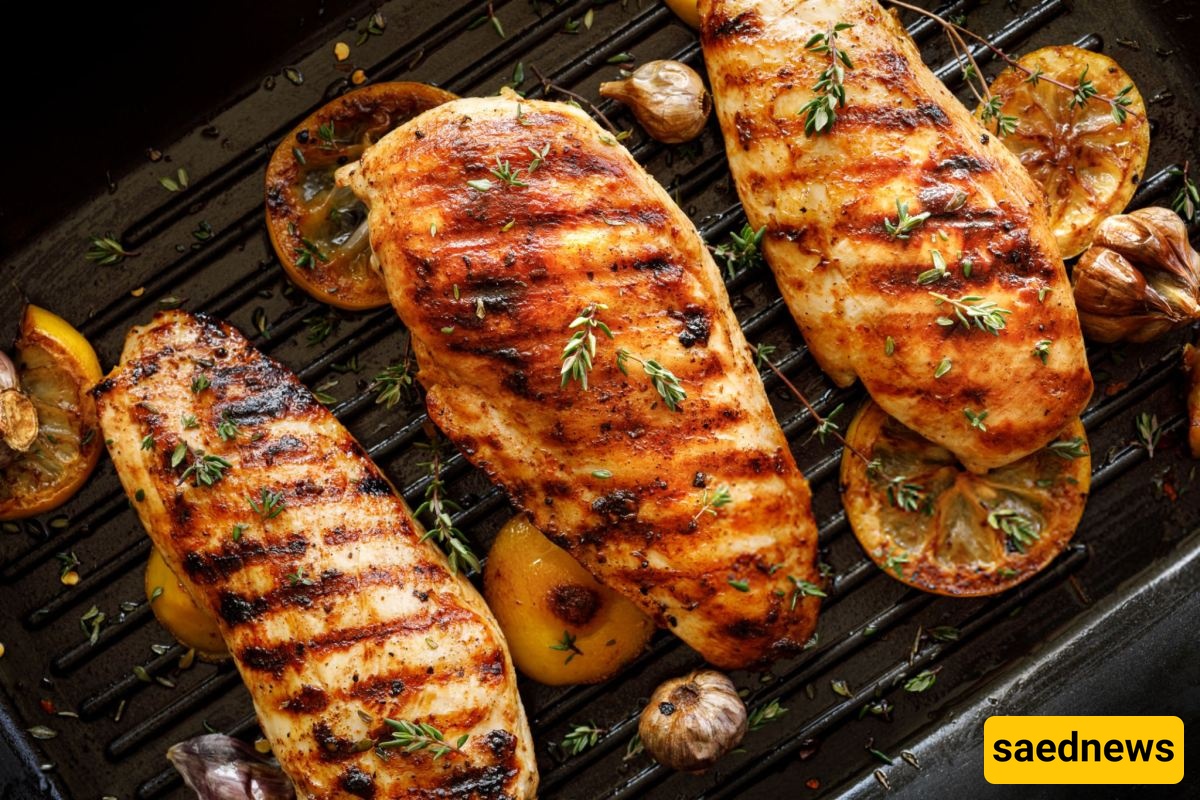
However, if chicken is the only main course and there are very few side dishes, consider increasing the amount to 2.5–3 kg of boneless chicken.
When planning a party, it is usually a good idea to prepare slightly more chicken than you would for an ordinary family meal. Guests may have different appetites, and some may want a second serving.
As a general guideline, prepare 10–20% more chicken than the standard amount. For buffet-style gatherings, consider increasing the quantity by 20–30%.
For a party of 10 people:
If chicken is one of several main dishes, 1.5–2 kg of boneless chicken should be sufficient.
If chicken is the main attraction, prepare 2.5–3 kg of boneless chicken or 3–3.5 kg of bone-in chicken.
For a gathering of 20 people, plan on approximately 4–5 kg of boneless chicken or 6–7 kg of bone-in chicken.
If you are also serving kebabs, rice, salads, and desserts, you may be able to reduce the boneless chicken quantity to 3–4 kg.
Consider the variety of dishes: The more food options you offer, the less chicken each guest is likely to eat.
Know your guests: Increase the quantity if you expect guests with larger appetites or a group of young adults.
Consider the meal time: Dinner portions may be slightly larger than lunch portions.
Choose the serving style: Buffet-style meals can encourage guests to take larger portions.
Plan for useful leftovers: Cooked leftover chicken can be refrigerated for later meals or frozen for future use.
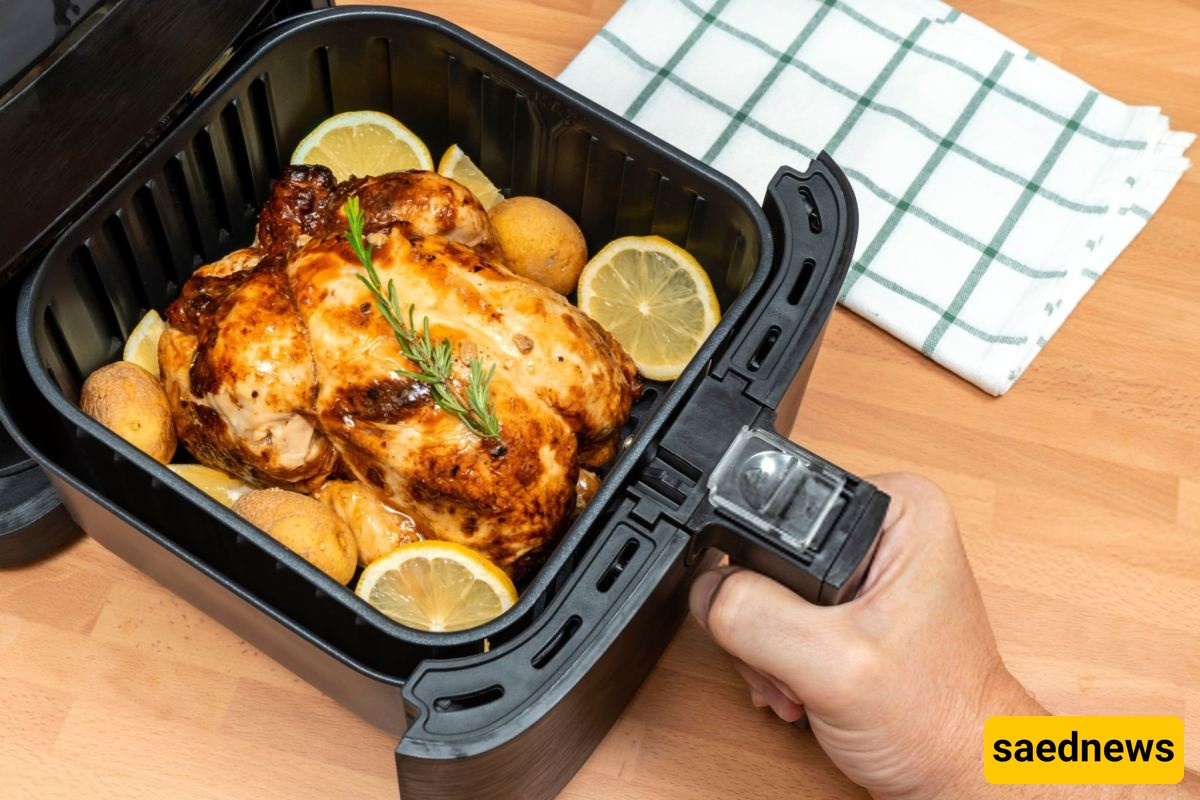
Chicken portion sizes vary depending on the recipe and how the dish is served.
If you are serving chicken breast or thighs with rice, 150–200 g of boneless chicken per person is generally sufficient.
For bone-in chicken, allow approximately 250–300 g per person.
For a traditional dish such as barberry rice with chicken, one whole chicken thigh or drumstick per person is a common serving. This typically weighs around 250–300 g before cooking.
For stews such as chicken khoresh, celery stew with chicken, or Fesenjan, chicken is only one component of the dish.
Allow approximately 100–150 g of boneless chicken per person, particularly when the recipe includes other sources of protein or substantial ingredients.
Chicken is generally used as a flavoring ingredient and a smaller component of chicken soup and Ash.
Approximately 50–80 g of shredded or chopped chicken per person is sufficient.
If chicken soup is being served as the main course, increase the quantity to 100–120 g per person.
For chicken kebabs, plan on approximately 200–250 g of raw boneless chicken per person.
This slightly larger portion accounts for moisture loss during grilling.
If chicken kebabs are served alongside ground meat kebabs or other grilled meats, 150–180 g per person should be enough.
For chicken sandwiches, approximately 100–150 g of cooked or grilled chicken per person is sufficient.
If sandwiches are served with French fries and salad, you may be able to use even less.
Chicken is one of several ingredients in chicken salad, so smaller portions are usually adequate.
Allow approximately 80–120 g of cooked, chopped chicken per person.
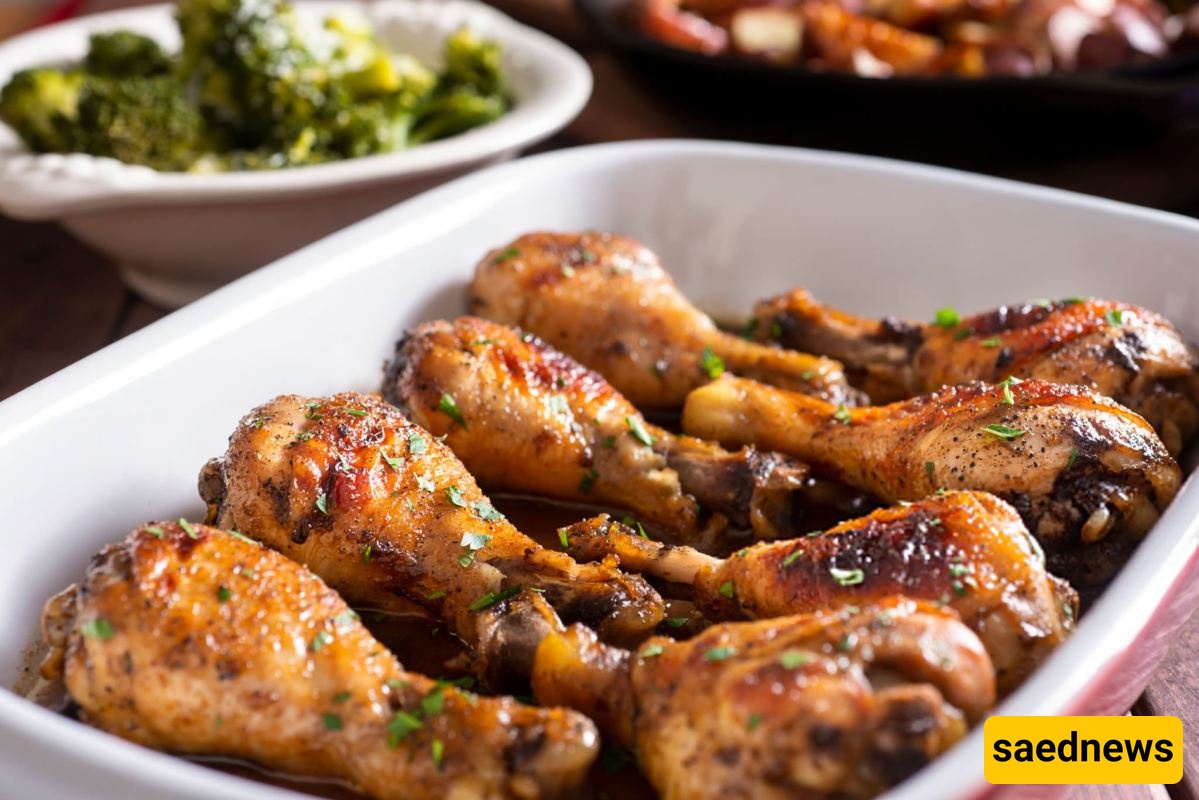
Children under six generally need around half an adult portion. Children between six and twelve typically need approximately two-thirds of an adult portion.
Teenagers and young adults may have larger appetites and require 250 g or more of boneless chicken.
Older adults and people with lower activity levels may be satisfied with smaller portions.
People who exercise regularly or have physically demanding jobs may require more protein.
For these individuals, 200–250 g of boneless chicken per meal may be appropriate.
Less active individuals may be satisfied with 120–150 g.
People following high-protein or low-carbohydrate eating patterns may choose larger chicken portions, sometimes around 200–250 g per meal.
For a typical balanced diet, 150–180 g of raw chicken is often sufficient.
Chicken portions can vary depending on whether it is served for breakfast, lunch, or dinner.
Dinner portions may be slightly larger, while breakfast portions are generally smaller and often included in breakfast sandwiches.
If you are serving chicken with plenty of rice, potatoes, bread, pasta, or salad, you can reduce the chicken portion.
If chicken is the only substantial main dish, plan for a larger serving.
Cooking methods influence how much chicken you need.
Grilling and roasting can cause greater moisture loss, making larger raw portions useful.
Boiling, steaming, and stewing generally retain more moisture, so smaller quantities may be sufficient.
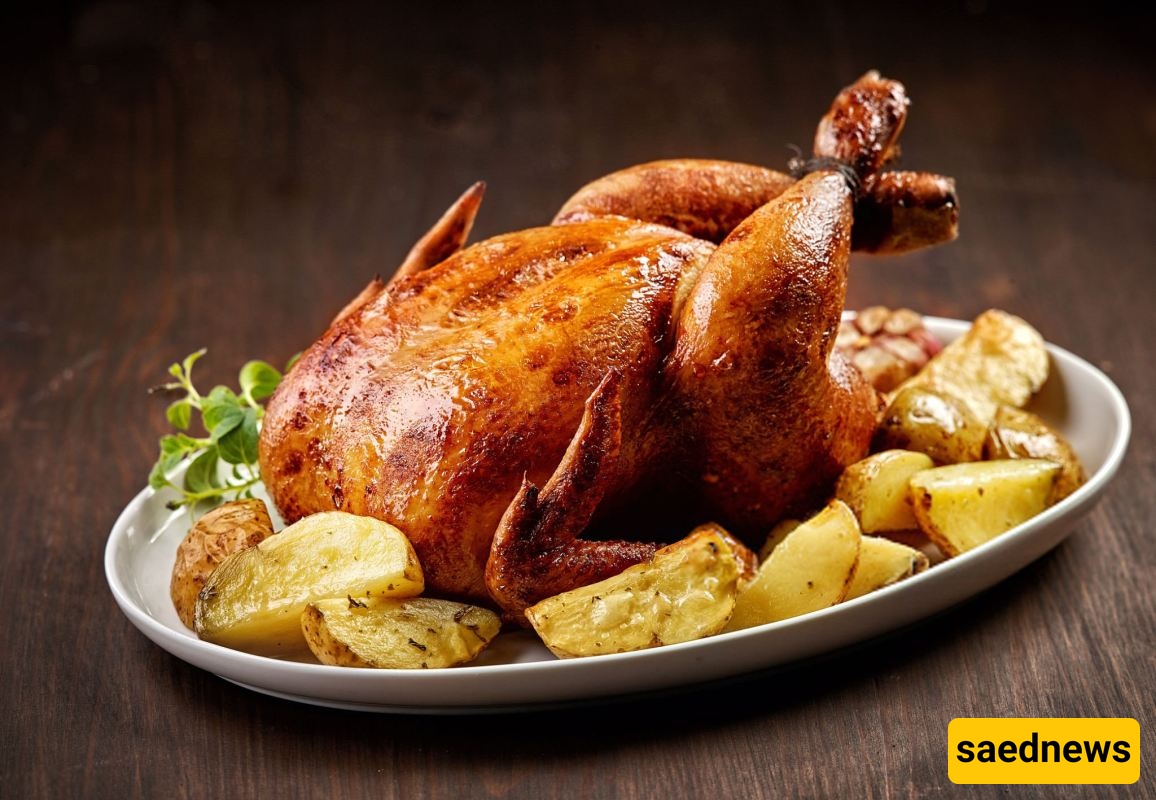
Skinless, boneless chicken breast is almost entirely edible.
Allow 150–200 g of raw chicken breast per person. After cooking, this typically yields around 110–150 g.
Boneless chicken thighs contain slightly more fat than chicken breast and can make a more filling meal.
Allow 180–220 g of boneless thighs per person.
For bone-in thighs, increase the amount to 250–300 g per person.
Drumsticks are commonly served whole, with the bone intact.
One or two drumsticks per person are generally sufficient, depending on their size. A raw drumstick typically weighs around 100–150 g.
Chicken wings are often served as appetizers or alongside other chicken cuts.
Plan on approximately 4–6 wings per person.
If wings are the only main course, you may need to serve more.
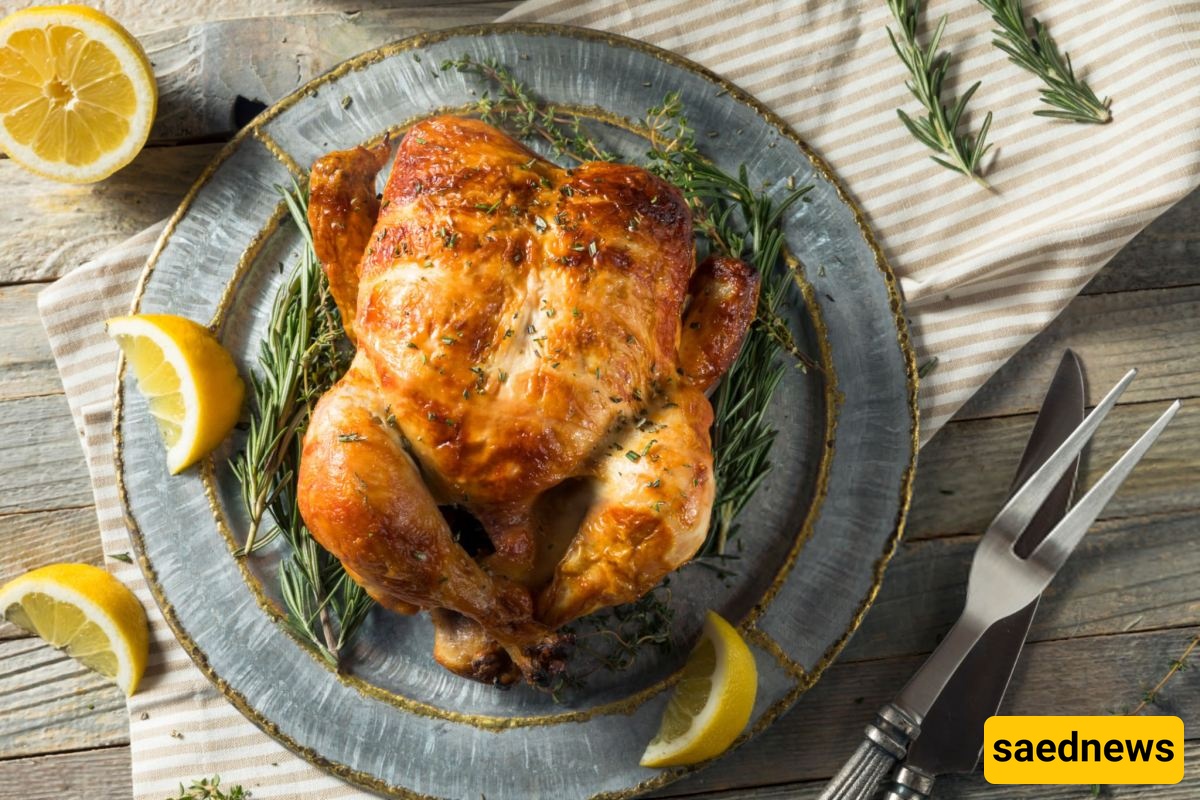
A whole chicken includes bones, skin, and internal organs.
Approximately 500–600 g of edible meat can be obtained from every kilogram of whole chicken.
Allow 350–450 g of raw whole chicken per person.
For a family of four, a whole chicken weighing approximately 1.5–1.8 kg is a suitable choice.
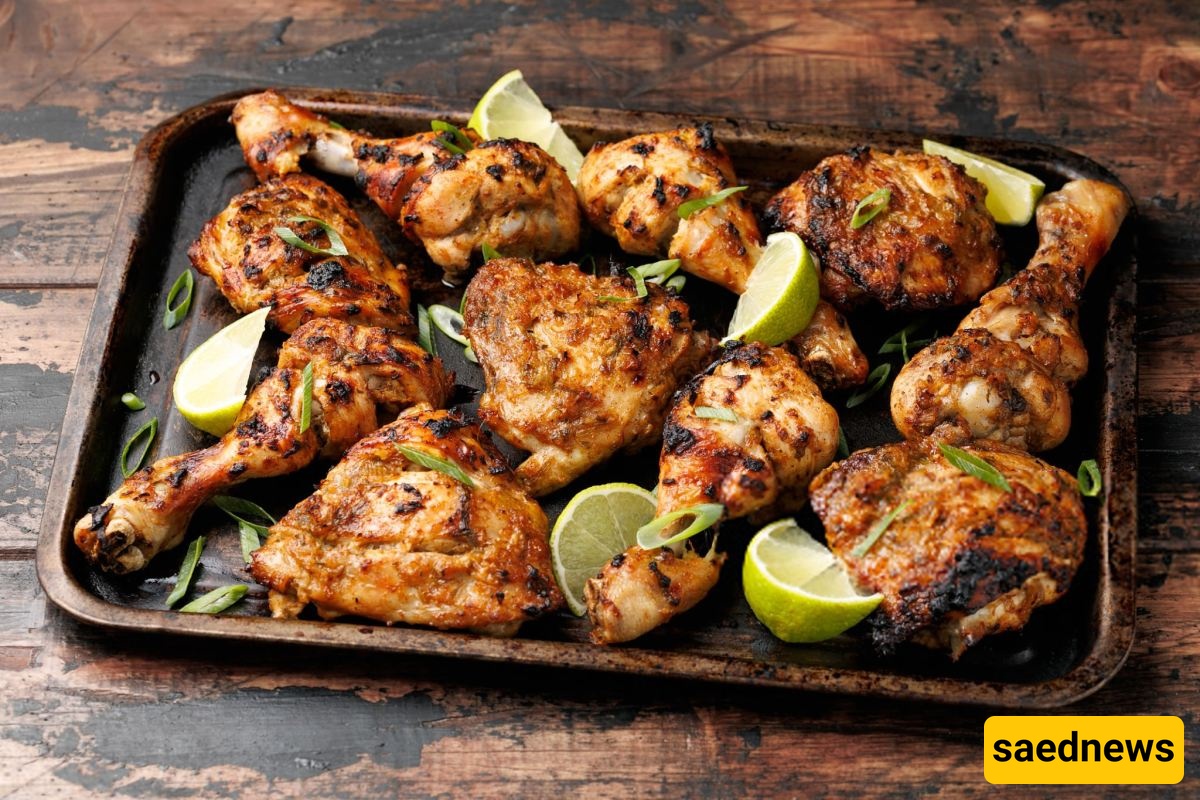
For a balanced diet, a typical serving of chicken provides approximately 20–30 g of protein.
Since protein also comes from other foods, including dairy products, legumes, and eggs, 150–180 g of raw chicken per meal is generally a reasonable portion.
Athletes and people aiming to build muscle may need additional protein.
A portion of 200–250 g of raw chicken per meal may be suitable. However, the ideal amount depends on body weight, activity level, and individual nutritional requirements.
Protein can help promote fullness and support muscle maintenance during weight loss.
A portion of 150–200 g of raw chicken breast per meal can be a suitable option, particularly when paired with vegetables and a moderate amount of carbohydrates.
These portion recommendations do not apply to people who do not eat chicken.
However, individuals who are reducing their meat consumption but occasionally include chicken in their meals may find that 100–150 g per serving is sufficient.
For most adults, 150–200 g of raw boneless chicken or 250–300 g of raw bone-in chicken is a practical starting point for a main meal.
For parties and larger gatherings, adjust the quantity based on the number of guests, their appetites, the variety of dishes, and the serving style.
Planning your chicken portions in advance makes grocery shopping easier, helps prevent food waste, and ensures that everyone has enough to enjoy their meal.