SAEDNEWS: Gentle exposure, family modeling, and child-friendly preparation can help make vegetables a more familiar part of a child’s meals.

According to SAEDNEWS, children may need repeated, pressure-free exposure to vegetables before they become comfortable with their taste, texture, or appearance. Rather than forcing a child to finish vegetables, parents can create positive opportunities to see, smell, touch, and taste different varieties.
A large serving of an unfamiliar vegetable can feel overwhelming. Begin with a small amount alongside foods the child already enjoys. This makes the new food less intimidating and gives the child an opportunity to try it without pressure.
It can also help to offer vegetables in different forms. A child who refuses cooked carrots, for example, may be more willing to try thinly sliced or grated carrots. Texture can make a significant difference in how children respond to food.
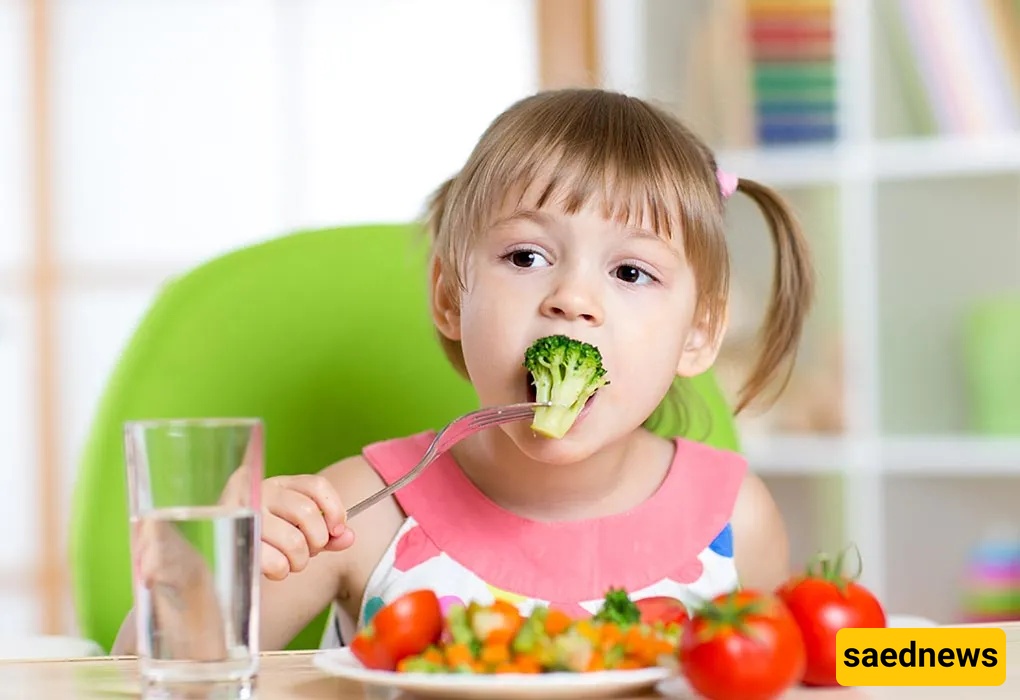
Involving children in simple food-related tasks can make vegetables more familiar. Depending on their age, they can:
Choose a vegetable at the store or market
Wash vegetables
Arrange vegetable pieces on a plate
Help mix ingredients
Pick between two vegetable options at mealtime
Giving limited choices can help children feel involved without turning the meal into a negotiation.
Refusing a vegetable once does not necessarily mean a child will always dislike it. Taste preferences can change as children become more familiar with foods. Parents can continue offering a rejected vegetable at different meals while avoiding pressure, punishment, or rewards for eating it.
A calm approach is especially useful. Comments such as “You don't have to eat it, but it is here if you want to try it” can keep mealtimes more relaxed than insisting that a child take several bites.
Children often learn by watching the people around them. When parents and other family members regularly eat vegetables and speak about food neutrally, vegetables can become a normal part of family meals rather than something reserved specifically for children.
Try serving vegetables in ordinary family dishes, such as vegetable soups, rice dishes, omelets, homemade sandwiches, or mixed salads. The goal is not to hide vegetables but to make them a familiar part of everyday eating.
There is no need for every meal to contain a large selection of vegetables. A practical approach is to gradually introduce different colors, textures, and types. Some children may prefer crunchy vegetables, while others may accept softer cooked options.
If a child's eating is extremely limited, causes significant concern about growth or nutrition, or involves persistent difficulty with chewing or swallowing, discussing the situation with a pediatrician or qualified dietitian can help identify an appropriate approach.