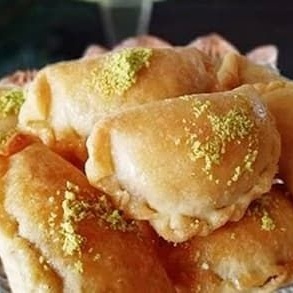
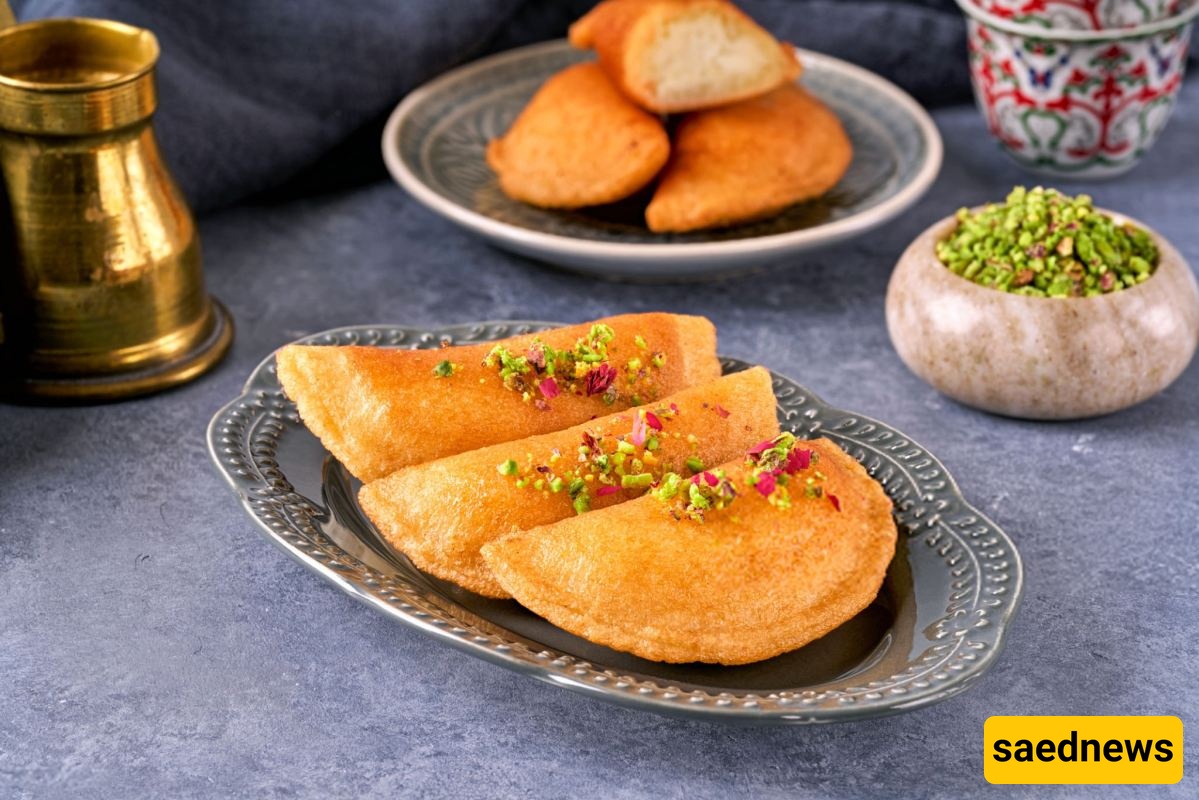
SAEDNEWS: Qotab is a traditional Iranian pastry filled with a rich nut mixture, coated in powdered sugar, and commonly enjoyed alongside a cup of tea.

According to Saednews, Qottab is a traditional Iranian pastry filled with a delicious nut mixture and coated with powdered sugar after cooking. It is usually served alongside tea and is especially popular in cities such as Yazd, Kerman, and Isfahan. This fragrant pastry is often prepared by Iranian families for special occasions, particularly Yalda Night and Nowruz (Persian New Year).
In this recipe, we prepare the Qottab dough using yogurt, butter, and egg yolks, then fill it with a flavorful mixture of walnuts, cardamom, cinnamon, and powdered sugar. The traditional method involves deep-frying the pastries in oil. However, we have also included an oven-baked version so you can choose the method you prefer.
2 level cups pastry flour (approximately 250 g)
2 egg yolks
½ cup plain, thick, full-fat yogurt (approximately 115 g)
100 g softened butter
1 teaspoon baking powder
A pinch of vanilla powder
Powdered sugar for coating, as needed
1 cup chopped walnuts (approximately 100 g)
½ cup powdered sugar
½ teaspoon ground green cardamom
½ teaspoon cinnamon
1 tablespoon brewed saffron (optional)
Before preparing Qottab, keep a few essential tips in mind to ensure the best results.
1. Choose the right flour
Use pastry flour or flour with a medium protein content. Strong flour can make the dough tough and rubbery, while very weak flour may produce dough that is too soft. For fried pastries, flour with approximately 9–11% protein is generally a good choice.
2. Use room-temperature ingredients
The butter should be softened but not melted. Take the egg yolks and yogurt out of the refrigerator about 30 minutes before starting. Cold ingredients can prevent the dough from becoming smooth and may cause the pastries to absorb more oil during frying.
3. Pay attention to moisture
Thick yogurt, such as Greek-style or strained yogurt, works best because it contains less moisture and makes the dough easier to handle. If your yogurt is too watery, place it in a clean cheesecloth or strainer and refrigerate it for a few hours to remove excess liquid. This helps prevent sticky dough.
4. Prepare the filling properly
Use fresh walnuts and chop them into small pieces. Old or finely grated walnuts can give the filling an unpleasant taste and texture. Grind the cardamom and cinnamon fresh whenever possible to preserve their aroma. If using saffron, steep it in a little warm water beforehand to release its color and fragrance.
First, beat the softened butter with an electric mixer or by hand for 2–3 minutes until it becomes creamy and smooth.
Add the egg yolks one at a time, beating well after each addition until fully incorporated. Add the vanilla as well.
Next, add the yogurt and gently mix it into the ingredients using a mixer or spatula. There is no need for vigorous mixing; simply combine everything until smooth.
Sift the flour and baking powder together, then gradually add them to the mixture. Use a spoon or spatula to fold the ingredients together until the flour is absorbed.
Avoid kneading the dough for too long or too vigorously, as this activates the gluten and makes the pastry tough. Excessive kneading develops a strong gluten network, making the dough more resistant to stretching and resulting in a firmer texture.
The finished dough should be soft, smooth, and slightly sticky, but firm enough to shape.
If the dough is too sticky, add 1 tablespoon of flour and mix just until incorporated.
If the dough is too firm, add 1 tablespoon of yogurt.
Shape the dough into a ball, cover it with a clean cloth or plastic wrap, and refrigerate for at least 30 minutes.
This resting period allows the gluten to relax and the flour to absorb moisture, making the dough easier to roll out.
While the dough is resting, prepare the filling.
Place the chopped walnuts in a bowl. Add the powdered sugar, cardamom, and cinnamon, then mix thoroughly.
If you are using brewed saffron, add it as well. Stir everything together with a spoon or your fingertips until evenly combined.
The filling should be slightly moist and sticky, but not wet or dough-like.
If the filling is too dry, add 1 teaspoon of water or rosewater.
If it is too wet, add a little more powdered sugar or chopped walnuts.
It is best to prepare the filling in advance and set it aside so the dough does not dry out while shaping the pastries.
You can also roll the filling into small balls, approximately the size of a hazelnut or small walnut. This makes the shaping process faster and ensures that all the pastries have an equal amount of filling.
Remove the rested dough from the refrigerator.
Lightly flour your work surface and roll out the dough to approximately 3–4 mm thick. Use a rolling pin and apply even pressure.
Do not roll the dough thinner than 2 mm, as it may tear during frying and allow the filling to escape. Dough that is too thin can also produce dry and brittle pastries.
Using a round cookie cutter or a wide glass, cut the dough into circles approximately 6–7 cm in diameter.
Set aside half of the circles for the bottom layers and the other half for the tops.
Place a small ball of filling in the center of each bottom circle. Lightly moisten the edges with water or egg yolk.
Place another dough circle on top and press the edges firmly together using your fingers or a fork until completely sealed.
Properly sealing the edges is essential. If they are not sealed well, oil may enter during frying and the filling may leak out.
For a more attractive appearance, decorate the edges with a fork or a special pastry mold.
Some people also make a few tiny holes on top of each Qottab using the tip of a knife or a skewer to release steam. This helps prevent excessive puffing. However, make sure the holes are very small so the filling does not escape.
Prepare the oil in a deep frying pan or small saucepan. The oil should be at least 3–4 cm deep.
The ideal frying temperature is approximately 160–170°C (320–338°F).
If the oil is too cool, the pastries absorb too much oil and become heavy.
If the oil is too hot, the outside will brown too quickly while the inside remains undercooked.
If you do not have a kitchen thermometer, drop a small piece of dough into the oil. If it rises at a moderate speed and small bubbles form around it, the oil is ready.
Carefully place the Qottab pastries into the hot oil, leaving enough space between them.
Fry each side for approximately 2–3 minutes until golden brown. Avoid turning or moving them too frequently.
Once cooked, remove the pastries with a slotted spoon and place them on paper towels or a clean cloth to absorb excess oil.
Allow them to cool slightly, then roll them in powdered sugar until completely coated.
If you prefer to use less oil or avoid deep-frying, you can bake Qottab in the oven.
Prepare the dough and filling exactly as described above, then shape the pastries in the same way.
Line a baking tray with parchment paper and arrange the Qottab pastries on it, leaving some space between them.
Brush the tops with a little egg yolk or milk mixed with saffron to give them a beautiful golden color.
Preheat the oven to 180°C (356°F).
Place the tray on the middle rack and bake for approximately 15–20 minutes, or until the pastries become golden and slightly puffed.
Baking time may vary depending on the thickness of the dough and your oven.
Oven-baked Qottab has a slightly drier, more biscuit-like texture than the fried version, but contains significantly less oil.
Remove the pastries from the oven and allow them to cool slightly before coating them with powdered sugar.
Make sure the edges are properly sealed before baking; otherwise, the filling may leak out during cooking.
To achieve the best flavor and texture, keep these practical tips in mind.
1. Avoid adding too much sugar to the dough.
You can skip powdered sugar in the dough or use very little. The main sweetness of Qottab comes from the filling and the final powdered sugar coating. Adding too much sugar to the dough can make the overall flavor unbalanced.
2. Store the pastries properly.
After coating the Qottab with powdered sugar, place them in an airtight container. This prevents the powdered sugar from absorbing moisture and helps maintain their beautiful appearance for several days.
Leaving them uncovered may cause the powdered sugar to dissolve and lose its attractive finish.
3. Add rosewater for extra fragrance.
For a more traditional Persian aroma, add a little rosewater to the walnut filling. Rosewater pairs wonderfully with walnuts and cardamom, giving the pastries a distinctive Persian flavor.
Be careful not to add too much, as excess liquid can make the filling too soft.
4. Keep the pastries uniform in size.
If you want your Qottab to look neat and professional, use the same cookie cutter for all the dough circles. This ensures evenly sized pastries that look beautiful on a serving platter.
One of the most common mistakes is over-kneading the dough, which makes the pastries tough and firm.
Another mistake is frying the pastries at the wrong oil temperature. Oil that is too cool causes excessive absorption, while oil that is too hot burns the outside before the inside is fully cooked.
Poorly sealed edges can also cause the filling to leak out during frying, ruining the appearance of the pastries.
Finally, never skip the dough-resting stage. Many people overlook this important step, resulting in dough that is difficult to roll out and pastries that crack during shaping.
Homemade Qottab can be stored in an airtight container at room temperature for approximately one week.
If you want to keep it fresh for longer, store it in the refrigerator. Before serving, allow the pastries to return to room temperature so they can soften slightly.
Qottab is traditionally served with Persian tea or a refreshing syrup drink.
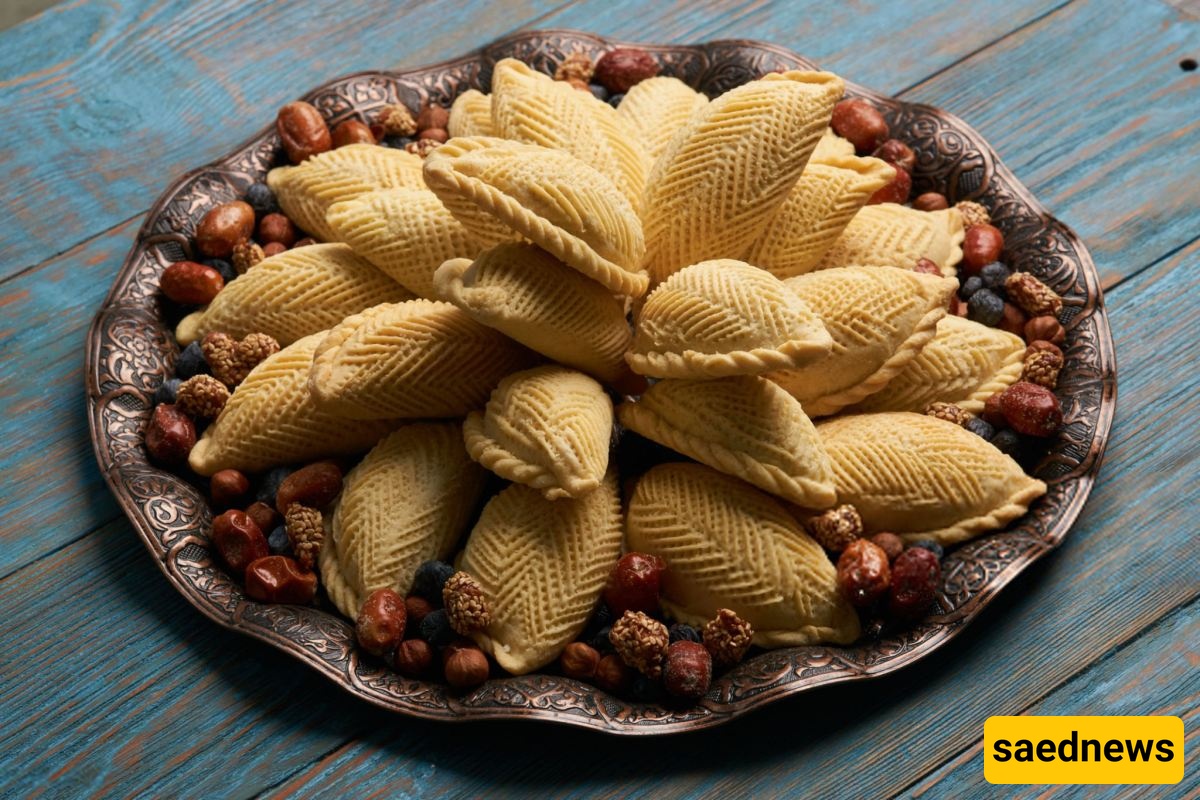
You can also arrange it on a beautiful serving platter alongside other traditional Persian sweets, such as Baklava and Nan-e Berenji (Persian rice cookies), for an elegant and delicious presentation.