SAEDNEWS: Simple games involving movement, balance, coordination, and hand use can give children enjoyable opportunities to develop motor skills through active play.
According to SAEDNEWS, play provides children with natural opportunities to practice the movements they use in everyday activities. Different games can support gross motor skills, which involve larger body movements, as well as fine motor skills, which require controlled movements of the hands and fingers. The best activities are usually enjoyable, age-appropriate, and easy to adapt to a child’s abilities.
Gross motor development can be encouraged through games that involve running, jumping, balancing, throwing, and changing body position. Parents can try activities such as:
Obstacle courses: Create a simple course using cushions, safe objects, or marked areas for children to walk around, step over, or crawl through.
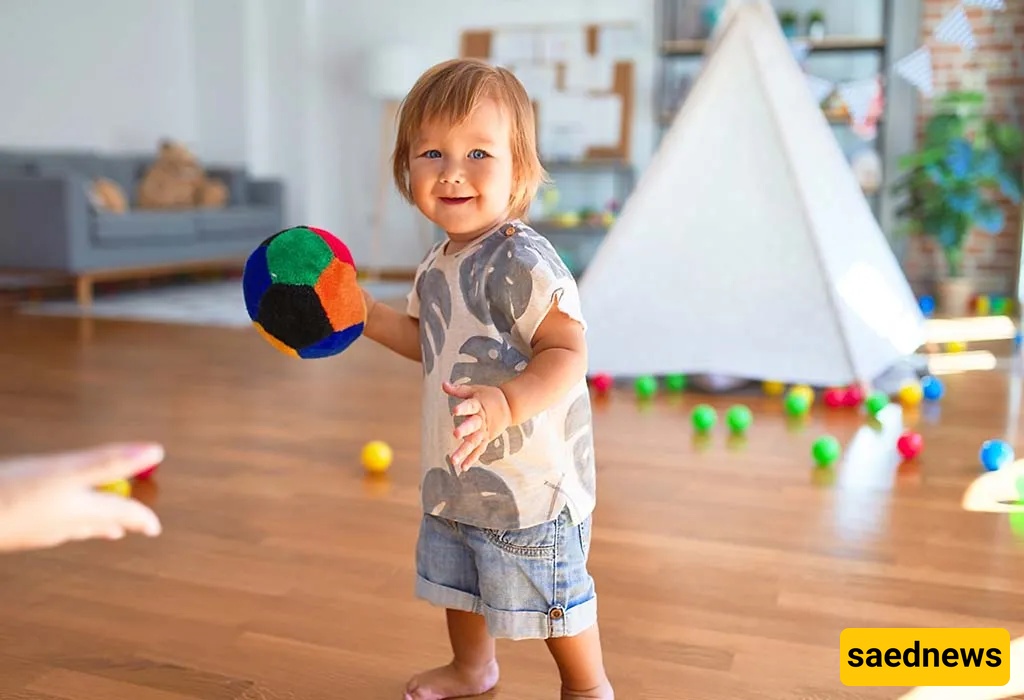
Ball games: Rolling, throwing, catching, and kicking a soft ball can encourage coordination and body control.
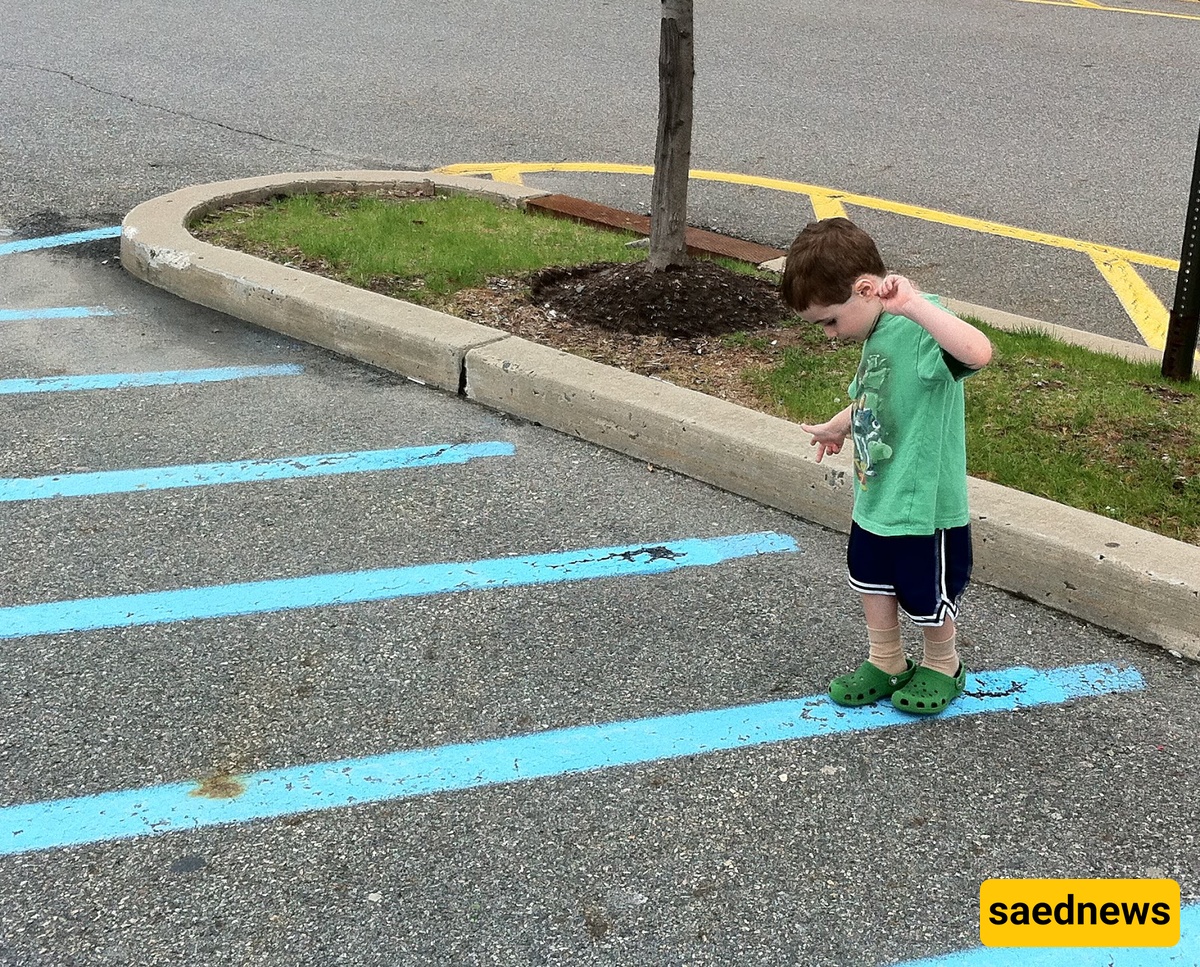
Balance games: Walking along a line marked on the floor or stepping between safe targets can give children opportunities to practice balance.
Animal walks: Moving like a bear, duck, or another familiar animal can make different body movements more engaging.
Jumping games: Jumping over lines or between designated spots can help children practice leg control and coordination.
These activities do not need to be competitive. Allowing children to repeat movements at their own pace can make play more comfortable and enjoyable.
Fine motor skills are involved in tasks such as holding a pencil, using utensils, fastening clothing, and manipulating small objects. Play ideas include:
Building with blocks: Picking up, positioning, and connecting blocks requires hand and finger control.
Simple puzzles: Fitting pieces together encourages visual-motor coordination and controlled hand movements.
Drawing and coloring: Using crayons or pencils gives children practice with grasp and hand control.
Sorting games: Moving and grouping safe objects according to shape, size, or color can involve precise finger movements.
Playdough activities: Rolling, pressing, flattening, and shaping playdough can provide varied hand movements.
Children can also develop motor skills without following a formal exercise routine. A game of throwing a soft ball into a target, helping build a tower, dancing to music, or carrying lightweight objects during supervised play can provide useful movement practice. The activity should match the child's developmental level, and small objects that could pose a choking risk should be kept away from young children.
The goal is not to make every game a skills lesson. Children benefit from having time to move, experiment, repeat actions, and choose activities they enjoy. If a child consistently has significant difficulty with movements expected for their age, loses previously acquired skills, or causes concern through frequent difficulties with everyday physical tasks, parents can discuss those concerns with a pediatrician or another qualified child-development professional.