SAEDNEWS: How to Safely Store Raw Chicken Kebabs in the Freezer While Preserving Their Quality
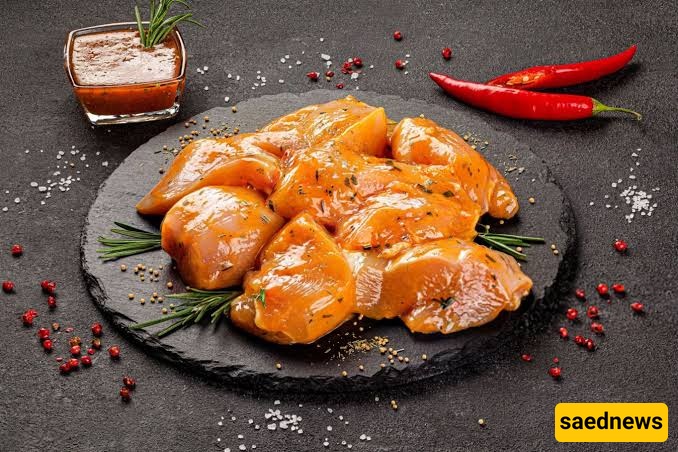
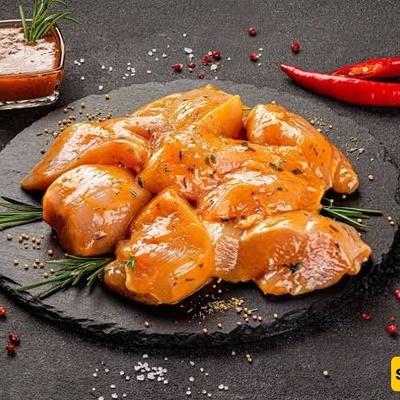
According to Saednews, Many households prepare chicken kebabs in advance by cutting and marinating the chicken, dividing it into ready-to-use portions, and storing them in the freezer. This makes grilling day much easier, leaving only skewering and cooking to be done.
Although this may seem straightforward, the final quality of Joojeh Kabab (Persian chicken kebab) depends on several small but important decisions: how long the chicken has been refrigerated, which ingredients are used in the marinade, how the portions are packaged, and how the chicken is thawed.
If these details are overlooked, the chicken may release excess liquid after thawing, become dry or mushy, or lose the distinctive aroma of saffron and onion.
This guide explains everything you need to know about freezing raw marinated chicken kebabs, following official food safety recommendations. From selecting fresh chicken and preparing the marinade to proper packaging, freezer storage times, thawing methods, and safe cooking, each step is covered in detail.
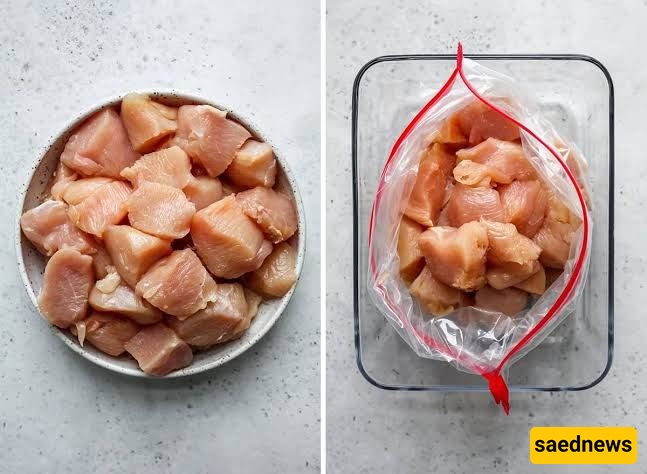
Plain chicken behaves relatively predictably in the freezer. However, marinating introduces three additional factors that can affect the quality of the meat.
1. Excess moisture
Grated onions and yogurt add considerable moisture to the surface and texture of the chicken. When frozen, this moisture turns into ice crystals. During thawing, some of the liquid is released from the meat in a process known in the food industry as drip loss.
The result can be watery chicken with a less concentrated flavor.
2. Salt and acidity
Lemon juice, yogurt, and onions contribute acidity, while salt changes the balance of moisture within the meat.
Leaving chicken in an acidic marinade for too long can excessively soften the surface proteins, resulting in a fragile or mushy texture.
3. Fat and color
Oil and saffron coat the surface of the chicken. Prolonged exposure to air can cause oxidation, which may affect the color, aroma, and overall flavor.
For this reason, marinated chicken kebabs require tighter packaging and more attention to storage quality than plain chicken.
The final quality of frozen chicken kebabs largely depends on the quality of the chicken before freezing.
Follow these recommendations for safe and effective storage:
Buy fresh chicken from a reputable retailer. Check that the packaging is intact and transport it to your refrigerator or freezer without unnecessary delays. Leaving raw chicken in a warm car can compromise food safety before you even begin preparing it.
Maintain the correct temperature. Keep your refrigerator at 40°F (4°C) or below and your freezer at 0°F (-18°C) or below. Using an appliance thermometer is a reliable way to check the actual temperature.
Do not refrigerate raw chicken for too long. According to the USDA cold-storage guidelines, fresh raw chicken, whether whole or cut into pieces, should generally be refrigerated for only 1–2 days. If you plan to prepare Joojeh Kabab several days later, marinate and freeze the chicken on the day of purchase.
Use clean preparation equipment. If cutting the chicken yourself, use a separate cutting board for raw meat and wash your hands thoroughly. After preparation, clean the cutting board, knife, and work surfaces with hot, soapy water.
Prevent cross-contamination. Never place raw chicken on surfaces that will later be used for bread, salad, or other ready-to-eat foods without proper cleaning.
Marinating chicken for immediate cooking is slightly different from preparing it for long-term freezer storage.
The following techniques help preserve the texture and flavor of Persian chicken kebabs.
Keep the initial marinating time relatively short.
If you intend to freeze the chicken, a few hours in the refrigerator is generally sufficient. Leaving chicken in an acidic marinade for one or two days before freezing can negatively affect its texture.
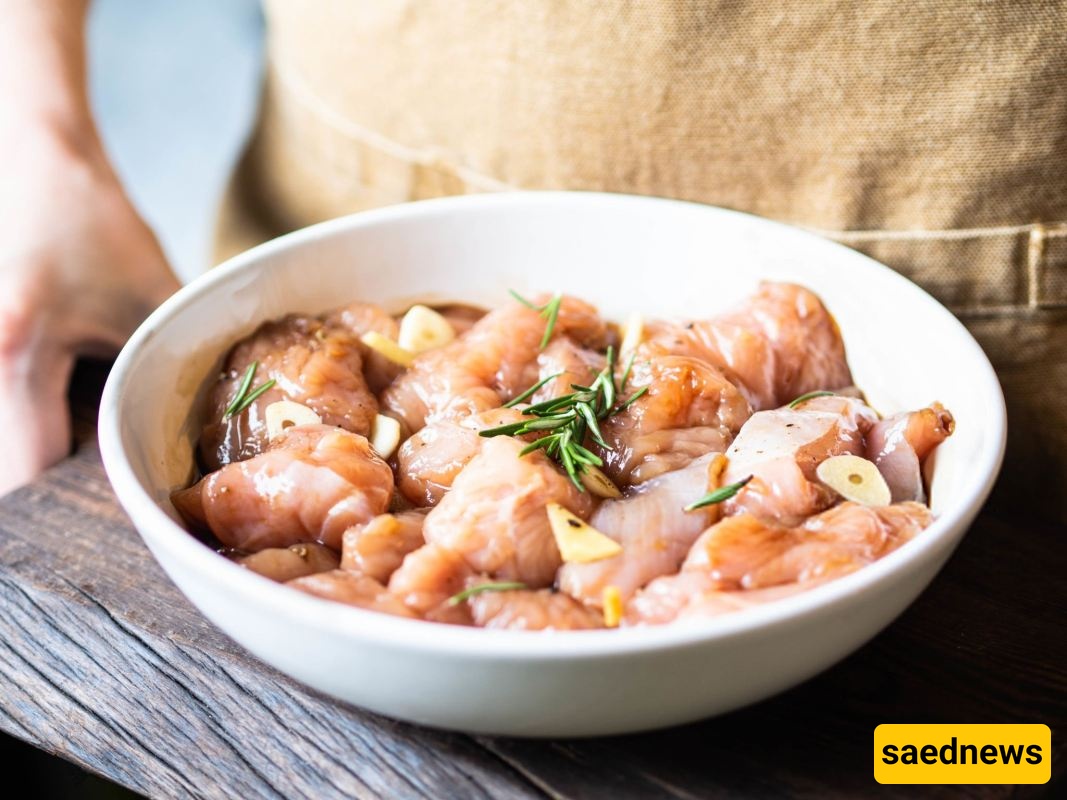
Use salt moderately.
Salt does not protect chicken from freezer damage. Excessive seasoning may also become more noticeable after thawing.
Consider adding some of the salt shortly before cooking instead of putting the entire amount into the marinade.
Remove excess moisture from onions and yogurt.
If using grated onions, gently squeeze out the excess liquid before adding them to the chicken.
Whenever possible, use thick Greek-style or strained yogurt instead of regular yogurt. This reduces free moisture and helps limit the formation of large ice crystals.
Prepare the marinade in two separate portions.
Use one portion to marinate the raw chicken and reserve the other separately in the refrigerator for brushing or serving during grilling.
Never reuse marinade that has touched raw chicken unless it has first been brought to a full boil.
Choose fresh, high-quality ingredients.
Freshly brewed saffron, freshly ground black pepper, and good-quality cooking oil help maintain the characteristic aroma and flavor of Joojeh Kabab.
If there is one thing to remember when freezing marinated chicken kebabs, it is this: proper packaging makes a significant difference in preserving moisture, flavor, and texture.
1. Divide the chicken into individual portions.
Avoid freezing large quantities in one container. Instead, divide the chicken into portions based on the number of servings you typically prepare.
This prevents unnecessary thawing and refreezing.
2. Remove as much air as possible.
Air trapped inside packaging is one of the main causes of freezer burn and surface dehydration.
Use freezer-safe bags and remove as much air as possible before sealing them.
A vacuum sealer is an excellent option, although care should be taken when vacuum-sealing marinated chicken to prevent liquid from being drawn into the machine.
3. Use shallow containers.
Arrange the chicken pieces in one or, at most, two layers inside a shallow container.
Thin, flat packages freeze faster and generally thaw more evenly than thick packages.
4. Avoid unsuitable glass containers.
Acidic marinades and freezing temperatures can damage glass containers that are not designed for freezer use.
Freezer-safe plastic containers or heavy-duty resealable freezer bags are better alternatives.
5. Label every package.
Write the following information on each package:
Preparation date
Number of servings or skewers
Type of marinade
This makes it easier to organize your freezer and use older packages first.
According to USDA freezer-storage recommendations, raw chicken pieces can maintain their best quality for approximately 9 months when stored continuously at 0°F (-18°C) or below.
However, this recommendation refers to quality rather than the point at which frozen chicken becomes unsafe.
Chicken that remains continuously frozen at the correct temperature can remain microbiologically safe for much longer, but its flavor, moisture, and texture gradually deteriorate.
It is important to understand that the nine-month recommendation applies to plain raw chicken, not necessarily homemade chicken kebabs marinated with onions, yogurt, and lemon juice.
Official food safety authorities do not provide one universal storage period for homemade marinated chicken because ingredients, preparation methods, and storage conditions vary considerably.
As a practical quality guideline, try to use frozen marinated Joojeh Kabab within 1–3 months.
This period offers a good balance between convenience and maintaining the chicken's original flavor and texture.
If a properly frozen package has been stored for longer than three months, it does not automatically need to be discarded. However, you may notice a reduction in its original quality.
Thawing is just as important as freezing. The wrong method can compromise both food safety and the texture of the chicken.
There are three recommended methods.
Method 1: Thawing in the refrigerator
Safest recommended method
Transfer the frozen package from the freezer to the refrigerator the night before cooking.
Thin packages may thaw within several hours, while thicker portions may require up to 24 hours.
Once thawed in the refrigerator, the chicken should be cooked promptly for the best quality. Properly refrigerated raw chicken that has thawed in the refrigerator can generally remain there for another 1–2 days before cooking, although prompt cooking is preferable for marinated kebabs.
Method 2: Thawing in cold water
Place the chicken in a completely sealed, leak-proof bag and submerge it in a container of cold water.
Change the water every 30 minutes to maintain a safe temperature.
This method is faster than refrigerator thawing, but never use warm or hot water.
Cook the chicken immediately after thawing.
Method 3: Using a microwave
Microwave thawing is suitable only when you intend to cook the chicken immediately afterward.
Microwaves can partially warm certain areas of the meat, creating conditions that encourage bacterial growth if the chicken is left standing.
Transfer the chicken directly to the grill or cooking equipment after thawing.
Thawing methods you should never use
Never thaw frozen chicken:
On the kitchen counter
In the kitchen sink without cold water and proper packaging
In warm or hot water
At room temperature for extended periods
These methods can allow the outer surface of the chicken to enter the temperature danger zone while the center remains frozen.
Bacteria can multiply rapidly under these conditions, increasing the risk of foodborne illness.
Once the chicken has thawed properly, the final step is cooking it safely while preserving its tenderness.
The USDA recommends cooking chicken to an internal temperature of 165°F (74°C).
Use a food thermometer to check the thickest part of the chicken pieces. Avoid touching the metal skewer or bone when taking the measurement.
Do not rely on the color of the chicken alone to determine whether it is fully cooked. Color is not a reliable indicator of food safety.
A few additional precautions will help maintain quality:
Discard excess liquid released during thawing rather than using it as a sauce.
Never reuse marinade that has come into contact with raw chicken unless it has been thoroughly boiled.
Do not place cooked kebabs on the same plate that previously held raw chicken without washing it first.
Clean utensils and preparation surfaces thoroughly after handling raw poultry.
Avoid overcooking the chicken, as excessive heat can make the meat dry and tough.
Freezing raw marinated chicken kebabs is an excellent way to save preparation time and enjoy homemade Persian Joojeh Kabab whenever you want.
The key is to control moisture, avoid excessive marinating, use airtight packaging, maintain the correct freezer temperature, and thaw the chicken safely.
For the best results, divide the chicken into individual portions, remove excess air from the packaging, label each package, and aim to use it within one to three months for optimal quality.
With these simple precautions, you can prepare your chicken kebabs in advance without sacrificing the distinctive saffron aroma, tenderness, and delicious flavor that make Persian Joojeh Kabab so special.