SAEDNEWS: Nutrient-dense foods can help meet the increased energy and nutrient needs of pregnancy while supporting steady energy throughout the day
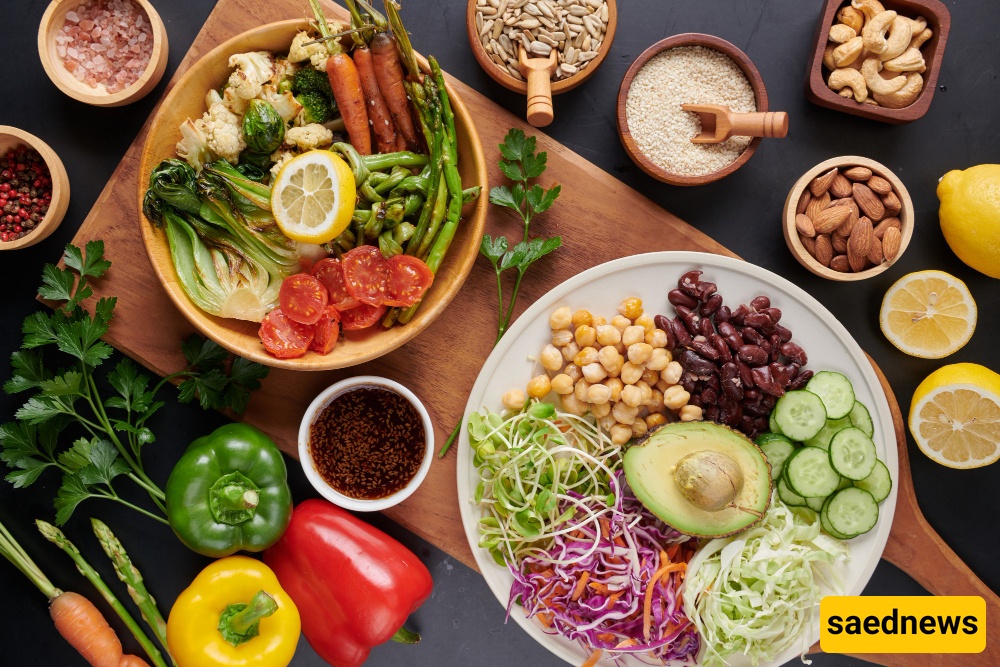
According to SAEDNEWS, feeling more tired during pregnancy is common, particularly as the body undergoes major physical and hormonal changes. Choosing balanced meals and snacks that combine carbohydrates, protein, healthy fats, vitamins, and minerals can help provide sustained energy. Rather than relying on sugary foods for a quick boost, pregnant women can build meals around nutrient-rich options that also contribute to overall nutritional needs.
Several nutritious foods can be included in a pregnancy-friendly eating pattern:
Oatmeal and whole grains: Provide carbohydrates and fiber for a steady source of energy.
Eggs: Offer high-quality protein along with several important nutrients.
Lentils and beans: Supply protein, complex carbohydrates, iron, folate, and fiber.
Bananas and other fruits: Provide carbohydrates, fiber, and a variety of vitamins and minerals.
Nuts and seeds: Contain protein and unsaturated fats that can make snacks more satisfying.
Yogurt and other pasteurized dairy foods: Provide protein and calcium, while also contributing other essential nutrients.
Leafy green vegetables: Add folate, fiber, and other micronutrients to meals.

Energy levels may be easier to maintain when meals contain more than one type of nutrient. For example, oatmeal can be paired with yogurt and fruit, while whole-grain bread can be served with a cooked egg and vegetables. A snack such as fruit with a small portion of nuts can also provide a combination of carbohydrates, fats, and protein.
Iron deserves particular attention during pregnancy because iron needs increase as pregnancy progresses. Foods such as lentils, beans, eggs, and leafy greens can contribute to iron intake. Eating a varied diet helps provide iron alongside other nutrients needed during pregnancy.
Instead of waiting until hunger becomes intense, some pregnant women may find smaller, balanced meals and snacks easier to manage, especially when nausea or reduced appetite makes large meals uncomfortable. Staying adequately hydrated is also important, since fluids are an essential part of maintaining normal body functions.
Persistent or unusually severe fatigue should not automatically be attributed to pregnancy. Conditions such as iron-deficiency anemia can occur during pregnancy and may require assessment by a healthcare professional. A prenatal care provider can determine whether symptoms need further evaluation and whether dietary changes or other measures are appropriate.