SAEDNEWS: Fiber-rich foods, adequate fluids, and balanced meals can help support regular bowel movements and ease occasional constipation.
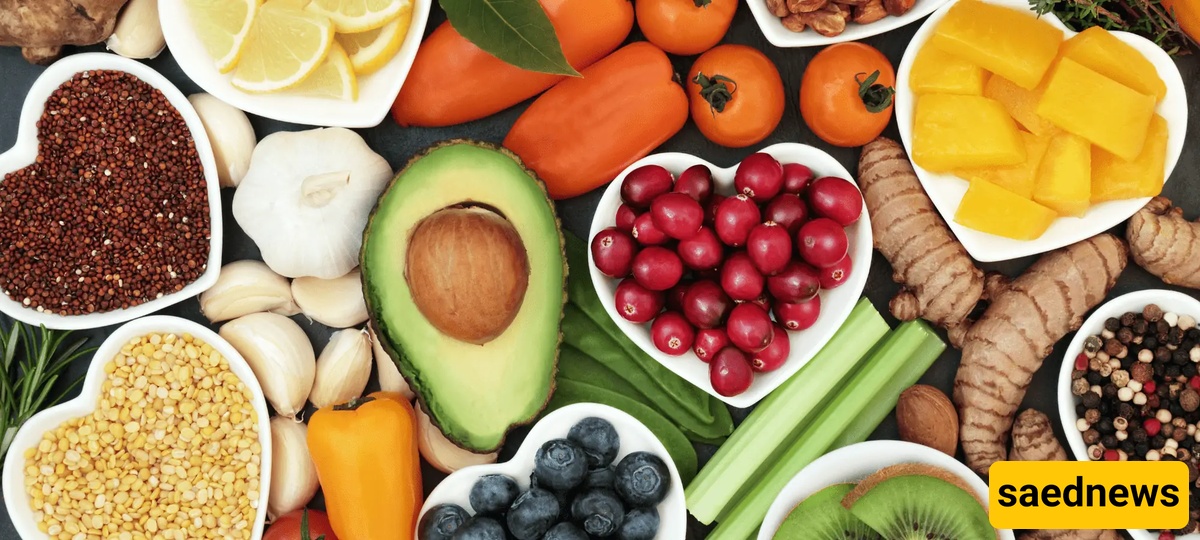
According to SAEDNEWS, constipation can often be influenced by diet, fluid intake, and daily habits. Choosing foods that provide dietary fiber can help add bulk to stool and support its movement through the digestive tract. Gradually increasing fiber while drinking enough fluids may be more helpful than making sudden, large dietary changes.
Several everyday foods can contribute to a fiber-rich diet, including:
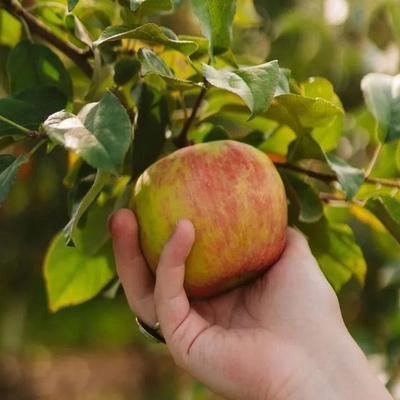
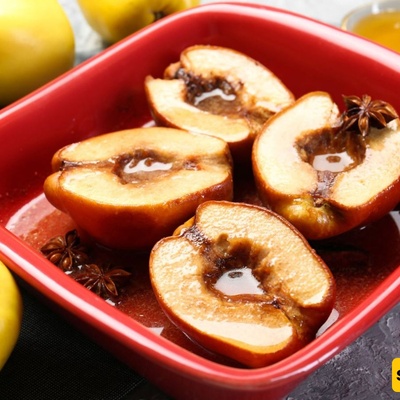
Pears and apples: These fruits provide fiber, particularly when eaten with their edible skin after being washed thoroughly.
Prunes and other dried fruits: Dried fruits contain fiber, and prunes also contain sorbitol, a carbohydrate that can have a stool-softening effect for some people.
Oatmeal and whole grains: Oats, whole-grain bread, and other whole grains provide dietary fiber that supports normal bowel function.
Beans and lentils: These foods are rich in fiber and can be added to soups, stews, or balanced meals.
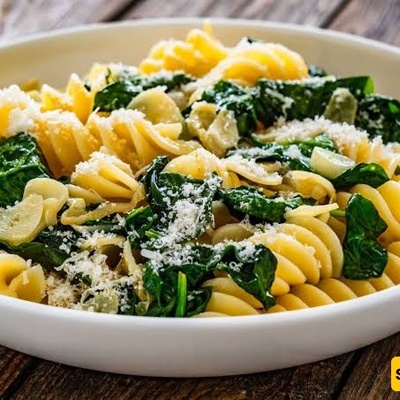
Vegetables: Broccoli, carrots, peas, leafy greens, and other vegetables can increase overall fiber intake.
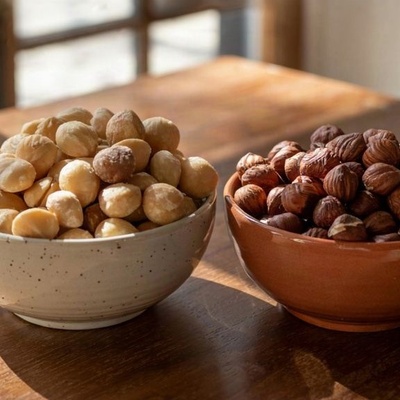
Nuts and seeds: Almonds, chia seeds, and similar foods provide fiber and can be incorporated into meals in moderate portions.
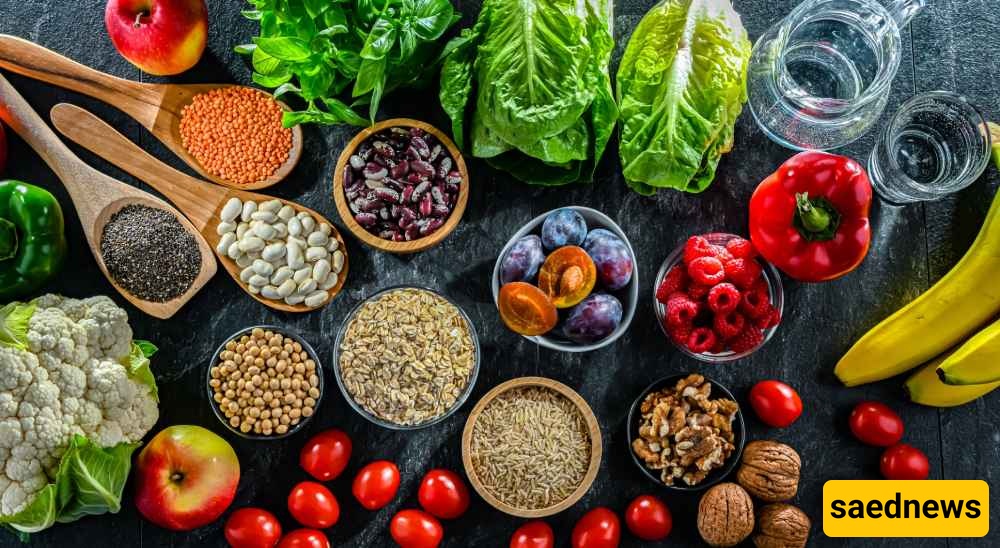
Increasing fiber without adequate fluid intake may make constipation more uncomfortable for some people. Water and other suitable non-alcoholic fluids help the digestive system process fiber effectively. A practical approach is to increase high-fiber foods gradually and maintain regular fluid intake rather than suddenly adding large amounts of fiber.
Instead of relying on one particular food, build meals around several sources of fiber. For example, breakfast can include oatmeal and fruit, while lunch or dinner can contain lentils or beans alongside vegetables and whole grains. Snacks can include fresh fruit or a small portion of nuts. This variety makes it easier to obtain different types of dietary fiber throughout the day.
Constipation that persists, repeatedly returns, or occurs with warning signs such as blood in the stool, unexplained weight loss, severe abdominal pain, vomiting, or a significant change in bowel habits should be discussed with a healthcare professional. Dietary changes may help occasional constipation, but persistent symptoms can have causes that require medical evaluation.