SAEDNEWS: Reheating can change a food’s texture because heat affects moisture, starches, proteins, and the structure of ingredients in different ways.
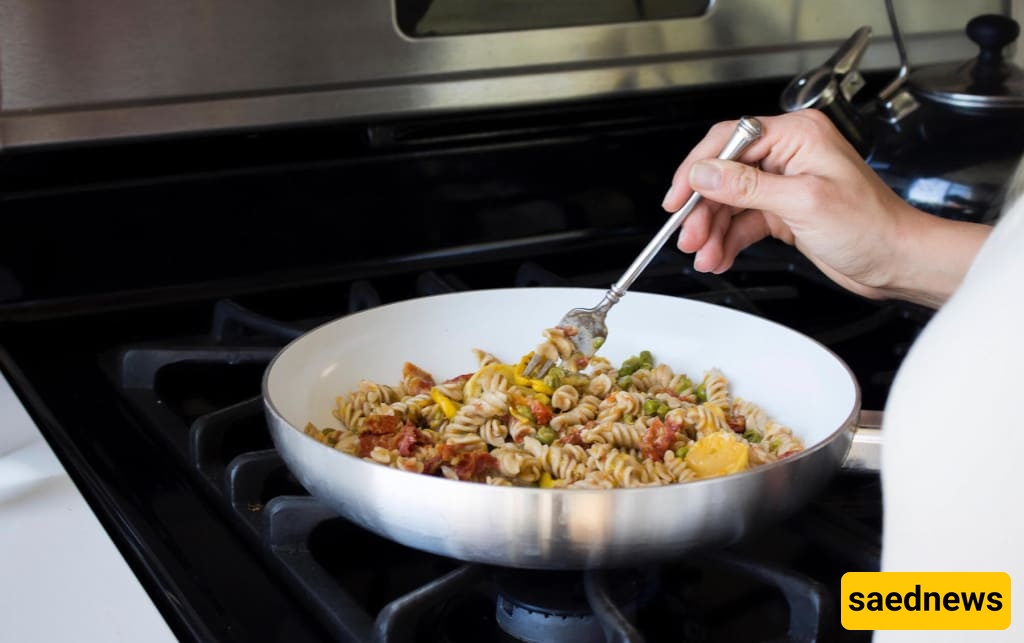
According to SAEDNEWS, a meal can taste familiar after reheating while feeling noticeably different in the mouth. Food does not simply return to its original state when heat is applied again. During cooking and cooling, physical and chemical changes take place, and reheating can alter them further.
One of the main reasons for texture changes is the movement of water. During the first cooking process, heat causes water to move through ingredients and can soften their structure. After the food cools, some of that moisture may redistribute or become trapped in different parts of the dish.
When the food is reheated, water may evaporate from the surface or move again between ingredients. This can leave some foods drier, firmer, or softer than they were when freshly cooked.
Foods containing a lot of starch, such as rice, potatoes, pasta, and some grains, can undergo a process called starch retrogradation as they cool. During this process, starch molecules gradually rearrange and form more ordered structures.
Reheating can soften these structures again to some extent, but it does not necessarily reverse all of the changes. As a result, reheated starchy foods may have a different firmness or chewiness from their freshly cooked versions.
Protein-rich ingredients can also change during reheating. Heat causes proteins to unfold and interact with one another. If a food is heated for too long or at too high a temperature, these changes can make its texture firmer or drier.
This is particularly noticeable in foods where moisture is important to tenderness. Reheating gently and avoiding excessive heat can help reduce unwanted drying.
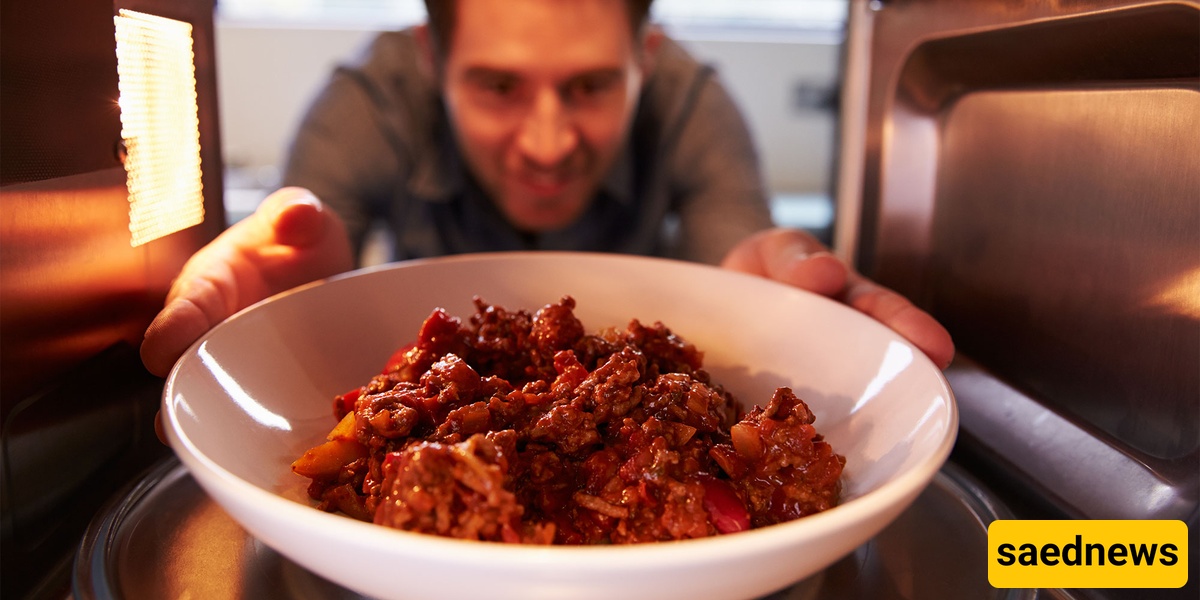
Some dishes contain mixtures of water, fats, starches, and other ingredients that remain relatively stable when freshly prepared. Cooling and reheating can disturb this structure.
For example, a sauce may become thicker after refrigeration and then separate slightly when reheated. The result can be a texture that feels less smooth, even though the basic ingredients have not changed.
The texture after reheating depends on several factors, including:
Water content: Foods with more moisture may lose texture through evaporation.
Starch content: Starchy foods can become firmer after cooling and reheating.
Protein structure: Repeated or intense heating can make proteins tougher.
Fat content: Fat can solidify during cooling and redistribute when heated again.
Cooking method: Microwaving, steaming, baking, and stovetop heating transfer heat differently.
For better results, reheating should generally be gentle and appropriate for the type of food. Adding a small amount of suitable moisture to foods that tend to dry out, covering them when appropriate, and avoiding unnecessary prolonged heating can help preserve their texture.
The change is therefore not necessarily a sign that the food has gone bad. In many cases, it is simply the result of how heat, cooling, moisture, starch, protein, and fat interact during storage and reheating.