SAEDNEWS: Cooling can change a food’s texture, aroma, and the way its flavors are perceived, making certain dishes more enjoyable after they have rested or chilled.
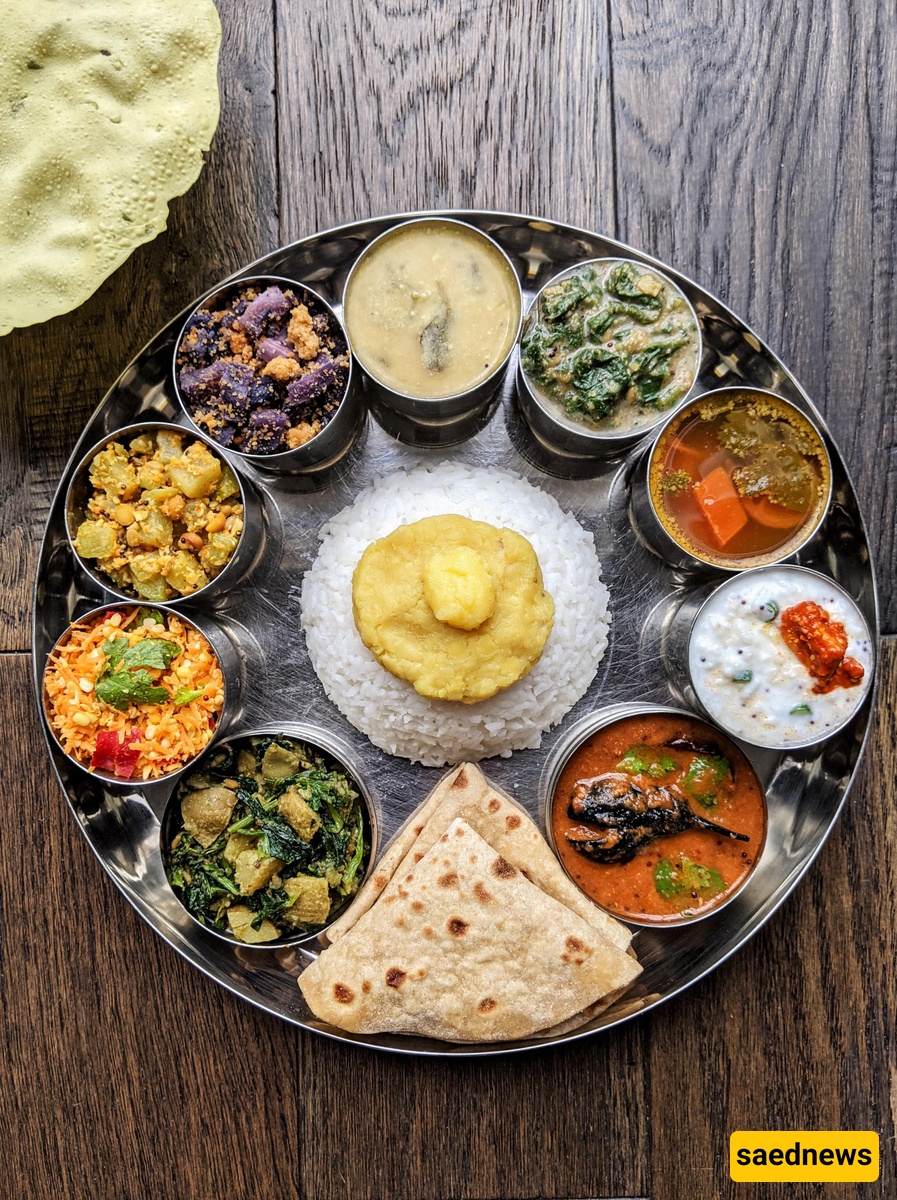
According to SAEDNEWS, the flavor of some foods can actually become more noticeable or balanced after they cool. This does not mean that cold food is always tastier than hot food. Instead, changes in temperature can affect aroma, texture, moisture, and the way the tongue perceives different flavors.
Freshly cooked food often contains intense aromas and flavors. As it cools, some of the strongest volatile compounds become less prominent, allowing other ingredients to stand out. Spices, herbs, vegetables, and seasonings may therefore seem more integrated rather than dominated by the heat and aroma of freshly cooked ingredients.
Cooling can also reduce the perception of certain flavors. For example, sweetness and some strong savory notes may seem less intense at lower temperatures, which can make a dish taste more balanced.

Temperature changes can alter the physical structure of food. Some dishes develop a firmer or thicker texture as they cool, which can change the eating experience.
This is particularly noticeable in foods such as:
Cooked grains and rice-based dishes
Soups and vegetable dishes
Stews
Certain sauces
Baked foods
In some cases, cooling allows ingredients to absorb more of the surrounding liquid and seasoning, producing a more unified texture and flavor.
The improvement is not always caused by temperature alone. Resting time can also make a difference. After cooking, ingredients remain in contact with one another, allowing flavors to redistribute throughout the dish.
A dish prepared with several herbs, vegetables, spices, and other ingredients may therefore taste different after several hours or after being refrigerated. The flavors have had more time to interact, even though the underlying ingredients have not changed.
Some foods are more enjoyable when served warm because their aroma and texture depend on heat. Cooling can make certain dishes firmer, drier, or less aromatic.
The effect depends on several factors, including:
The ingredients used
The amount of moisture
The food’s texture
The seasonings and spices
How the food is stored and served
So, when a dish seems tastier after cooling, it is usually the result of several small changes rather than a single chemical process. Temperature, resting time, aroma, moisture, and texture can work together to create a noticeably different flavor experience.