SAEDNEWS: A child may suddenly stop enjoying a food they once loved for many normal reasons. Changes in appetite, taste preferences, mood, routine, or previous experiences with food can all influence eating habits.
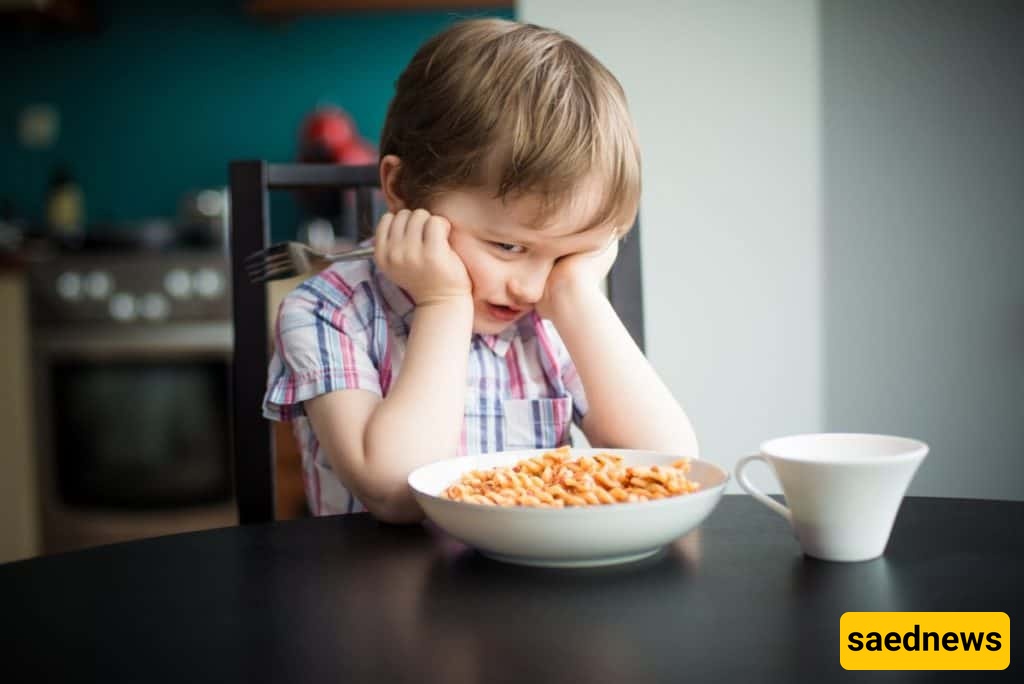
According to SAEDNEWS, children’s food preferences can change surprisingly quickly. A favorite meal may suddenly become unappealing even though nothing about the food itself has changed. Such changes are often part of normal childhood development and do not necessarily indicate a serious problem.
Children’s taste preferences naturally develop as they grow. Foods that once seemed delicious may become less appealing as their senses and eating habits change. Appetite can also vary from day to day, so a child may temporarily lose interest in a familiar favorite.
Emotions and daily routines can strongly affect eating. Tiredness, stress, excitement, changes in sleeping patterns, or disruptions to normal mealtimes may reduce a child’s interest in food. A child may therefore reject a favorite meal simply because they are not hungry or are having an unsettled day.

A child can sometimes associate a food with an unpleasant experience. Feeling uncomfortable after eating, being pressured to finish a meal, or having an upsetting experience during mealtime may cause temporary avoidance. Offering the food calmly at another time can help rebuild a positive association.
As children become more independent, choosing what to eat can become a way of expressing their preferences. Suddenly rejecting a favorite food may be part of testing boundaries and developing a sense of control. Giving children limited, appropriate choices can make mealtimes more comfortable.
Occasional changes in food preferences are usually not concerning. However, if a child consistently refuses many foods, has difficulty eating, appears unusually tired, or experiences noticeable changes in growth or general well-being, parents should discuss the situation with a pediatric healthcare professional.