SAEDNEWS: Do you experience burning or itching after applying underarm deodorant? Discover the benefits of alcohol-free antiperspirants for sensitive skin, understand the difference between drying and fatty alcohols, and learn how to choose a formula that is gentle on your skin.
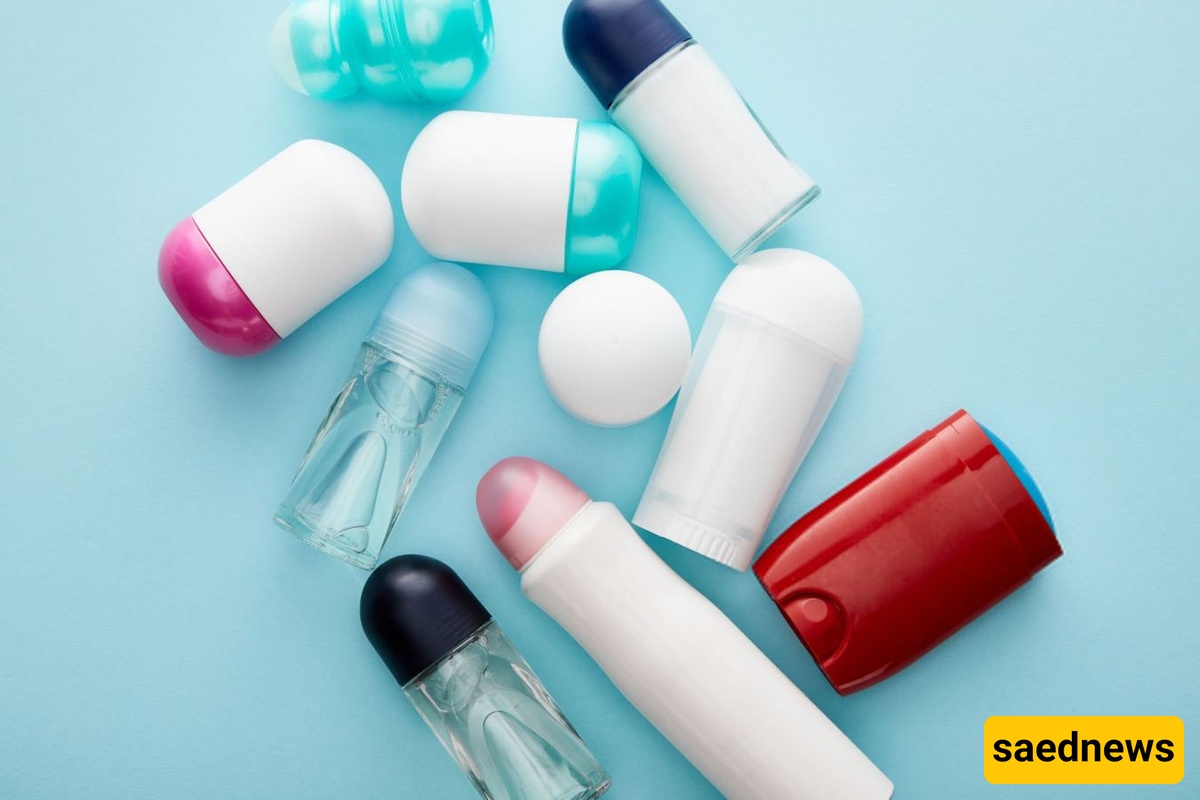
According to Saednews, Sometimes, the skin under your arms begins to burn or itch just minutes after applying deodorant. This discomfort may become more noticeable after shaving or occur even when using a product that has never caused problems before. In such cases, switching to a different antiperspirant may help reduce irritation. But what makes alcohol-free antiperspirants a better option for sensitive skin? And is eliminating alcohol alone enough to prevent skin reactions?
Alcohol-free antiperspirants, particularly those formulated without volatile, drying alcohols, may help reduce the risk of dryness and irritation in people with sensitive skin. However, sensitive skin does not react only to alcohol. Fragrances, preservatives, active antiperspirant ingredients, and even application methods can also play a role.
Understanding these factors can help you choose a product that controls sweating while remaining compatible with your underarm skin.
The underarm area can become more sensitive to certain cosmetic and personal care ingredients because of sweating, friction from clothing, and frequent shaving. Some antiperspirants and deodorants contain volatile alcohols that help products spread more easily or dry faster.
When these ingredients come into contact with dry, irritated, or freshly shaved skin, they may cause burning, stinging, or tightness. For this reason, alcohol-free antiperspirants may be a more suitable option for people who experience discomfort after using alcohol-based products.
The main benefit of eliminating drying alcohols is reducing exposure to one potential source of irritation. However, this does not mean that an alcohol-free product is guaranteed to prevent skin reactions.
Someone with healthy skin may use an alcohol-based antiperspirant without any problems, while another person may develop redness from the same product. Even two alcohol-free deodorants may not have the same level of skin compatibility.
That is why it is important to examine the complete ingredient list when choosing an antiperspirant for sensitive skin.
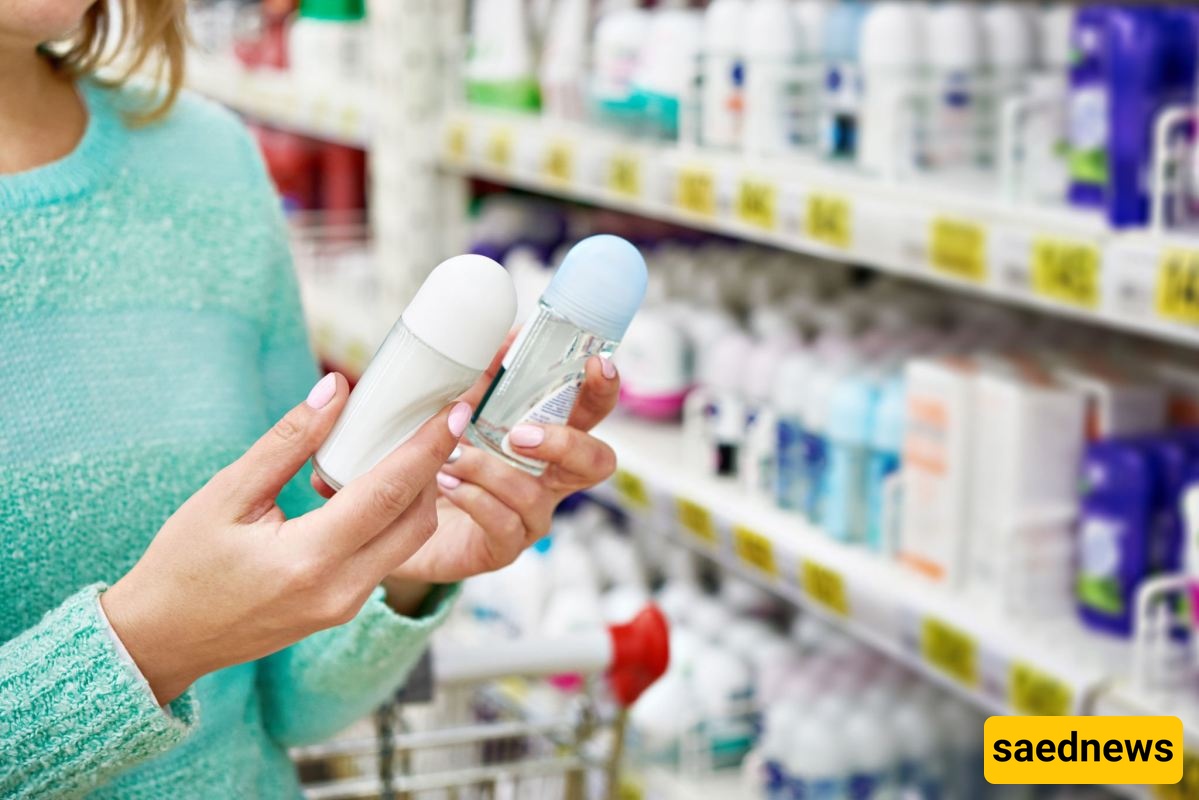
Underarm antiperspirant
The skin needs a healthy protective barrier to maintain moisture and prevent irritation. When this barrier becomes damaged by harsh cleansing, shaving, or persistent dryness, contact with certain cosmetic ingredients may cause a burning sensation.
Volatile alcohols in some formulations may worsen dryness or discomfort. Removing these ingredients, particularly when combined with suitable moisturizing ingredients, may make a product more tolerable for some people.
However, underarm dryness is not always caused by deodorant. Other contributing factors include:
Using harsh soaps or cleansers.
Shaving with a dull razor.
Wearing tight clothing that repeatedly rubs against the skin.
Washing the underarm area too frequently.
If your skin already feels tight or begins to peel, it is worth identifying the underlying cause rather than introducing several new products at once.
The order of application also matters when using moisturizers. Antiperspirants should generally be applied to clean, dry skin according to the manufacturer's instructions.
The effectiveness of an antiperspirant is not directly determined by whether it contains alcohol. Most antiperspirants use specific active ingredients, such as certain aluminum salts, to temporarily reduce sweat production.
Alcohol may serve as a solvent or help a product dry faster, but it is not the primary ingredient responsible for controlling perspiration. Therefore, it is not accurate to assume that every alcohol-free antiperspirant is less effective than an alcohol-based alternative.
When evaluating antiperspirant performance, pay attention to the active ingredients, application instructions, and effectiveness claims on the packaging.
It is also important to understand the difference between deodorants and antiperspirants. Antiperspirants are designed to reduce sweating, while deodorants primarily help control body odor. A product being alcohol-free does not automatically mean it is an antiperspirant.
Similarly, a stick, roll-on, or spray format does not determine how effectively a product controls sweat.
Seeing the word alcohol on an ingredient list does not always mean that a product contains a drying ingredient.
Alcohols are a broad group of chemical compounds, and they do not all serve the same purpose in skincare formulations. Some are used as solvents and evaporate quickly, while others help improve product texture, softness, and stability.
Understanding this distinction is more useful than relying exclusively on the phrase "alcohol-free" on product packaging.
The following two categories are particularly important when choosing an antiperspirant for sensitive skin.
Ingredients such as ethanol and denatured alcohol are used in some products to dissolve other ingredients or help formulations dry quickly.
Although these ingredients may be well tolerated on healthy skin, they can increase the likelihood of stinging or irritation, especially on very dry or freshly shaved skin.
If you have experienced discomfort after using alcohol-based products, considering formulations without these types of alcohol may be a reasonable option.
Ingredients such as cetyl alcohol and stearyl alcohol belong to a different category known as fatty alcohols.
They generally serve different purposes in skincare formulations and can help improve product texture and softness. They should not be treated as equivalent to ethanol.
However, individual skin tolerance depends on the complete formulation and personal skin condition. No ingredient can be guaranteed to cause no reaction in every individual.
Shaving can temporarily make the underarm area more sensitive. Razor movements may create tiny cuts or microscopic abrasions that are not always visible but can cause stinging when exposed to personal care products.
In these circumstances, choosing an alcohol-free antiperspirant may reduce exposure to one potential irritant. However, being alcohol-free does not automatically make a product suitable for immediate application to damaged skin.
If your underarms are red, inflamed, or have visible cuts after shaving, it is best to avoid antiperspirants until the irritation has subsided.
There is no single waiting period that applies to every product or individual. The appropriate timing depends on the shaving method, skin condition, and product ingredients. Stronger antiperspirants may also have more specific application restrictions.
Always read the instructions and warnings on the product packaging before use.
Choosing an antiperspirant for sensitive skin involves more than simply looking for the words "alcohol-free." Some alcohol-free products still contain fragrances or other ingredients that may trigger reactions in susceptible individuals.
Start by identifying your main concern:
Dryness and tightness.
Burning immediately after application.
Itching that develops several hours later.
Excessive sweating.
Understanding the type of discomfort you experience can help you select a more suitable product.
When evaluating an antiperspirant, consider the following factors:
Type of alcohol: Check whether the alcohol-free claim specifically refers to volatile alcohols such as ethanol or makes a broader claim.
Fragrance ingredients: If you have a history of fragrance sensitivity, fragrance-free products are generally worth considering.
Active antiperspirant ingredients: Ingredients such as aluminum salts indicate that the product is formulated to reduce perspiration.
Moisturizing ingredients: Ingredients such as glycerin may help maintain skin softness, although they do not guarantee that a product will be suitable for everyone.
Product format: Choose between roll-on, stick, and cream formulations based on your preferences and skin needs.
Product authenticity and information: Check the expiration date, ingredient list, and application instructions.
Even a product formulated with gentler ingredients can cause discomfort if it is used incorrectly.
For example, applying antiperspirant to wet skin, using excessive amounts, or applying it immediately after aggressive shaving may increase the likelihood of irritation.
Following the application instructions and paying attention to your underarm skin condition can make daily use more comfortable.
Before application, gently wash your underarms and allow the skin to dry completely.
Moisture from water or sweat may affect how the antiperspirant sits on the skin and potentially contribute to irritation.
Some antiperspirants are specifically designed for nighttime application. If your product provides instructions about when to use it, follow the recommended schedule.
Applying several thick layers of antiperspirant does not necessarily improve sweat control.
Use the recommended amount according to the packaging instructions and allow the product to dry.
For roll-on and stick products, applying excessive pressure or repeatedly rubbing the same area is unnecessary.
If your underarms are red, irritated, cut, or actively burning, postpone antiperspirant use until the skin has recovered.
Even alcohol-free products may cause discomfort when applied to damaged skin.
If a reaction begins after using a particular antiperspirant, discontinue the suspected product.
When introducing a new product, pay attention to symptoms such as:
Itching.
Redness.
Flaking or peeling.
Burning or stinging.
Some allergic reactions develop gradually rather than appearing immediately after application.
If symptoms persist or repeatedly return, consulting a dermatologist may help identify the ingredient responsible for the reaction.
Rexona Brightening Deodorant is one of the recognized products in the women's deodorant and antiperspirant category. In addition to helping control body odor and perspiration, it is marketed with a focus on improving the appearance of underarm skin.
If your underarms experience recurring inflammation, consider reviewing your shaving routine, cleanser, and clothing choices alongside your deodorant. Changing several products simultaneously can make it more difficult to identify the original cause of irritation.
The goal of an effective underarm care routine is to minimize unnecessary exposure to potential irritants while maintaining reliable sweat protection.
The main advantage of alcohol-free antiperspirants for sensitive skin is that they eliminate one group of ingredients that may contribute to dryness, burning, and irritation in some individuals.
However, the absence of alcohol alone does not guarantee that a product is safe or suitable for everyone. Fragrances, preservatives, active ingredients, and the existing condition of the skin must also be considered.
Alcohol-free antiperspirants can still provide effective sweat control because their performance depends primarily on their active ingredients rather than the presence of alcohol.
For sensitive skin, choosing a compatible formulation, applying it to clean and dry skin, and following the recommended usage instructions are more important than fragrance or claims of extended protection.
If itching and inflammation continue despite switching products, it is worth identifying the underlying cause to prevent recurring skin discomfort and maintain a healthy daily skincare routine.