SAEDNEWS: People with multiple sclerosis (MS) need a balanced, low-fat, and high-fiber diet. Unprocessed or naturally processed foods are preferred over highly processed foods.
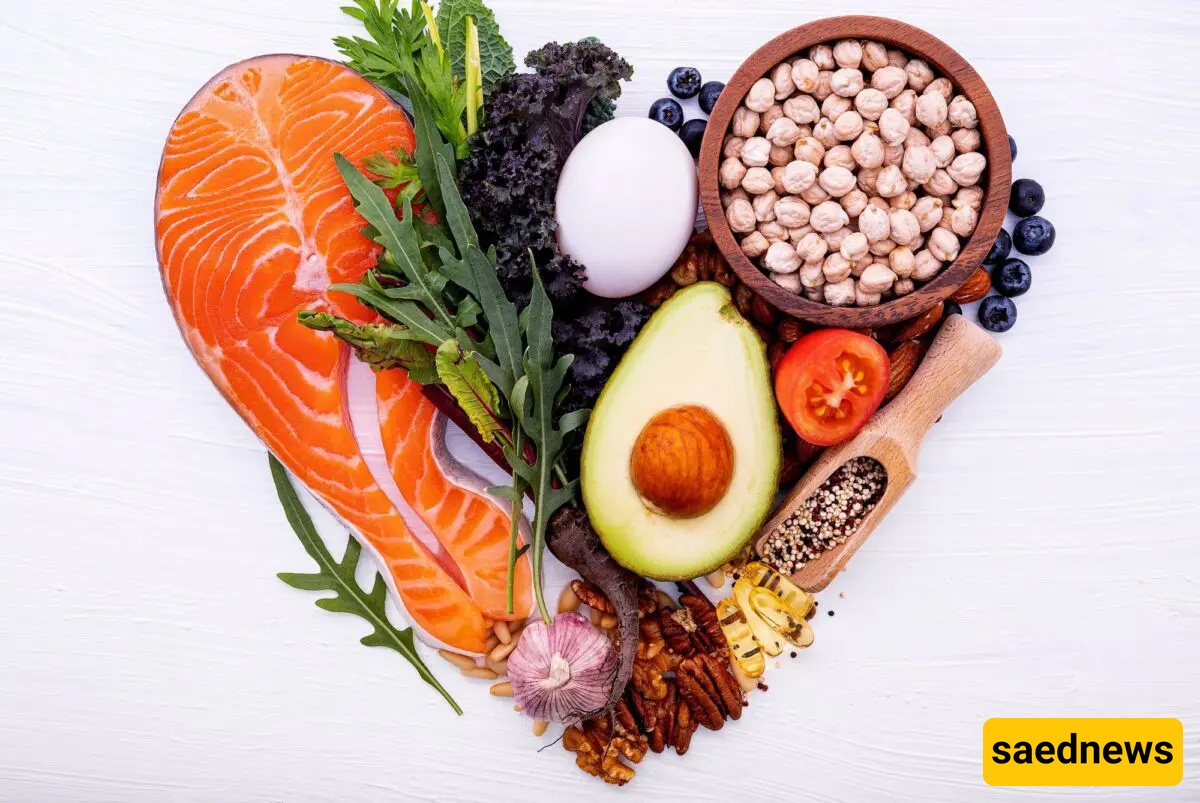
According to SAEDNEWS, Multiple sclerosis (MS) occurs when the body’s immune system mistakenly attacks the central nervous system. When a person develops multiple sclerosis, the myelin that covers nerve fibers becomes damaged. As a result, nerves lose their ability to properly transmit electrical signals.
This means that the brain becomes less able to send instructions to muscles and other body parts, which often leads to symptoms such as pain, weakness, and tingling sensations. A person may also experience mood changes, fatigue, tremors, and other complications.
MS appears to be an autoimmune disease in which the immune system mistakenly attacks the nervous system.
The relationship between diet and MS may involve the following factors:
• The role of gut bacteria in immune disorders
• Vitamin deficiencies
• Certain nutrients that may support and protect the nervous system
• The benefits of a healthy diet for overall well-being

Some foods may benefit people with multiple sclerosis (MS) by supporting the function of the immune system, nerves, and other parts of the body.
Changes in gut health may contribute to immune disorders, and research suggests that gut health plays an important role in many types of diseases.
The gut flora is a highly complex system of microorganisms that live in the intestines. In humans, these microorganisms are mainly bacteria.
These bacteria are responsible for breaking down food and nutrients and play an essential role in digestion and immune system health. When there is enough fiber in the diet, healthy gut bacteria can grow and thrive.
A lack of healthy gut flora may contribute to a range of immune disorders, including MS. Anyone with this condition should follow a diet that supports a healthy immune system.
Probiotics are foods that can increase the levels of beneficial bacteria in the gut and help strengthen the immune system.
Probiotic bacteria are available in supplements and a variety of fermented foods.
The following foods contain beneficial amounts of Lactobacillus, which is a type of helpful bacteria:
Yogurt
Kefir
Kimchi
Sauerkraut
Kombucha or fermented tea
After introducing beneficial bacteria into the gut, it is important to nourish them. Foods that feed probiotic bacteria are known as prebiotics and contain fiber.
Foods that contain beneficial amounts of prebiotic fiber include:
Artichokes
Garlic
Leeks
Asparagus
Onions
Chicory
Fiber is found in plant-based foods such as:
Fruits
Vegetables
Nuts and seeds
Legumes, such as lentils
Whole grains
Brown rice
These foods help promote health in the following ways:
• Feeding gut bacteria
• Encouraging regular bowel movements
• Helping maintain heart health by managing cholesterol and blood pressure
• Reducing the risk of weight gain
People with MS may have a higher risk of developing certain types of heart disease.
Vitamin D is important for everyone, but it may be especially beneficial for people with multiple sclerosis (MS). According to the National Institute of Neurological Disorders and Stroke, people who consume higher amounts of vitamin D may have a lower chance of developing MS.
Vitamin D is also important for bone health. People with MS are more likely to experience reduced bone density and osteoporosis, especially if they have difficulty moving easily. Getting enough vitamin D may help prevent these conditions.
Most of the body’s vitamin D is produced through exposure to sunlight, but a person can also obtain the required amount of vitamin D by consuming the following foods:
Fatty fish
Fortified dairy products
Some fortified cereals, yogurt, and orange juice
Beef liver
Egg yolks
Biotin is a type of B vitamin, and some people refer to it as vitamin H.
It is found in many foods, but good sources include:
Eggs
Beef liver
Sunflower seeds
Almonds
Spinach
Broccoli
Whole wheat bread
Findings from small studies suggest that high doses of biotin, between 100 and 600 milligrams per day, may help people with progressive MS.
Research on whether a diet rich in polyunsaturated fatty acids (PUFAs) directly helps relieve MS symptoms has produced mixed results. However, evidence suggests that these fatty acids help support the body and control inflammation.
Polyunsaturated fatty acids appear to improve various body functions, from heart health to cognitive ability. Examples of foods containing polyunsaturated fatty acids include fatty fish such as salmon and mackerel, as well as some plant-based oils.
Many vegetables contain compounds called polyphenols, which have antioxidant and anti-inflammatory effects on body cells. These effects may help prevent cellular damage, making increased polyphenol intake potentially beneficial for people with MS.
Sources of polyphenols include:
Fruits
Vegetables
Spices
Grains
Legumes
Herbs
Tea
Some foods may have negative effects on people with multiple sclerosis, including:
Saturated fats
Processed foods
Sodium
Low-fiber foods
Gluten-free diets