SAEDNEWS: A Complete Guide to Yalda Night Foods: Symbolic Meanings, Serving Traditions, and Practical Tips for Shopping and Preparation
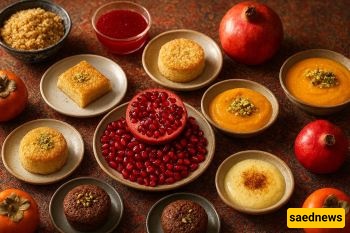
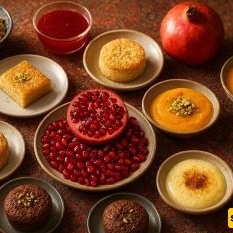
According to Saednews, Yalda Night, the longest night of the year, has been celebrated for generations through traditions that bring families together around a table filled with delicious foods and colorful treats. Yalda foods are more than just meals and snacks; each represents blessings, light, health, hospitality, and family unity.
Watermelon, pomegranates, mixed nuts, traditional sweets, and warm beverages are among the main elements of a traditional Yalda table. In many Iranian households, selecting and arranging these foods is an important part of the celebration, reflecting family customs and personal preferences.
This article presents a comprehensive list of traditional Yalda foods, their symbolic meanings, serving suggestions, and practical tips for shopping and preparation. It can help you plan your shopping, arrange a beautiful Yalda table, and enjoy a memorable celebration.
A traditional Yalda table generally includes five main categories:
Fresh seasonal fruits
Nuts and dried fruits
Traditional sweets and desserts
Warm beverages and herbal teas
Light, warm dishes in some households
Each food has a special place in Iranian culture.
For example, watermelon, with its vibrant red color and refreshing taste, symbolizes warmth and vitality during the cold winter months. Pomegranate, with its bright red seeds, represents fertility, abundance, and light. Mixed nuts symbolize hospitality, happiness, and variety.
However, there are no strict rules for arranging a Yalda table. Some families focus more on fresh fruits, while others give greater importance to nuts and traditional sweets. The most important thing is to select fresh, high-quality foods that suit the preferences of your guests.
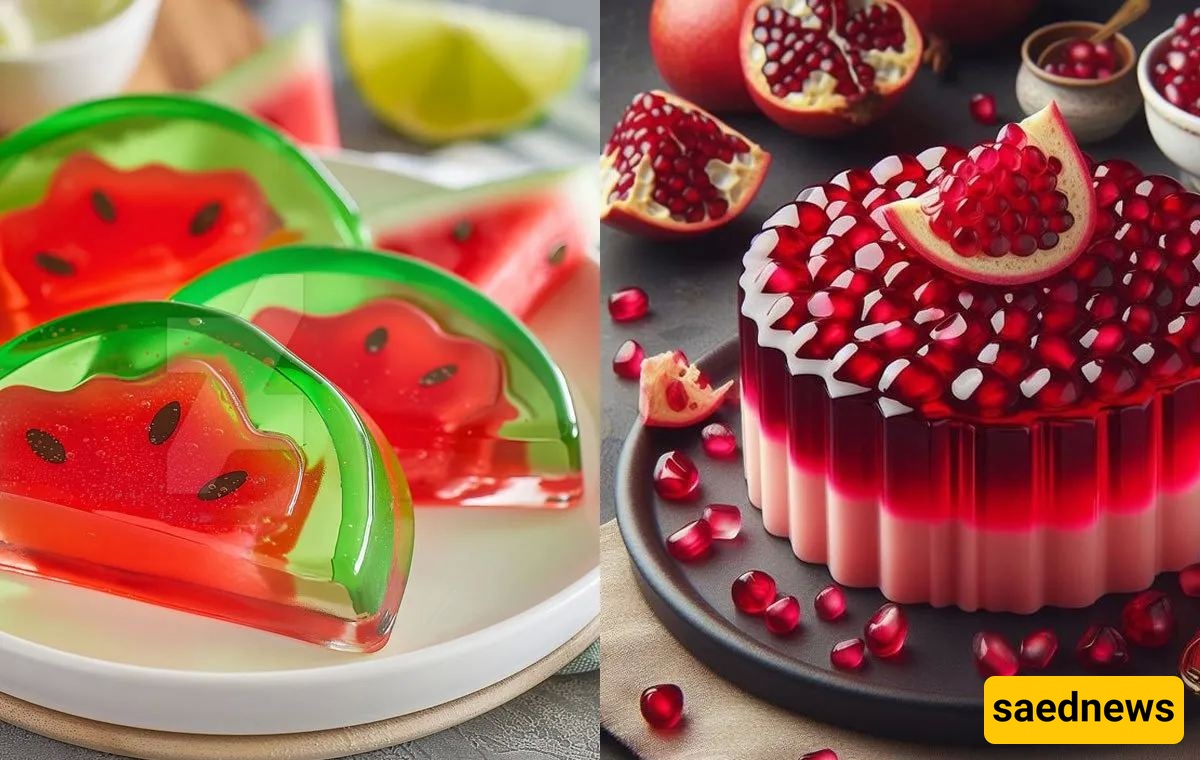
The following table provides a suggested selection of Yalda foods, their symbolic meanings, and serving recommendations.
No. | Category | Food Item | Symbolism or Purpose | Serving Suggestion |
|---|---|---|---|---|
1 | Fruit | Watermelon | Freshness, warmth, and blessings | Serve chilled and freshly sliced |
2 | Fruit | Pomegranate | Fertility, light, and life | Serve the seeds in decorative bowls |
3 | Fruit | Persimmon | Natural sweetness and warmth | Choose ripe, soft fruits |
4 | Fruit | Apples and pears | Freshness and abundance | Arrange different colors together |
5 | Fruit | Tangerines and oranges | Winter citrus and good health | Peel and prepare before serving |
6 | Fruit | Grapes | Abundance and prosperity | Wash and dry before serving |
7 | Fruit | Kiwi and quince | Color variety and vitamins | Cut into attractive slices |
8 | Nuts | Walnuts | Wisdom and brain health | Serve fresh and unsalted |
9 | Nuts | Almonds | Health and energy | Serve raw or lightly salted |
10 | Nuts | Pistachios | Happiness and hospitality | Serve lightly roasted |
11 | Nuts | Hazelnuts | Energy and warmth | Serve raw or roasted |
12 | Seeds | Pumpkin and sunflower seeds | Entertainment and family conversation | Serve fresh and roasted |
13 | Snacks | Roasted chickpeas and raisins | Traditional combination and natural sweetness | Serve in separate bowls |
14 | Sweets | Traditional Persian pastries | Hospitality and variety | Offer several bite-sized options |
15 | Dried Fruit | Dates | Blessings and natural sweetness | Serve with tea or herbal drinks |
16 | Desserts | Halva and Sholeh Zard | Warmth and homemade sweetness | Serve in small portions |
17 | Beverages | Tea and herbal infusions | Comfort during cold winter nights | Add cinnamon or cardamom |
18 | Beverages | Fresh pomegranate juice and homemade syrups | Refreshment and colorful presentation | Choose natural, low-sugar options |
19 | Light Meals | Ash (Persian herb soup) or soup | Warmth on a cold winter night | Serve fresh and light |
Yalda foods offer plenty of variety, making it easy to accommodate different tastes and preferences. Below, we explore each category in more detail.
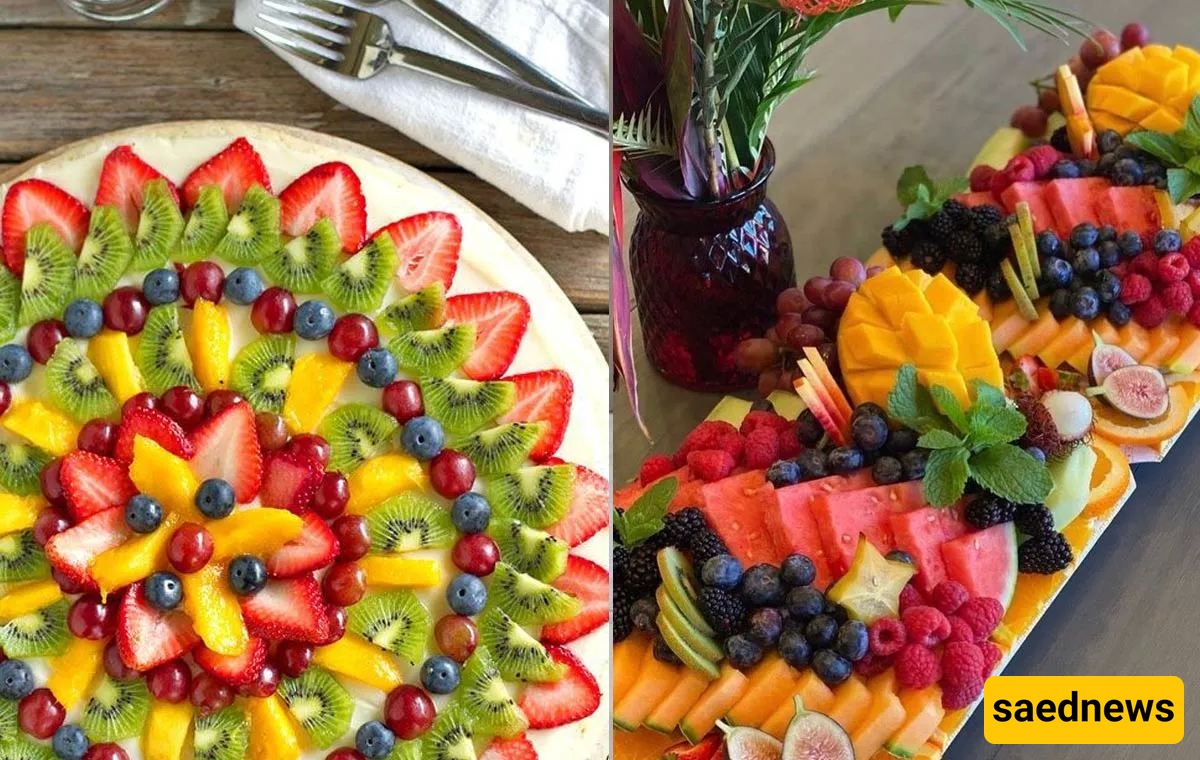
Fruits are the centerpiece of a traditional Yalda table. Watermelon and pomegranate are considered the two most symbolic fruits of this celebration.
Watermelon can be relatively scarce and expensive at the beginning of winter, but its presence on the Yalda table remains an important tradition for many Iranian families.
Pomegranate, with its bright red and shiny seeds, adds a distinctive appearance to the table. Other popular fruits include persimmons, apples, pears, tangerines, oranges, grapes, and kiwis.
For an attractive presentation, arrange fruits in several bowls and group them according to color. Glass dishes, wicker baskets, and traditional plates can create a warm and inviting atmosphere.
It is also recommended to wash and prepare the fruits before guests arrive so they can be served conveniently.
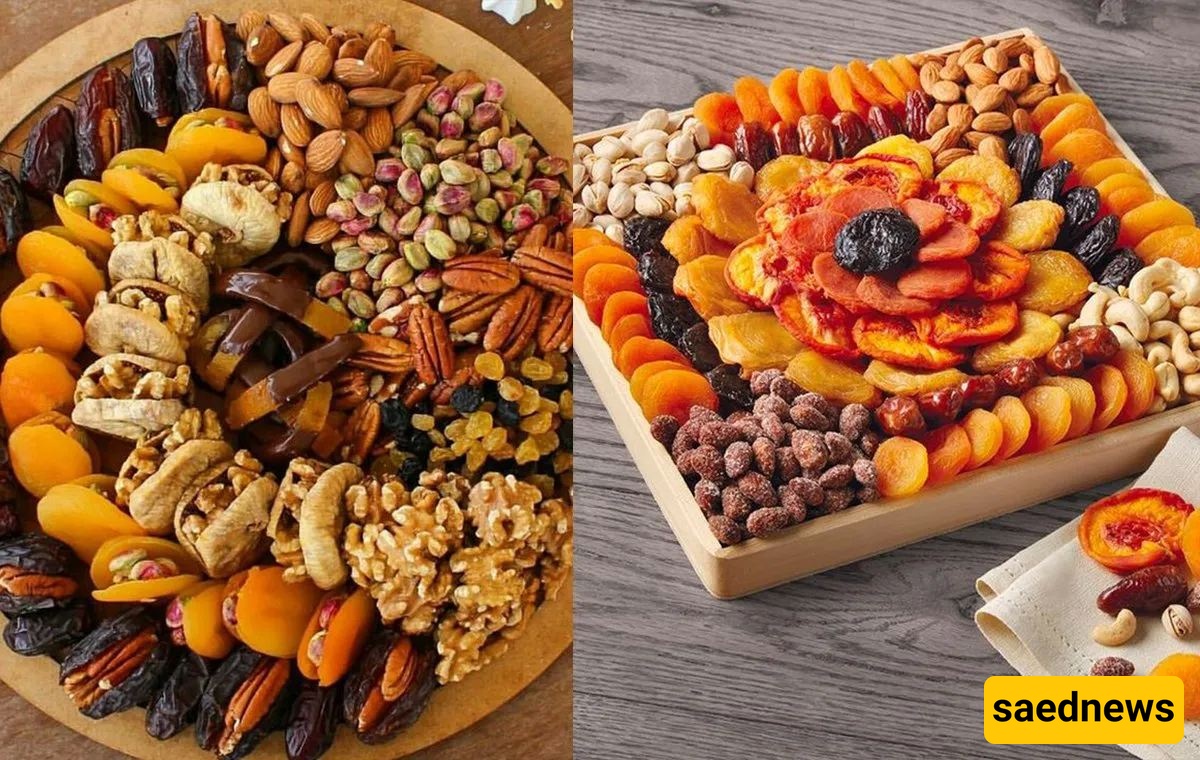
Mixed nuts, traditionally known as Ajil, are an essential part of Iranian hospitality.
Common ingredients include:
Walnuts
Almonds
Pistachios
Hazelnuts
Pumpkin seeds
Sunflower seeds
Roasted chickpeas
Raisins
Many families serve mixed nuts in several small bowls, either combined or arranged separately.
When purchasing nuts, pay attention to freshness, flavor, salt content, and proper storage.
Beyond being a delicious snack, nuts help create a relaxed atmosphere for conversation and family gatherings. Cracking sunflower seeds and walnuts together is part of the shared cultural experience of Yalda Night. This is why mixed nuts hold such a special place on the traditional Yalda food list.
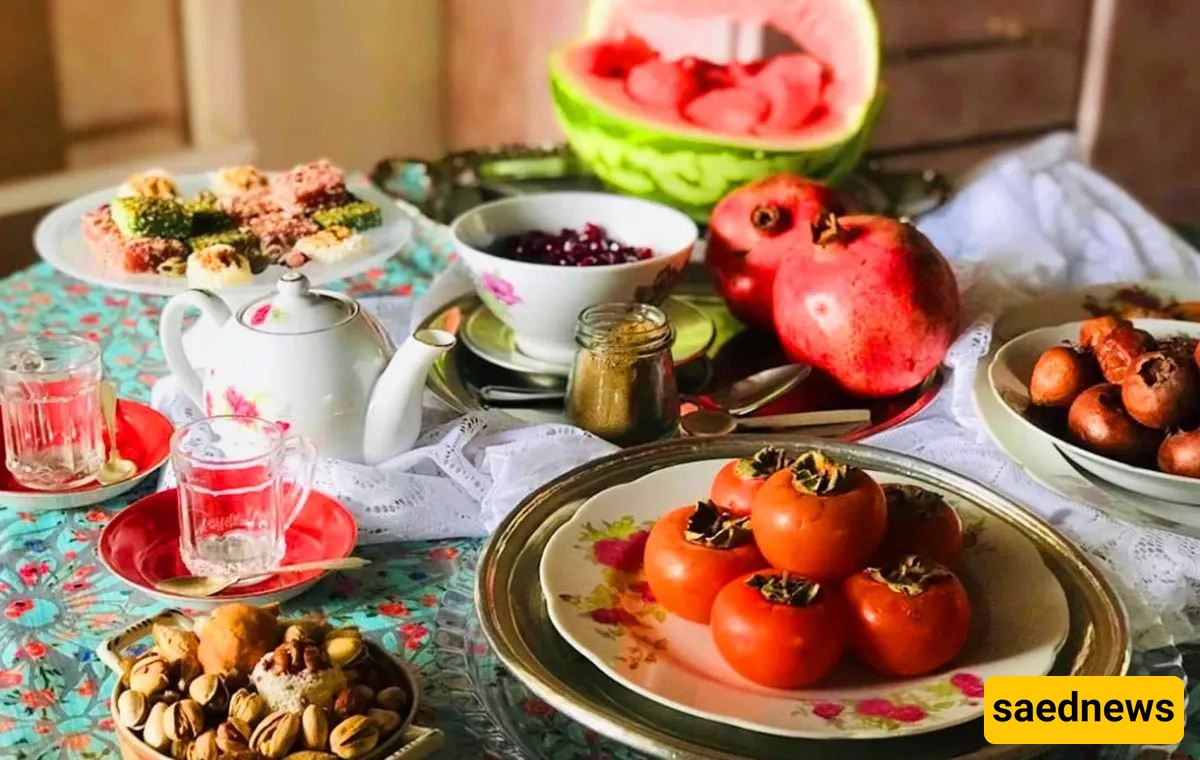
Traditional Persian pastries, dates, halva, Sholeh Zard (Persian saffron rice pudding), and homemade cakes are other popular additions to the Yalda table.
These treats are generally served alongside tea and herbal infusions, adding warmth and sweetness to the celebration.
It is best to choose a variety of small-sized sweets so guests can sample different options.
Dates and raisins are also natural alternatives to refined sugar and can be served as sweet snacks.
In some households, halva or Sholeh Zard is prepared at home, adding a personal and welcoming touch to the celebration.
During cold winter nights, warm beverages are an essential part of the Yalda celebration.
Popular options include:
Traditional Persian black tea
Chamomile herbal tea
Cinnamon tea
Cardamom tea
Fresh pomegranate juice
Homemade fruit drinks and syrups
Some families also prepare a light dinner, such as Ash (traditional Persian soup), vegetable soup, or regional Iranian dishes.
These meals should ideally be light, freshly prepared, and suitable for the dietary preferences of all guests.
Planning ahead is essential for hosting a comfortable and enjoyable Yalda celebration.
Start by preparing a food list based on the number of guests, your budget, and your family's traditions.
A simple shopping checklist can prevent unnecessary purchases and help ensure that no essential items are forgotten.
Here are five practical tips to help you prepare.
Before visiting the market, organize your shopping list into the following categories:
Fresh fruits
Nuts and dried fruits
Traditional sweets
Beverages
Light meals, if needed
This approach makes shopping more organized and reduces the risk of forgetting essential ingredients.
You can also estimate the required quantities based on the number of guests to avoid food waste.
When purchasing fruits, check their ripeness, appearance, and freshness. Avoid fruits with unusual spots, damage, or mold.
Buy nuts from reputable stores and pay attention to their smell, taste, and freshness.
Choose freshly prepared sweets, preferably in smaller portions.
For beverages, natural pomegranate juice and high-quality herbal teas are excellent choices.
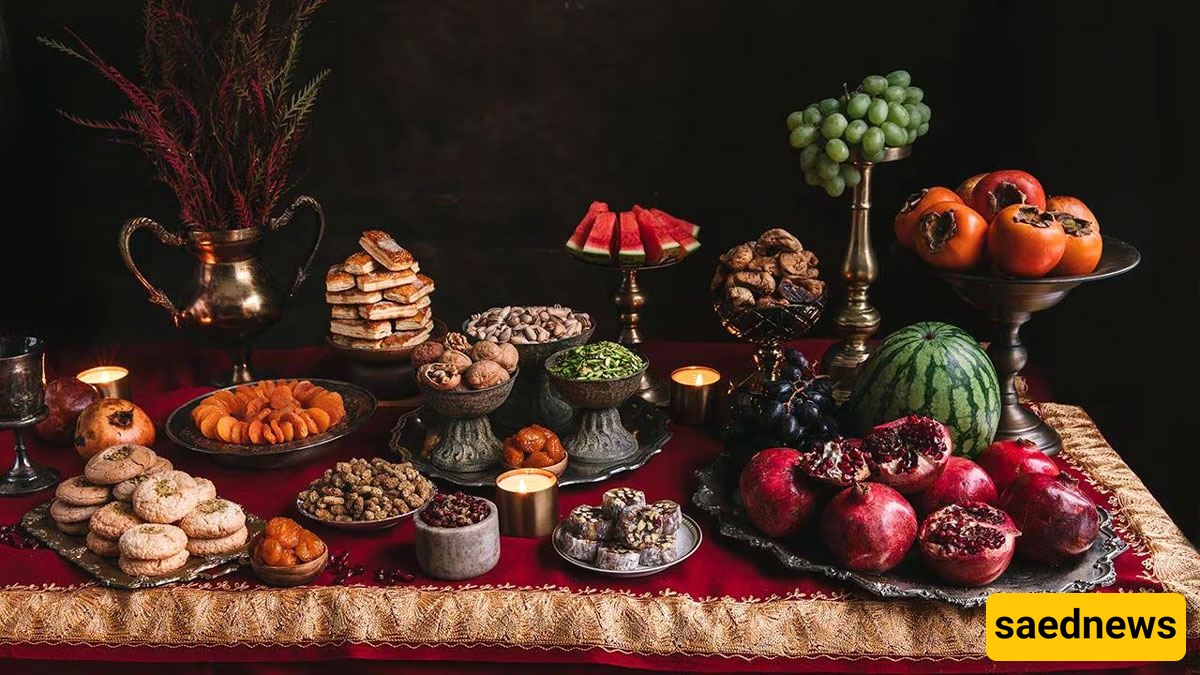
A beautiful Yalda table should not focus on just one category of food.
A balanced combination of fruits, nuts, sweets, and warm beverages creates a more inviting spread.
Using different colors can also improve the visual appeal of your table:
Red: Pomegranates and watermelon
Orange: Persimmons and oranges
Green: Pistachios and kiwi
Brown: Walnuts, dates, and hazelnuts
Combining these colors creates a festive and traditional atmosphere.
Proper storage helps maintain the freshness and quality of your Yalda foods.
Keep fresh fruits in a cool place until serving.
Store nuts in airtight containers away from moisture.
Refrigerate cream-filled pastries.
Keep dry sweets in a cool, dry environment.
Prepare tea and herbal infusions fresh during the gathering.
These simple steps help ensure that everything tastes fresh when served.
For a neat and attractive Yalda table, wash and prepare fruits in advance, place nuts in small bowls, and arrange sweets on separate plates.
Serve hot beverages gradually throughout the evening.
If you plan to prepare a light meal, such as Ash or soup, consider serving it shortly after the initial refreshments. This gives guests enough time to enjoy the different foods on the table.
Yalda Night is more than a celebration of the longest night of the year. It is an opportunity to bring family and friends together, share traditional foods, and celebrate the warmth of companionship.
From colorful fruits and traditional Ajil to homemade desserts and aromatic teas, every element of the Yalda table contributes to the atmosphere of this special occasion.
With thoughtful planning, fresh ingredients, and an attractive arrangement, you can create a welcoming Yalda table that honors Iranian traditions while making lasting memories with your loved ones.