SAEDNEWS: Beyond its desert landscapes, Garmsar boasts remarkable attractions, from historic caravanserais to Tangeh Zolmat Gorge and the mysterious Rig-e Jenn Desert.
According to Saednews, Garmsar is home to some of Iran’s most fascinating yet lesser-known attractions. With its remarkable natural landscapes, historical landmarks, and unique desert scenery, this destination offers an unforgettable experience for travelers. From ancient caravanserais and colorful mountains to mysterious deserts and refreshing springs, Garmsar has plenty of wonders waiting to be explored.
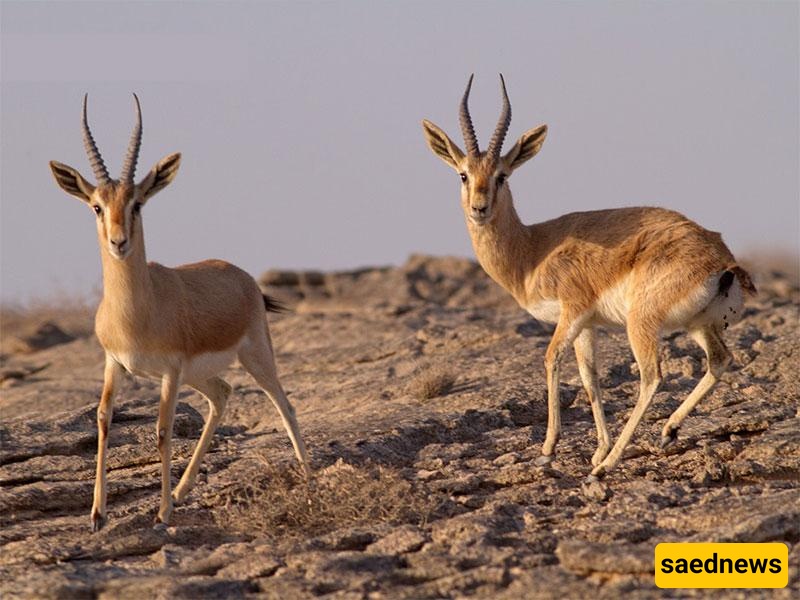
Located in the westernmost part of Semnan Province, Garmsar is often recognized as a hot, desert city. However, beyond its arid appearance lies a region rich in natural beauty, wildlife, and historical heritage. With a history dating back to the Parthian era, the area is also known as a habitat for the Persian cheetah and Persian leopard.
Although its geographical location, high temperatures, and distinctive vegetation may make the region appear dry and barren, a closer look reveals an impressive variety of attractions. Colorful Martian hills, historic caravanserais, unusual mountains, and cool natural springs are just some of the treasures that make Garmsar worth visiting.
For travelers interested in history, nature, and adventure, exploring Garmsar can be a truly unique and memorable experience.
Eyvanekey is a small town located between Tehran and Garmsar, approximately 20 kilometers from Garmsar. It can be reached in around 20 minutes by private car or taxi.
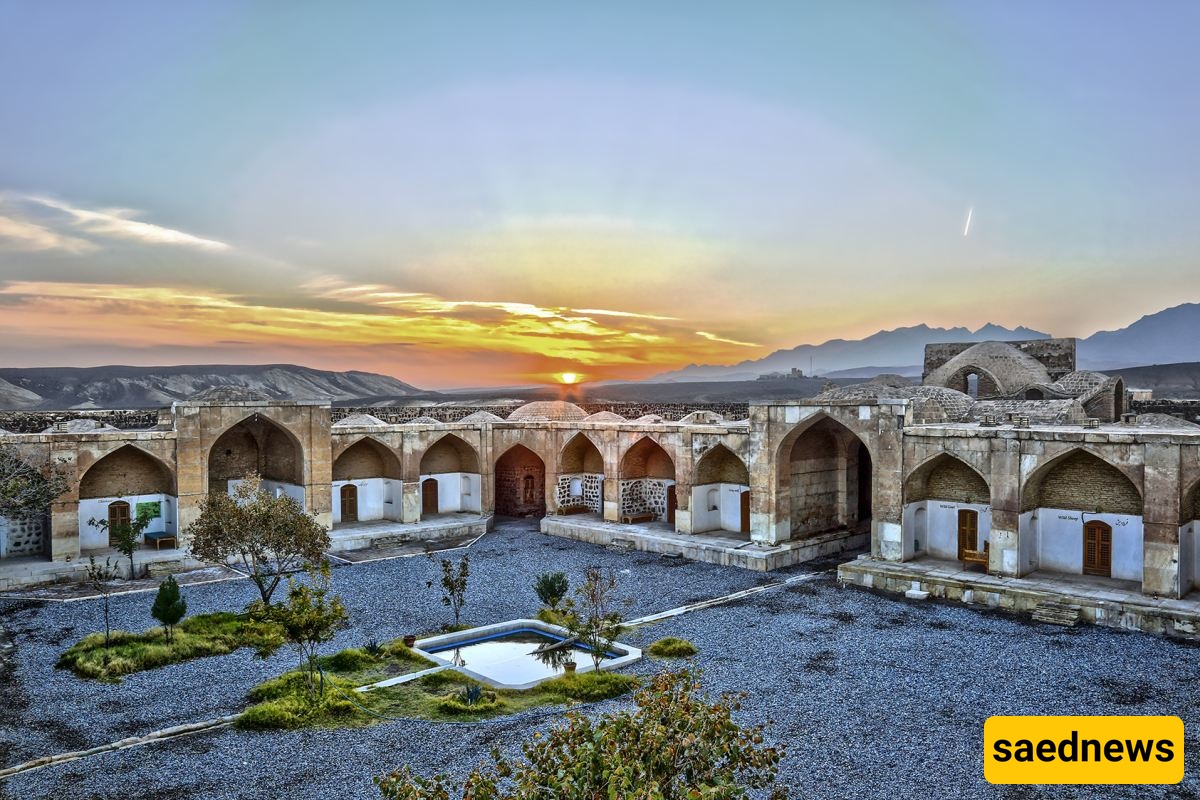
One of the town’s most notable attractions is the Shah Abbas Caravanserai, a traditional four-iwan structure built along a north–south axis, with its main entrance facing south.
The caravanserai was constructed using simple materials such as mud bricks, fired bricks, clay, and stone. Despite its relatively basic construction materials, the building has remained remarkably well-preserved throughout the centuries.
Two grand reception halls, known as Shahneshin, were built along its eastern and western sides to accommodate distinguished guests.
Shah Abbas Caravanserai in Eyvanekey features 24 rooms and four stables, making it one of the larger caravanserais of its time. Today, the historic structure has been restored and is managed under the supervision of the Cultural Heritage, Handicrafts and Tourism authorities. Visitors may need permission from the cultural heritage authorities before entering.
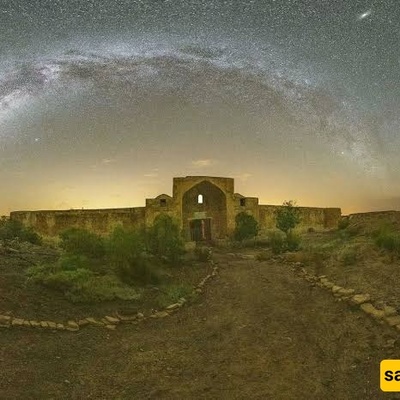
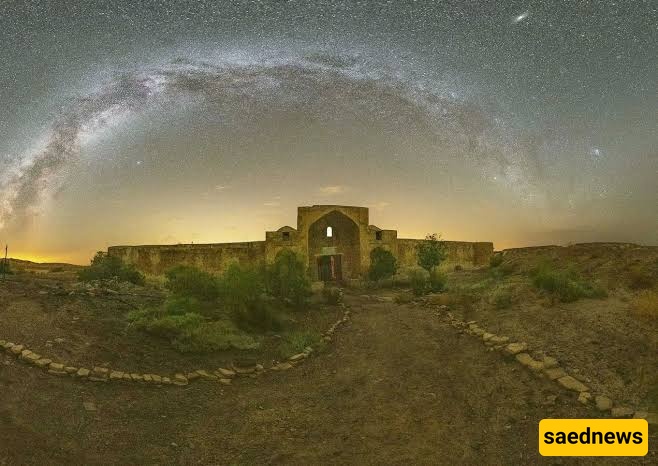
Garmsar is famous for its historic caravanserais, which once provided shelter and rest for travelers crossing the vast plains and deserts. Among the most impressive examples is Qasr-e Bahram Caravanserai, located south of Garmsar, near the Salt Lake and the historic stone-paved road.
Standing like a precious gem in the heart of the desert, this magnificent structure was restored during the reign of Shah Abbas I of the Safavid dynasty, bringing it back into use.
Also known as Shah Abbas Caravanserai or Robat-e Siah Kuh, the building is distinguished by its light-colored stone façade, which creates a striking contrast against the surrounding desert landscape.
Qasr-e Bahram features two spacious courtyards and six semicircular towers, reflecting the grandeur of traditional Persian architecture.
Water from Shah Cheshmeh (King's Spring), located several kilometers away, was transported into the caravanserai through an underground ceramic pipe system to supply travelers with fresh water.
Spending a night at this historic site and watching the stars illuminate the desert sky can be an unforgettable experience. Qasr-e Bahram is undoubtedly one of the most remarkable attractions in Garmsar.
If you are traveling south of Garmsar to visit Qasr-e Bahram Caravanserai, you should also explore another historical monument located nearby: Haram-Sara Palace.
In the past, members of the royal family preferred not to stay in the same accommodations as ordinary travelers. For this reason, separate royal residences were constructed near major caravanserais.
Haram-Sara Palace served as a private resting place for members of the royal family during their journeys. When the royal family was not present, royal hunters used the building as a place to rest.
The palace received its drinking water from springs located on the slopes of Siah Kuh Mountain. Architects of the period designed a channel system to transport water into a pool on the southern side of the complex. From there, smaller channels distributed the water throughout the palace.
Dating back to the reign of Shah Abbas, Haram-Sara Palace is an interesting historical attraction worth exploring. Its location also provides convenient access to the Salt Lake and the historic stone-paved road, two other notable attractions in the region.
Ayn al-Rashid Palace is another historical monument from the Safavid era, situated between the Salt Lake and the Great Desert.
Parts of the palace have been damaged over time, and its remaining ruins and former gardens are now covered with desert vegetation and thorny shrubs.
On either side of the entrance porch are two halls, each featuring five doors opening toward the courtyard.
With its distinctive architecture and fascinating history, Ayn al-Rashid Palace offers an interesting experience for visitors who appreciate historical monuments and traditional Persian architecture.
Kavir National Park is one of Iran’s oldest protected natural areas, covering approximately 670,000 hectares. Parts of the park extend across the provinces of Qom and Isfahan.
The park features a diverse range of natural landscapes, including rolling hills, wildlife habitats, Siah Kuh, Sefid Ab, Nareh Khar Mountain, the Twelve Imams Heights, Parde Zard, and the Makush and Siah Parde plains.
It is also home to many of the region’s most remarkable natural attractions.
Visitors must obtain permission from the Department of Environment before entering the park. Camping is not permitted within the protected area.
Thanks to its rich biodiversity, distinctive desert scenery, and wildlife habitats, Kavir National Park is an excellent destination for nature enthusiasts and wildlife observers.
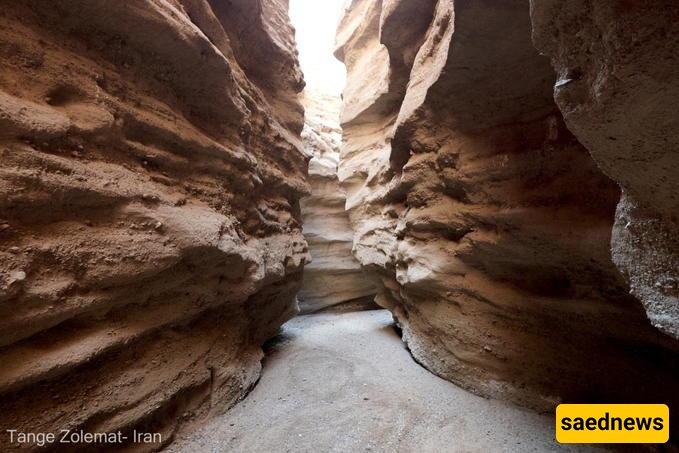
Located in the southeastern part of Kavir National Park, Tang-e Zolomat is a spectacular natural gorge formed by two enormous rock walls.
The walls reach approximately 30 meters in height and extend for nearly two kilometers, creating a dramatic canyon landscape.
The cool breeze flowing through the gorge offers a welcome escape from the intense desert heat.
According to local accounts, the gorge was formed as a result of an earthquake. Its impressive rock formations and dramatic scenery have earned it comparisons to the Grand Canyon in the United States.
Visiting Tang-e Zolomat requires the assistance of an experienced guide. Be sure to bring your camera to capture the extraordinary landscapes and unique geological formations.
This remarkable canyon is one of the most distinctive natural attractions within Kavir National Park.
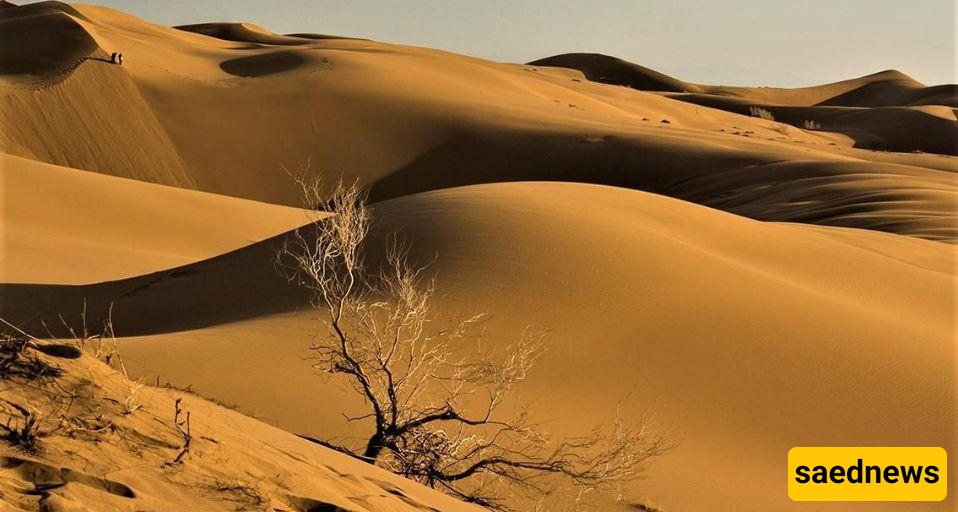
Rig-e Jenn is one of Iran’s most mysterious and fascinating deserts, often referred to as the Bermuda Triangle of Iran.
Numerous eerie legends surround this remote region. According to local folklore, supernatural beings and spirits inhabit the desert, and travelers who enter it may mysteriously disappear.
These stories are largely associated with the area's enormous size, remote location, lack of accessible freshwater springs and wells, salt marshes, and shifting sand dunes. Such challenging conditions caused travelers to lose their way in the past, contributing to the desert's mysterious reputation.
For those who enjoy adventurous journeys and off-the-beaten-path destinations, Rig-e Jenn offers an extraordinary experience.
However, visiting this remote desert requires careful preparation. Travelers should go in groups, use suitable off-road vehicles, hire an experienced local guide, and carry sufficient food and drinking water for several days.
With proper planning and safety precautions, exploring Rig-e Jenn can be an unforgettable desert adventure.
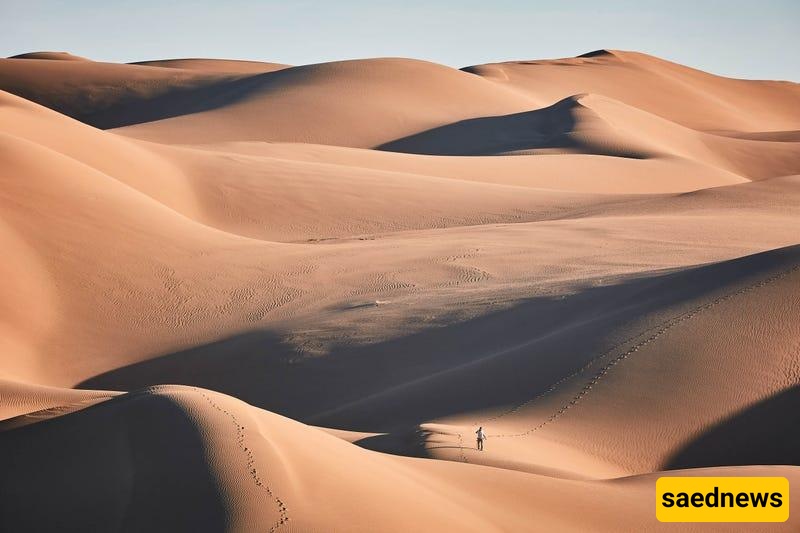
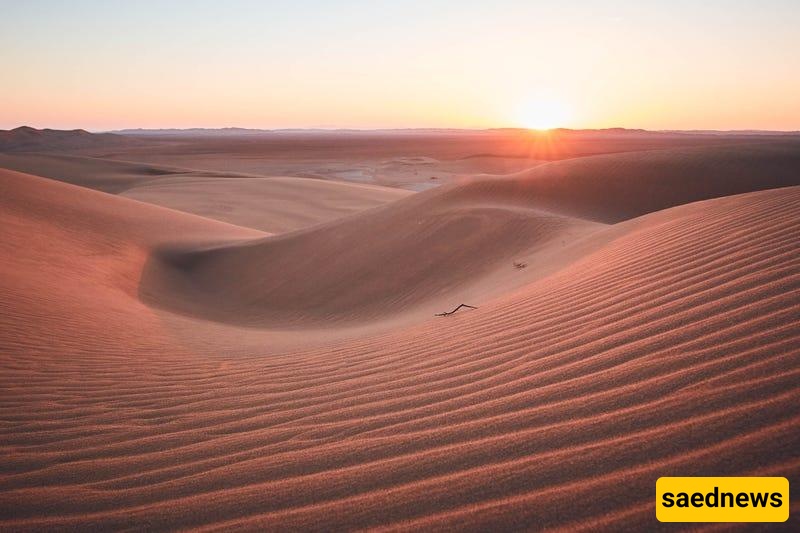
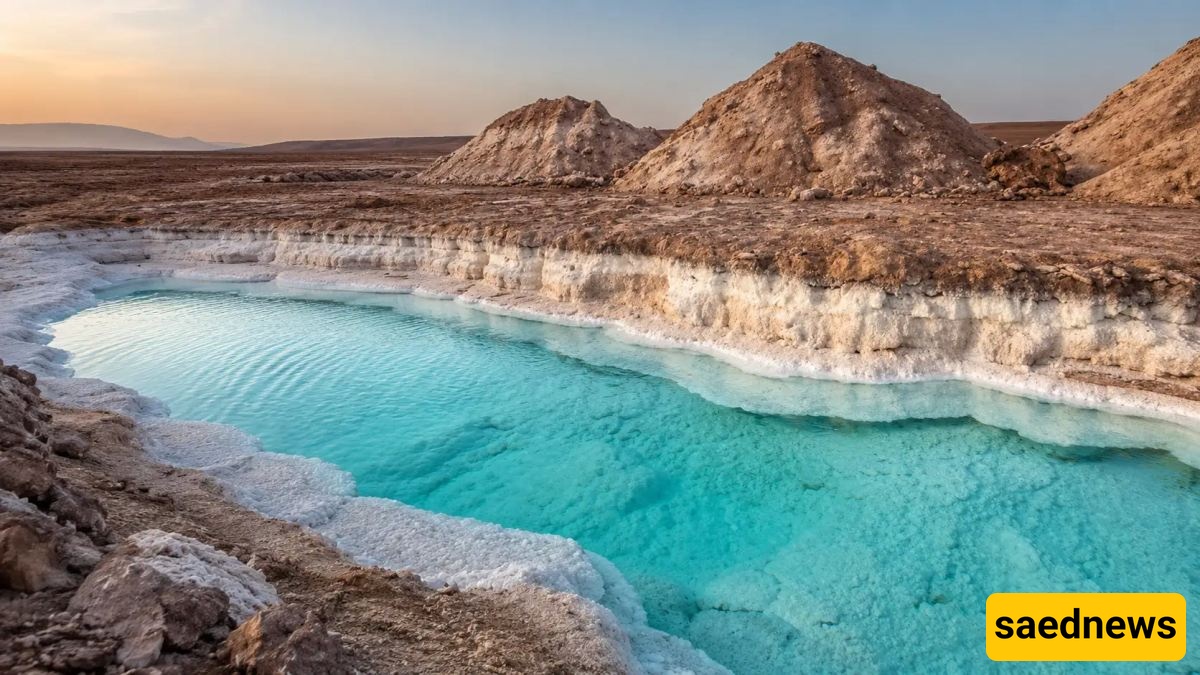
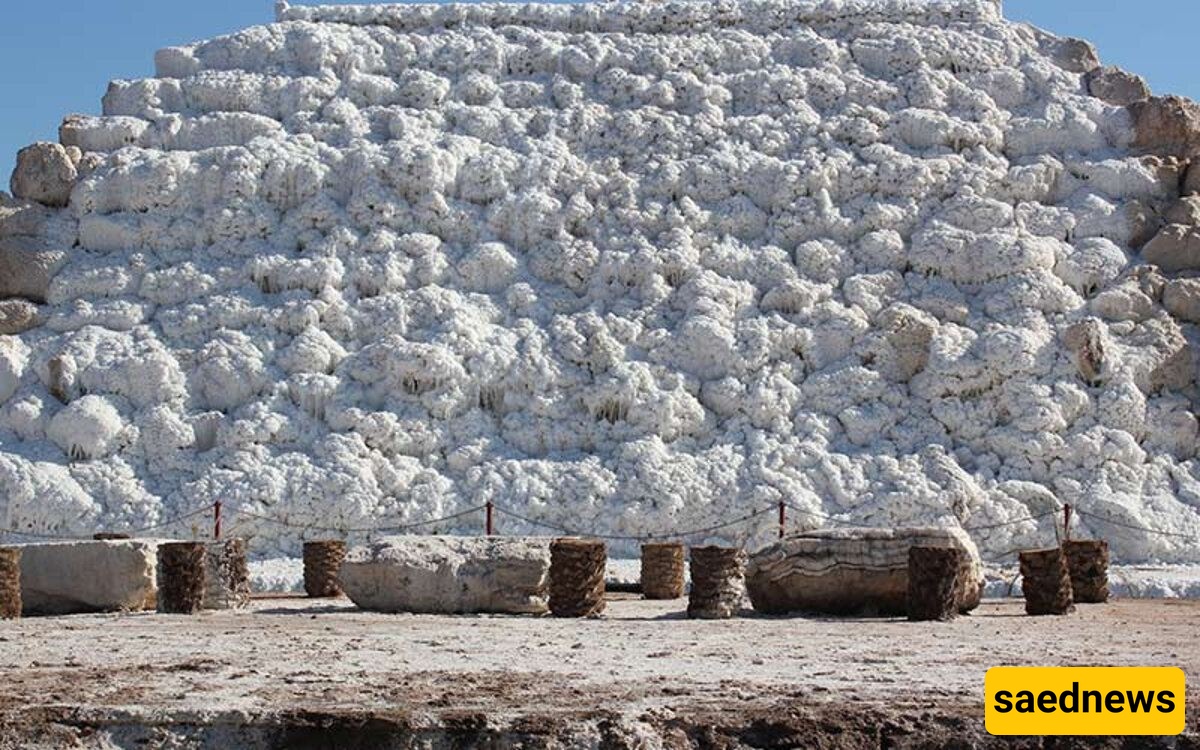
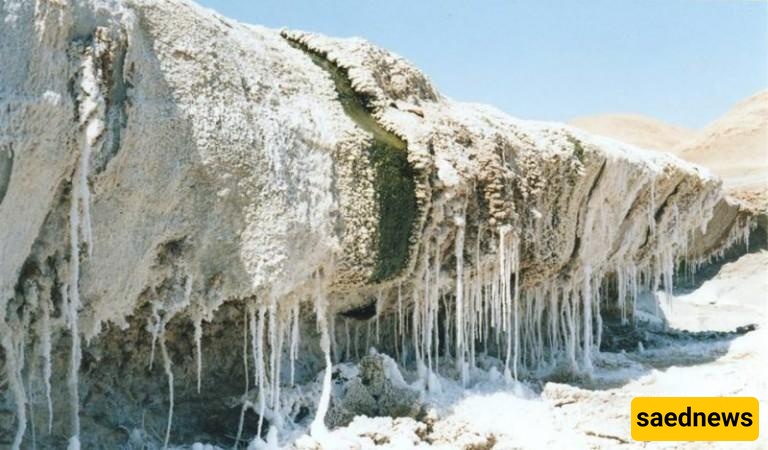
Within Kavir National Park, near the border of Isfahan Province and south of the Nakhjir Highlands, lies an unusual natural attraction known as the Salt Waterfall.
Unlike ordinary waterfalls, its sparkling formations are made entirely of salt crystals.
Mineral-rich water from nearby springs and the surrounding elevated terrain becomes highly concentrated with salt. As the water evaporates, salt crystals gradually form, creating distinctive icicle-like structures.
The result is a remarkable landscape of glittering white formations that resembles a frozen waterfall.
This unusual geological attraction offers visitors a completely different perspective on the natural wonders of Iran's desert regions.
Garmsar is also known for its extensive salt deposits and underground salt mines.
Along the city's secondary roads, there are approximately 27 salt mines and salt tunnels, many of which contain exceptionally pure salt.
One of the most fascinating features of these mines is the presence of beautiful salt crystals hanging from the ceilings and covering the underground walls.
Among the most notable sites are Kohdasht-e Kohan Salt Mine and Salar Salt Mine.
Exploring these mines provides an opportunity to learn about traditional and modern salt extraction methods while discovering extraordinary natural formations hidden beneath the earth's surface.
Their impressive underground scenery makes them particularly attractive to visitors interested in geology and unusual natural landscapes.
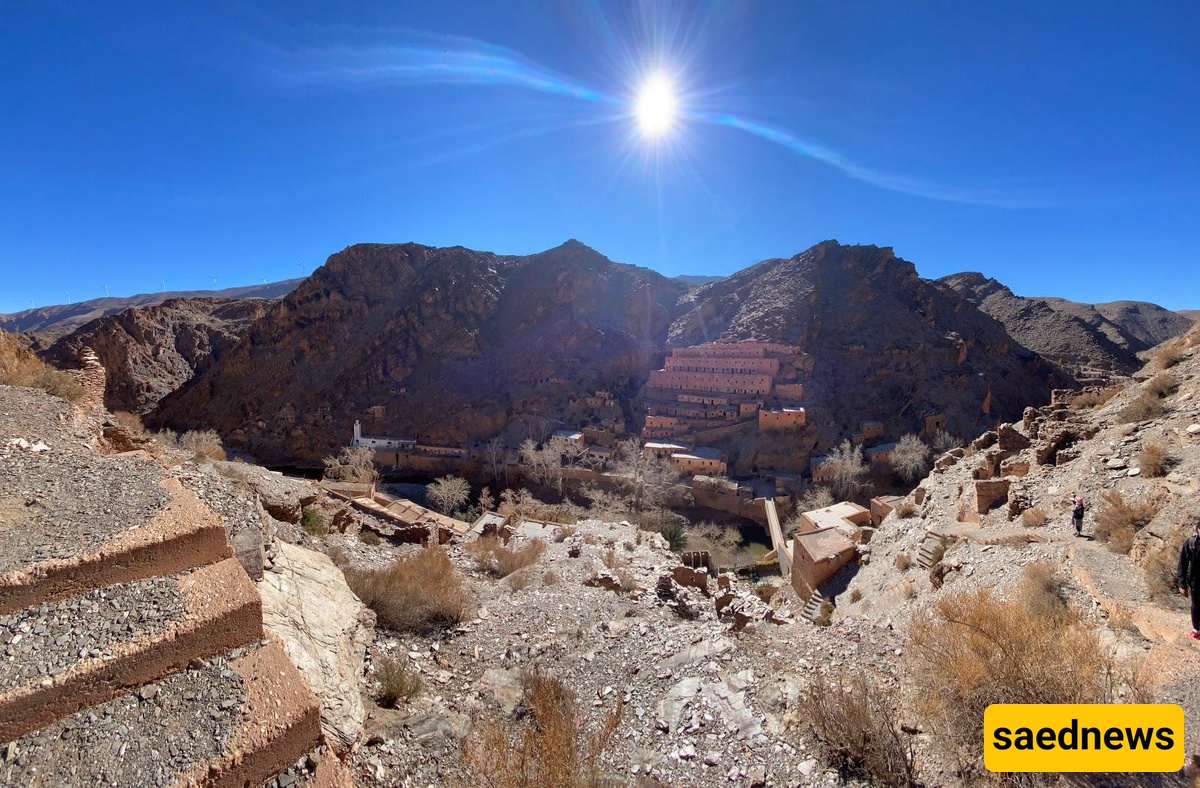
Northeast of Garmsar lies Rameh Village, a beautiful highland destination known for its pleasant climate, spectacular scenery, and rich wildlife.
Unlike the surrounding desert areas, Rameh offers a cooler environment with lush natural landscapes.
The village's houses are built in a traditional terraced style, creating a picturesque appearance along the mountain slopes. Due to the challenging access route, much of the surrounding natural environment has remained relatively untouched.
Rameh is home to several historical and natural attractions, including:
Zahhak Castle: An ancient fortress believed to date back approximately 2,000 years.
Old Cemetery: A historical burial site reflecting the village's long history.
Rameh River: A beautiful natural waterway running through the area.
Mountain Waterfalls: Impressive waterfalls surrounded by scenic mountain landscapes.
Together, these attractions make Rameh an excellent destination for travelers seeking a combination of history, adventure, and nature.
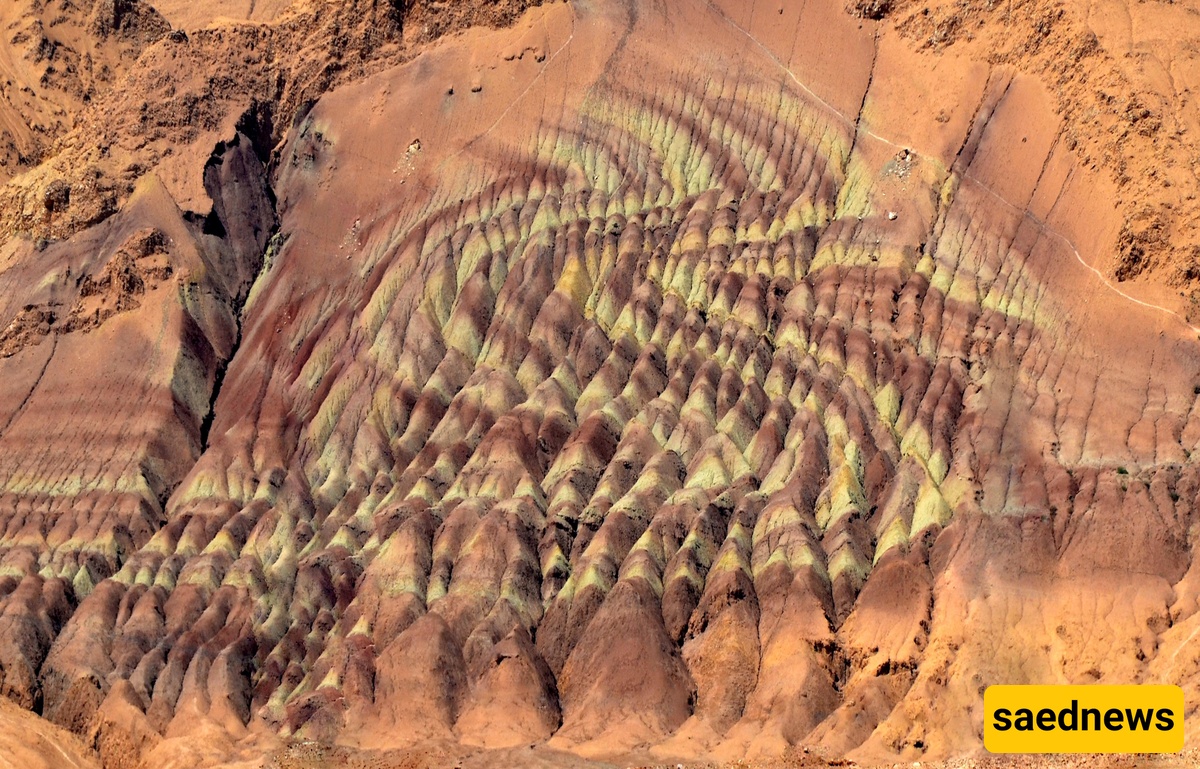
Dragon Mountain is one of the most extraordinary natural landmarks in Garmsar.
The mountain features spectacular layers of red, brown, and white soil and rock, folded into wave-like patterns that appear to dance across its surface.
Its unusual colors and geological formations resemble the body of a dragon, which is how the mountain received its name.
There is also a local legend, although it has no established historical or scientific basis, explaining the mountain's unusual appearance.
According to the story, the patterns were created during a mythical battle between the legendary Persian hero Rostam and a dragon. After defeating the creature, Rostam supposedly left its body on the mountain, creating the distinctive shapes visible today.
Whether viewed through its geological significance or local folklore, Dragon Mountain is a fascinating destination for photographers, nature lovers, and adventure seekers.
If you imagine Garmsar as an entirely hot and dry desert destination, Boneh Kuh Tourism Area may pleasantly surprise you.
Known for its cooler climate and beautiful natural surroundings, this area is one of the region's most attractive destinations for visitors looking to experience a different side of Garmsar.
While exploring Boneh Kuh, you can also take the opportunity to visit nearby historical attractions, including:
Estonavand Ancient Castle
Rig-e Tappeh
Gabri Castle
The surrounding area is also known for its delicious local fruits, including figs, green plums, and rhubarb, which are particularly enjoyable during their harvest seasons.
Boneh Kuh has historically held considerable military and strategic importance due to its location along the old Garmsar–Mazandaran route.
The nearby Hableh Rud River also attracts various species of birds and fish, adding to the area's ecological diversity and natural appeal.
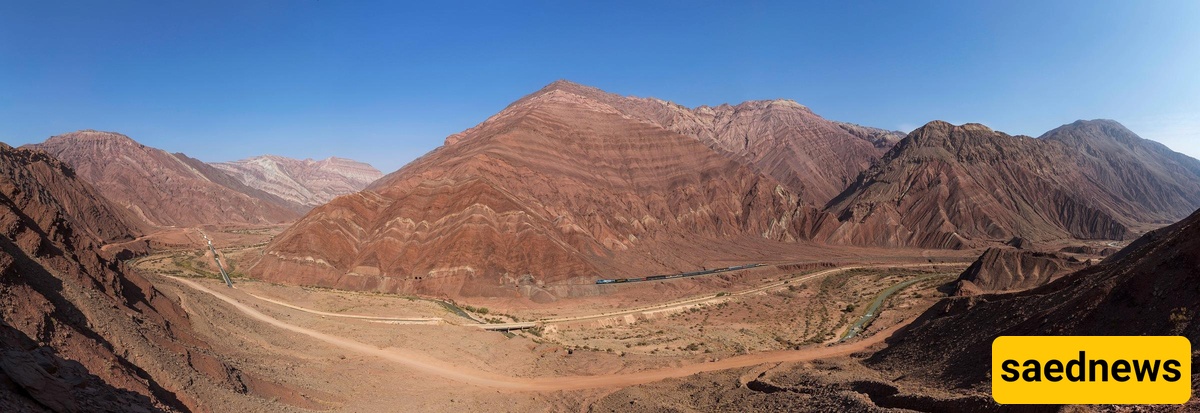
Garmsar is much more than a typical desert destination. Its combination of ancient caravanserais, mysterious landscapes, colorful mountains, historic palaces, salt formations, and scenic mountain villages makes it one of the most diverse travel destinations in Semnan Province.
Whether you are interested in exploring Persian history, discovering unusual geological formations, photographing desert landscapes, or experiencing adventurous off-road journeys, Garmsar offers something memorable for every type of traveler.
For those looking beyond Iran's more familiar tourist destinations, Garmsar is a hidden gem waiting to be discovered.