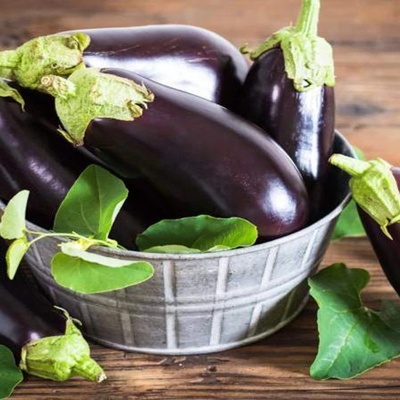
SAEDNEWS: Often discarded, eggplant peels are rich in antioxidants and dietary fiber. They can be repurposed into nutritious powder, herbal tea, crispy chips, and even natural beauty masks.
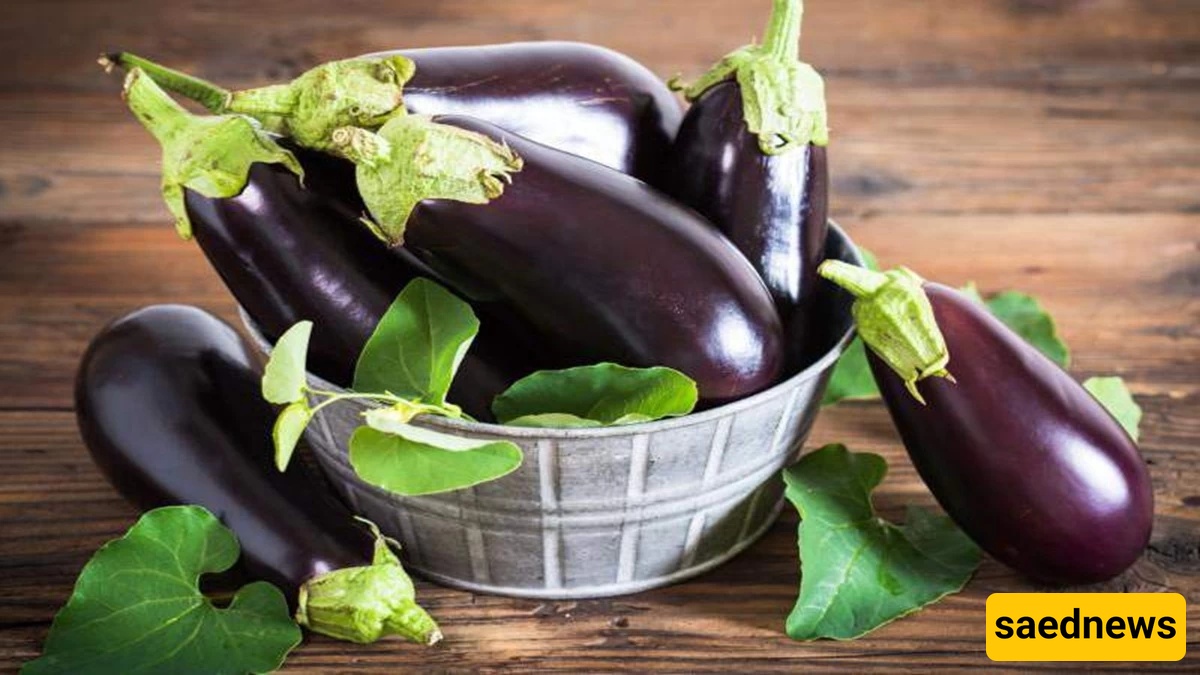
According to Saednews, Eggplant is one of the most popular and widely used vegetables in Iranian cuisine and many other food cultures. When preparing dishes such as eggplant stew, Kashk-e Bademjan, Mirza Ghasemi, or stuffed eggplant, the skin is often removed and discarded.
But have you ever considered that eggplant peels may also have nutritional value and practical uses?
In recent years, research has shown that many of eggplant’s beneficial compounds, including antioxidants and natural pigments, are concentrated in its skin. Therefore, finding ways to use eggplant peels can help reduce food waste while creating new opportunities to benefit from their properties.
Eggplant skin, particularly that of dark purple varieties, contains compounds such as anthocyanins, phenolic compounds, and dietary fiber. Laboratory research and some human studies have associated these compounds with antioxidant activity and potential benefits for heart and metabolic health.
However, it is important to remember that no single food can replace medical treatment. Eggplant peels should be used with proper hygiene, appropriate preparation, and moderation.
This article explores the different uses of eggplant peels in cooking, health, beauty, household activities, and gardening. It also covers important safety considerations and explains how to make eggplant peel powder.
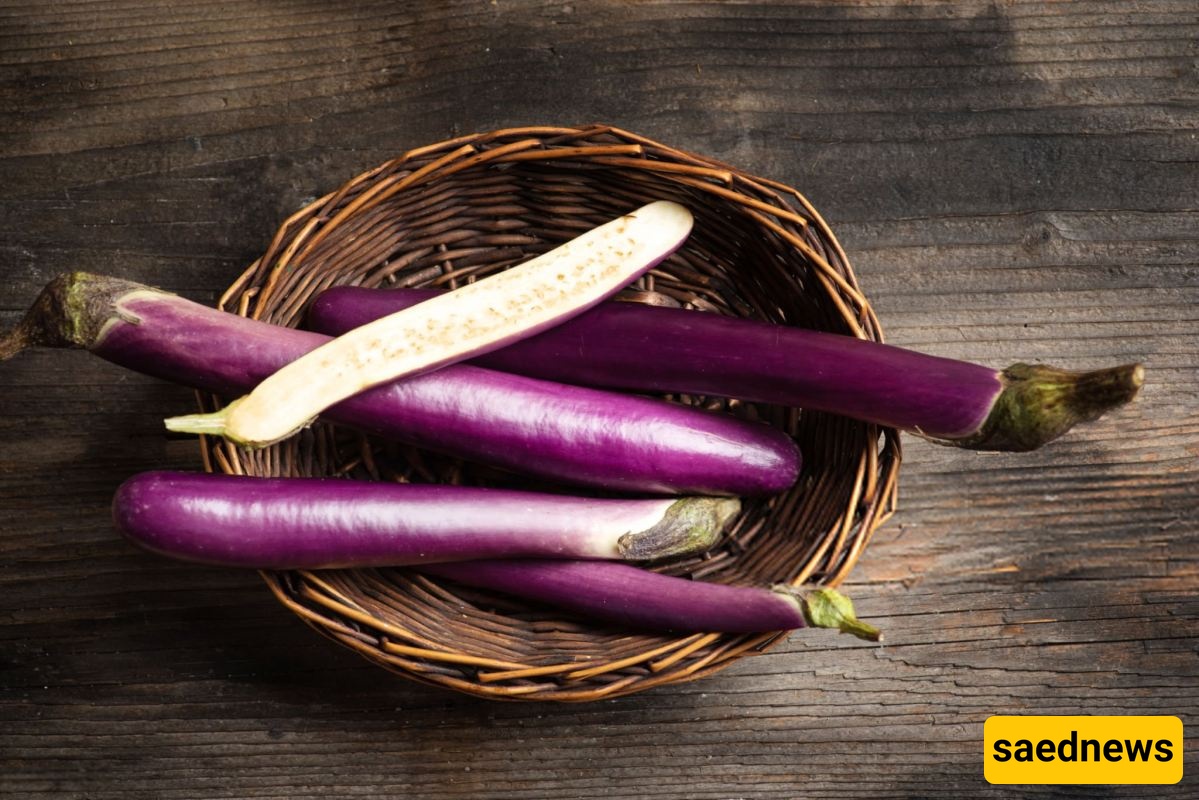
Eggplant skin is a valuable source of bioactive compounds. The most important pigments found in purple eggplant skin are anthocyanins. These are the natural pigments responsible for the deep colors of many fruits and vegetables and are known for their antioxidant properties.
One particularly notable compound found in eggplant skin is nasunin. Nasunin is a type of anthocyanin that has demonstrated the ability to neutralize free radicals in laboratory studies.
In addition, eggplant skin contains phenolic compounds, a considerable amount of dietary fiber, and minerals such as potassium.
Nevertheless, eggplant peels should not be considered a miracle food. Their nutritional value is best appreciated as part of a varied and balanced diet.
The concentration of beneficial compounds depends on the eggplant variety, growing conditions, freshness, and storage methods.
Fresh, healthy eggplants without excessive blemishes generally have better-quality skin. However, eggplant peels may contain pesticide residues, making thorough washing or choosing organically grown eggplants particularly important.
One of the easiest and most practical ways to use eggplant peels is to turn them into powder.
First, wash the eggplants thoroughly and remove the skins. Cut the peels into small pieces and dry them in an oven at a low temperature or in a shaded, dry, well-ventilated area.
Once completely dry, grind the peels into a fine powder and store it in an airtight container away from direct sunlight.
Eggplant peel powder can be added to:
Soups and stews
Tomato sauces
Strained yogurt
Smoothies
Homemade bread dough
Besides providing natural color, this powder can add small amounts of dietary fiber and antioxidant compounds to meals.
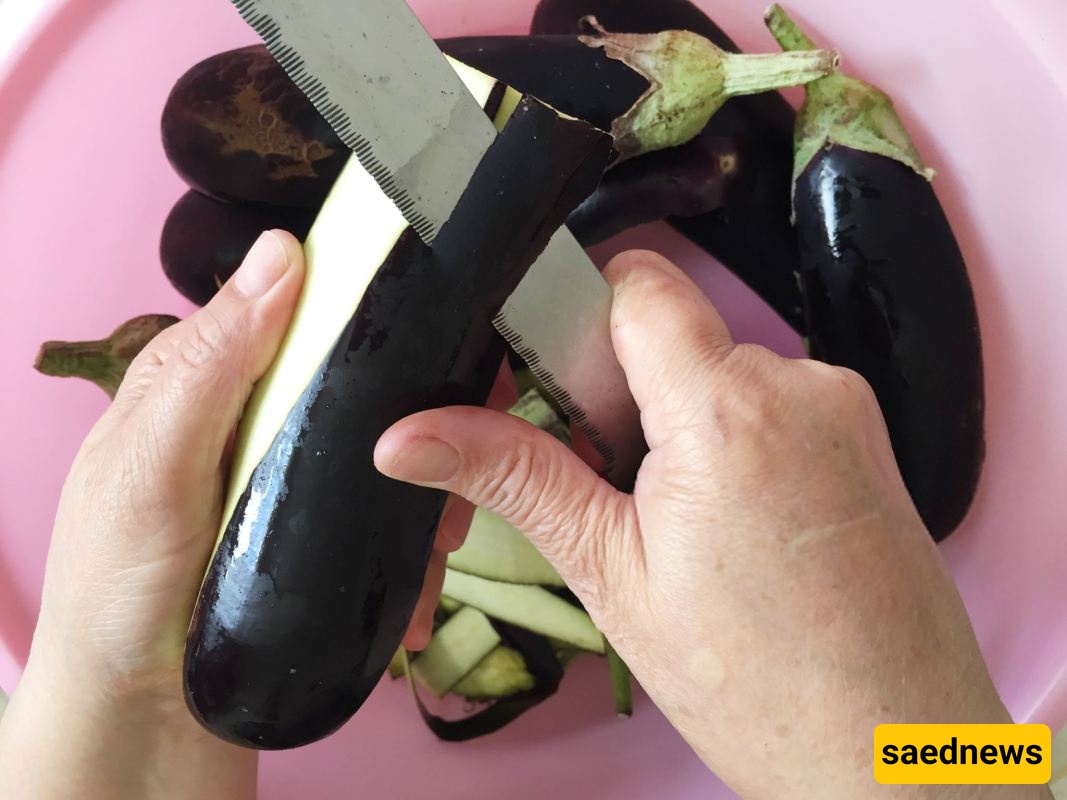
Eggplant peel tea is another traditional use that has attracted attention in some cultures.
To prepare it, place a small amount of dried eggplant peel in boiling water and allow it to steep for several minutes. Strain before drinking.
It is preferable to consume this tea without added sugar or sweeteners.
However, it should not be consumed excessively. People with underlying health conditions or those taking medication should consult their healthcare provider before making it a regular part of their diet.
Finely chopped eggplant peels can be added to stews, traditional meat and vegetable soups, omelets, and other plant-based dishes.
For easier digestion, make sure the peels are thoroughly cooked.
They can also be used in homemade pickles, preserves, and sauces.
In many recipes, eggplant skin is consumed as part of cooked vegetables rather than in large quantities raw. Proper cooking can improve its taste and may reduce compounds that cause digestive discomfort in some people.
Eggplant peels can also be transformed into a light, crispy snack.
To prepare them:
Wash the eggplants thoroughly.
Cut the peels into evenly sized pieces.
Toss them with a small amount of olive oil and your preferred seasonings, such as salt, black pepper, garlic powder, or turmeric.
Spread them on a baking tray.
Bake at approximately 120–150°C (250–300°F) until completely dry and crispy.
Turn the peels several times during baking to ensure even drying.
Eggplant peel chips can be enjoyed as a light snack or served alongside yogurt and salads.
Remember to consume them in moderation as part of a balanced diet. Avoid using excessive amounts of salt or oil.
If the peels taste bitter, soak them in lightly salted water for a few minutes before drying, then rinse thoroughly.
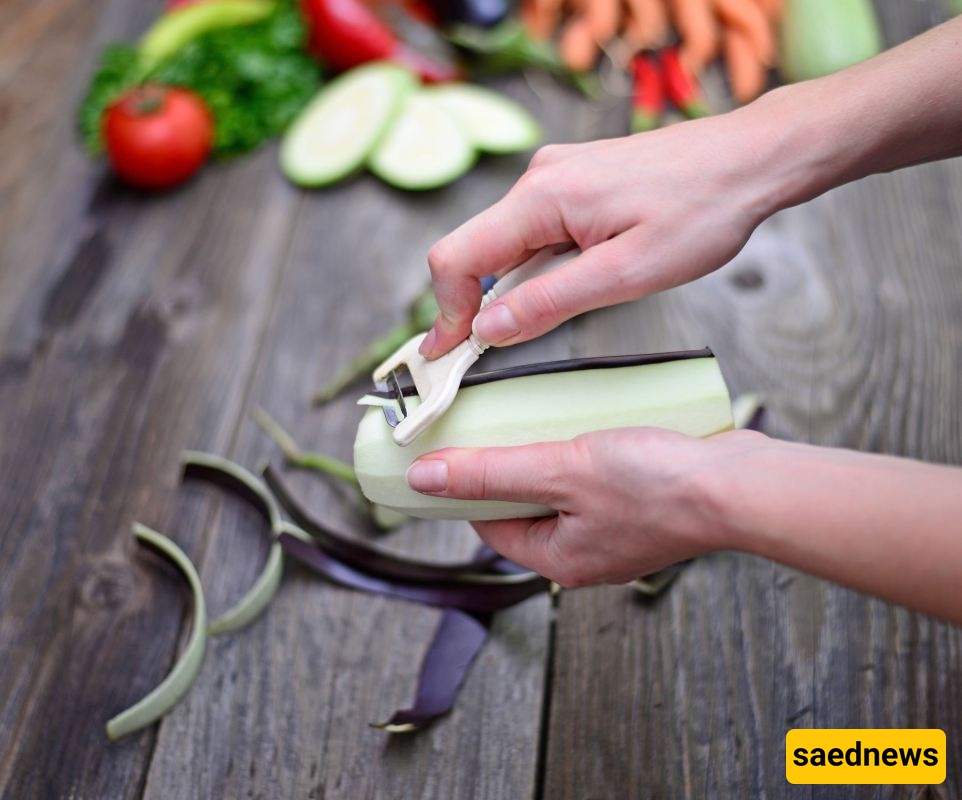
Eggplant peels are sometimes used in traditional beauty practices and homemade herbal skincare recipes.
People who support these practices believe that the antioxidant compounds in eggplant skin may help improve the appearance and freshness of the skin.
To prepare a simple homemade face mask, grate fresh, thoroughly washed eggplant skin or mix dried eggplant peel powder with a small amount of yogurt, honey, or rosewater.
Apply a thin layer to the face, avoiding the areas around the eyes and lips. Leave it on for approximately 10–15 minutes, then rinse with lukewarm water.
However, several important precautions should be considered.
First, eggplant skin may contain pesticide residues or other contaminants. Therefore, organically grown and thoroughly washed eggplants are preferable when preparing homemade skincare products.
Second, always perform a patch test before applying the mixture to your face. Apply a small amount to an area such as the inside of your arm or the back of your hand and wait 24 hours to check for irritation or an allergic reaction.
Third, homemade herbal masks are not substitutes for medical treatments for skin conditions such as severe acne, eczema, or hyperpigmentation. Consult a dermatologist if you have an ongoing skin problem.
Finally, it is better to use eggplant peel masks occasionally rather than every day.
The deep purple skin of eggplants contains anthocyanins, which act as natural pigments. This characteristic makes eggplant peels useful for several household and creative projects.
Natural Dye: Boiling eggplant peels in water produces a colored liquid that can be used to dye decorative eggs, paper, cotton fabrics, and children's craft projects. This can be an interesting alternative for people who prefer experimenting with natural dyes instead of synthetic coloring agents.
Reducing Food Waste: Store leftover eggplant peels in the freezer and gradually use them in cooking. This is a simple way to reduce household food waste.
Home Gardening: Chopped eggplant peels can be added to homemade compost or used in small quantities as organic material in plant-growing beds. They may contribute to soil structure and moisture retention, although their effects should not be exaggerated.
Some people also use eggplant peels to create natural food coloring, for example, to add color to rice or homemade dough. Always ensure that the peels are fresh, healthy, and thoroughly washed before using them in food preparation.
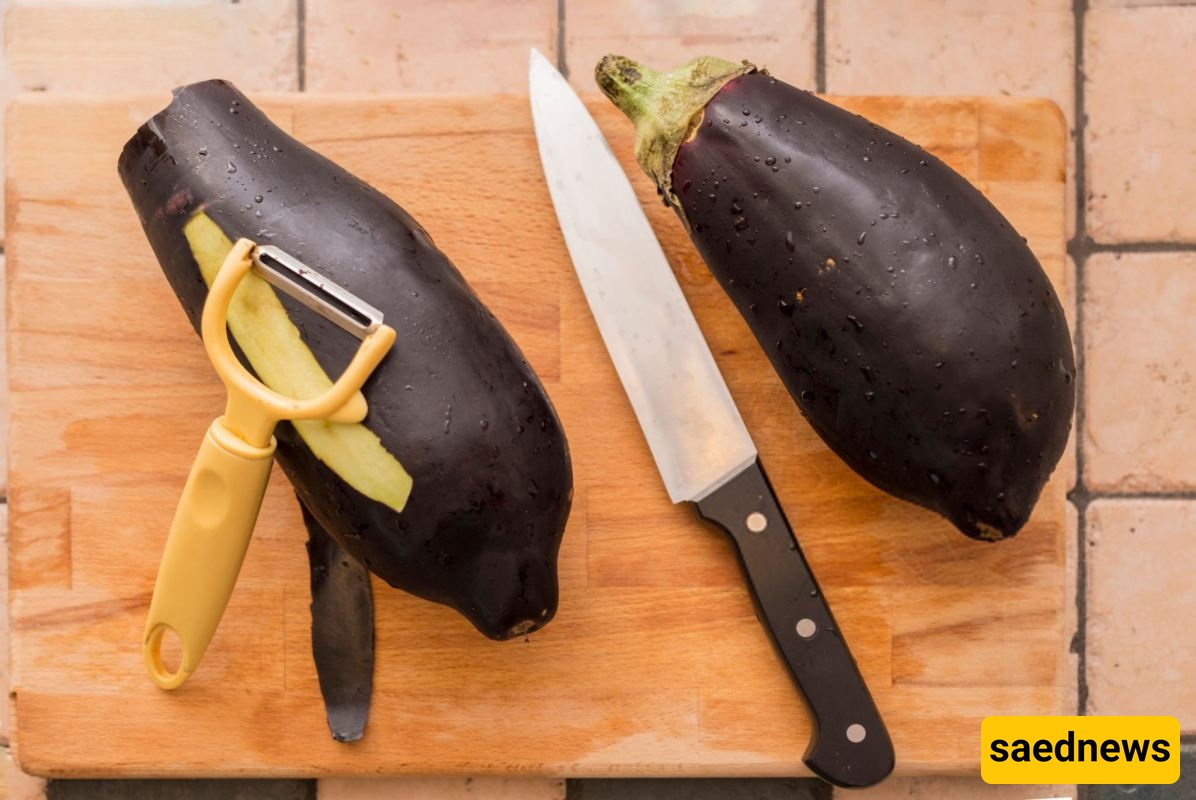
Eggplant peels can be added to compost as a source of organic material.
Since eggplant belongs to the nightshade family (Solanaceae), it is best to add its peels in balanced proportions alongside other plant-based materials.
Some gardeners also use eggplant peels as mulch on the soil surface. This may help retain moisture and reduce weed growth.
However, using fresh eggplant peels directly as fertilizer requires some caution.
It is advisable to test them in a small area of the garden first. Fresh peels may take several weeks to decompose, and excessive amounts can produce unpleasant odors or attract insects.
Although eggplant peels are generally safe for most people, several precautions should be followed:
1. Wash Thoroughly: Wash eggplants carefully under running water before removing their skins. Whenever possible, choose organically grown eggplants.
2. Avoid Excessive Raw Consumption: Eggplant peels contain compounds from the alkaloid family. Eating large quantities raw may cause digestive discomfort in some individuals. Cooking them and consuming moderate portions is recommended.
3. Watch for Allergic Reactions: If you experience itching, swelling, nausea, or digestive discomfort after consuming eggplant peels, stop eating them. Consult a healthcare professional if symptoms persist.
4. Consider Existing Health Conditions and Medications: People taking specific medications, those who are pregnant or breastfeeding, and individuals with chronic health conditions should consult a doctor or registered dietitian before regularly consuming eggplant peel tea or concentrated preparations.
5. Be Careful When Serving Children: For young children, eggplant peel consumption should be limited and preferably included in thoroughly cooked meals.
6. Use Only Healthy Peels: Avoid using skins from bruised, moldy, spoiled, or suspiciously discolored eggplants.
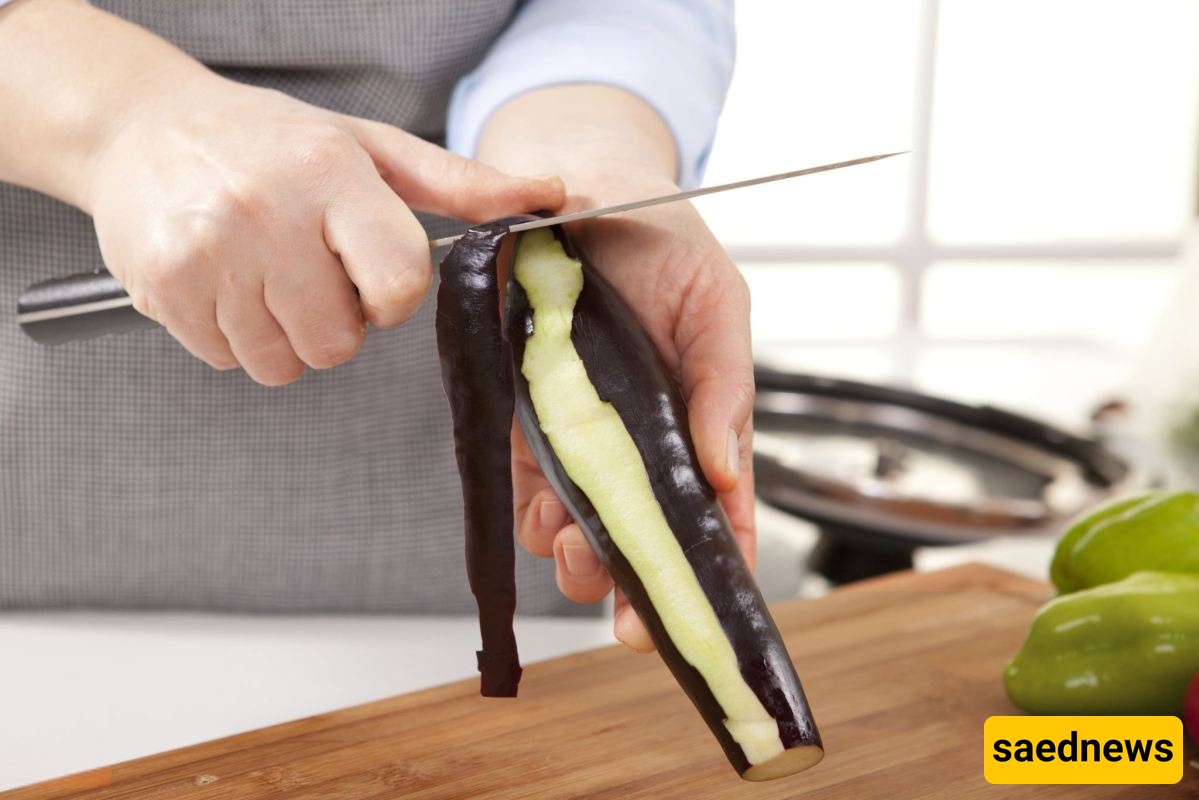
Eggplant peels are more than kitchen waste. From adding fiber and antioxidant compounds to everyday meals to creating natural dyes, homemade compost, and occasional skincare preparations, they offer several practical possibilities.
By washing, preparing, and using eggplant peels appropriately, you can reduce food waste and make better use of this often-overlooked part of a popular vegetable.
The key is to use them safely, avoid exaggerated health claims, and remember that moderation is always important.