SAEDNEWS: Enjoy making your own natural, harmless chewing gum at home using beeswax or sugar. It's a simple and fun way to create a homemade treat with natural ingredients.
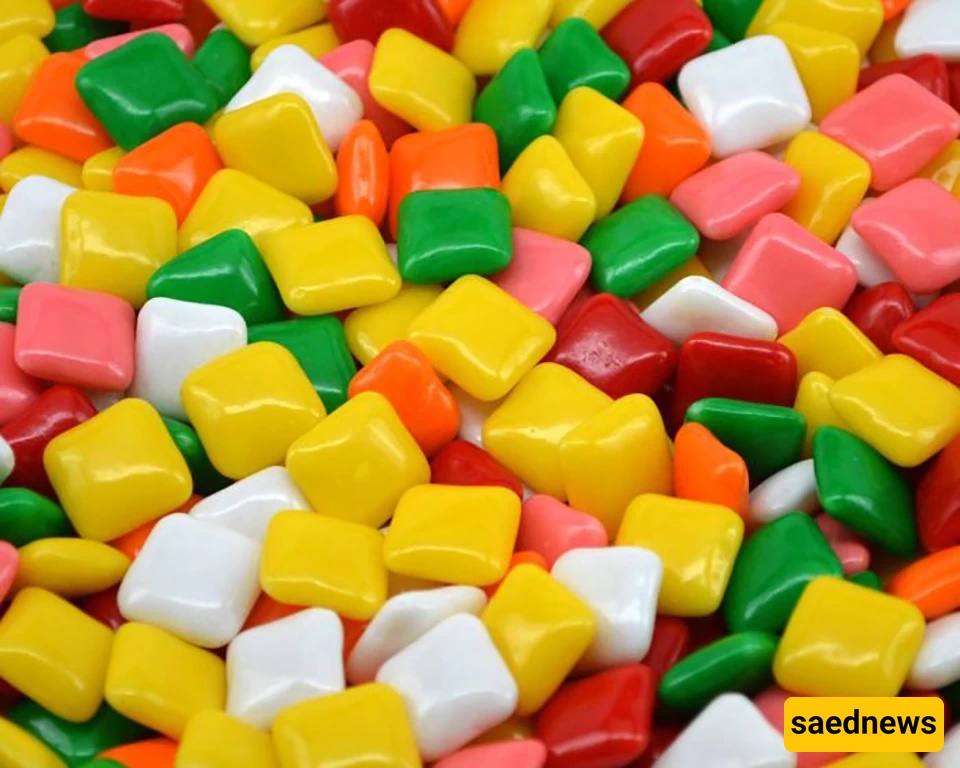
According to Saednews, If you enjoy chewing gum in a variety of flavors, making your own at home can be a fun and rewarding experience. Homemade chewing gum allows you to customize the taste while avoiding artificial colors, preservatives, and unnecessary additives commonly found in commercial products.
Interestingly, people have been chewing natural gums for medicinal and recreational purposes for more than 5,000 years. Below are two simple methods for preparing natural chewing gum at home.
Method 1: Homemade Chewing Gum with Beeswax
½ cup beeswax
1 cup powdered sugar
Natural flavoring (peppermint, cinnamon, or another favorite extract)
Honey or corn syrup (for sweetness)
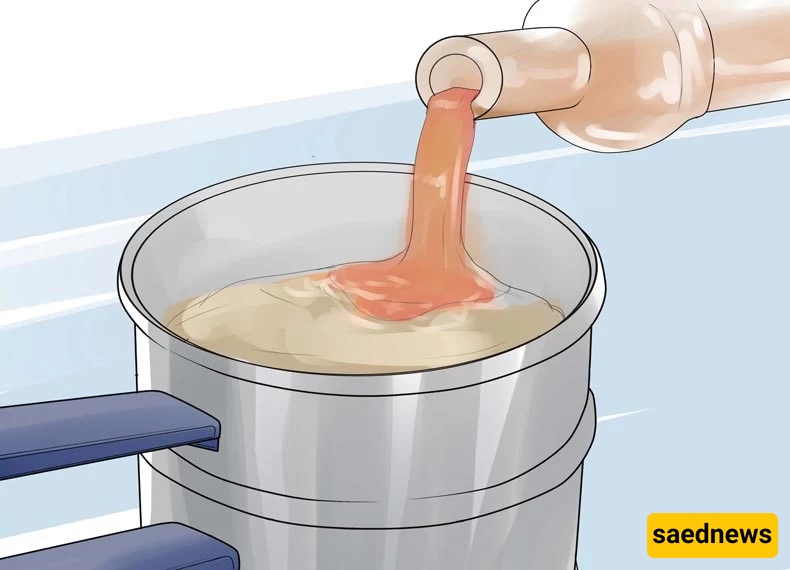
Create a double boiler by placing a heatproof bowl or smaller saucepan over a pot of simmering water.
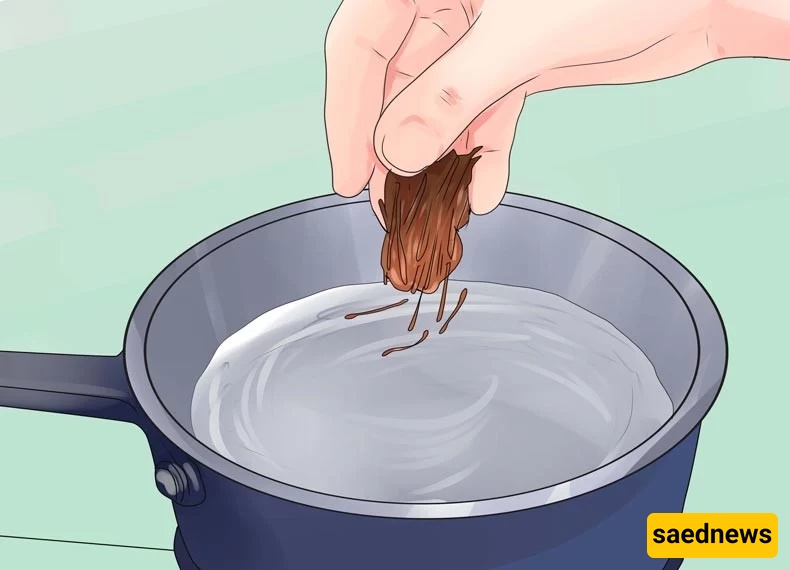
Add the beeswax to the upper container and heat it over medium heat until it melts completely.
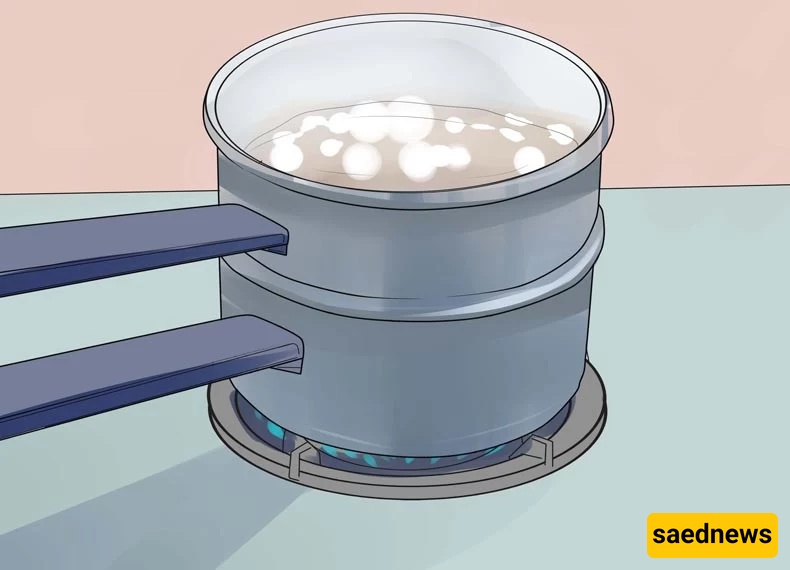
Important: Once the beeswax becomes soft and sticky, move quickly to the next step. Avoid overheating, as excessive heat can reduce the quality of the wax.
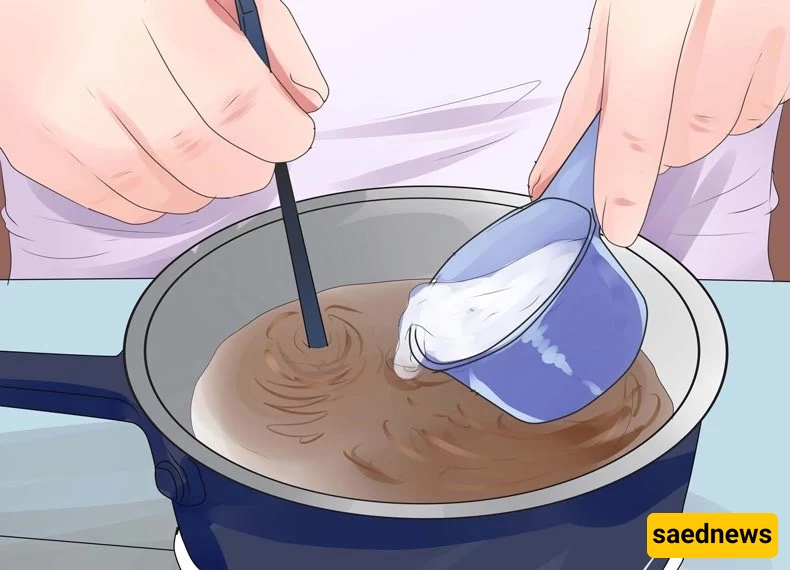
Mix honey or corn syrup into the melted beeswax.
Stir continuously until the ingredients are fully blended. Work quickly before the wax begins to harden.
Peppermint extract is one of the most popular choices for homemade chewing gum.
You can also use:
Cinnamon extract
Lemon extract
Licorice extract
Add about 5 drops of your chosen flavoring and stir well.
For a soothing chewing gum, add a little extra peppermint oil along with a few drops of fresh lemon juice. This combination has traditionally been used to help relieve mild stomach discomfort and bloating.
Gradually stir the powdered sugar into the mixture.
As you continue mixing, the gum will begin to thicken.
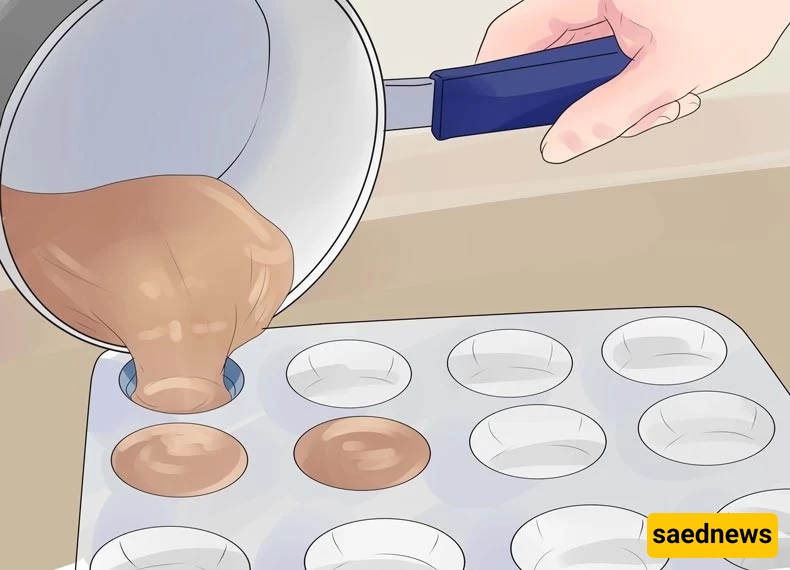
Pour the mixture into silicone molds, ice cube trays, or any small molds you have available.
Refrigerate until completely firm.
Once set, your homemade beeswax gum is ready to enjoy.
Store the gum in a cool place away from direct sunlight.
This version has a texture much closer to commercially available chewing gum while still allowing you to use natural flavorings.
⅓ cup chewing gum base
3 tablespoons corn syrup
¾ cup powdered sugar
1 teaspoon glycerin
½ teaspoon citric acid
5 drops natural flavoring (such as peppermint or lemon)
Fill a large saucepan with a small amount of water.
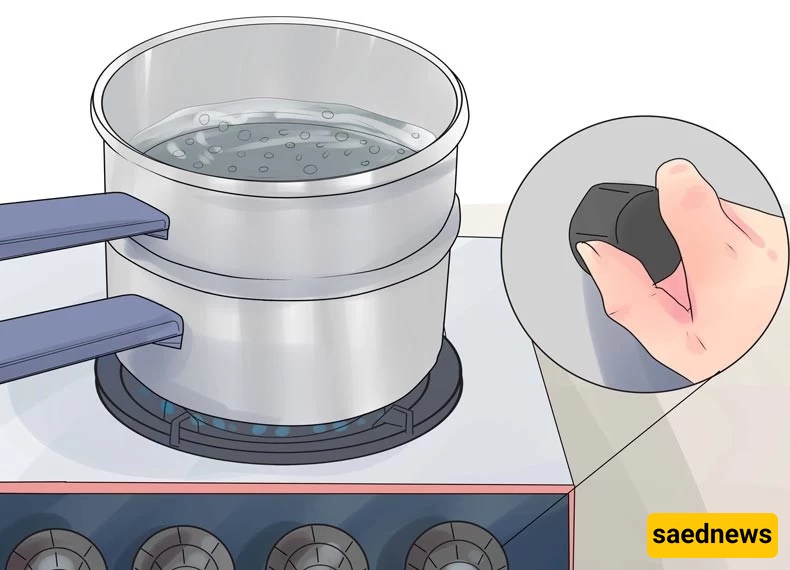
Place a smaller heatproof bowl or saucepan over it without allowing the bottom to touch the water.
This gentle heating method prevents scorching.
Combine the following in the upper bowl:
Gum base
Corn syrup
Glycerin
Citric acid
Natural flavoring
Heat over medium heat while stirring continuously until the mixture becomes smooth, hot, and sticky.
Spread powdered sugar across a clean countertop or cutting board.
Carefully pour the hot mixture directly onto the powdered sugar.
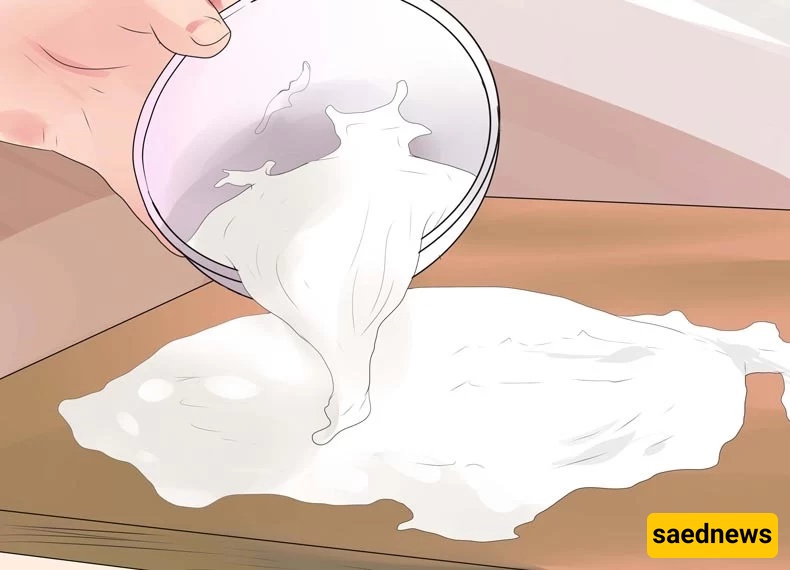
Tip: Make sure all utensils and ingredients are completely dry. Even small amounts of water can make the gum sticky and difficult to shape.
Dust your hands lightly with powdered sugar to prevent sticking.
Begin kneading the gum while gradually adding more powdered sugar as needed.
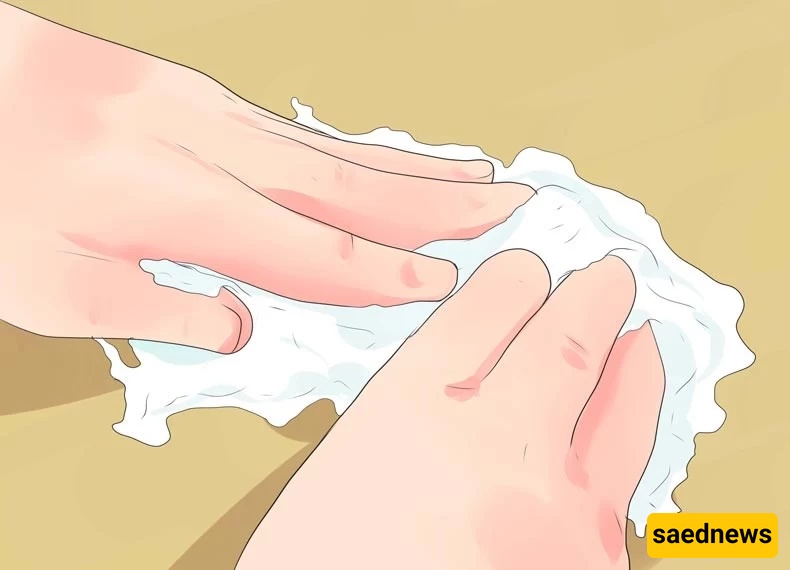
Continue kneading for approximately 15 minutes until the dough becomes smooth, elastic, and no longer sticky.
Proper kneading is essential for achieving the correct texture.
Roll the dough into a long cylinder using your palms.
A diameter of about 1 centimeter (½ inch) works well for standard-sized gum pieces.
Cut into pieces about 2–3 centimeters (1 inch) long.
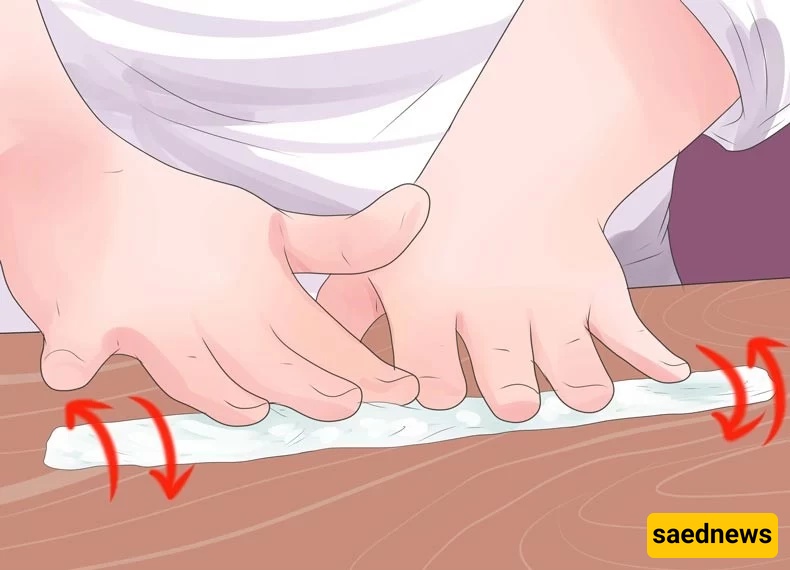
Dust the finished pieces lightly with powdered sugar to prevent sticking.
Wrap them individually in wax paper or store them in an airtight container.
Keep the gum in a cool, dry place.
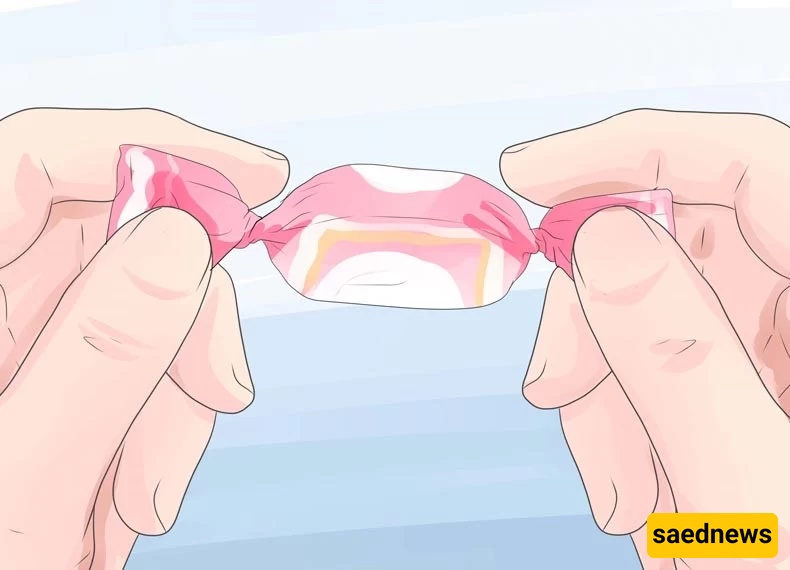
Experiment with natural flavors such as peppermint, cinnamon, lemon, orange, strawberry, or licorice.
If the gum becomes too firm, add a little more glycerin or corn syrup to soften it.
If it feels too soft or sticky, gradually mix in additional powdered sugar.
Store the gum in an airtight container for maximum freshness.
Refrigeration helps extend its shelf life.
Homemade chewing gum can generally be stored in the refrigerator for up to three months.
Making chewing gum at home is an enjoyable kitchen project that offers several advantages:
Uses simple ingredients
Free from artificial colors and preservatives
Easy to customize with your favorite flavors
Cost-effective compared to many specialty gums
Fun activity for cooking and candy-making enthusiasts
Conclusion
Homemade natural chewing gum is a simple, affordable, and satisfying project that lets you create fresh, flavorful gum with ingredients you choose yourself. Whether you prefer a traditional beeswax-based recipe or a softer gum made with a chewing gum base, both methods produce delicious results without relying on artificial additives.
By following the steps carefully and adjusting the flavor to your taste, you can enjoy personalized chewing gum that is fresh, customizable, and made with greater control over its ingredients than many commercially produced alternatives.