SAEDNEWS: A change of environment can sometimes make sleep easier by reducing everyday distractions and changing familiar routines. However, travel can also disrupt sleep when schedules, surroundings, or sleep habits change significantly.
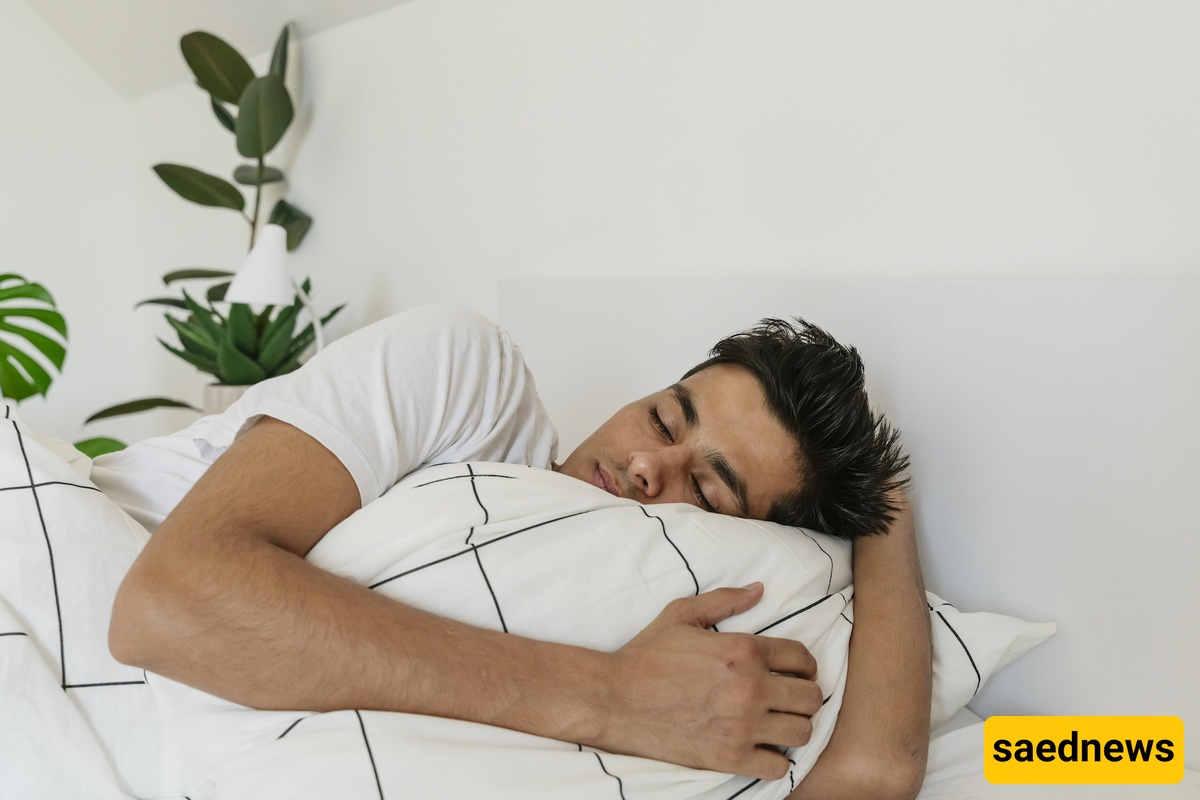
According to SAEDNEWS, some people surprisingly sleep better when they travel, even though sleeping in an unfamiliar place might seem more difficult. One possible reason is that a new environment can temporarily separate people from the routines, responsibilities, and distractions associated with home.
At home, bedtime may be connected with unfinished tasks, household responsibilities, work-related thoughts, or familiar sources of distraction. During a trip, these cues may disappear for a while. A quieter room, a comfortable hotel environment, or simply having fewer daily responsibilities can make it easier for some people to relax.
Travel can also create a psychological sense of distance from everyday pressures. When the mind is less occupied with routine concerns, falling asleep may become easier.
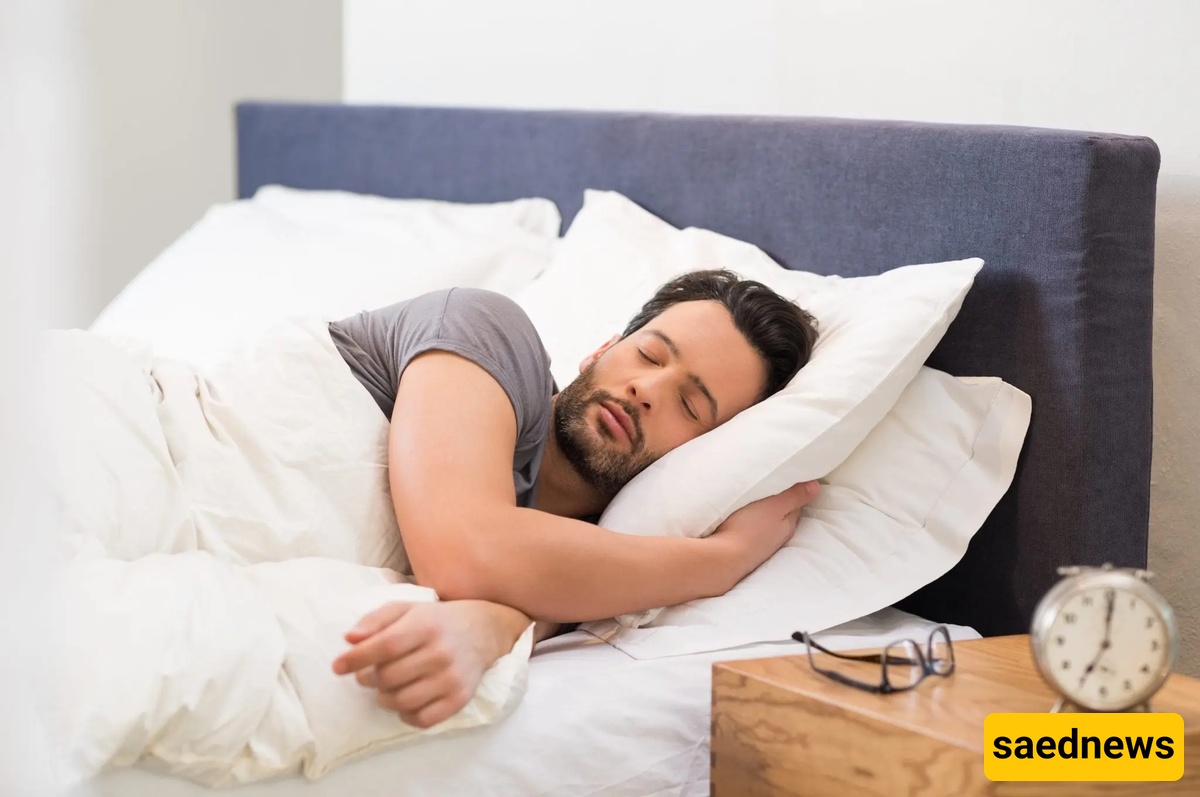
People often associate good sleep with having a strict routine, but routines are not always equally relaxing. A person whose normal evening is filled with chores or screen use may experience a different bedtime atmosphere while traveling.
Some travelers naturally adopt habits that support sleep, such as:
Spending more time outdoors during the day
Walking more than usual
Following a clearer evening schedule
Taking a break from work-related activities
Going to bed after a physically active day
These changes can contribute to feeling naturally tired at night.
A new environment may also influence attention and mood. Experiencing a different place can temporarily shift the mind away from repetitive thoughts associated with everyday life. For some people, this change feels refreshing rather than stressful.
However, the opposite can happen as well. Unfamiliar sounds, different room temperatures, a new bed, or concerns about the next day's plans can make sleep more difficult. Research on sleep in unfamiliar environments also shows that the first night in a new setting can sometimes involve changes in sleep patterns.
Better sleep during a trip may therefore have less to do with the destination itself and more to do with what changes around bedtime. If travel provides a comfortable sleeping environment, daylight exposure, physical activity, and fewer daily worries, some people may notice that they fall asleep more easily or wake feeling more rested.
The effect is not universal. Jet lag, late-night activities, unfamiliar surroundings, and changes in normal sleep times can all interfere with sleep. For this reason, sleeping better while traveling is possible, but it depends heavily on the individual and the conditions of the trip.