SAEDNEWS: Kayhan newspaper, strongly criticizing the performance of Iran’s diplomatic team, has described the Islamabad memorandum as a deceptive plan.
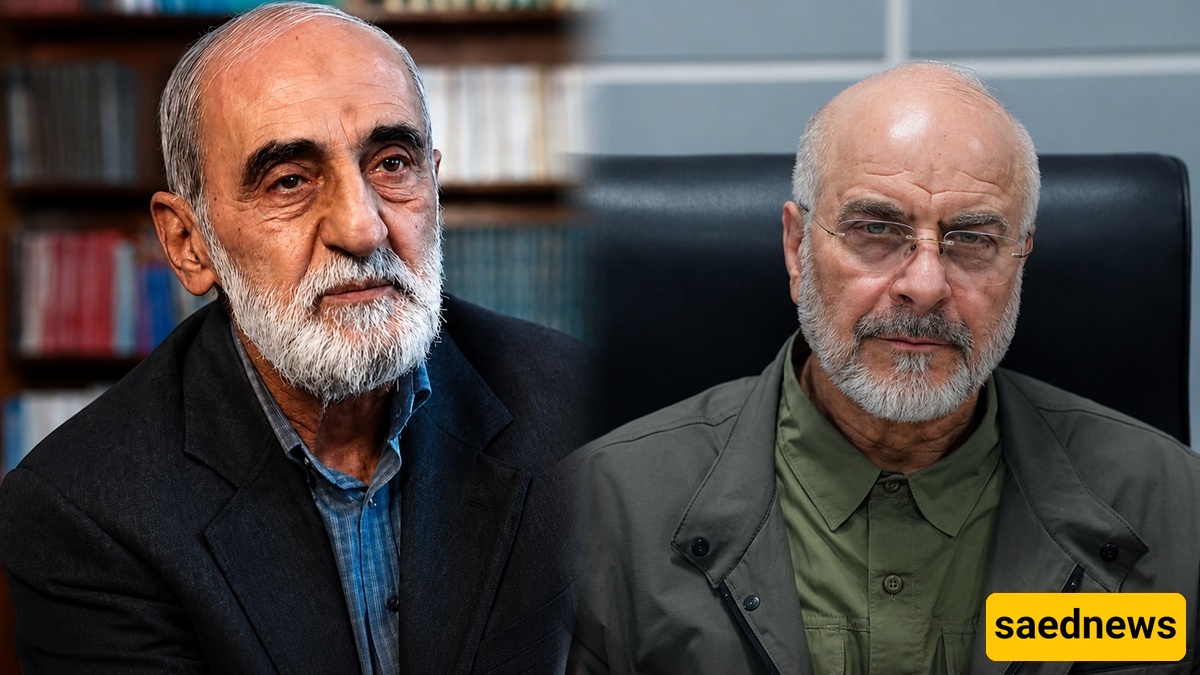
According to the political service of SaedNews, the newspaper Kayhan stated in a recent editorial that, following an analysis of the consequences of the “Islamabad Understanding” finalized on June 18, 2026, it has accused the Iranian negotiation team of excessive optimism and falling into a Washington trap. The paper writes that diplomacy was supposed to move in parallel with field achievements, but 14 days after the signing of this 60-day document, repeated U.S. violations have revealed its deceptive nature.
Kayhan reviews alleged violations by the United States point by point:
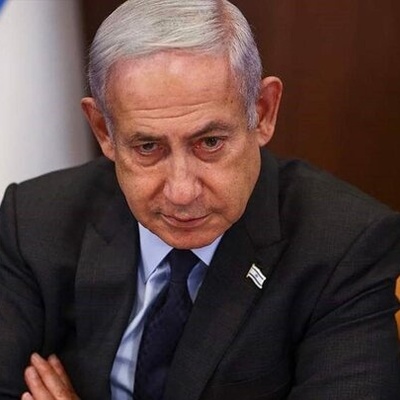
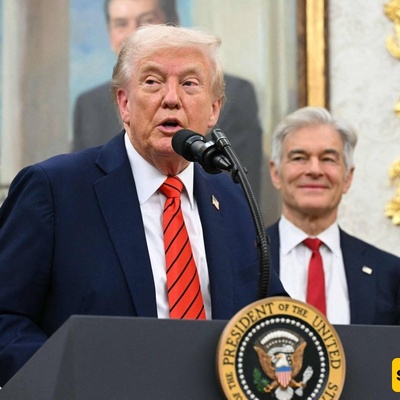
Violation of Clause 1 (cessation of military operations): Despite commitments to end the war and guarantee Lebanon’s territorial integrity, Benjamin Netanyahu insists on remaining in southern Lebanon. In addition, ongoing threats from Donald Trump, direct U.S. military and drone strikes against Iranian positions, and Washington-mediated agreements between Beirut and Tel Aviv that facilitate occupation are all described as clear violations of this clause.
Violation of Clause 5 (safe passage through the Strait of Hormuz): Kayhan criticizes Iran’s immediate reopening of the Hormuz route. According to the newspaper, this decision allowed Trump to avoid an oil crisis of $110 per barrel, without linking the reopening to a resolution of the war or receipt of compensation.
Violation of Clause 11 (unfreezing of assets): While Iranian frozen funds (estimated between $24 billion and $100 billion) were supposed to become accessible to the Central Bank, U.S. Secretary of State Marco Rubio has denied any transfer of funds. Trump has only authorized credit for purchasing American goods such as corn and soybeans. Additionally, Treasury Secretary Scott Bessent confirmed that Iran, despite exemptions, remains unable to sell oil to non-Chinese buyers.
Violation of Clause 6 (reconstruction pledge of $300 billion): This promise has also not been fulfilled. Marco Rubio stated that such issues were not discussed in meetings with Arab countries, and the joint U.S.–Gulf statement tied investment to Iran’s missile and drone capabilities.
Elsewhere in the report, citing The New York Times, it refers to deep divisions within U.S. political parties and even among Trump supporters (the MAGA movement) over the management of the war and negotiations with Iran. A Siena Institute poll shows that 53% of Republicans under the age of 45 are dissatisfied with Trump’s performance, indicating a lack of domestic political consensus in the United States for sustaining a durable agreement.
The report further emphasizes that the core issue lies in the legal structure of U.S. sanctions. The “Islamabad Understanding” only temporarily suspends oil and petrochemical sanctions, creating economic instability, and can be reversed by a single presidential signature. Congressional legislation such as CISADA and NDAA prevents the permanent lifting of sanctions, meaning that waivers remain temporary.
Finally, Kayhan warns against continuing negotiations in Switzerland under the label of “technical meetings,” describing the Islamabad agreement as a dangerous formula designed in Washington and Tel Aviv think tanks. It claims that the purpose of these “illusory incentives” and paper promises is the gradual stripping of Iran’s control over the Strait of Hormuz and the weakening of its defense and nuclear capabilities. The newspaper strongly criticizes the negotiation team for not halting talks despite what it describes as clear violations and calls for accountability.