SAEDNEWS: A thin layer of liquid on yogurt is often linked to whey separation, but storage conditions and handling can make it more noticeable.
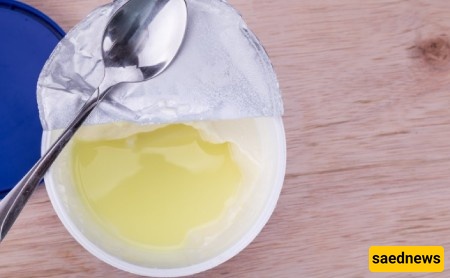
According to SAEDNEWS, finding a watery layer on the surface of yogurt after it has been refrigerated does not necessarily mean the yogurt has spoiled. That liquid is usually whey, a natural component of milk that can separate from the thicker yogurt structure. One less-discussed reason this happens is repeated movement or disturbance of the yogurt after it has set.
Yogurt develops its characteristic texture as milk proteins form a delicate gel during fermentation. Once this structure has formed, repeatedly shaking, stirring, or moving the container can weaken parts of the gel. As a result, whey can escape from the protein network and collect on the surface.
This can become more noticeable when a container is frequently taken out of the refrigerator and returned, especially if the yogurt is handled roughly. Even without obvious shaking, repeatedly scooping from the same container can gradually change its texture and encourage liquid separation.
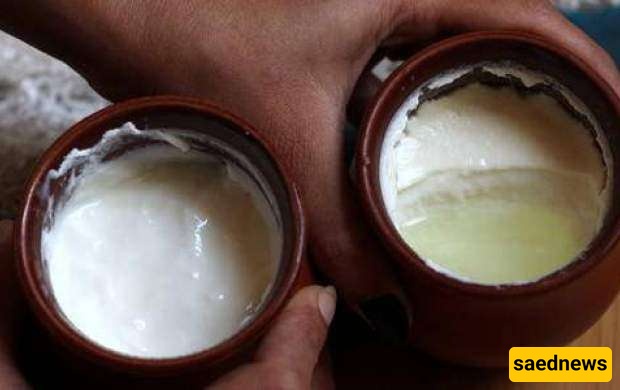
Refrigeration slows fermentation and helps preserve yogurt, but it does not completely stop physical separation. Over time, some yogurt varieties naturally release small amounts of whey.
Factors that can make separation more visible include:
A softer or less firm yogurt structure
Repeated stirring or shaking
Keeping the container partially used for several days
Temperature fluctuations during storage
The natural composition of the yogurt
The presence of a small amount of clear or pale liquid alone is therefore not a reliable sign that the yogurt has gone bad.
If the yogurt otherwise looks and smells normal, the separated liquid can usually be gently mixed back into the yogurt. To reduce further separation, keep the container properly covered and refrigerated, and avoid unnecessary shaking or repeated temperature changes.
However, liquid separation should be distinguished from actual spoilage. An unusual smell, visible mold, unexpected discoloration, or a noticeably abnormal appearance is a stronger reason to discard the yogurt rather than simply stirring it.