SAEDNEWS: Some fabrics quickly develop wrinkles again because of moisture, heat, fabric type, or improper ironing technique. Understanding these factors can help clothes stay neat for longer.

According to SAEDNEWS, ironing does more than simply flatten wrinkles. Heat and moisture temporarily change the way fabric fibers sit, but that effect may not last if the fibers quickly return to their original shape. If a shirt or pair of trousers looks perfectly smooth immediately after ironing but becomes wrinkled within minutes, the problem may be related to the fabric, moisture, or the way it was ironed.
Different fabrics respond differently to heat and pressure. Natural fibers such as cotton and linen can wrinkle relatively easily because their fibers can shift when exposed to movement and moisture. Some lightweight or loosely woven fabrics may also lose their freshly pressed appearance quickly.
Synthetic or blended fabrics can behave differently because their fibers may retain certain shapes more readily. However, the specific care instructions on the garment label should always guide the ironing temperature.
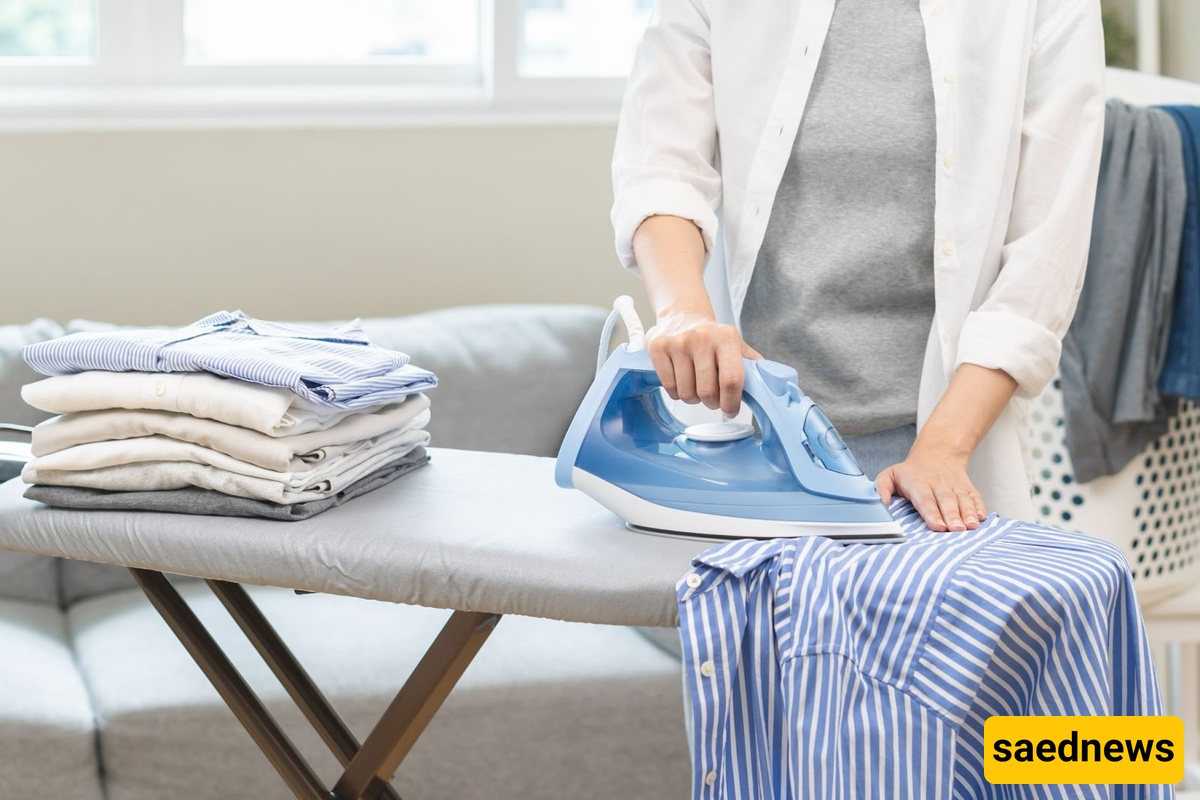
A little moisture can make wrinkles easier to remove, but clothes that remain noticeably damp after ironing may wrinkle again as they dry or are moved.
For better results:
Avoid ironing clothes that are excessively wet.
If using steam, allow the fabric to settle briefly afterward.
Make sure the garment is completely dry before folding or wearing it.
Simply moving the iron rapidly over the fabric may remove visible wrinkles without sufficiently setting the fibers into a smooth position. Pressing gently and moving methodically across the garment can produce a more lasting result.
For stubborn areas, it can help to work in small sections rather than repeatedly passing over the entire garment. The correct temperature is also important because insufficient heat may not effectively relax the fibers, while excessive heat can damage some materials.
Even perfectly ironed clothes can wrinkle quickly if they are immediately folded, squeezed into a crowded wardrobe, or worn while the fabric is still warm and slightly damp.
After ironing, hang the garment on a suitable hanger and give it a little time to cool and dry completely. Avoid pressing other clothes tightly against it while the fabric is still warm.
For clothes that repeatedly lose their smooth appearance, try this sequence:
Check the care label and select the recommended ironing temperature.
Prepare the fabric so it is dry or only slightly damp when appropriate.
Iron in sections, using steady movements and enough pressure to smooth the fibers.
Hang the garment immediately rather than folding it while warm.
Let it cool completely before placing it in a wardrobe or drawer.
The goal is not simply to make clothes look smooth for a few minutes. Proper temperature, controlled moisture, careful ironing, and appropriate storage can help the freshly pressed appearance last considerably longer.