SAEDNEWS: Everything You Need to Know About Making Chickpea Hummus, Plus How to Prepare Arabic Hummus at Home
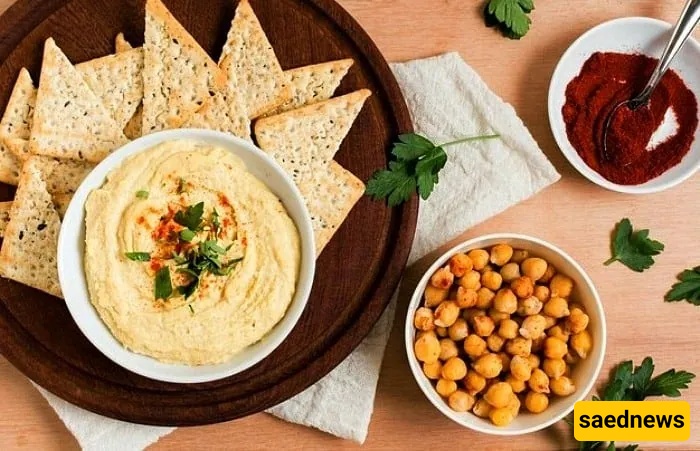
According to Saednews, Hummus (Hummus) is an Arab dish that has become an international food due to its popularity. It is interesting to know that preparing hummus is very simple, and you can easily make it at home and enjoy eating it. Making different types of chickpea hummus takes only about 30 minutes. To prepare this dish, you need chickpeas, tahini, olive oil, garlic, lemon juice, and a food processor.
Hummus is a soft and creamy puree made from cooked chickpeas, tahini, and usually lemon juice. Hummus has been used for a long time in the Middle East, the Mediterranean, and North Africa. Some historians attribute the original hummus recipe to Egypt. However, regardless of its origin, hummus now has many fans around the world.
Chickpea hummus is high in protein and is simple and inexpensive to prepare. The ingredients of various hummus recipes also have a long shelf life—long enough to keep ship crews alive until they can obtain food from a new port.
Today, there are many methods for preparing and flavoring hummus. Every country, region, neighborhood, and family has its own method, and all of them are considered correct.
There are many types of hummus recipes. You can enjoy hummus flavored with roasted bell peppers, caramelized onions, roasted garlic, eggplant, beetroot, spices, pickles, and more. There are also sweet versions of hummus, which are actually less like traditional hummus. These sweet versions are more like chickpea puree with sweeteners and may include ingredients like chocolate chips or fruit. These may be labeled as dessert hummus, but they do not contain garlic, tahini, or other defining hummus ingredients.
The word “hummus” in Arabic essentially translates to “chickpeas.” To prepare your ideal Lebanese-style hummus, you must follow certain steps and tips. Chickpeas are the main ingredient. While modern hummus usually includes garlic, it was not used in hummus recipes centuries ago.
Olive oil is also not strictly required, but most modern recipes include it. Also, properly cooking chickpeas should not take more than one hour.
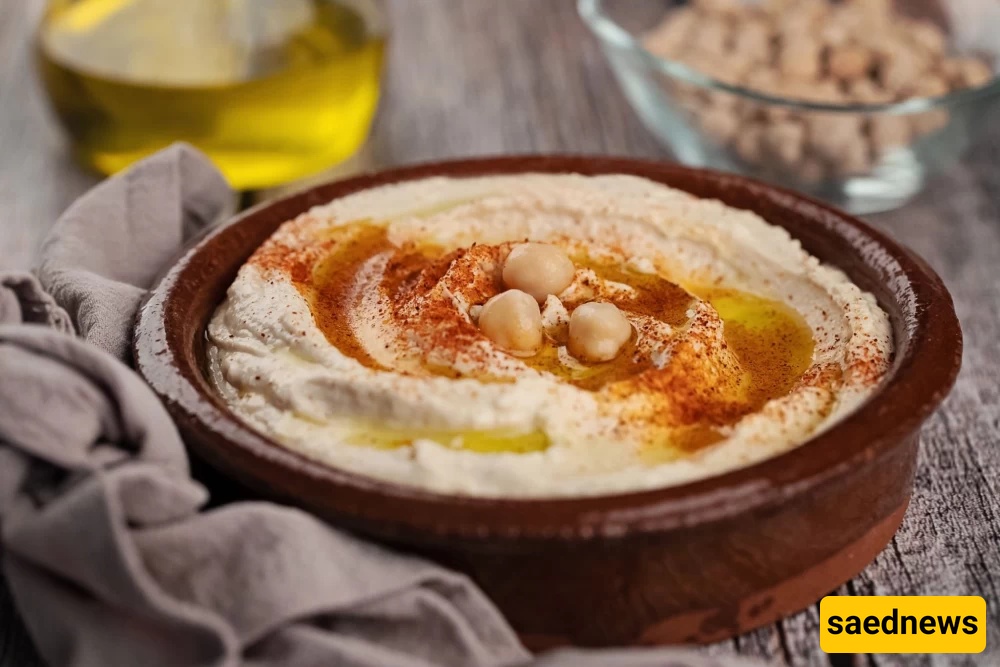
Dry chickpeas: 1 cup
Tahini: 1/2 cup (tahini is a paste made from ground sesame seeds and gives hummus its distinctive flavor)
Olive oil: 2 tablespoons
Fresh large lemons: 2 (or 1/2 cup lemon juice)
Salt: 1 teaspoon
Garlic: 1–2 cloves
Ice: 2 cubes
Soak chickpeas overnight in a large bowl of water (they should double in size the next day).
Rinse chickpeas and place them in a pot with double the amount of cold water. Bring to a boil, then reduce heat. To check doneness, press a chickpea between your fingers; the skin should come off easily.
Quickly peel the chickpeas while they are still warm.
Add chickpeas, tahini, lemon juice, garlic, salt, and some olive oil into a food processor and blend for a few minutes.
Add 2–3 ice cubes and blend again until smooth.
Taste and adjust lemon juice, salt, tahini, or chickpea water as needed to achieve the desired texture.
Hummus is one of the most requested recipes in Istanbul. The hardest part is removing the chickpea skins. If you boil the chickpeas properly, the skins will start to separate on their own. You only need to remove the loose skins manually.
This process takes time, but once the skins are removed, the hummus becomes much smoother. It is worth the effort. Because it contains lemon, salt, and garlic, it can be stored in the refrigerator in a sealed container for up to two weeks.
Chickpeas: 1 cup
Tahini: 2 tablespoons
Lemon juice: 1/2 cup
Olive oil: 2 tablespoons
Lukewarm water: 1/4 cup
Cumin: 1 teaspoon
Garlic: 2 cloves
Sweet bell pepper: 3 tablespoons
Red pepper: as needed
Salt: as needed
Cook chickpeas in a pressure cooker until soft.
Peel the cooked chickpeas.
Blend chickpeas, tahini, lemon juice, water, olive oil, cumin, garlic, and salt in a food processor until creamy.
Transfer to a serving plate.
Heat olive oil in a pan.
Add chili pepper and sauté briefly, then remove from heat.
Pour the spicy oil over the hummus.
Sprinkle some pepper on top.
In Istanbul-style hummus, cumin and pepper are used.
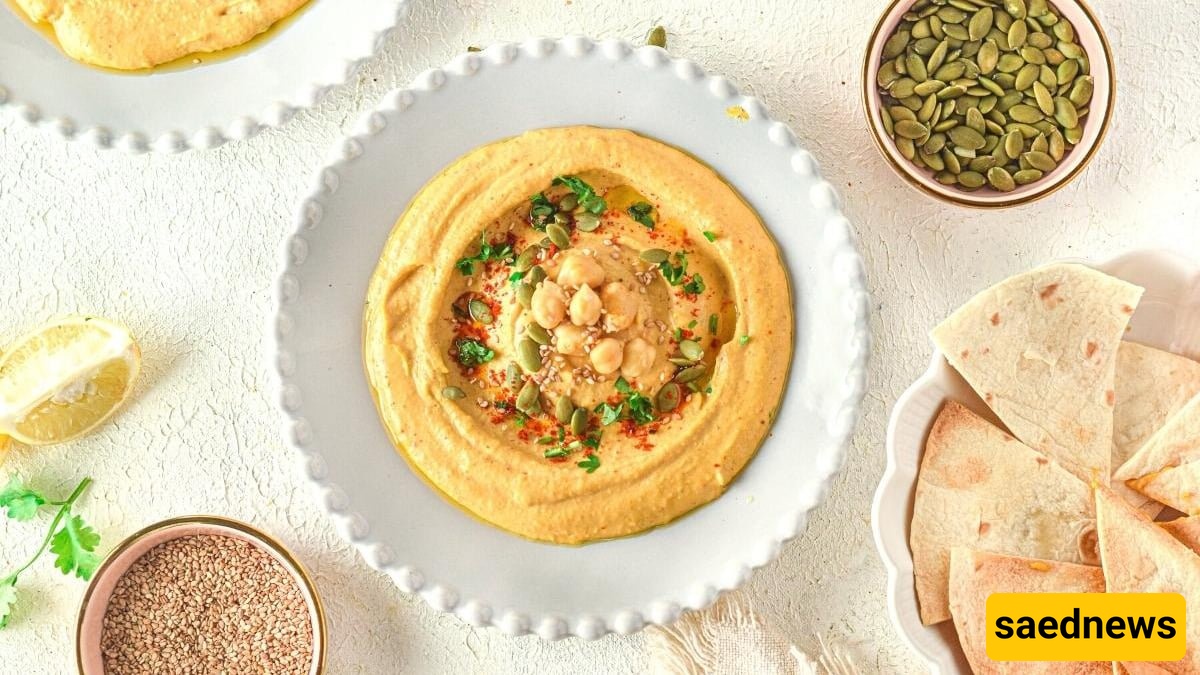
Hummus has long been considered a healthy food due to its simple and nutrient-rich ingredients. Choosing high-quality hummus or making it with unsaturated fats and minimal ingredients increases its health benefits.
The fats in hummus mainly come from tahini and consist of unsaturated and monounsaturated fats. These support heart health. Research suggests they may also support cognitive function and mental health and help prevent diseases such as Alzheimer’s.
Chickpeas are a good source of plant-based protein. Protein increases satiety, helping reduce overall calorie intake. Chickpeas also contain fiber, which is essential for health and weight balance.
Chickpeas provide complex carbohydrates and fiber, which help regulate blood sugar, cholesterol, gut health, and weight, and may reduce the risk of some cancers.
Studies show hummus may improve overall diet quality by replacing foods high in saturated fat, sodium, or added sugars. It can also improve blood sugar control after meals, cholesterol levels, appetite control, and daily food intake.
If you are allergic to chickpeas or sesame, be cautious when consuming hummus. Always read labels carefully, as hummus often contains added ingredients. Chickpea allergies may be related to cross-reactivity in people sensitive to soy, peas, lentils, or nuts. If you experience symptoms after eating hummus, avoid it. Tahini rarely causes allergic reactions, affecting only about 0.1% of people.