SAEDNEWS: Three Amazing Homemade Caesar Salad Dressing Recipes (Including an Egg-Free Option)
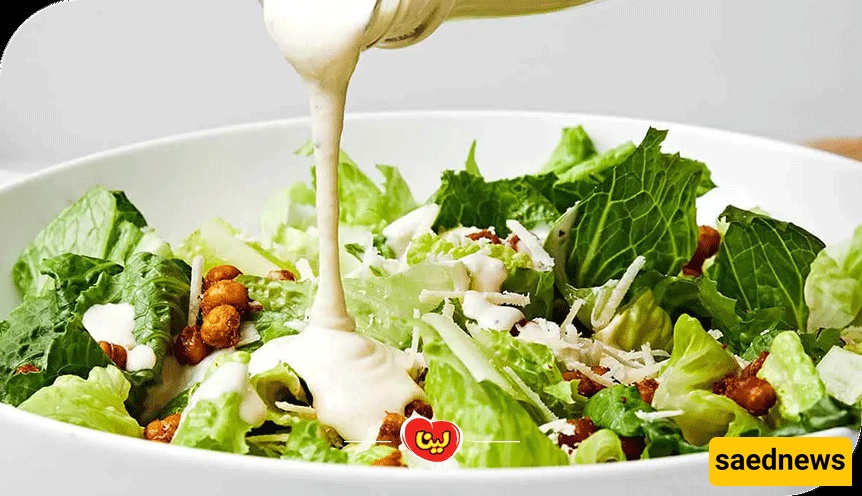
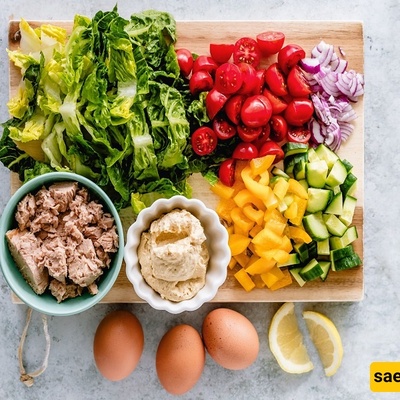
According to the SaedNews culinary service, Caesar salad—made with crisp romaine lettuce, garlic croutons, and generous Parmesan cheese—is incomplete without its creamy, flavorful Caesar dressing. This dressing is the heart of the salad, balancing salty, tangy, and umami flavors in perfect harmony. In this comprehensive guide, you will learn how to prepare the best Caesar salad dressing at home using several methods, from traditional to modern and healthier versions.
The classic Caesar dressing is based on raw or lightly cooked egg, olive oil, garlic, anchovies, lemon juice, Worcestershire sauce, Dijon mustard, and Parmesan cheese. This combination creates a rich, creamy sauce full of complex flavors that perfectly coats romaine lettuce.
Although anchovies may seem unusual to some, they are essential for adding depth and umami richness. Importantly, they do not give the dressing a fishy taste.
Traditionally, this dressing was prepared by continuous hand whisking. Today, a blender or food processor can achieve the same creamy texture much faster. The key is proper emulsification of oil and egg, adding oil gradually while mixing to ensure a smooth, stable dressing that does not separate.
1 whole egg (or 1 egg yolk)
2 garlic cloves (finely minced or grated)
2–3 anchovy fillets (optional, finely chopped)
1 tsp Worcestershire sauce
1 tsp Dijon mustard
Juice of ½ fresh lemon
½ cup extra virgin olive oil
¼ cup grated Parmesan cheese
Salt and black pepper to taste

For those concerned about raw eggs or looking for a quicker preparation method, the egg-free version is an excellent choice. In this recipe, mayonnaise or Greek yogurt replaces eggs to provide creaminess and texture.
These substitutes also create a milder flavor, making the dressing more suitable for sensitive palates. The essential Caesar taste is still preserved, but with added convenience and improved food safety.
Since mayonnaise is already an emulsion, there is no need to worry about oil separation. This version is ideal for parties or when time is limited. Greek yogurt can also be used to reduce fat content and create a healthier alternative.
½ cup mayonnaise
2 garlic cloves (minced or grated)
2–3 anchovy fillets (optional, finely chopped)
1 tsp Worcestershire sauce
1 tsp Dijon mustard
Juice of ½ lemon
¼ cup grated Parmesan cheese
Salt and black pepper to taste
1–2 tbsp water (to thin if needed)
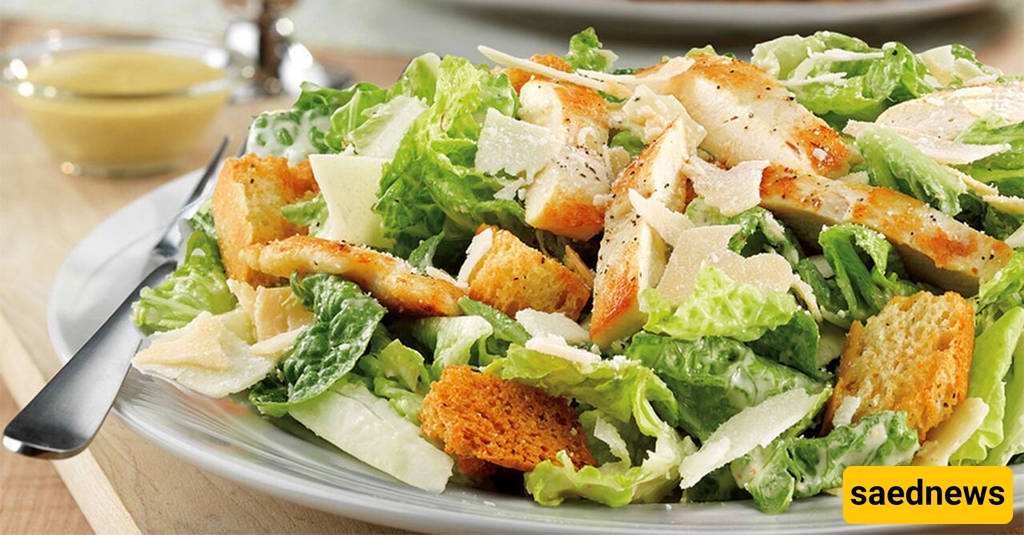
Vegan Caesar dressing is a great option for plant-based diets or those seeking healthier alternatives. In this version, eggs and Parmesan cheese are replaced with plant-based ingredients such as vegan mayonnaise, nutritional yeast, soaked cashews, and Dijon mustard.
Cashews provide a creamy texture, while nutritional yeast adds a cheesy, savory flavor. Capers can be used as a substitute for anchovies to introduce a salty, ocean-like depth.
This creative approach proves that a vegan diet does not mean sacrificing flavor. With the right substitutions, the classic Caesar taste can be recreated in a fully plant-based form.
½ cup soaked cashews (soaked overnight)
¼ cup water
2 garlic cloves (minced or grated)
1 tbsp nutritional yeast
1 tsp Dijon mustard
Juice of ½ lemon
1 tsp soy sauce or tamarind paste (for umami flavor)
½ tsp capers (optional, replacing anchovies)
Salt and black pepper to taste
To achieve the perfect Caesar dressing, a few professional tips are essential:
Always use fresh, high-quality ingredients such as fresh garlic, fresh lemon juice, and extra virgin olive oil.
Add olive oil slowly and gradually while mixing to ensure proper emulsification, especially when using egg-based recipes.
Adjust seasoning to taste—add more lemon for acidity, salt for balance, or freshly ground black pepper for a slight kick.
Anchovies, while optional, significantly enhance depth and complexity without making the dressing taste fishy.
Making Caesar salad dressing at home is simple and highly rewarding. Whether you prefer the classic version, an egg-free alternative, or a fully vegan recipe, each variation offers a unique taste experience. With a basic understanding of ingredients and a little creativity, you can create a dressing that elevates any salad and becomes the highlight of your meal.