SAEDNEWS: This article explores the types, applications, benefits, and challenges of AI-powered psychologists.
According to Saednews, In recent decades, mental health has become one of the most important concerns facing societies around the world. According to statistics from the World Health Organization, one in four people experiences a mental health disorder at some point in their lives.
However, access to qualified psychologists and psychiatrists remains limited in many parts of the world, while treatment costs can be financially burdensome for many people. In this context, emerging artificial intelligence technologies have entered the mental health sector as an innovative approach.
AI psychologists, also known by terms such as virtual therapists, mental health chatbots, and intelligent diagnostic systems, have created new possibilities for millions of people worldwide. This article explores the main types of AI psychologists, their applications, benefits, challenges, and future prospects.

An AI psychologist refers to a group of computer systems, algorithms, and software applications that use natural language processing (NLP), machine learning, and behavioral data analysis to simulate therapeutic interactions and provide psychological support.
These systems can communicate with users, analyze emotional states, teach cognitive behavioral techniques, and, in certain situations, issue appropriate warnings when signs of a crisis are detected.
Today, AI psychologists are developed and offered in several forms, each designed for specific purposes and functions. The most important types include the following.
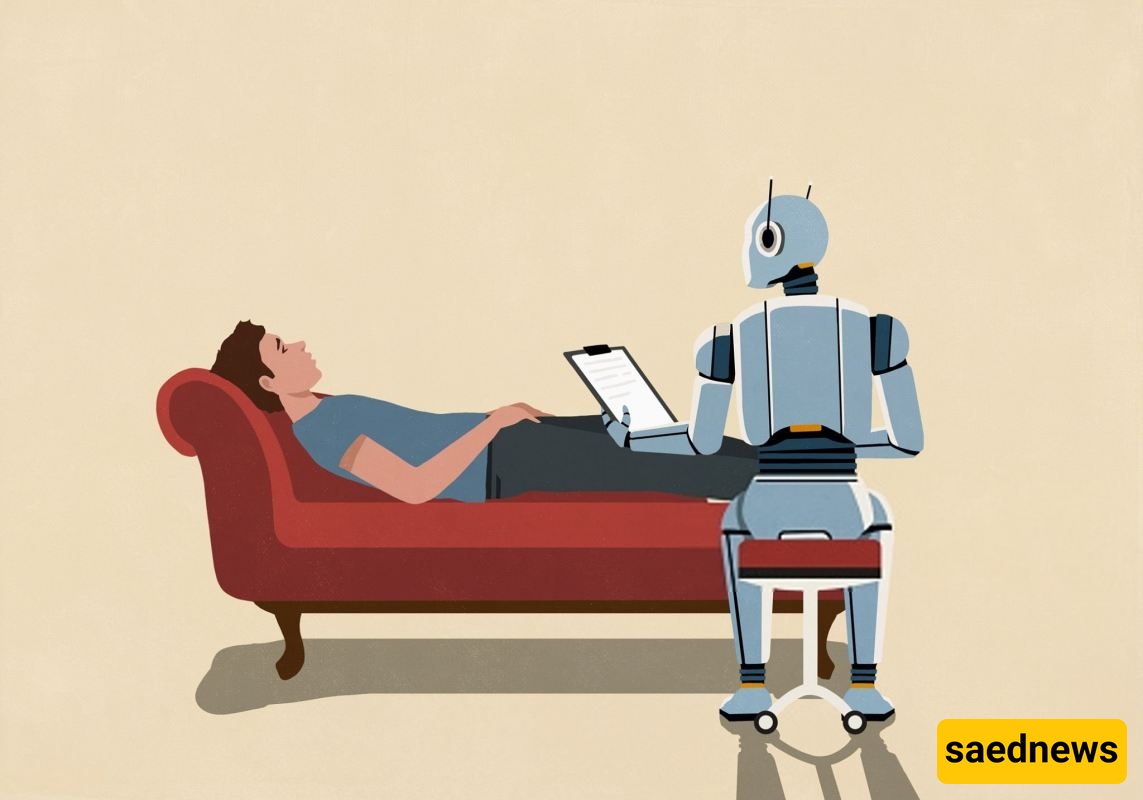
Psychological chatbots are among the most common forms of AI-based mental health technology. These applications use natural language processing to communicate with users through text or voice. Well-known examples include Woebot, Wysa, and Replika.
Conversational chatbots often incorporate principles of cognitive behavioral therapy (CBT). Through daily exercises, mindfulness techniques, and strategies for managing negative thoughts, they can help users recognize and modify unhealthy patterns of thinking. Their 24/7 availability and relatively low cost have made these tools particularly popular among younger users.
Virtual therapist assistants are more advanced versions of conversational chatbots and are typically integrated into mobile applications or web-based platforms. In addition to communication, these systems can allow users to record their daily moods, monitor treatment progress, and generate analytical reports that can be shared with human psychologists.
For example, applications such as TALBOT use artificial intelligence to provide interactive therapeutic sessions that can adapt to a user's voice and offer emotionally appropriate feedback.
A key feature of virtual therapist assistants is the use of reinforcement learning algorithms. These algorithms allow the system to learn from a user's previous responses, select more appropriate ways of responding, and personalize therapeutic interactions.
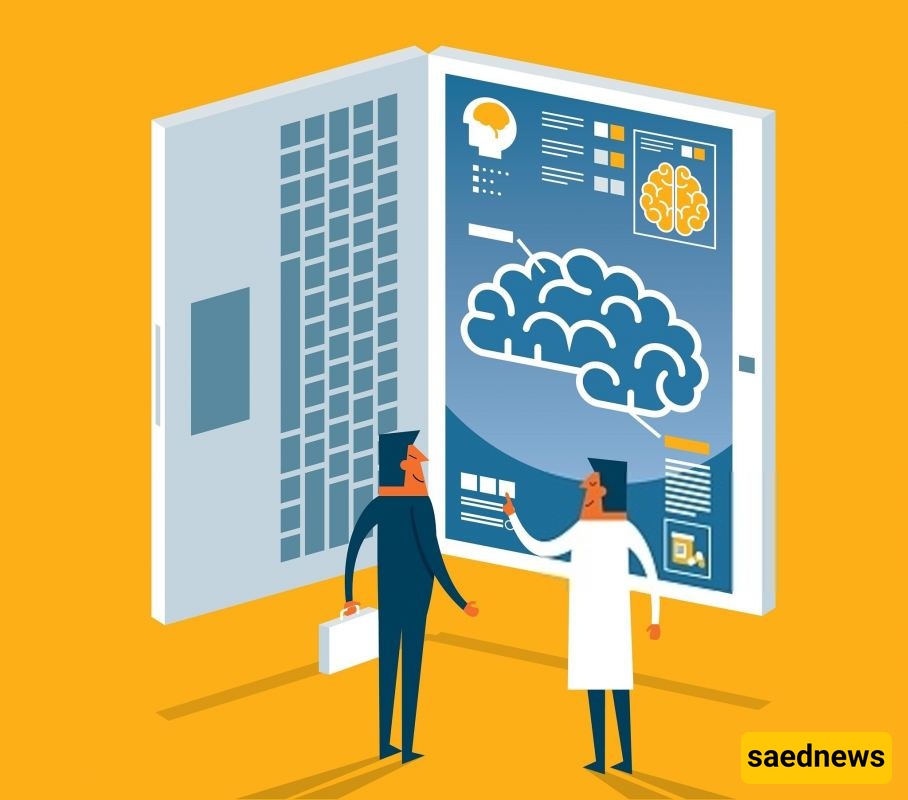
Early identification of mental health disorders can help prevent serious complications. Intelligent diagnostic systems analyze textual, audio, and sometimes visual data to identify early signs of depression, anxiety, bipolar disorder, and even schizophrenia.
These systems use deep learning models and can infer emotional states by analyzing factors such as tone of voice, speech rate, eye movements, and facial expressions.
For example, researchers at Stanford University have developed systems that analyze social media posts to estimate the likelihood of clinical depression. Such technologies can provide psychiatrists with potentially valuable information about a person's mental state before an in-person consultation.
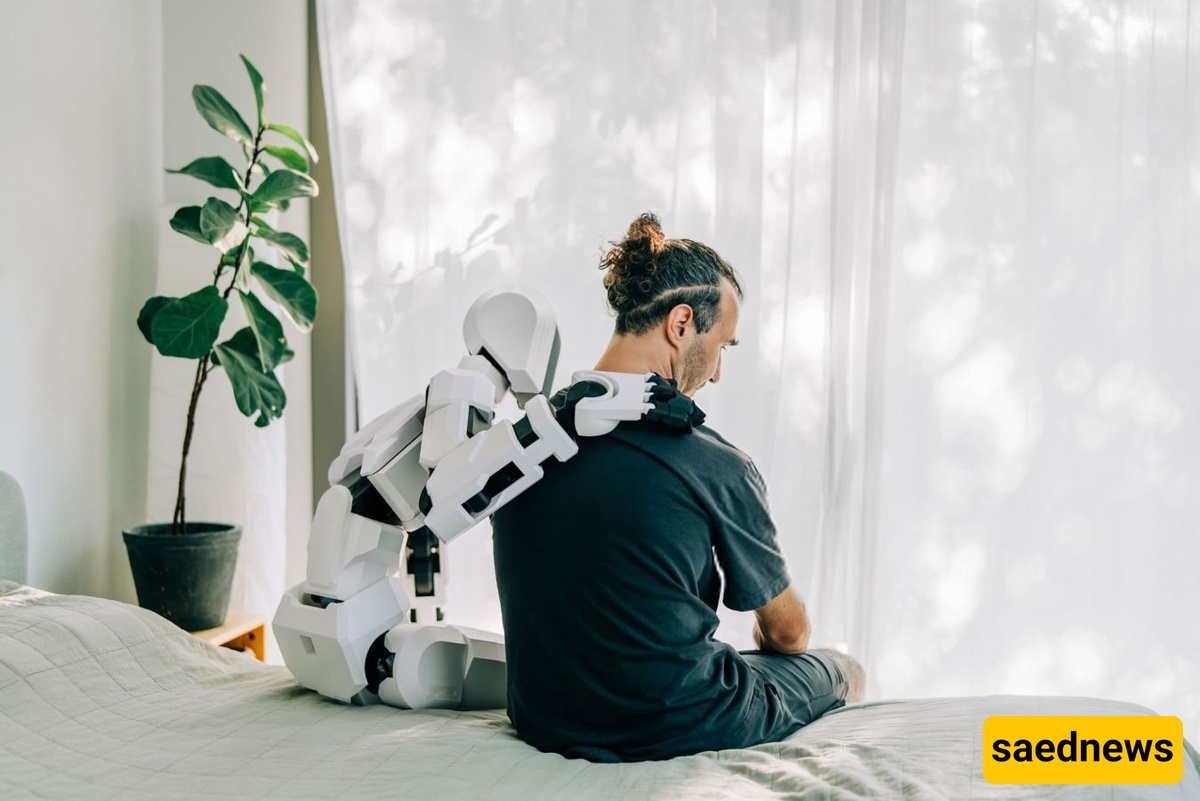
Physical robots equipped with artificial intelligence can also be considered a form of AI-based psychological support. Robots such as Paro, which is designed to resemble a baby harp seal, and Jibo can establish forms of emotional interaction with older adults or children with autism spectrum disorders.
By providing tactile, auditory, and visual feedback, these robots can simulate aspects of empathy and social presence while helping reduce stress and improve users' mood.
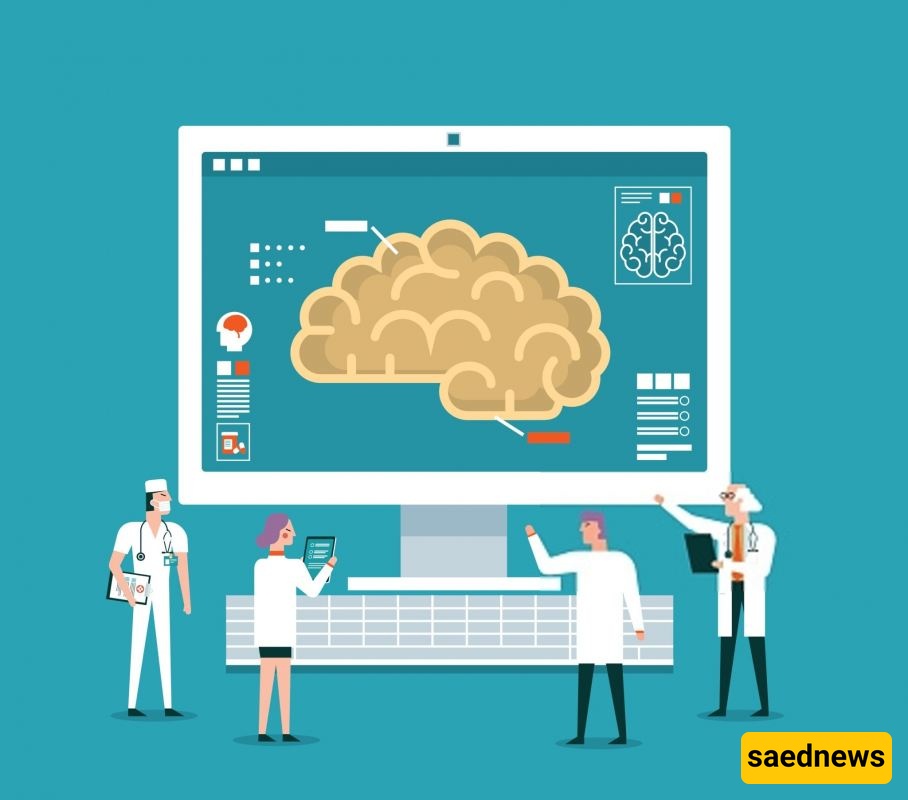
Although virtual reality systems may initially appear to be primarily associated with entertainment, they have also found extensive applications in psychotherapy. AI-powered systems can create interactive environments and scenarios that are particularly useful for treating anxiety disorders, phobias, and post-traumatic stress disorder (PTSD).
In this approach, the patient is placed in a safe and controlled environment and gradually exposed to the source of their fear. Artificial intelligence can adjust the level of exposure based on the individual's physiological responses and provide calming feedback to support the therapeutic process.
Some AI-based mental health systems serve as complementary tools for psychiatrists by helping manage medication schedules, reminding patients about appointments, and monitoring potential side effects.
By analyzing behavioral patterns and health data, these assistants can provide clinicians with information about whether a patient appears to be responding positively to medication or whether a treatment adjustment may need to be considered.
Such systems may also contribute to reducing hospital readmissions among people living with chronic mental health conditions.
After exploring the major types of this technology, it is useful to consider its principal applications. AI psychologists can contribute to several areas, including:
Depression and anxiety support: Providing cognitive behavioral therapy exercises through chatbots and applications.
Long-term mental health monitoring: Recording daily data and analyzing changes in mood over time.
Crisis detection: Identifying potential signs of suicidal thoughts or self-harm through language analysis and directing users toward emergency or crisis resources.
Mental resilience training: Offering meditation techniques, anger-management strategies, and methods for improving interpersonal relationships.
Support for human therapists: Providing analytical data and potentially suggesting therapeutic strategies for professional consideration.
Reducing treatment costs: Lowering expenses associated with travel and frequent in-person appointments.
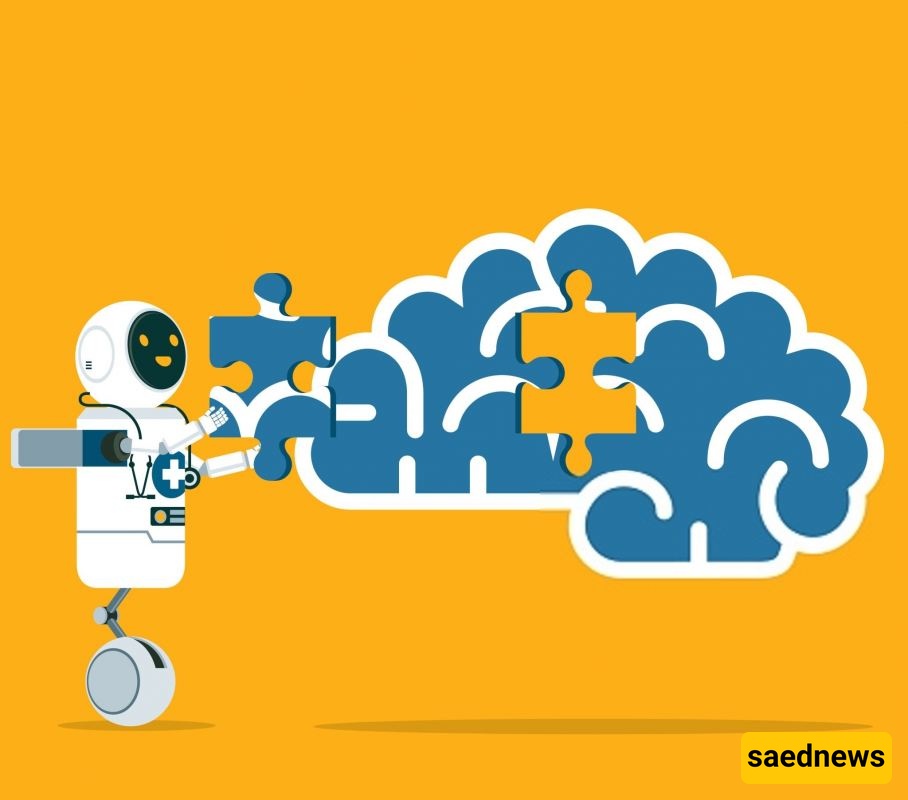
AI-based psychological support offers several potential advantages, including:
24/7 accessibility without geographical restrictions: Users can access certain services at any time and from many locations.
Lower treatment costs: Many mental health chatbots are free or relatively inexpensive compared with traditional in-person sessions.
Reduced social stigma: Some people avoid seeing a psychologist because they fear being judged. AI systems can provide a private environment in which users may feel more comfortable expressing their emotions.
Scalability: Unlike a human psychologist who can treat only a limited number of patients at a time, an AI system can potentially serve thousands of users simultaneously.
Greater openness among some users: Research suggests that certain individuals may feel more comfortable expressing their genuine thoughts and emotions when interacting with machines.
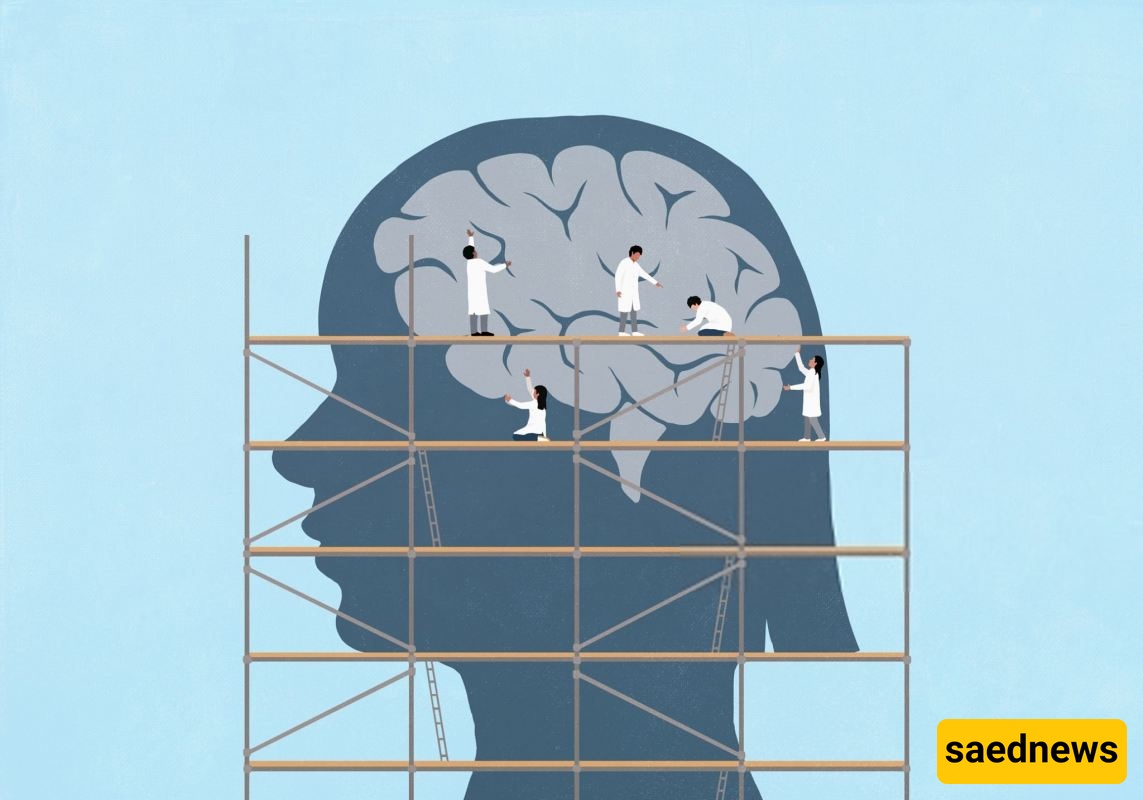
Despite its potential benefits, AI-based psychological support also faces significant challenges and limitations.
Lack of genuine empathy: Although algorithms can simulate empathetic responses, machines do not possess the same depth of human emotional understanding as a trained therapist. Many patients need the genuine compassion and understanding of a human professional.
Privacy and data security: Mental health information is highly sensitive. A data breach could have serious consequences for an individual's personal life.
Limitations during emergencies: AI cannot replace immediate human intervention in critical situations such as suicidal crises or acute psychotic episodes. Human emergency services and qualified professionals may be required.
Diagnostic errors: Even highly accurate algorithms can make mistakes, potentially resulting in inappropriate treatment or delayed care.
Dependency and social isolation: Excessive reliance on virtual assistants could reduce users' engagement in meaningful real-world social interactions.

Researchers and specialists in technology and psychology believe that the future of AI-based psychological support could become increasingly promising as it integrates with other emerging technologies. Combining artificial intelligence with wearable biometric data, genetic analysis, and brain-computer interfaces (BCIs) could contribute to a new generation of highly personalized mental health interventions.
It is also expected that human-AI hybrid models could become increasingly common in psychological care. In such models, artificial intelligence would serve as a supporting tool alongside human psychologists, helping improve both the quality and accessibility of mental health services.
AI psychologists represent one of the significant technological developments in the field of mental health and may help address some of the barriers that prevent people from accessing psychological services worldwide. Conversational chatbots, virtual therapist assistants, intelligent screening systems, social robots, and virtual reality therapy platforms are just some examples of this rapidly developing field.
By reducing costs, expanding access, and providing continuous support, these technologies can serve as valuable complements to traditional mental health care. Nevertheless, artificial intelligence cannot yet fully replace the empathy, clinical judgment, and human presence provided by trained mental health professionals.
The most promising path forward is likely to involve a balance between technology and human-centered care, allowing AI to expand the capacity and quality of mental health systems rather than replacing the human element.
Along this path, ethical principles, data security, professional oversight, and responsible implementation should remain priorities. Public awareness of both the capabilities and limitations of these technologies will also play an important role in ensuring that AI is used responsibly in mental health care.