SAEDNEWS: This article explores the different types of electric radiators, how they work, their advantages and disadvantages, and practical ways to reduce their energy consumption and running costs.
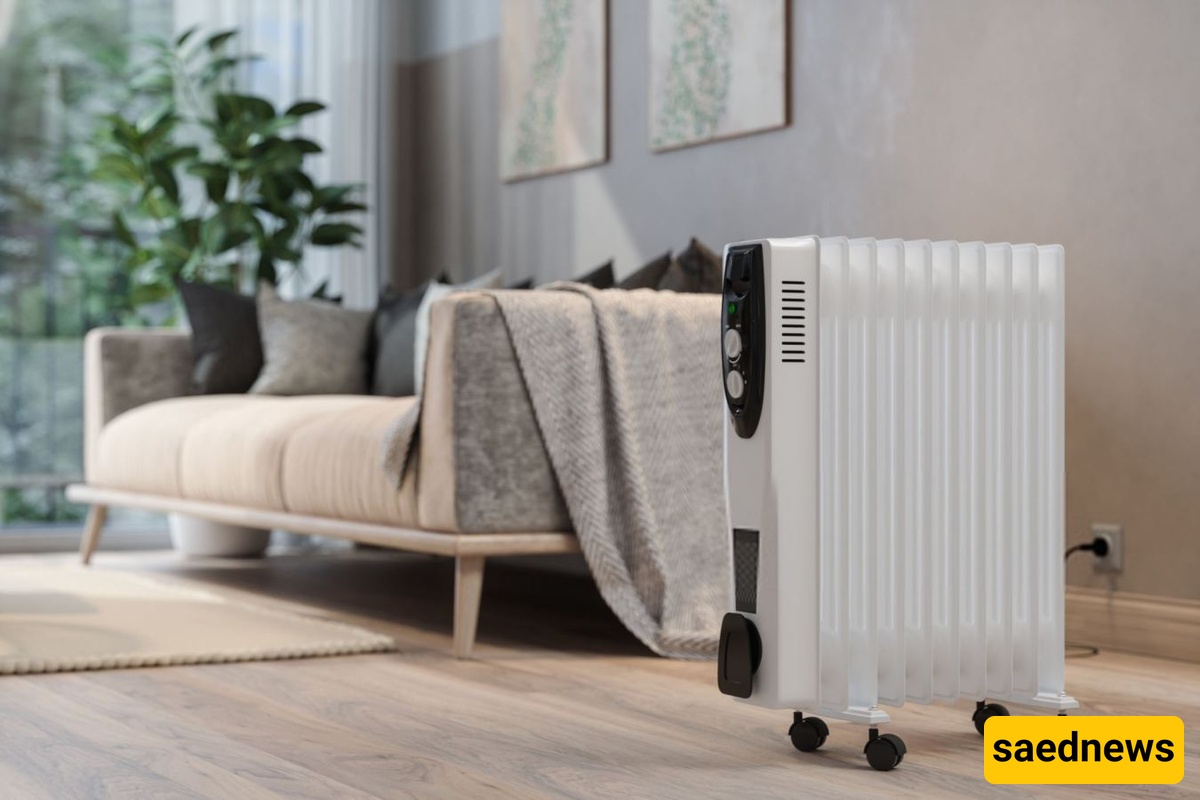
According to Saednews, In today’s world, maintaining comfortable and consistent heating in residential and office environments has become an important concern for many households. As urbanization continues and lifestyles change, a wide range of heating systems has entered the market, each offering its own advantages and limitations.
Among these options, electric radiators have gained popularity as modern, convenient, and portable heating solutions.
An electric radiator uses electricity to generate heat and transfer it into the surrounding environment. Contrary to the common perception that an electric radiator is simply a basic heater, many modern models incorporate advanced features such as digital thermostats, safety sensors, and remote controls.
This guide explores the main types of electric radiators, how they work, their advantages and disadvantages, electricity consumption, running costs, and the key factors to consider when choosing a suitable model.
An electric radiator is a heating appliance that converts electrical energy into heat and distributes that heat throughout a room.
Unlike conventional gas-powered heating systems, electric radiators do not require a gas connection, combustion, or a chimney. Depending on the design, they can be portable or permanently installed.
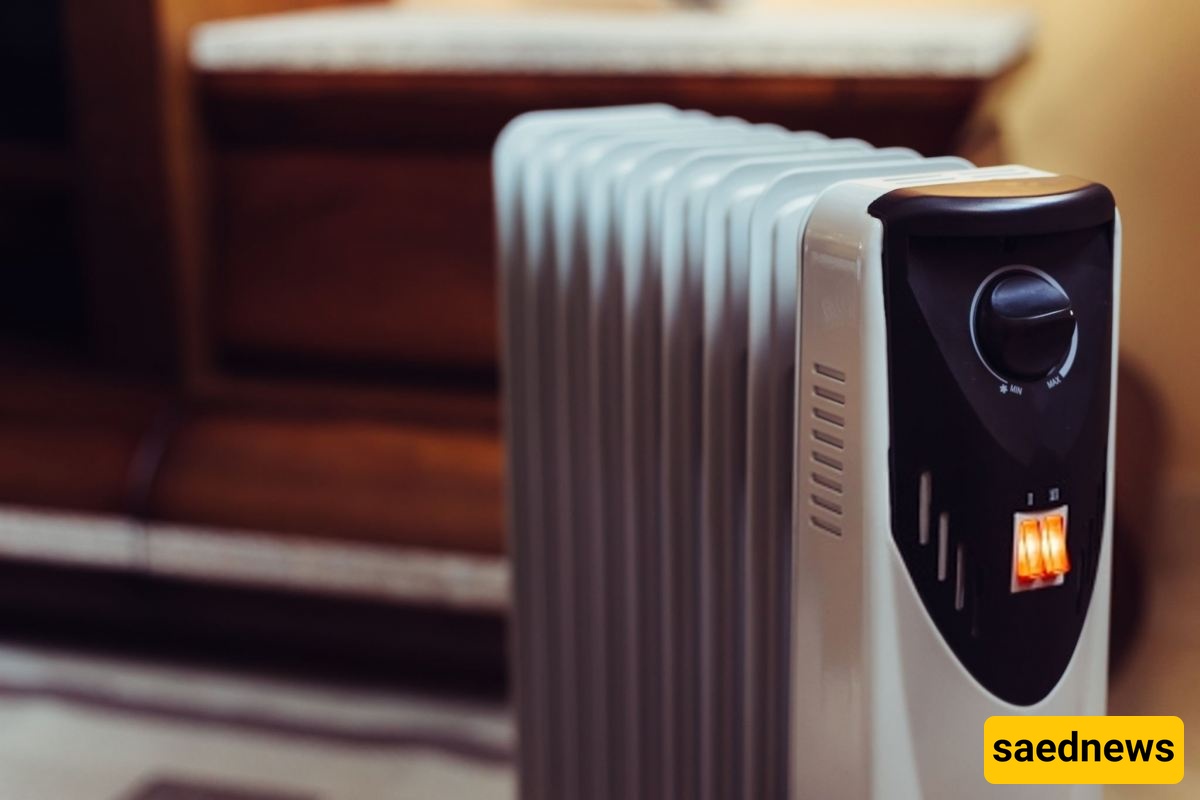
To understand how effective an electric radiator can be, it helps to look at its operating principle.
Many common electric radiators are oil-filled models, typically made with aluminum or steel. Inside the unit are heating elements and a heat-transfer fluid, usually a specially formulated thermal oil.
When the radiator is switched on, electricity heats the internal heating elements. The heat is transferred to the oil inside the metal body, which acts as a medium for distributing heat throughout the radiator.
The heated surface then releases warmth into the room through two primary methods:
Convection: Warm air rises while cooler air moves toward the radiator, creating a natural circulation of air.
Radiation: The heated surface also emits infrared energy that warms nearby objects and surfaces.
As cool air near the floor enters the lower part of the radiator, it becomes warmer and rises toward the ceiling. This natural circulation helps distribute heat throughout the room.
Because most oil-filled and panel radiators do not rely on powerful fans, they generally do not blow dust around the room, which can be beneficial for people who are sensitive to airborne particles.
Electric radiators come in several designs. Understanding the differences can help determine which type is appropriate for a particular room or application.
Oil-filled radiators are among the most common types. They typically feature a finned metal body and are relatively heavy.
Their main advantage is thermal retention. The heated oil and metal body continue releasing warmth for some time after the heating element switches off.
They are particularly suitable for prolonged heating and medium-sized rooms. However, they generally take longer to reach the desired temperature compared with some other electric heating technologies.
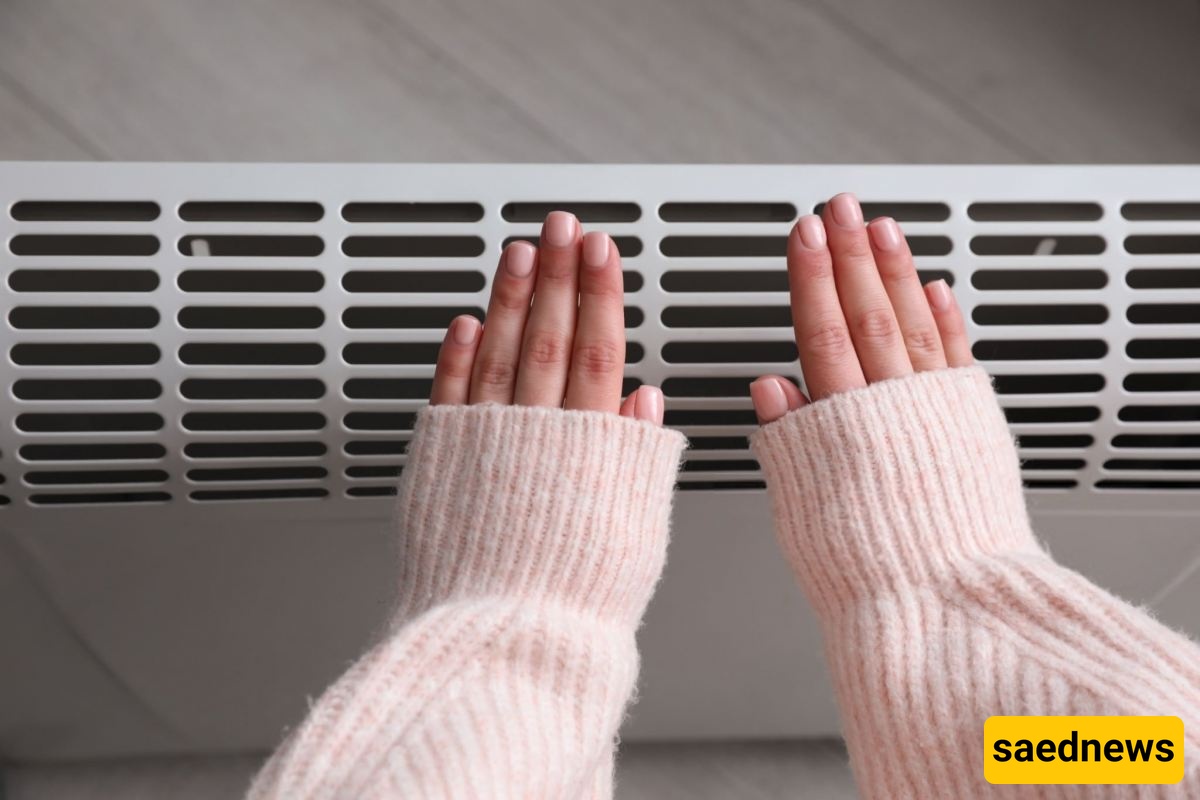
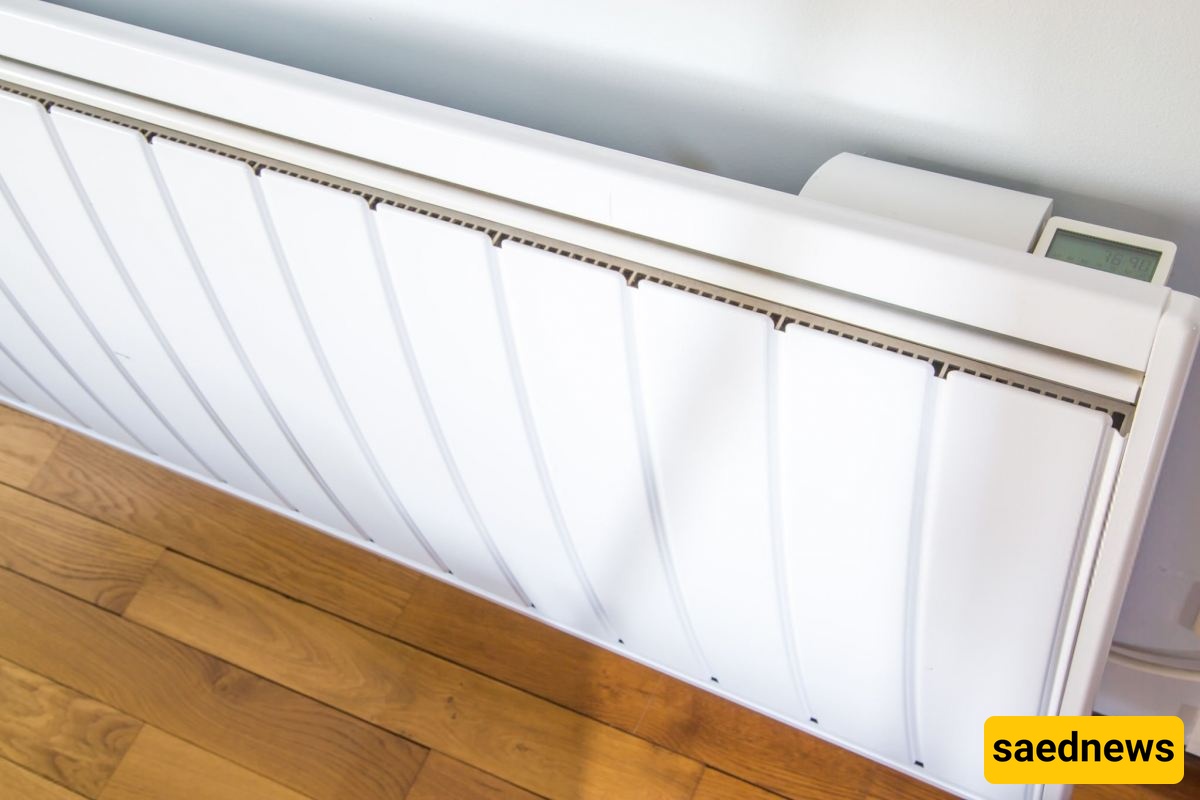
Panel or flat electric radiators have a slim, relatively lightweight design and can often be mounted on a wall.
Depending on the model, they may use ceramic or aluminum heating elements. Many are designed to heat a room relatively quickly and incorporate built-in thermostats for temperature control.
Their slim profile and modern appearance also make them suitable for contemporary interiors.
Halogen and quartz heaters primarily provide radiant heat. Instead of gradually warming the entire room, they direct heat toward people and objects in front of the heating element.
They can provide almost immediate warmth but generally do not distribute heat evenly throughout a large space.
They are better suited to localized, short-term heating rather than maintaining an even temperature across an entire room.

Electric baseboard systems are installed along the lower part of walls, often beneath windows.
Their position allows heat to rise naturally from floor level toward the ceiling, helping create relatively uniform heating throughout a room.
Because these systems can be integrated into the structure of a building, they can provide a discreet appearance. However, installation costs can be higher than those of portable electric heaters.
Electric radiators offer several benefits that make them attractive for homes, offices, and other spaces.
One of the biggest advantages is that electric radiators do not require a gas supply or flue.
This can make them particularly useful in apartments, vacation homes, extensions, or buildings where installing a gas-based heating system is impractical.
Many portable electric radiators, especially oil-filled models, are equipped with wheels.
This makes it possible to move the unit from one room to another without installing a separate heating system in every space.
Electric radiators do not use an open flame. Many modern models also include safety features such as overheating protection and tip-over switches.
A tip-over sensor can automatically shut the appliance off if it is accidentally knocked over, helping reduce the risk of accidents.
Nevertheless, electric heaters should always be positioned according to the manufacturer's safety instructions and kept away from curtains, furniture, bedding, and other combustible materials.
Oil-filled and many panel radiators operate without fans, pumps, or moving mechanical components.
As a result, they can operate very quietly, making them suitable for bedrooms, offices, study areas, and other environments where low noise is important.
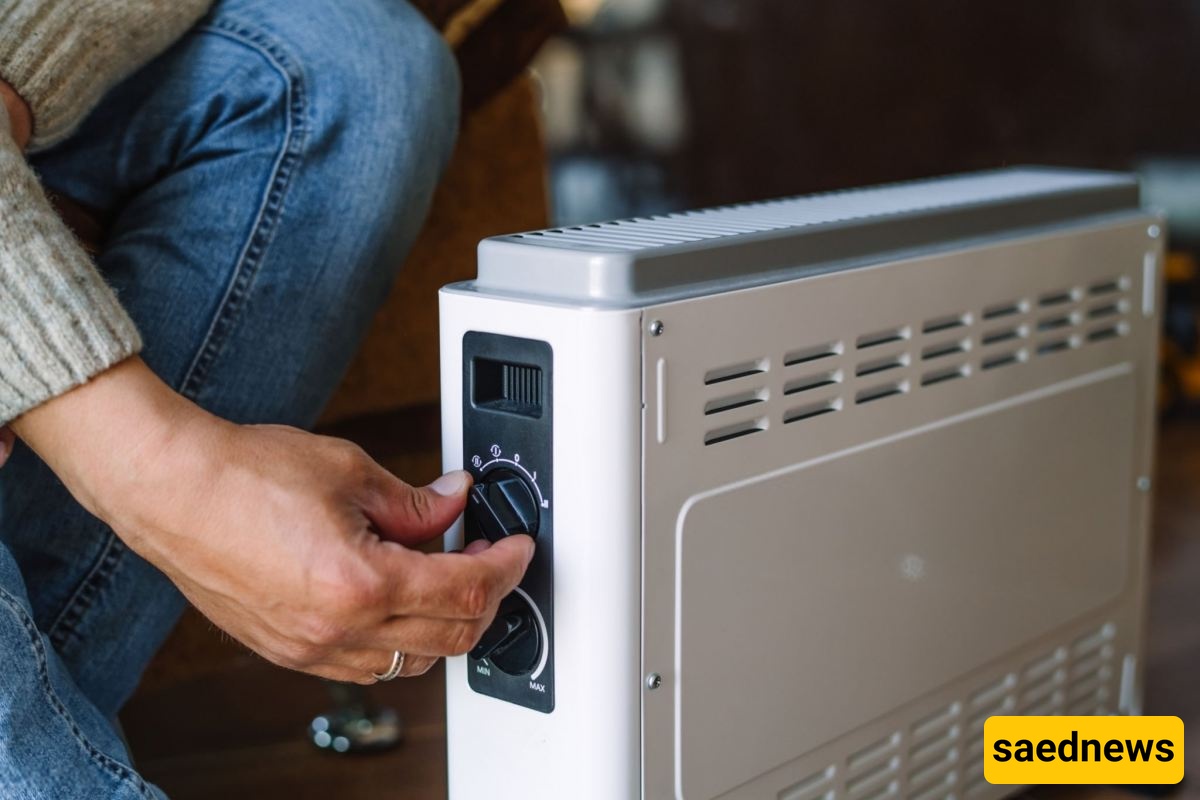
Many electric radiators include thermostats that regulate the room temperature.
Once the desired temperature is reached, the heating element can switch off automatically and turn back on when additional heat is required.
Some models also include programmable timers, allowing users to schedule heating for particular periods of the day.
Despite their advantages, electric radiators also have limitations that should be considered before choosing them as a primary heating system.
The main concern for many users is operating cost.
Electric resistance heating converts electricity into heat very efficiently at the point of use, but electricity can be considerably more expensive than natural gas in some markets.
As a result, operating an electric radiator continuously during the cold season can lead to significant electricity consumption.
Oil-filled radiators can take time to warm larger spaces.
For rooms larger than approximately 30 square meters, depending on insulation, ceiling height, outdoor temperature, and other factors, a single portable radiator may not provide sufficient heating.
A higher-capacity system or multiple heating zones may be necessary.
Several high-power electric heaters operating simultaneously can place a substantial load on a building's electrical system.
For example, a 2,000-watt heater draws approximately 8.7 amps on a 230-volt supply. Running several such appliances at the same time can approach or exceed the capacity of a circuit.
It is therefore important to check the electrical capacity of the property and avoid overloading individual circuits.
Heating can make indoor air feel drier, particularly during winter when outdoor air is already cold and dry.
Although electric radiators do not directly consume oxygen or remove humidity through combustion, maintaining a comfortable indoor humidity level may still be important. Adequate ventilation and, where appropriate, a humidifier can help improve comfort.
Electric radiator consumption depends primarily on its power rating and how long its heating element operates.
Typical household models may have power ratings ranging from around 500 watts to 2,500 watts.
For example, consider a 1,500-watt radiator used in a 15-square-meter bedroom.
A 1.5-kilowatt heater operating continuously for eight hours would theoretically consume:
1.5 kW × 8 hours = 12 kWh
The actual electricity consumption may be lower if the thermostat switches the heating element off periodically after the desired temperature has been reached.
To calculate the approximate cost, multiply the electricity consumed by your local electricity tariff.
For example, at a hypothetical electricity price of 700 Iranian tomans per kWh:
12 kWh × 700 tomans = 8,400 tomans per day
Over 30 days, this would equal approximately:
8,400 × 30 = 252,000 tomans
This is only an illustrative calculation. Actual costs depend on electricity tariffs, usage patterns, thermostat cycling, insulation, outdoor temperatures, and the size and efficiency of the space being heated.
For this reason, electric radiators can be particularly practical as supplementary heating for specific rooms or in locations without access to gas infrastructure. Before using one as a home's primary heating source, it is worth comparing its long-term operating cost with alternatives such as gas heating or heat pumps.

Several factors should be considered before purchasing an electric radiator.
A commonly used rough guideline for ordinary rooms with ceilings around 2.7 meters high is approximately 80–100 watts of heating capacity per square meter.
For example:
10 m² bedroom: approximately 1,000 watts
20 m² living room: approximately 2,000 watts
15 m² home office: approximately 1,500 watts
These figures are only estimates. Insulation quality, window area, ceiling height, climate, and the number of exterior walls can significantly affect heating requirements.
In colder climates or rooms with frequent door opening, additional heating capacity may be necessary.
If your priority is steady, long-duration heating and you do not mind waiting for the radiator to warm up, an oil-filled model can be a practical choice.
If rapid heating, a slim design, and wall mounting are more important, a panel radiator may be more suitable.
For short-term localized heating, radiant halogen or quartz heaters can be useful.
A reliable thermostat can help maintain a stable room temperature and prevent unnecessary continuous operation.
A programmable timer can also allow heating to operate only when needed—for example, shortly before occupants return home.
Safety should be a priority when choosing any electric heating appliance.
Useful features include:
Overheat protection
Tip-over protection
Automatic shutoff
Proper insulation
High-quality electrical connections
A suitable ingress-protection rating where relevant
For bathrooms or damp environments, the appliance must be specifically approved by the manufacturer for such use. An IP24 rating, for example, provides protection against water splashes, but the appliance should still be installed and operated according to local electrical safety requirements.
A reputable manufacturer, clear product specifications, and reliable after-sales support can make a significant difference.
When comparing models, check the warranty period, availability of replacement parts, electrical certifications, and the manufacturer's safety instructions rather than relying solely on brand reputation.
Oil-filled and many panel radiators operate silently because they do not require fans.
Fan-assisted heaters, on the other hand, produce some level of operating noise.
If the heater will be used in a bedroom, nursery, study, or quiet workplace, a fanless model may be preferable.
Some electric radiators offer multiple power settings, such as 1,000, 1,500, and 2,000 watts.
Adjustable power can be useful in moderate weather because the heater does not always need to operate at maximum capacity.
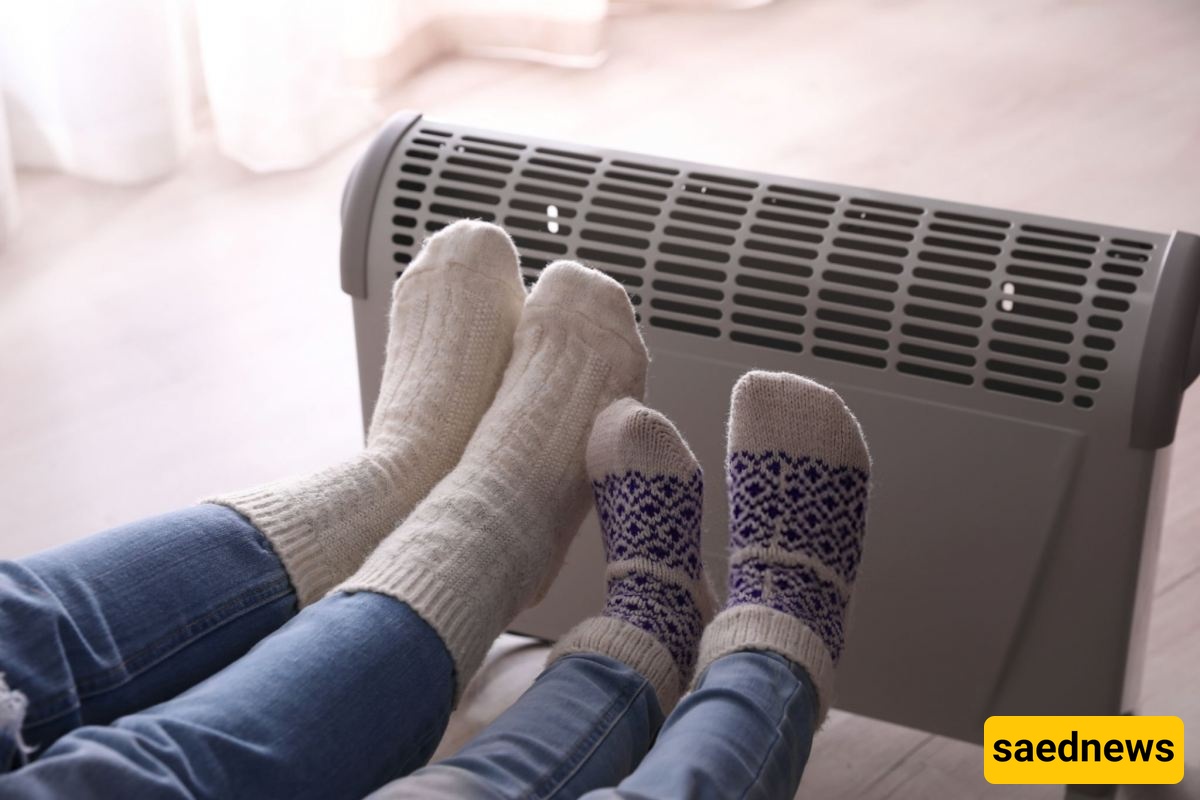
Electric radiators provide a convenient, quiet, and relatively simple way to heat individual rooms. Their biggest advantages include the absence of gas or chimney requirements, easy installation, portability in many models, and precise temperature control.
Their main limitation is the potential cost of electricity, particularly when they are used continuously as the primary heating system during cold weather.
Before choosing a model, consider the room's size, insulation, climate, electrical capacity, expected usage, and available heating alternatives. Features such as thermostats, timers, overheating protection, and tip-over switches can improve both convenience and safety.
For many households, the most practical approach may be to use an electric radiator as supplementary heating for selected rooms or periods rather than automatically treating it as a complete replacement for a central heating system.
If gas heating or a heat pump is available, comparing long-term operating costs can help determine which option makes the most sense for the property and climate.