SAEDNEWS: A toolbox is an essential item for every home, workshop, and workplace. In this guide, you’ll learn about the different types of toolboxes, the key features of a high-quality model, and the important factors to consider before buying one.
According to Saednews, A tool box is one of the most essential items you can have at home, in a workshop, or at the workplace. Whether you are a professional technician or someone who occasionally needs tools for simple repairs, choosing the right tool box can make a significant difference in work quality, convenience, and efficiency.
With so many tool boxes available in markets around the world, finding the right option can sometimes be confusing. This guide explores the main types of tool boxes, the features that define a high-quality model, and the most important factors to consider before buying one.
Tools can quickly become worn or damaged when they are not stored properly. A suitable tool box protects your equipment from dust, moisture, and impacts while also keeping everything organized and easy to access.
Imagine working on a repair and having to search through dozens of tools just to find the right wrench. Not only does this waste time, but it can also interrupt your concentration. A well-designed tool box solves this problem by keeping your workspace organized and improving overall efficiency.
Proper storage also improves safety. Sharp tools such as screwdrivers, cutters, and other implements can become hazardous when left loose or improperly stored. Tool boxes with separate compartments help prevent unnecessary contact with these items and provide a safer working environment.
The tool market offers a wide range of storage solutions, each designed for specific purposes. The most common types include:
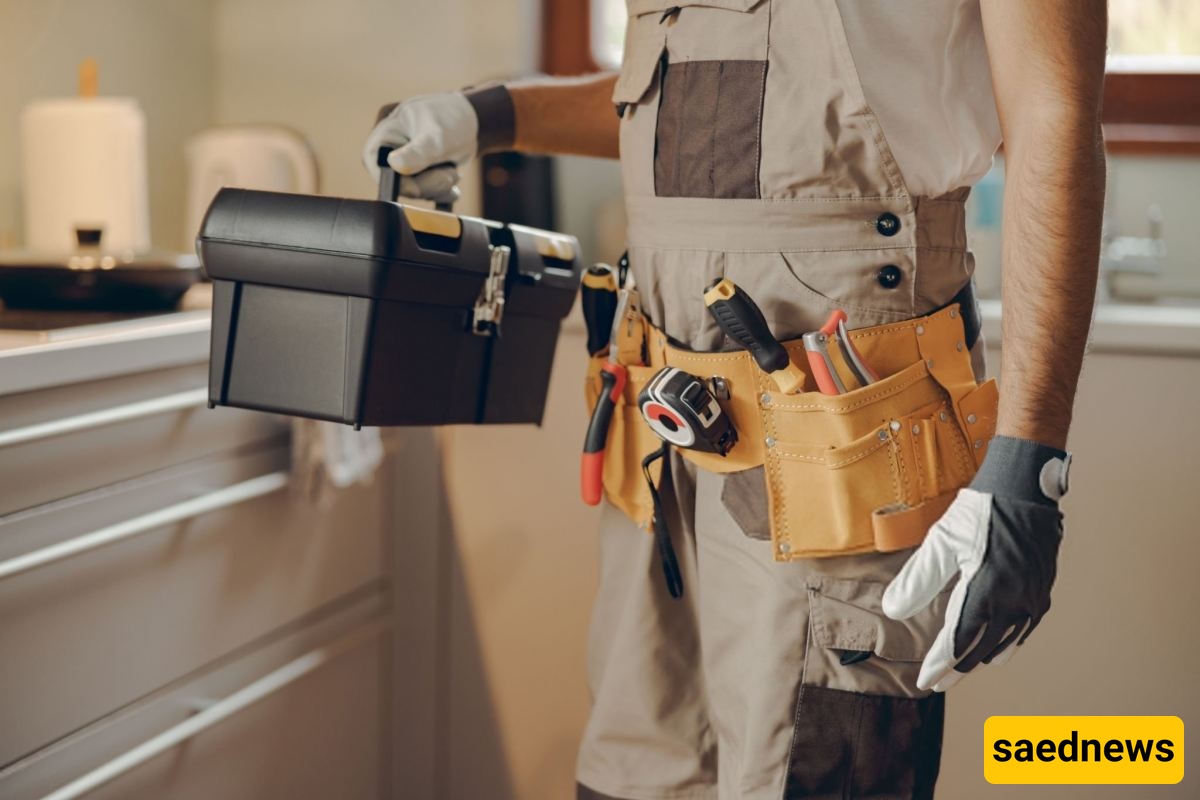
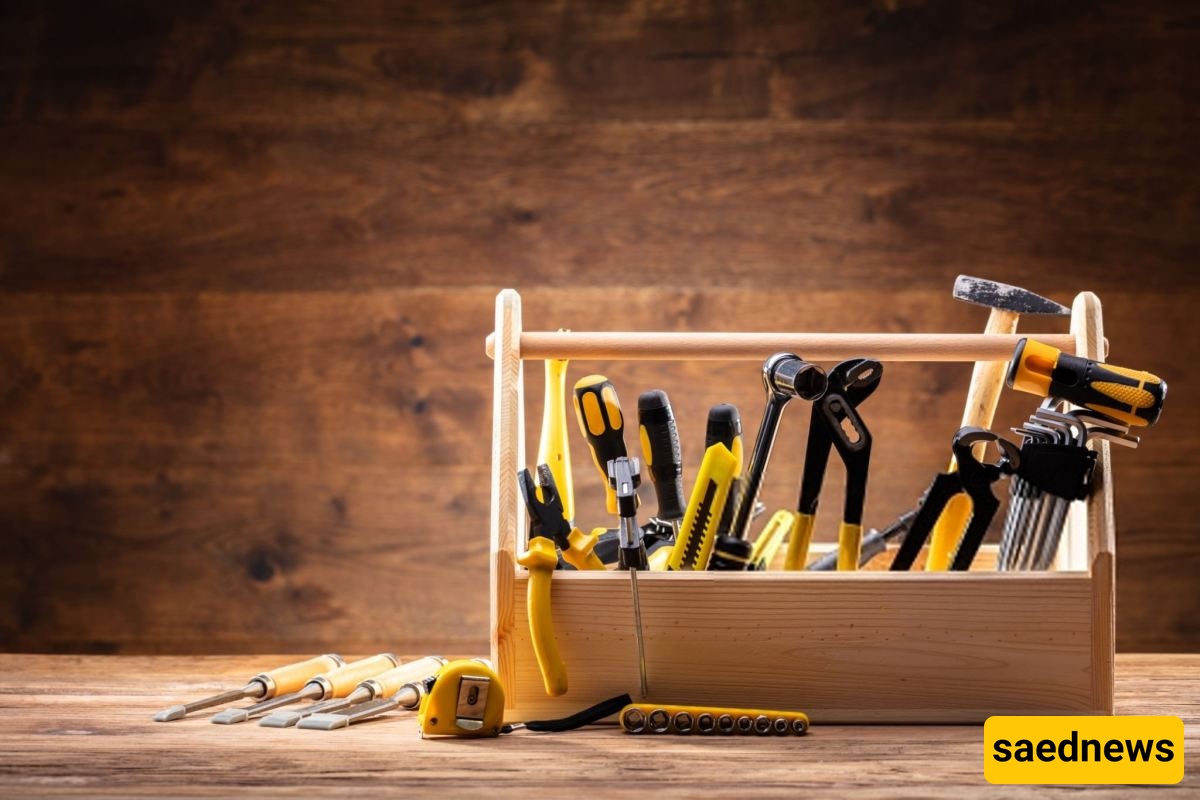
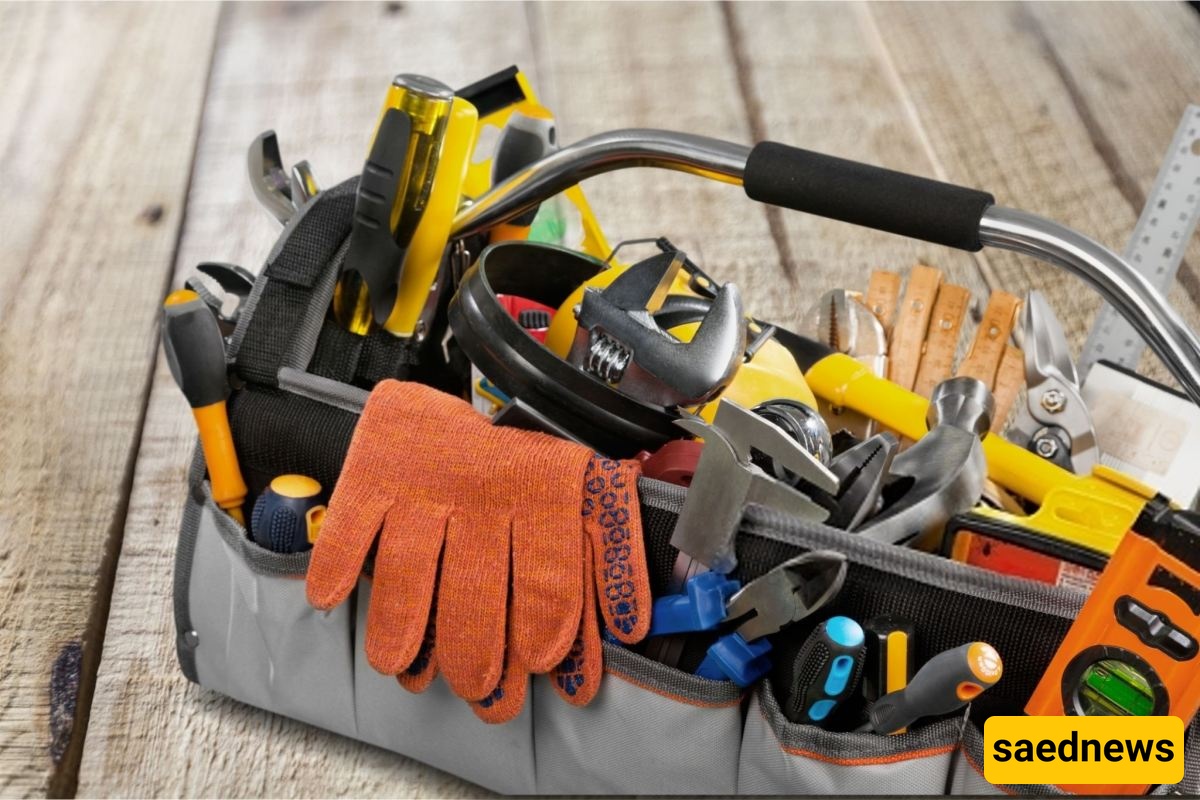
Home tool boxes are designed for general, light-duty tasks. They commonly contain basic tools such as a hammer, pliers, Phillips and flat-head screwdrivers, an adjustable wrench, and a measuring tape.
A typical home tool kit may contain between 40 and 100 pieces, making it suitable for everyday tasks such as installing household items, performing minor electrical repairs, or assembling furniture.
These tool boxes often feature durable plastic bodies, ergonomic handles, and affordable prices.
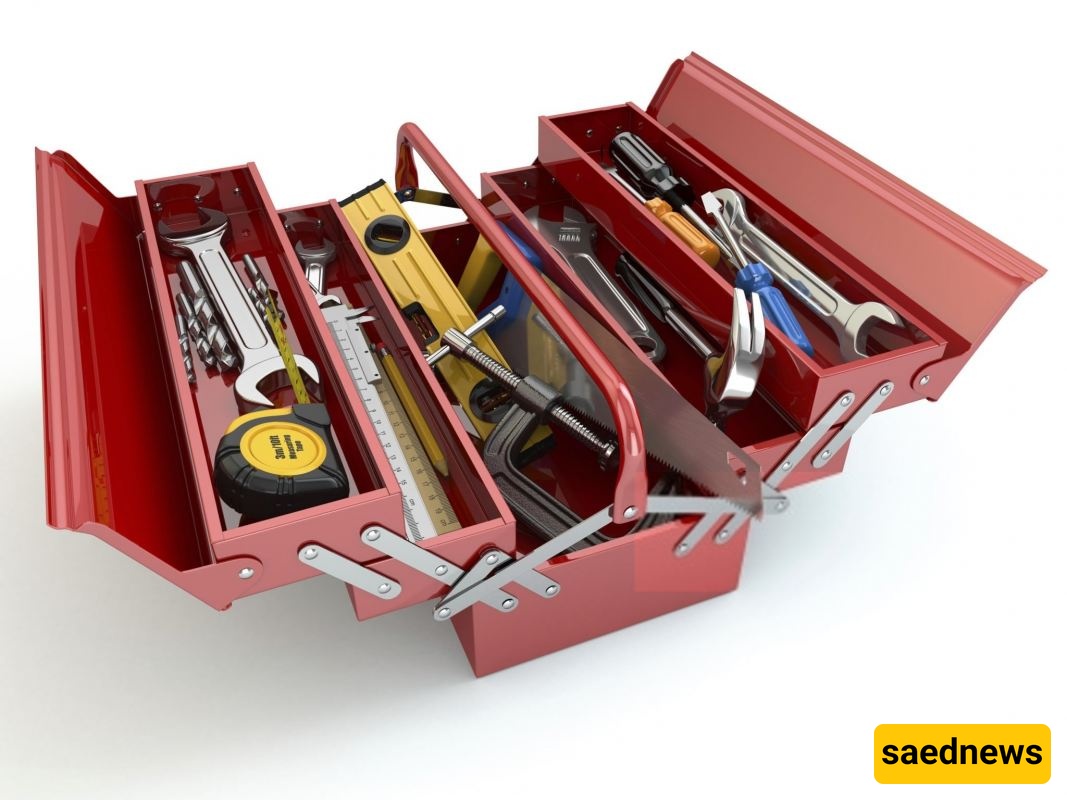
Professional models are designed for workshops, technicians, mechanics, and other users who depend on their tools regularly. They generally contain a larger selection of industrial-quality equipment.
Some professional tool boxes can accommodate more than 200 pieces, including different types of drills, comprehensive socket sets, electrical tools, and specialized mechanical equipment.
Their bodies are commonly made from metal or reinforced plastic and may include secure locks and heavy-duty hinges.
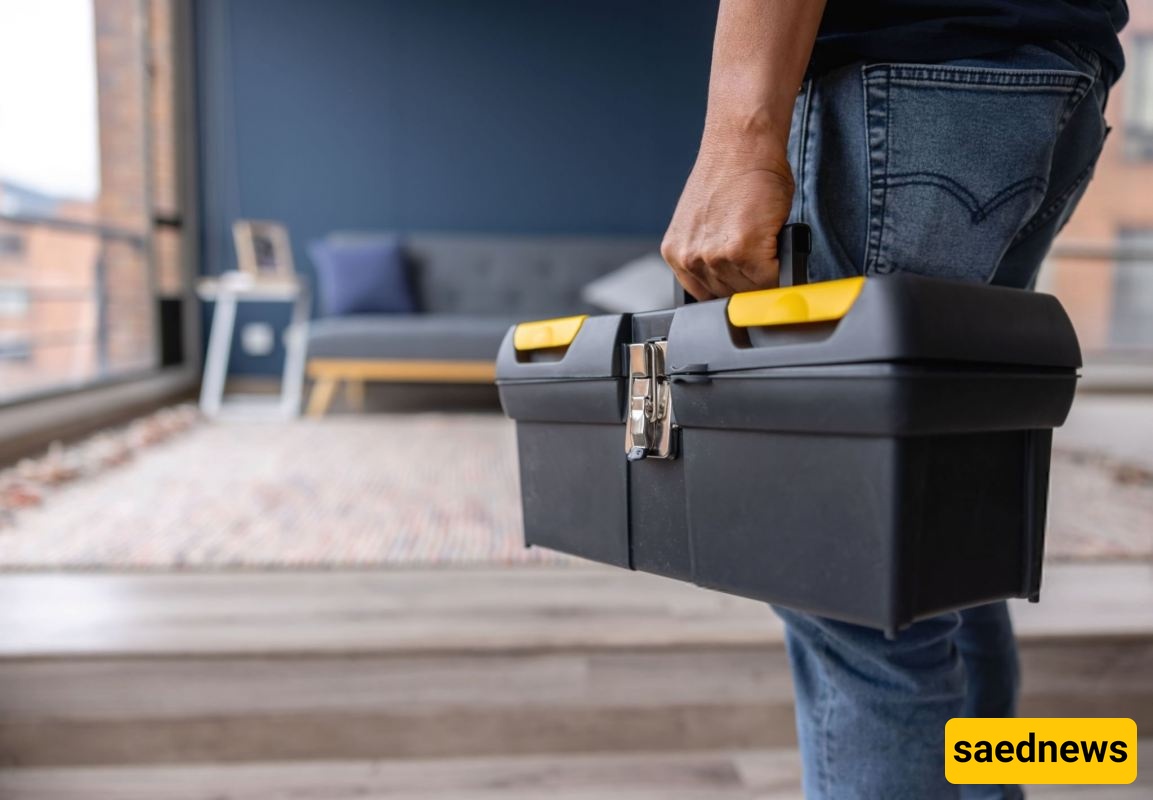
For people who own a large number of tools and frequently need to move them around, rolling tool boxes are an excellent choice.
These models typically feature smooth-rolling wheels and telescopic handles, making transportation much easier. Many are designed with multiple levels or drawers, and some allow individual sections to be separated when necessary.
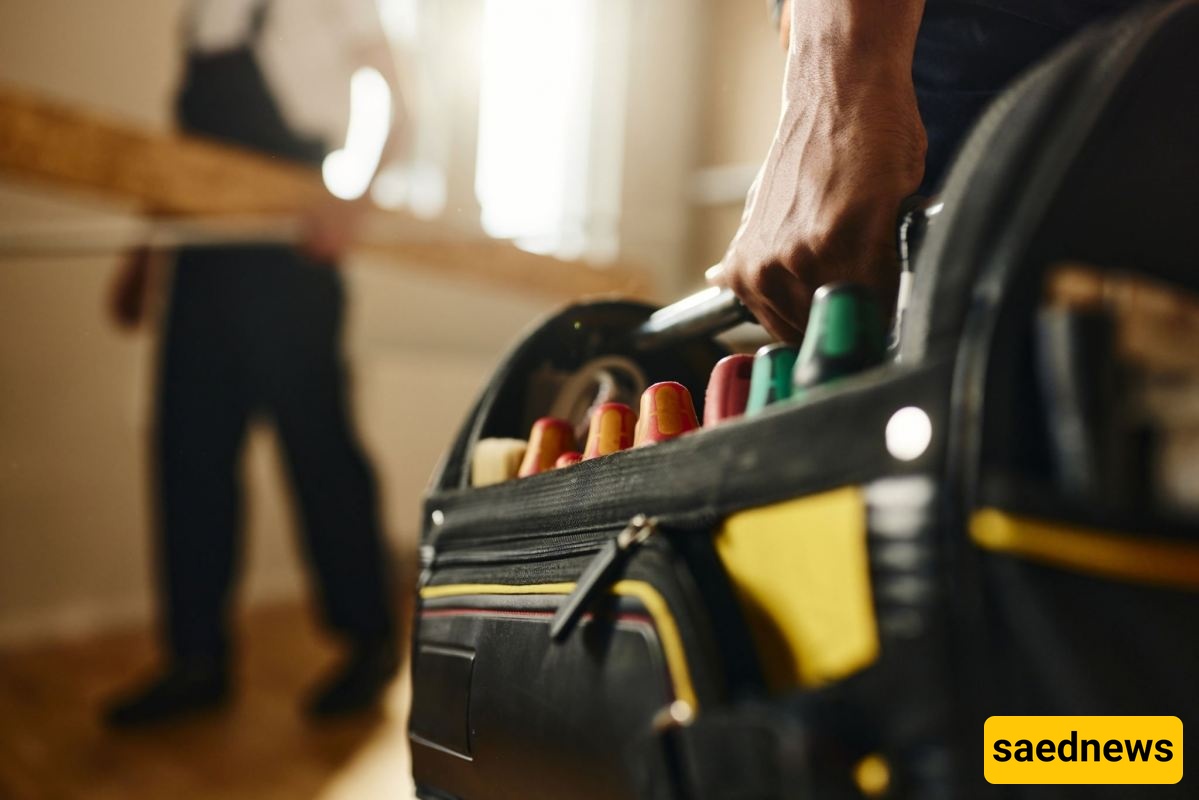
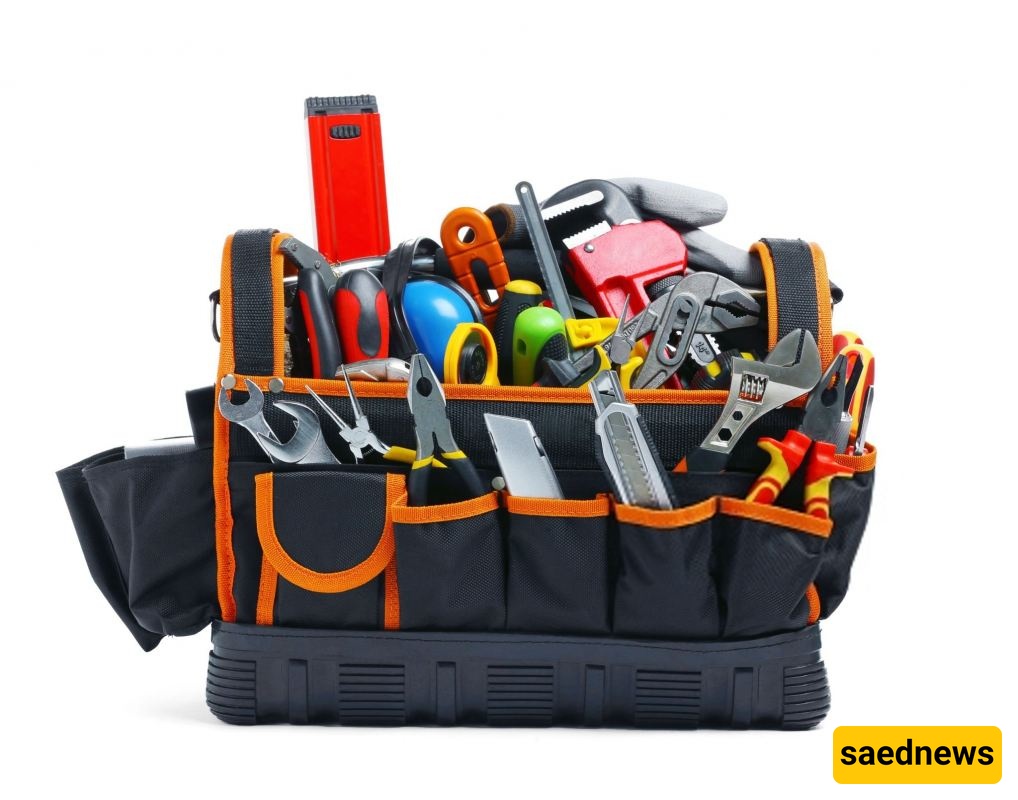
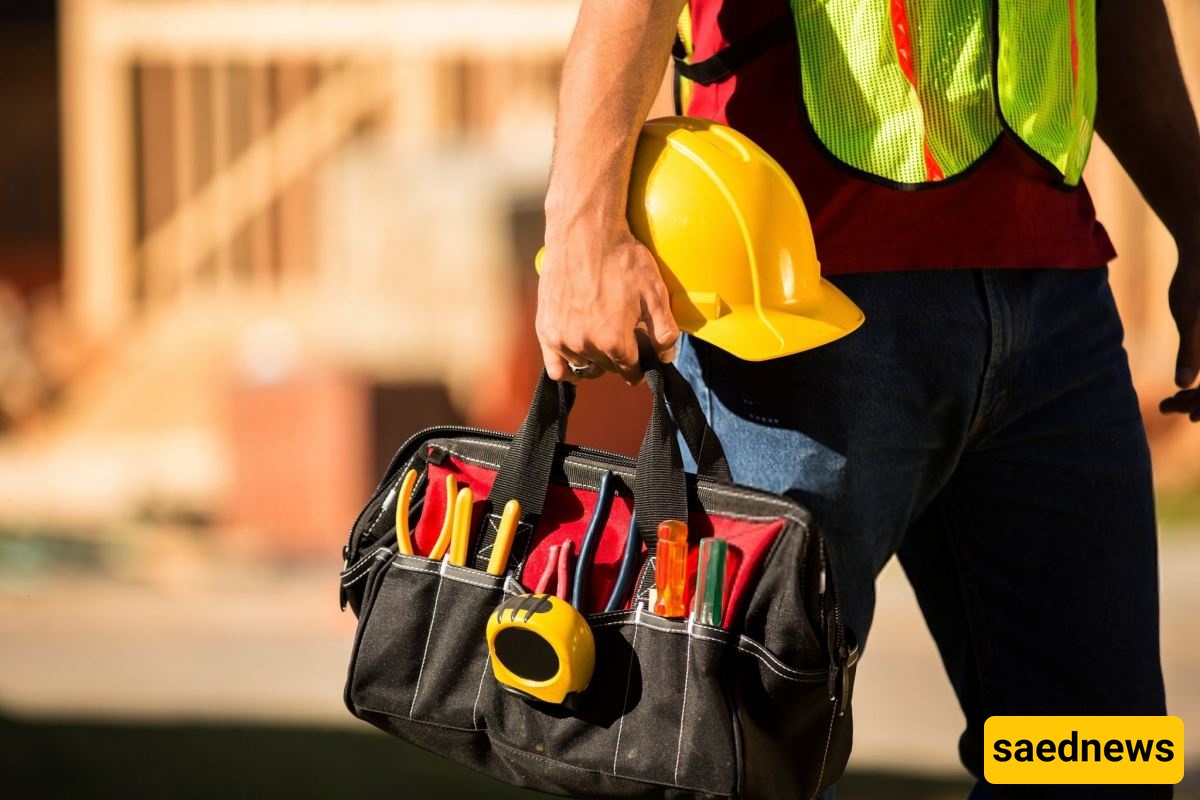
Fabric tool bags are among the lightest and most flexible storage options. They usually feature multiple pockets and strong zippers, making them particularly useful for mobile technicians who need to carry a limited selection of tools.
However, fabric bags generally provide less protection against moisture and physical impact than hard tool boxes.
If you have a dedicated workshop or permanent workspace, a wall-mounted tool box or tool cabinet can be an excellent solution.
These systems can be mounted on walls and often include multiple drawers or compartments, allowing quick access to individual tools. Their main advantages are efficient use of space and better tool organization.
Choosing the best tool box depends on several important factors.
The material used to build the tool box is one of the most important considerations. Most models are made from plastic, metal, or a combination of both.
Plastic tool boxes:
High-quality ABS or polypropylene models are lightweight while still offering good durability. They are resistant to rust and generally perform well in different environmental conditions.
Metal tool boxes:
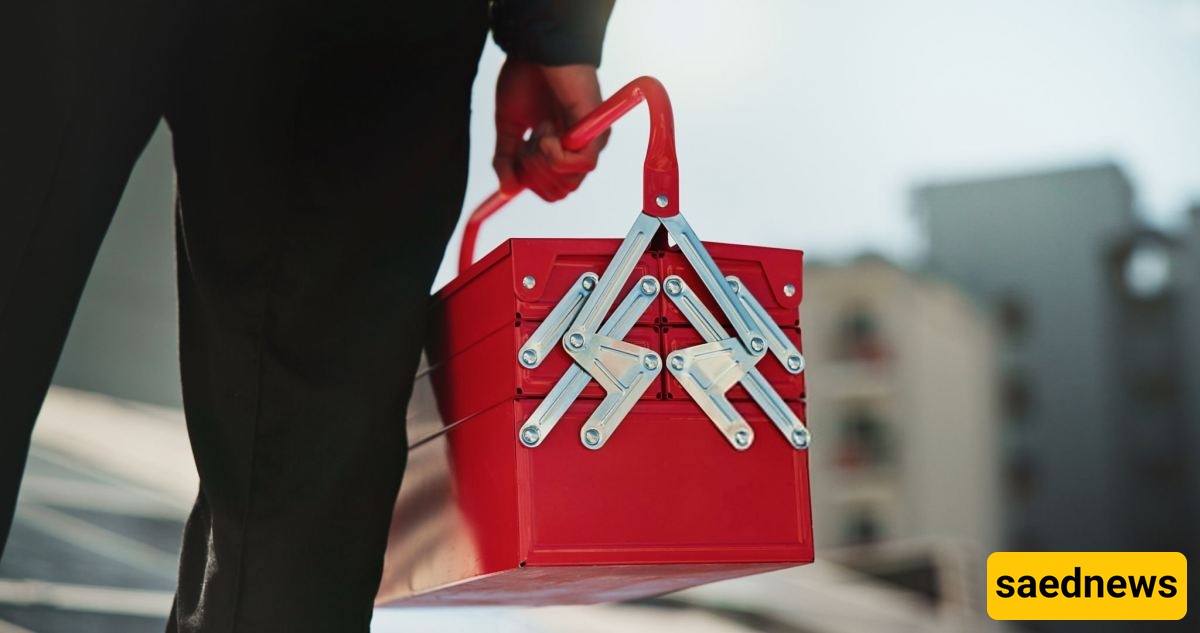
Metal models usually provide greater strength and durability but are heavier. They may also be susceptible to rust in humid environments. These are often preferred for demanding industrial applications.
Combination models:
Some tool boxes combine a metal body with plastic drawers, covers, or compartments. These models attempt to combine the advantages of both materials and are often positioned at a higher price point.
The most important question to ask yourself is: What will I use this tool box for?
Determine the tools you actually need based on your intended applications. Some tool boxes contain only basic hand tools, while others include power tools and specialized equipment.
Tool quality is also important. Some budget kits may contain a large number of tools but compromise on durability. Look for reputable manufacturers and, where appropriate, tools with chrome finishes and insulated handles.
A good tool box should be comfortable and practical to carry. Handles should be designed to fit comfortably in the hand, while the box should remain balanced during transportation.
Locks should also be secure enough to prevent the tool box from opening accidentally while it is being carried.
Modern models may also include non-slip pads on the base and dedicated compartments for different types of tools. These features can significantly improve both usability and organization.
Several well-known brands are recognized in the Iranian tool market, including Bosch, Stanley, Ronix, and Metabo. While established brands may cost more, their stronger construction, product quality, and warranty support can provide better long-term value.
If your budget is limited, reputable mid-range brands can also provide satisfactory performance for general-purpose applications.
Buying a quality tool box is only part of the process. Proper maintenance can extend the life of both the storage case and the tools inside it.
Store the tool box in a dry location away from direct sunlight.
Clean and dust your tools after use and return them to their designated compartments.
Periodically apply suitable rust-prevention oil to metal tools.
If you use a leather or fabric tool bag, keep it away from excessive moisture and solvents.
Check hinges, locks, wheels, and handles regularly for signs of wear.
Bosch is a well-known German manufacturer with a strong reputation in the power-tool and equipment industry. Bosch tool storage products are recognized for durable construction and practical designs. Their higher quality can also mean a higher price compared with some alternatives.
Stanley is an established American brand with a wide selection of tool-storage solutions. Its tool boxes are popular for both household and semi-professional applications because of their variety and relatively accessible pricing. Professional Stanley products are particularly well regarded for their build quality.
Ronix has become a prominent brand in the Iranian market by offering a broad selection of tools and storage products at competitive prices. Durable construction, different configurations, and warranty support have helped make the brand a popular choice among local buyers.
Ingco is generally positioned as a more economical option and offers products aimed primarily at general-purpose and light-duty use. Its tool boxes can be suitable for everyday applications, although users working on demanding professional projects may prefer more heavy-duty alternatives.
Whenever possible, inspect the tool box closely before purchasing it. Check that tool handles and components are firmly assembled and do not have excessive movement.
The body should be free from cracks, sharp edges, and obvious manufacturing defects.
Open and close the hinges and locks several times to make sure they operate smoothly. If you are buying a rolling model, test the wheels and make sure they move smoothly in different directions.
For online purchases, carefully review product specifications such as dimensions, weight, material, included tools, and storage capacity.
Online shopping offers convenience and a wider selection, but purchasing a tool box in person allows you to inspect its physical quality before making a decision.
If you choose to buy online, select a reputable retailer that provides a return policy or product warranty. Customer reviews can also provide useful information about durability and real-world performance.
Pay particular attention to the listed dimensions, weight, number of compartments, included tools, and construction materials.
Choosing the right tool box ultimately depends on your needs, budget, and how frequently you use your tools.
For basic household tasks, a well-built plastic tool box from a reputable brand such as Ronix or Stanley can provide an excellent balance of convenience, durability, and affordability.
Professional technicians and people who work with tools every day may benefit from investing in a higher-end solution, such as a heavy-duty metal or rolling tool box from an established manufacturer.
A good tool box is more than just a storage container. It is a long-term investment in organization, efficiency, and tool protection. With proper care, quality tools can remain useful for many years.
By comparing materials, storage capacity, design, durability, brand reputation, and price, you can choose a tool box that fits your specific requirements and makes every repair or project easier and more organized.