SAEDNEWS: Regional mediation efforts failed to secure a lasting agreement or protect the terms of the Memorandum of Understanding (MoU).
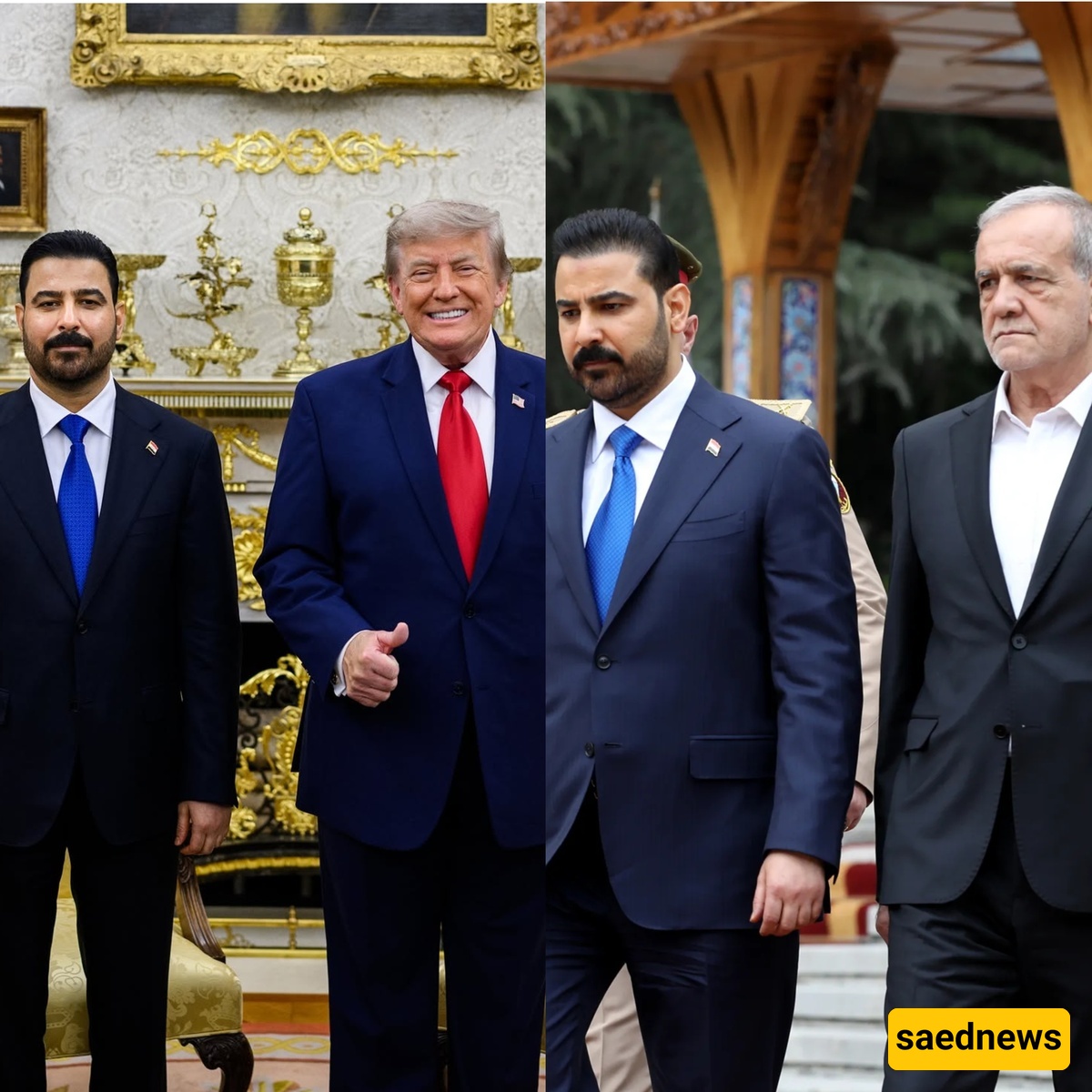
According to the political desk of Saed News, University of Tehran professor Ebrahim Mottaghi wrote in Etemad newspaper that Iran resorted to military countermeasures because it believed it had no alternative but to resist. During mediation efforts, political leaders from numerous regional countries made what he described as sincere and constructive attempts to help manage the crisis, with each playing a visible role in reducing tensions.
Mottaghi argues that after signing a memorandum of understanding, U.S. President Donald Trump faced criticism from Republican groups who believed the agreement was inconsistent with Washington's broader security strategy of limiting Iran's power. He contends that this criticism contributed to Trump adopting what he describes as a policy of escalating tensions.
According to the article, Trump later pursued policies that placed military confrontation with Iran back on the agenda. Mottaghi claims these actions prompted reciprocal measures by Iran and contradicted provisions of the memorandum of understanding. He specifically refers to a clause stating that Iran would be responsible for reopening and managing navigation through the Strait of Hormuz. He argues that implementing such commitments would have required coordinated operational mechanisms and cooperation among regional countries and major powers to ensure the safe passage of commercial shipping.
The article further states that ignoring established navigation rules, including actions attributed to a Saudi vessel, renewed security concerns. Mottaghi writes that this was followed by what he characterizes as a third phase of U.S. military measures against Iran, involving selective warfare and tactical operations under the U.S. Central Command (CENTCOM). He says Trump's confrontational rhetoric and policies contributed to a new cycle of conflict, prompting Iran to respond through reciprocal military measures, which in turn created additional political and security challenges.
Mottaghi describes Iraqi Prime Minister Al-Zaidi's visit to Tehran as part of a broader framework aimed at strengthening regional cooperation. He argues that the United States has, in previous years, pressured Iraq into actions that limited Baghdad's ability to fulfill its economic commitments while also creating uncertainty about the future of Iran's security and strategic relations with neighboring countries.
He views regional diplomatic initiatives as evidence of goodwill toward Iran and emphasizes that countries across the region recognize that further escalation could produce widespread security and economic consequences for international institutions, the global economy, and the Persian Gulf states.
According to the article, Iran has historically avoided launching preventive military operations but maintains the capability and determination to conduct defensive actions and regional deterrence when necessary.
While expressing respect for Iraqi Prime Minister Al-Zaidi as the leader of a neighboring country, Mottaghi argues that the responsibility of conveying messages from figures such as Donald Trump is particularly challenging. He writes that Iranian policymakers place limited trust in such communications because of what he describes as previous examples of U.S. "deceptive diplomacy" and surprise actions.
He argues that countries with major roles in international affairs should prioritize crisis management and mechanisms that reduce security risks rather than contribute to instability.
The article concludes that Iranian officials and society generally welcome mediation efforts. Mottaghi says those who have worked toward mediation in recent months have contributed to peace-building efforts in Southwest Asia, a region that has long experienced recurring security crises and political instability.
He also argues that Iraqi officials are aware of what he characterizes as previous U.S. policies of pressure and confrontation toward Iraq. According to the article, Iran's tactical military capabilities and its ability to respond to attacks have so far acted as a deterrent against more extensive military action by the United States and Israel.
Mottaghi concludes that peace initiatives without credible security guarantees will not provide lasting benefits for Iran or regional stability. He argues that the United States and Israel should be held accountable for military actions targeting Iranian facilities, political leaders, and infrastructure. While stating that Iran supports peace-building efforts, he maintains that successful mediation must reflect a balance of interests and a new regional balance of power capable of preventing future military escalation.
He adds that, in his view, Iran has faced three major episodes of military pressure from the United States and Israel over the past 14 months, illustrating the fragility of diplomatic agreements. He concludes that only a stable balance of power can help preserve the memorandum of understanding and reduce the risk of future crises.