Saed News: Confrontation with Iran has turned into a “classic power deadlock” for the Trump administration, where neither a decisive victory is achievable nor an acceptable exit strategy can be easily designed.
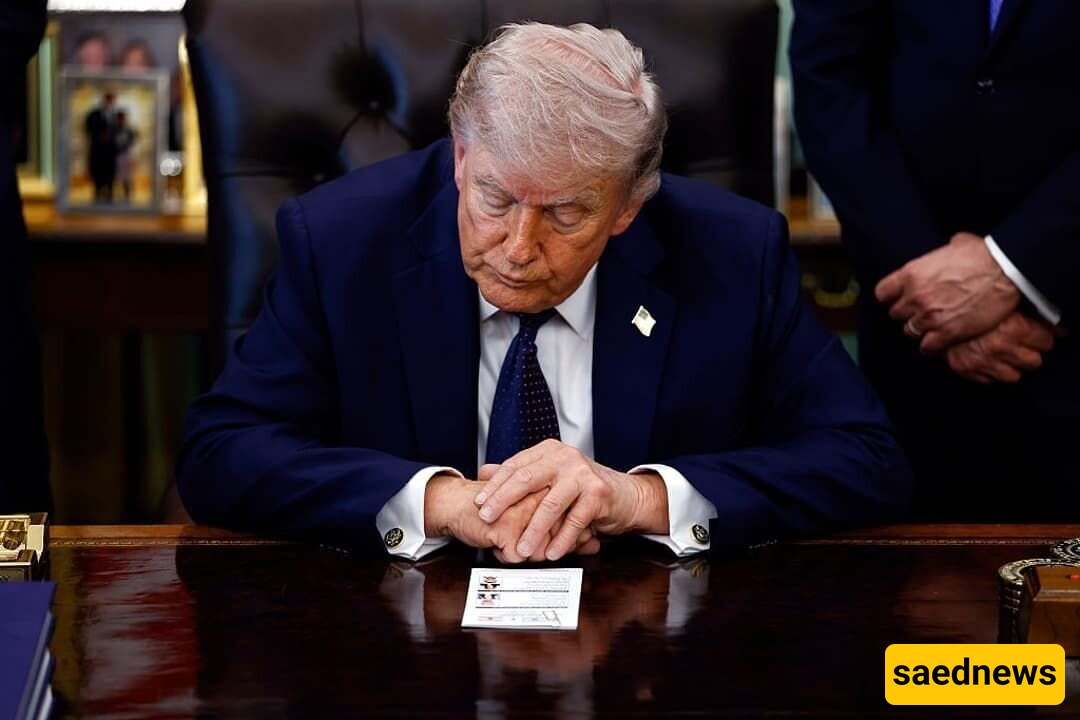
According to SAEDNEWS, what began as a display of power and threats has now turned into a complex puzzle for the White House. Donald Trump, after entering confrontation with Iran based on optimistic calculations about U.S. deterrence and the effectiveness of maximum pressure, now stands in a field where neither a clear path to victory exists nor a low-cost exit route is visible. Analysts describe it as a strategic deadlock that clearly reflects Washington’s confusion in facing the hard realities of the Iran equation.
Key Quote:
Edward Luce, senior columnist at the Financial Times:
“Trump’s epic rage operation has now turned into an epic search for an exit, but no clear path out of this crisis is yet visible.”
The decision to confront Iran was based on an exaggerated perception of U.S. deterrence power.
The “maximum pressure” policy was designed as the main tool to change Iran’s behavior.
The White House expected Tehran to retreat under pressure.
Field developments showed that Washington’s initial assessments were inaccurate.
Iran, by leveraging its regional and strategic capabilities, increased the cost of confrontation.
The scope of the crisis shifted from a limited confrontation to a complex geopolitical equation.
Expansion of mutual threats at the regional level
Increased risks of instability in energy markets and maritime security
Concerns among U.S. allies about entering a prolonged crisis
Retreat from confrontation: meaning acceptance of strategic failure
Continuing the current path: risk of escalation into a larger regional conflict
Lack of any option that is both low-cost and guarantees decisive victory