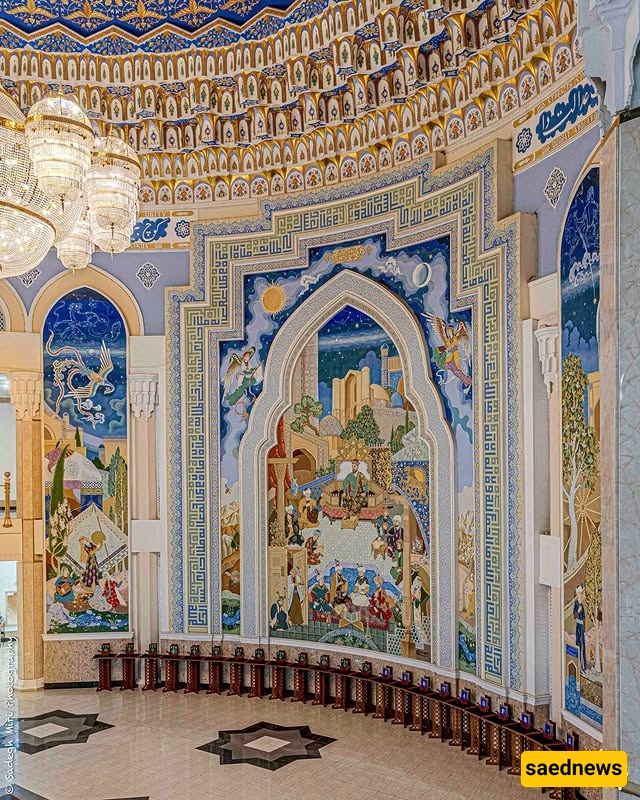
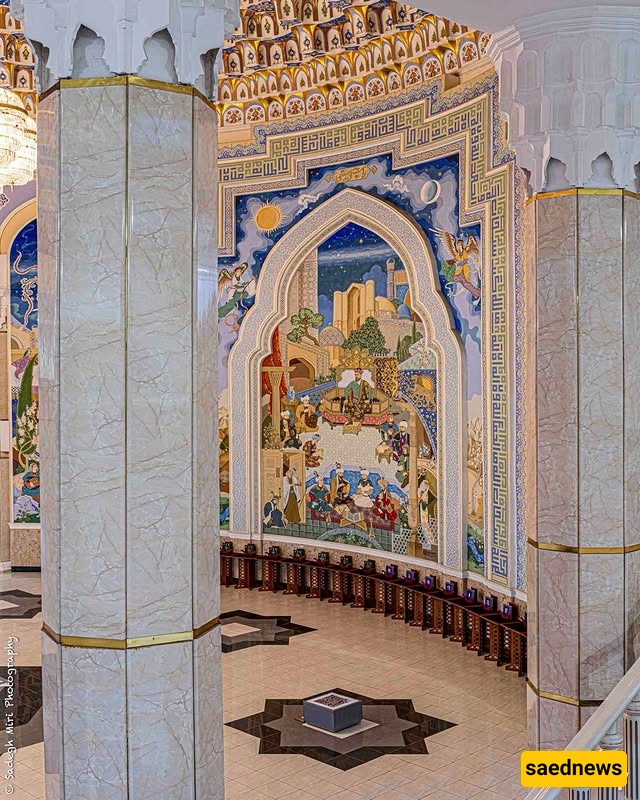
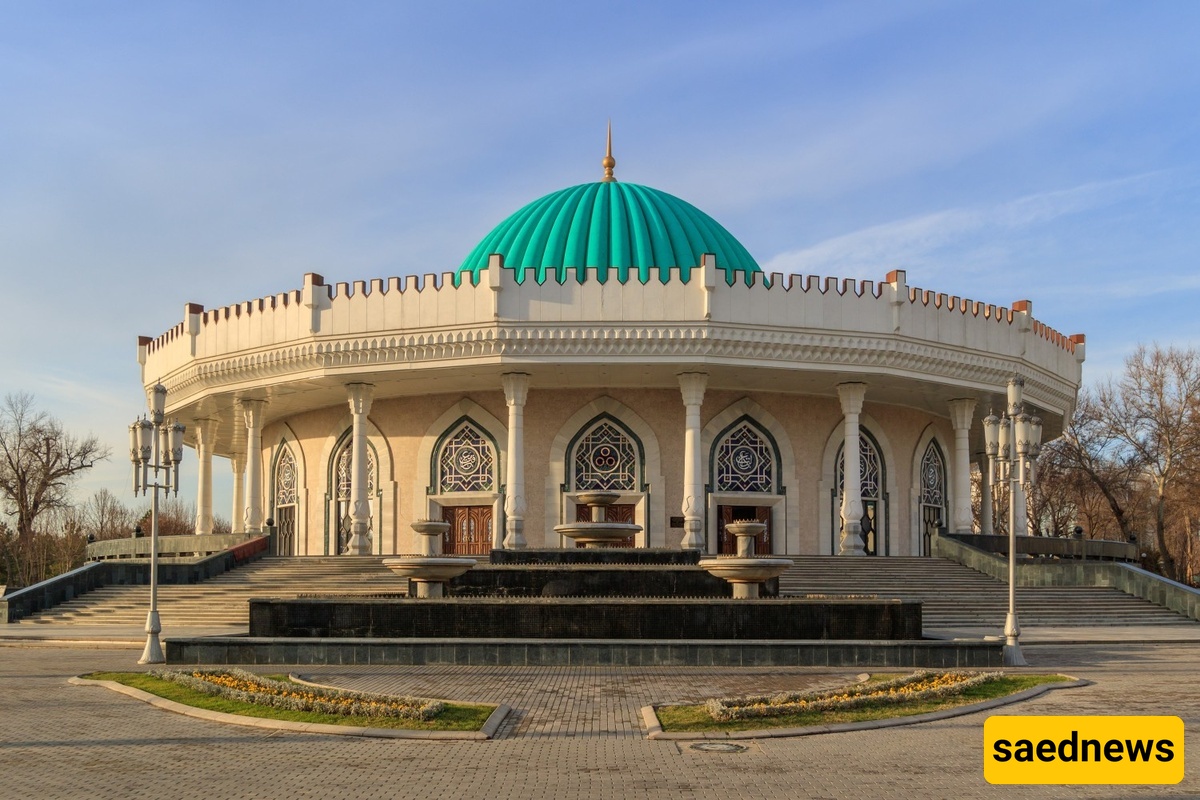
SAEDNEWS: A striking landmark with Timurid-inspired architecture, a turquoise dome, and golden decorations. The museum showcases the legacy of Amir Timur and the artistic brilliance of Central Asia.
According to the tourism service of SaedNews, among the most influential figures in Uzbekistan’s history, Amir Timur (Tamerlane) stands out as a warrior, statesman, and strong supporter of knowledge, education, trade, culture, and the arts. After the collapse of the Soviet Union and Uzbekistan’s declaration of independence, great attention was given to reviving the country’s rich cultural and spiritual heritage, which had been established by the ancestors of this land. Following independence from the former communist Soviet Union, Uzbekistan seized the opportunity to revisit forgotten pages of its history and to restore the names of prominent and influential figures who played an important role in the country’s development and even in world civilization.
Amir Timur, also known as Tamerlane, established a powerful centralized state and gradually expanded its influence through conquests, uniting many peoples under his rule. During his reign, human knowledge, education, culture, architecture, fine arts, music, poetry, and literature reached a high level of development. In short, these developments created a kind of renaissance during the Timurid era.
This historical background, along with efforts to restore historical justice, led the President of Uzbekistan, Islam Karimov, to honor the country’s historical figures by constructing monuments and memorial buildings in their name. Accordingly, 1996 was declared the Year of Amir Timur, and the 660th anniversary of his birth was widely celebrated throughout Uzbekistan. In the same year, by government decree, the construction of the State Museum of the Timurid Dynasty was approved. In the years of independence, many buildings were constructed in Uzbekistan that are closely connected to the life and history of its people. The opening of the Amir Timur Museum is considered an event of national and even global significance.
The State Museum of Amir Timur is located in the center of Tashkent, the capital of Uzbekistan. The purpose of this museum is to showcase the high level of scientific progress, education, intellectual thought, and culture during the Timurid era. It also aims to raise awareness among citizens about the achievements, traditions, and heritage of their nation, while strengthening patriotism among the younger generation and encouraging respect for their historical roots.
The museum was inaugurated on October 18, 1996, with the participation of Uzbek officials and foreign guests. In his opening speech, the President stated that with the establishment of this museum, historical justice had been fulfilled regarding the figure of Amir Timur. He described Amir Timur Square as a precious jewel, and the museum as its valuable gem. He also emphasized that the museum serves as a mirror in which visitors can clearly observe the past, present, and future of the nation.
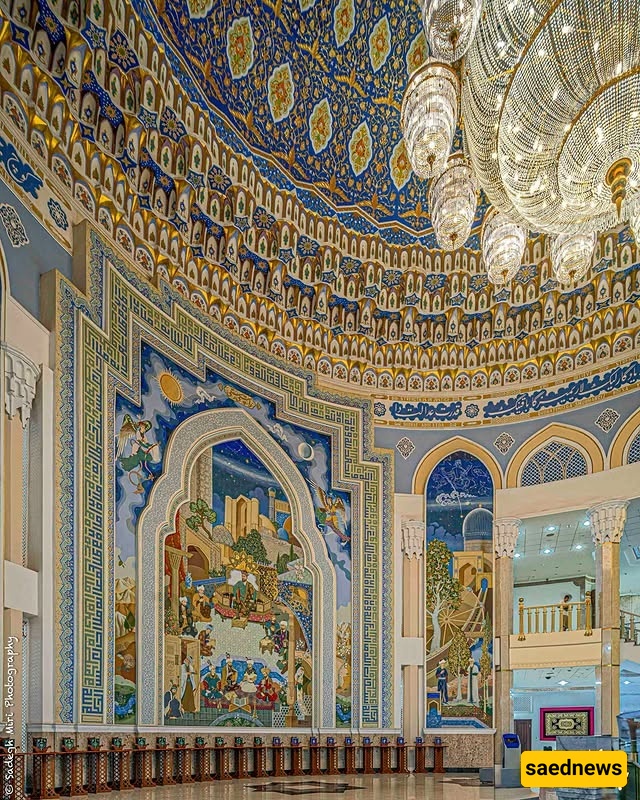
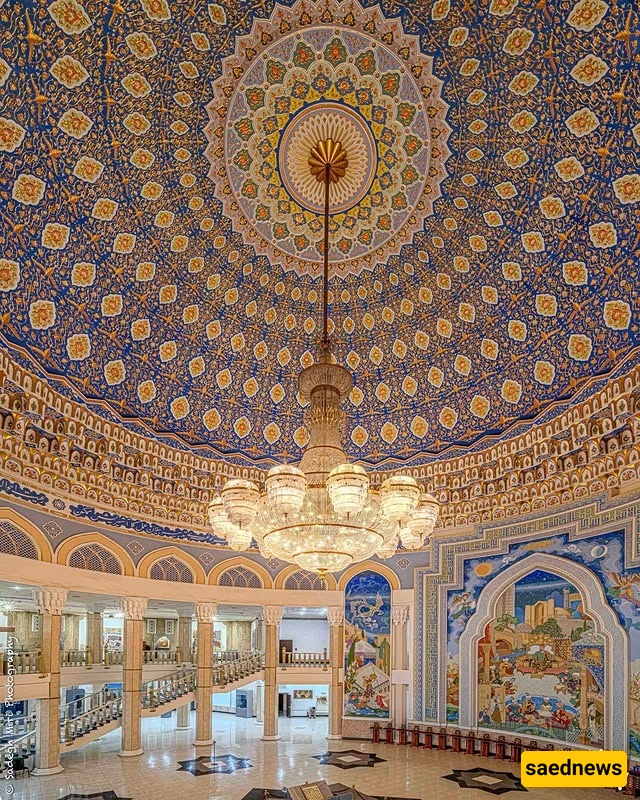
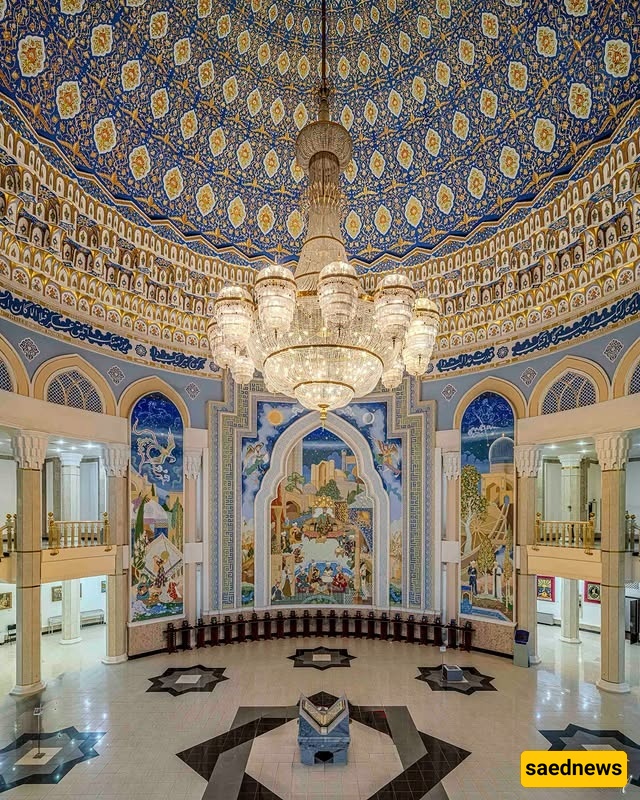
Architecturally, the museum’s turquoise dome resembles the Gur-e-Amir mausoleum in Samarkand. While its design is inspired by medieval architectural traditions, it also incorporates modern elements. Today, more than 5,000 artifacts are preserved in the museum’s collection, with over 2,000 items on public display. These rare and unique objects represent the Timurid era and its influence over the region.
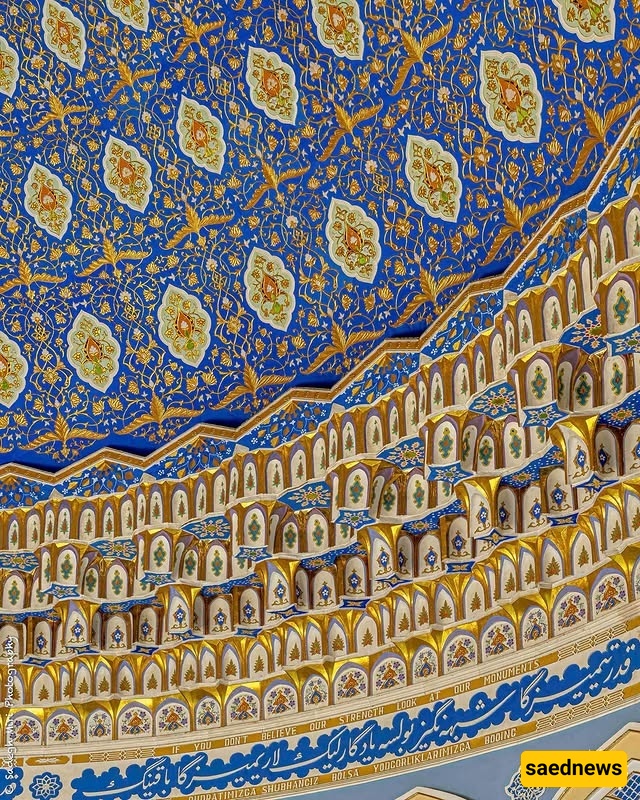
One of the museum’s highlights is the display of Amir Timur’s genealogy, along with exhibits illustrating his rise to power, military campaigns, diplomatic and trade relations, and contributions to urban development, science, and culture. The museum also contains historical relics from his reign and that of his descendants, including maps, weapons, coins made of copper and silver, miniatures, rare manuscripts, jewelry, and architectural models. Notable reconstructions include Ak-Saray Palace, the shrine of Sheikh Ahmad Yasavi, Bibi-Khanym Mosque, Ulugh Beg’s madrasa and observatory, as well as the Gur-e-Amir mausoleum and even the Taj Mahal.
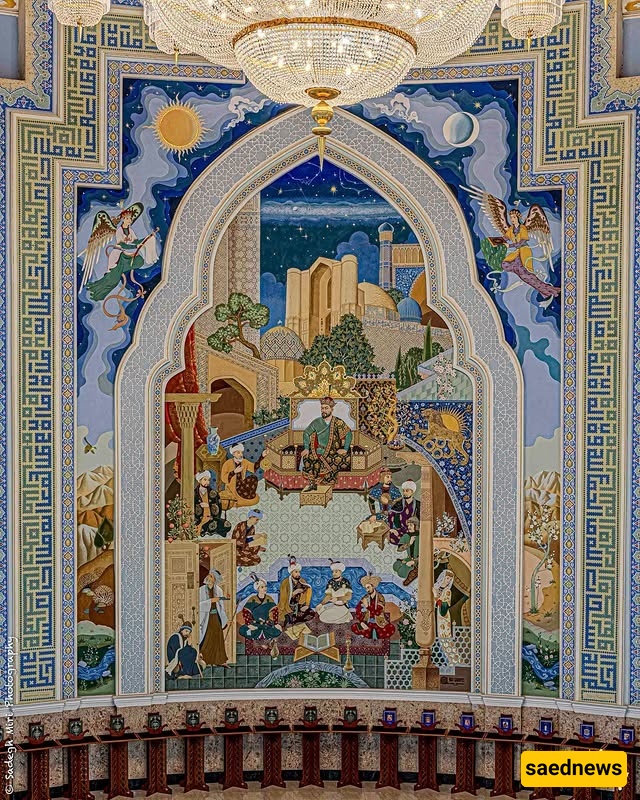
Upon entering the museum, visitors are greeted with a presidential speech expressing respect for Amir Timur. The halls are decorated with artifacts from the Timurid period and inscriptions of his sayings. In the “Gifts” section, there is a replica of Amir Timur’s portrait presented by the Louvre Museum in France, as well as gifts from embassies of countries such as Iran, Pakistan, Malaysia, Kazakhstan, Russia, Georgia, Turkey, and others.
The Amir Timur Museum remains one of the most important cultural and historical landmarks of Uzbekistan, reflecting both national identity and the enduring legacy of the Timurid civilization.