SAEDNEWS: Qazvin, due to its beautiful historical sites, is a city that attracts many tourists; however, it does not end there. Qazvin is also a cradle of diverse souvenirs.
According to Saednews, Based on Iranian historical documents from the Sassanid era, the beautiful city of Qazvin was referred to by the kings of that time as the province of “Keshvin.” “Keshvin” means “a city that should not be neglected.” This interesting name, which we discover after studying this province, shows that the kings’ view was quite accurate, as this city holds great cultural and artistic significance.
For this reason, in this section of Namnak Culture and Art, we aim to examine and introduce the handicrafts of this region. According to recent censuses, Qazvin Province has around 7,500 handicraft producers who, with their artistic effort and taste, strive to preserve the region’s heritage and beauty. Through their works, they significantly contribute to the survival of Iranian culture and history in Qazvin. Stay with us to become familiar with the handicrafts of Qazvin Province.
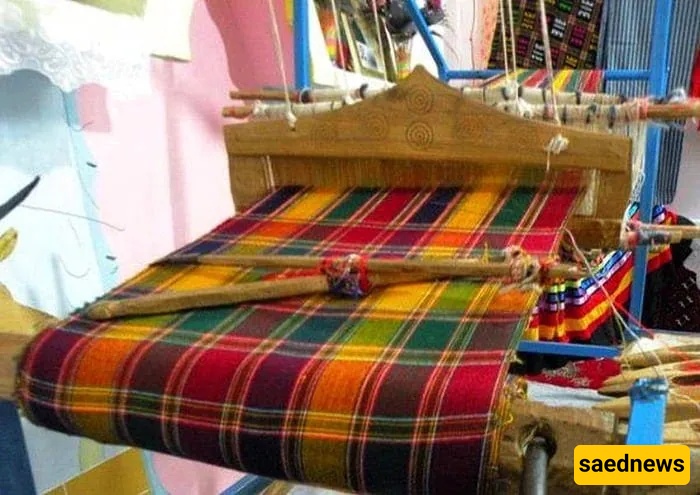
The art of chador shab weaving, a type of traditional textile, is very common in a village near Qazvin called Alamut. Chador shab is woven in plain, colored, checkered, or striped patterns using cotton.
In this province, various products such as bedspreads, tablecloths, sofa covers, cushions, and more are made using this craft and offered to locals and tourists.
One of the most exquisite Iranian carpets belongs to Qazvin. Unfortunately, this craft has nearly been forgotten, and only a few examples remain in private collections and museums. Variety in design, use, and color is one of the main features of these carpets.
Another delicate handicraft of Qazvin Province is Namnam embroidery, which requires great precision and detail. In this art, very small beads (called “monjooq” in Turkish) are used to make items such as scissor cases, kohl containers, money pouches, comb cases, prayer stamp holders, and more.
Moave is a type of woven textile that is still produced in some parts of Qazvin. However, like many other handicrafts, its popularity has declined due to cheap factory-made products. This weaving technique can produce thick fabrics such as blankets, curtains, floor coverings, bed sheets, as well as finer fabrics for clothing.
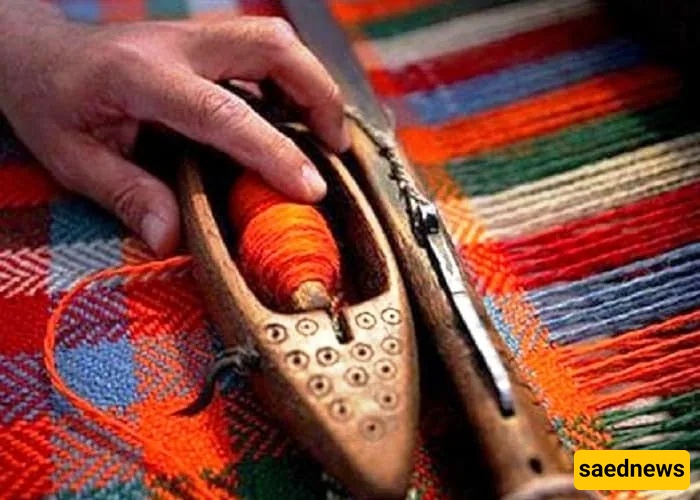
Jajim weaving has a relatively long history and was common in most villages of Qazvin Province, though many workshops have disappeared over time. The primary material used is wool, traditionally woven by rural women.
Today, colorful yarns are also used. Villagers weave jajims at home during autumn and winter, while nomadic groups practice it outdoors in late winter and early spring.
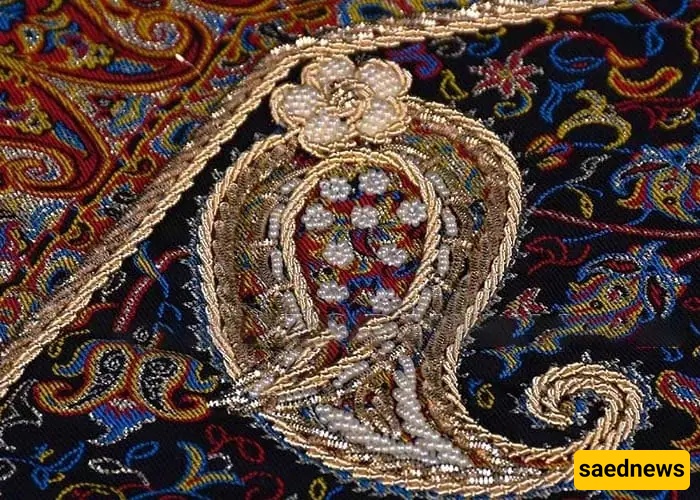
This craft was historically popular among middle and upper classes. When brides were sent to their new homes, personal items such as comb cases, cosmetic boxes, prayer holders, and wallets were decorated using this art.
It is similar to embroidery, but instead of thread, very fine gold or brass wires are used.
In ancient times, silk threads were used for weaving ribbons (pan), but today nylon threads are used instead. Various patterns such as “nightingale eye,” “29-pattern,” “forty-pronged,” “rooster eye,” and “eight-pattern spiral” are created. Ribbon weaving was once very common in Rudbar Alamut.
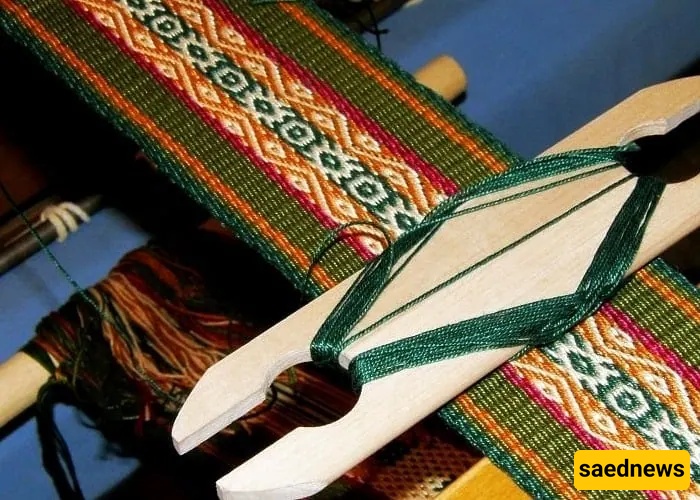
Kilim weaving is widespread in almost all villages of Qazvin and is one of the region’s most famous handicrafts. The main centers include Rudbar Shahrestan, Rudbar Alamut, Ziaabad, and Ardak.
This is a form of metal engraving art in which patterns are created on metal sheets. The designs are cut using fine saws or files. This craft is visible in items such as mirrors, candle holders, and decorative vessels.
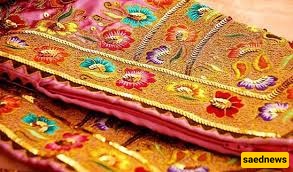
Sormeh doozi is a decorative embroidery art applied on velvet or traditional fabrics, giving them a unique shine. It is one of Qazvin’s well-known handicrafts, and tourists often purchase embroidered items and clothing as souvenirs.
The cities of Takestan and Qazvin are among the centers where traditional giveh making is practiced. The shoes produced here differ slightly from those made in Abadeh, Yazd, and Kermanshah, particularly in the construction of the sole, which may be leather or plastic.
Copperware is widely used in Iranian traditional medicine and daily life. Due to the strong presence of coppersmiths in Qazvin, a variety of copper utensils are produced in this region.
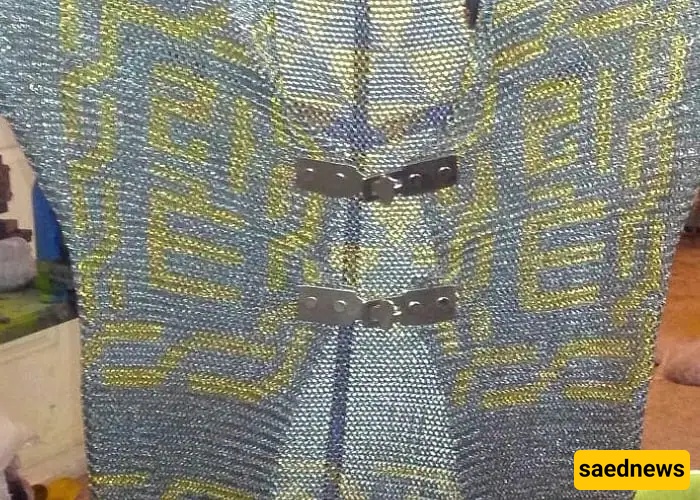
Armor weaving was once a prominent craft in Qazvin. Due to the region’s strategic location and history of wars, artisans were tasked with producing armor and military equipment to help prepare local people for battle.
Calligraphy is considered one of the most important aspects of Iranian artistic identity. Qazvin is one of the major centers of calligraphy and has produced many renowned artists.
Wood carving is one of the finest traditional arts in Qazvin, combining woodworking, design, and craftsmanship. In this art, wooden pieces are assembled to create stunning patterns. The Ersi windows and the Aminihā Hussainiya are prominent examples of this art in the province.
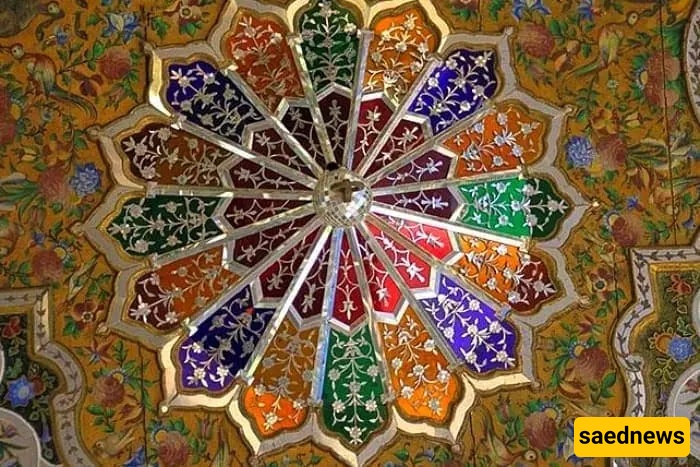
Mirror work is one of the most popular decorative arts in Iran. It involves creating artistic designs using small pieces of mirror. This art has a long history in Iran and was first used in Qazvin to decorate the Divankhaneh of Shah Tahmasb’s Safavid palace. Golestan Palace is also one of the finest examples of mirror work.
One of the oldest textile crafts in Qazvin is the production of woolen socks. Sock knitting is common in many areas of the province such as Abyek, Alamut, and others. Short socks are typically used by women, while long socks are more common for men.