SAEDNEWS: According to Islamic teachings, every human being will experience the pressure and trials of the grave. However, the intensity of this experience may differ from one person to another. Islam provides various teachings and practices that can help reduce the pressure of the grave and make this stage easier for a believer.
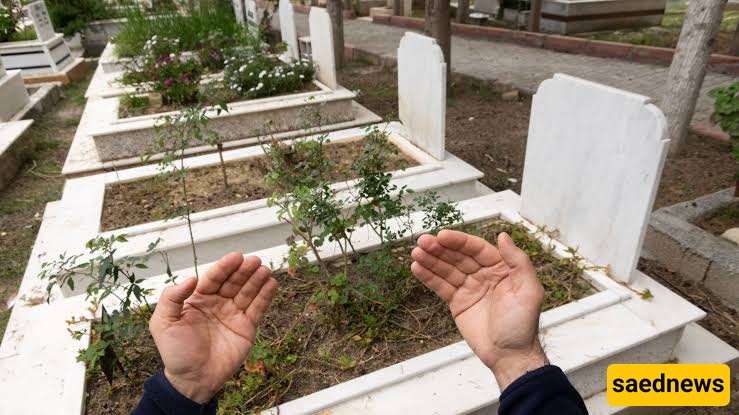
According to Saednews, Death is not simply the act of placing a person's body in a piece of excavated land. Rather, it is the transition of the human being into the realm of Barzakh, the intermediate world between death and the resurrection.
According to Islamic teachings, the grave is the first stage of a person's journey after death and the beginning of the difficult path through Barzakh. This stage may involve the pressure and punishment of the grave. Both believers and unbelievers are described in some Islamic narrations as experiencing the pressure of the grave, although the severity of this experience is said to depend on a person's deeds and conduct during worldly life.
The Prophet Muhammad is reported to have regularly sought protection from the punishment of the grave at the end of his prayers, saying:
“O Allah, I seek refuge in You from the punishment of the grave.”
(Bihar al-Anwar, vol. 6, p. 205)
The exact nature and reality of the pressure of the grave are not known to us in detail. However, numerous Islamic hadiths and narrations describe its existence after death. Islamic teachings also mention various actions believed to lessen or protect a person from this hardship.

According to a narration attributed to Imam al-Rida:
Performing the night prayer and seeking forgiveness seventy times during the supplication of the Witr prayer provides protection from the punishment of the grave.
(Mustadrak al-Wasa'il, vol. 6, p. 331)
The Prophet Muhammad is reported to have said:
“Surah al-Mulk protects a person from the punishment of the grave.”
(Sahih al-Jami', no. 3537)
Another narration states that whoever recites Surah al-Takathur before going to sleep will be protected from the trials and pressure of the grave, and God will protect that person from the evil of Munkar and Nakir.
(Bihar al-Anwar, vol. 86, p. 282)
Imam Ali is reported to have said:
Whoever recites Surah al-Nisa every Friday will be protected from the pressure of the grave.
(Thawab al-A'mal, p. 223)
Imam al-Baqir is reported to have said:
Whoever regularly recites Surah al-Zukhruf will be protected from the creatures and insects of the earth and from the pressure of the grave.
(Thawab al-A'mal, p. 113)
Imam al-Sadiq is reported to have said:
Whoever recites Surah al-Qalam during an obligatory or recommended prayer will be protected from poverty throughout his life, and after death, God will protect him from the pressure of the grave.
(Bihar al-Anwar, vol. 92, p. 316)
A further narration states:
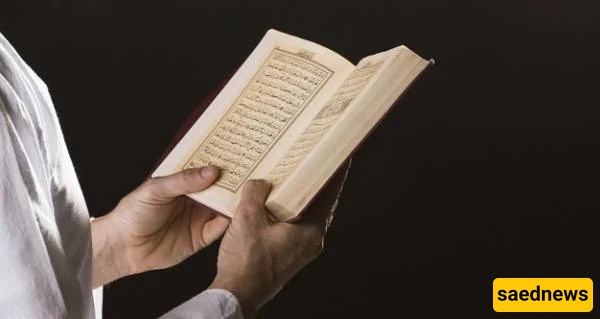
“Everything has a heart, and the heart of the Quran is Surah Ya-Sin. Whoever recites it will be protected from the pressure of the grave.”
(Thawab al-A'mal, p. 235)
Mansur ibn Hazim reports that he asked Imam al-Sadiq about the reward of someone who performs Hajj four times. The Imam replied:
“O Mansur, whoever performs Hajj four times will never experience the pressure of the grave.”
(Man La Yahduruhu al-Faqih, vol. 2, p. 217)
Imam al-Sadiq is reported to have said:
Whoever dies between Thursday's midday and Friday noon will be protected by God from the pressure of the grave.
(Man La Yahduruhu al-Faqih, vol. 1, p. 83)
According to a narration, among the rewards granted by God to a person who visits the grave of Imam Husayn is protection from the punishment and pressure of the grave.
(Bihar al-Anwar, vol. 101, p. 18)
The Prophet Muhammad is reported to have said:
The charity given by a believer removes worldly afflictions, the punishment of the grave, and the punishment of the Day of Resurrection.
(Bihar al-Anwar, vol. 89, p. 336)
A narration attributed to the Prophet Muhammad states that when a group of Muslims performs the funeral prayer for a deceased person, reaching one hundred people, and they sincerely ask God to grant the deceased mercy and intercession, God accepts their supplication.
(Sahih al-Jami', no. 5663)

Imam al-Sadiq is reported to have said:
A deceased person may be experiencing the pressure of the grave, but because of the prayer offered by his fellow believer, God expands his grave and makes it more spacious.
(Ilal al-Shara'i, vol. 1, p. 360)
This narration is also understood more broadly as emphasizing the benefit that the prayers and good deeds of surviving believers can bring to the deceased.

Imam al-Baqir is reported to have said:
Whoever performs his bowing and prostration completely and correctly will not be overcome by the fear of the grave.
(Bihar al-Anwar, vol. 6, p. 244)
According to these Islamic narrations, a person's actions during worldly life are closely connected with their experience after death. Prayer, seeking forgiveness, reciting the Quran, charity, Hajj, visiting Imam Husayn, sincere worship, and maintaining good conduct are among the practices described as providing protection or relief from the difficulties associated with the grave.
It is important to note that these descriptions come from Islamic hadith and religious traditions, and interpretations regarding the exact nature of the grave, Barzakh, and its punishment can differ among Islamic scholars and schools of thought.