SAEDNEWS: Sequin embroidery is a traditional Iranian craft that can be done in any color on a variety of fabrics.
Introduction to the Art of Sequin Embroidery
According to SAEDNEWS: Sequin embroidery is one of the traditional Iranian arts that can be applied in various colors on all types of fabrics.
Definition
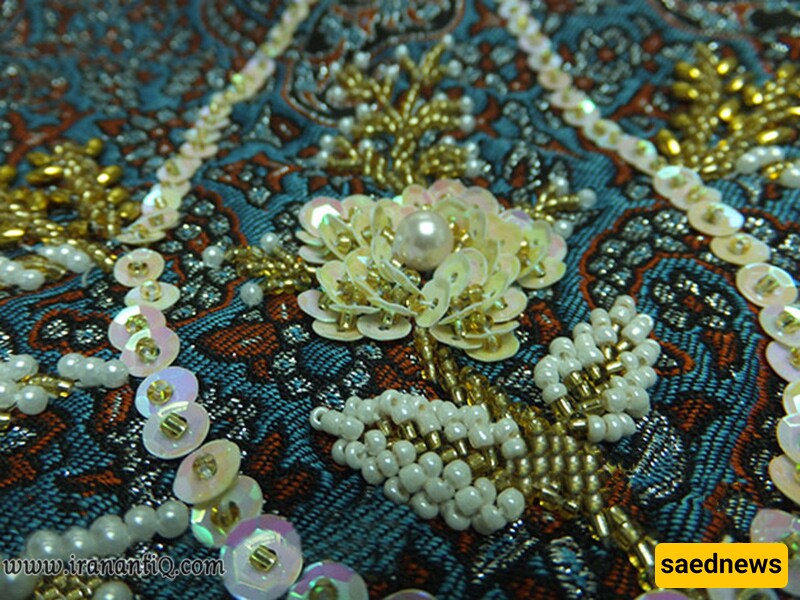
Sequin embroidery refers to the application of gold-colored sequins or even pure gold onto silk or cotton fabrics. This art is sometimes combined with embroidery, beads, bullion thread, filigree, silk, and pearl-like stones. Sequin embroidery is commonly used to decorate bridal gowns, all kinds of evening dresses, curtains, cushions, bedspreads, prayer rugs, tablecloths, wall hangings, and more.
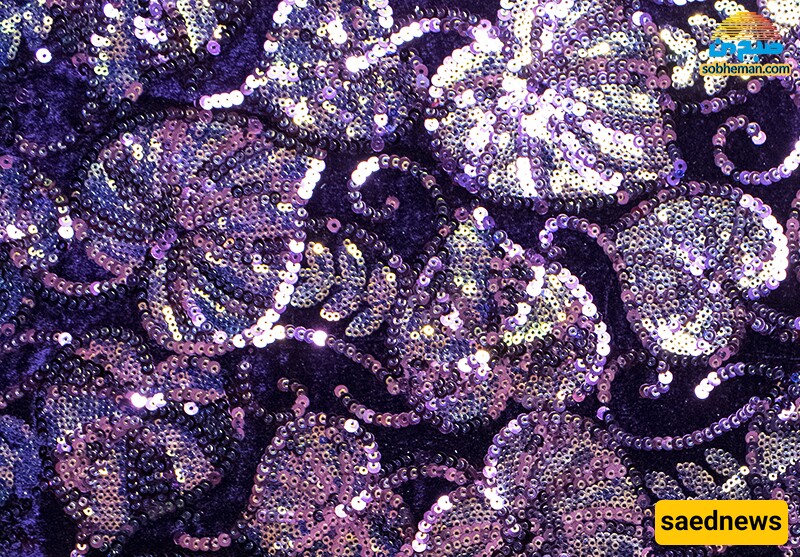
This type of embroidery is one of the ancient arts of Iran with a long history. In 1969, during excavations in the Burnt City (Shahr-e Sukhteh), a bronze statue was discovered with small decorative sequins about 4 cm long on its clothing, extending down to the knees. These embellishments were arranged in three separate rows divided by a belt and resembled the sequin decorations on the aprons worn by Baluch women.
During the Achaemenid era, this embroidery was used to decorate clothing, hats, and curtains. According to available artifacts, Achaemenid soldiers wore felt hats adorned with sequin embroidery and long-sleeved colorful robes decorated with sequins resembling fish scales. However, according to André Godard, this art did not flourish much during the Achaemenid period and instead experienced significant growth during the Parthian era, which also facilitated trade relations between Iran and other countries.
In the Islamic period, the material of the sequins shifted from gold and silver to copper and brass, and they began to be used for decorating clothing in a general sense. In the Safavid era, this art, along with other types of embroidery, was used to adorn curtains, tablecloths, decorative panels, and prayer mats.
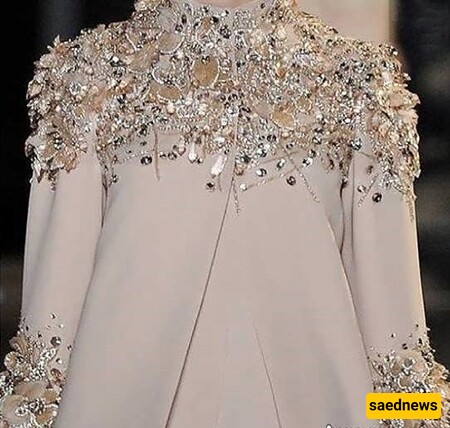
1. Simple Stitch:
To attach a sequin to fabric, a bead is sewn on top of the sequin because the bead’s diameter is larger than the sequin’s hole, holding the sequin in place. The process involves passing the needle through the fabric, placing a sequin followed by a bead, and then bringing the needle back through the sequin hole to the underside of the fabric.
2. Raised Stitch:
This style uses two methods:
The area beneath the desired part is padded with cotton, glass wool, or similar material to raise it, then embroidered like the simple stitch.
A number of beads or filigree are threaded first, followed by a sequin and another bead, then the needle is passed back through all elements before the sequin.
3. Standing Stitch:
In this method, the sequins are sewn at an angle so they stand sideways. It is commonly used for floral designs.
4. Thread-Over Stitch:
This technique is used to fill designs. It’s called “thread-over sequin embroidery” because the sequin is attached with thread that runs over it. The needle comes up through the fabric, a sequin is added, and the thread is pulled out over the sequin’s radius and stitched back into the fabric.
5. Crochet-Like Sequin Embroidery:
The thread used to attach the sequin resembles crochet work. Like all traditional crafts, it requires attention and precision to master the technique. This method is especially used in decorating evening gowns and women’s coats, favored for its elegance and detail. Special decorative beads are used for this purpose.
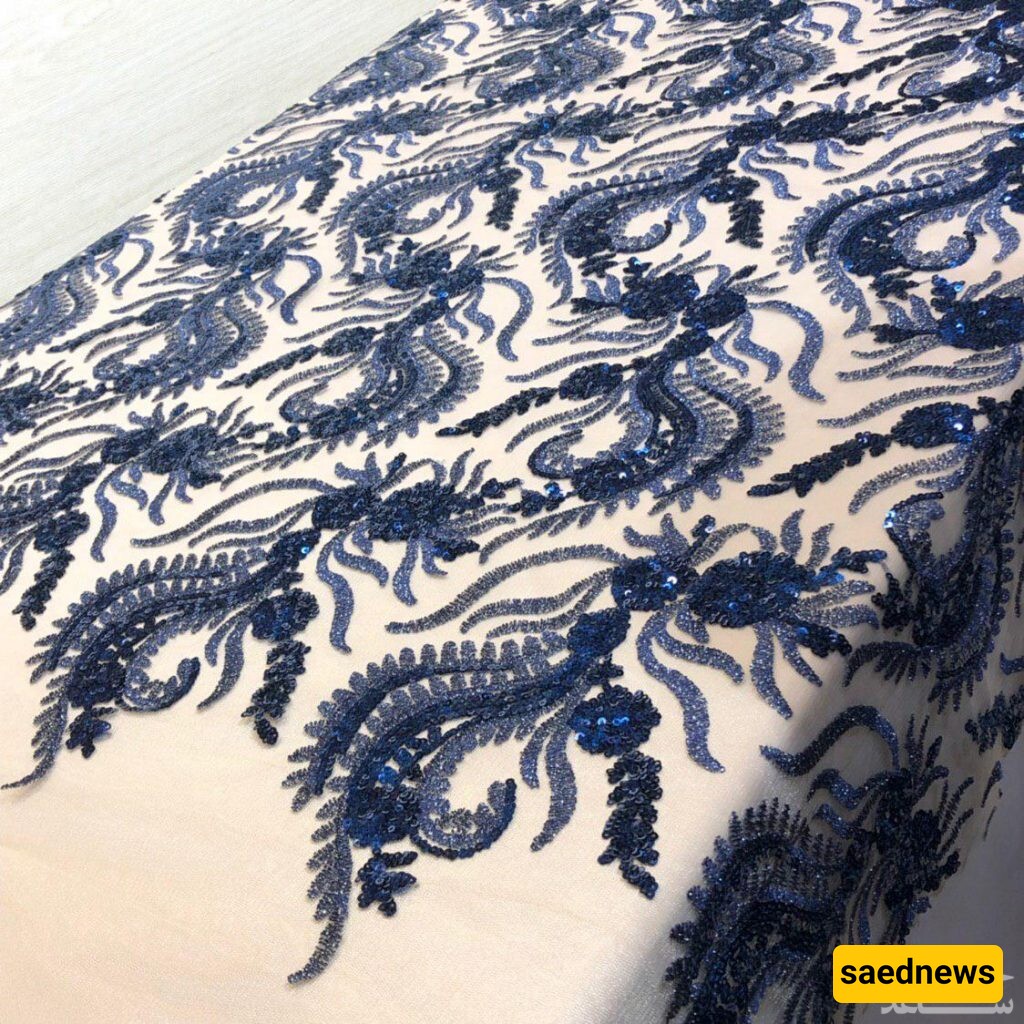
The motifs used in sequin embroidery include:
Floral and plant patterns
Birds and animals
Landscapes
Potted flowers
Mihrab (arched niche) designs
"Sun Lady" motif
Cypress trees, including weeping and straight types
Birds perched on branches
Peacocks beneath trees
Fish and other animals
Paisley (Boteh Jegheh)
Chandelier (candlestick) motifs
More intricate designs may feature multiple flower vases, rosewater sprinklers, dessert dishes, fruit bowls, and chandeliers.
Fortunately, this embroidery is still widely practiced today and maintains its unique appeal. It is commonly used for:
Bridal gowns and evening dresses
Curtain decorations
Cushion covers
Sofa covers
Sugar cloths (for wedding ceremonies)
Fabric bundles (for gifts)
Decorative panels
Prayer rugs
Perfume holders
Tablecloths
Garments
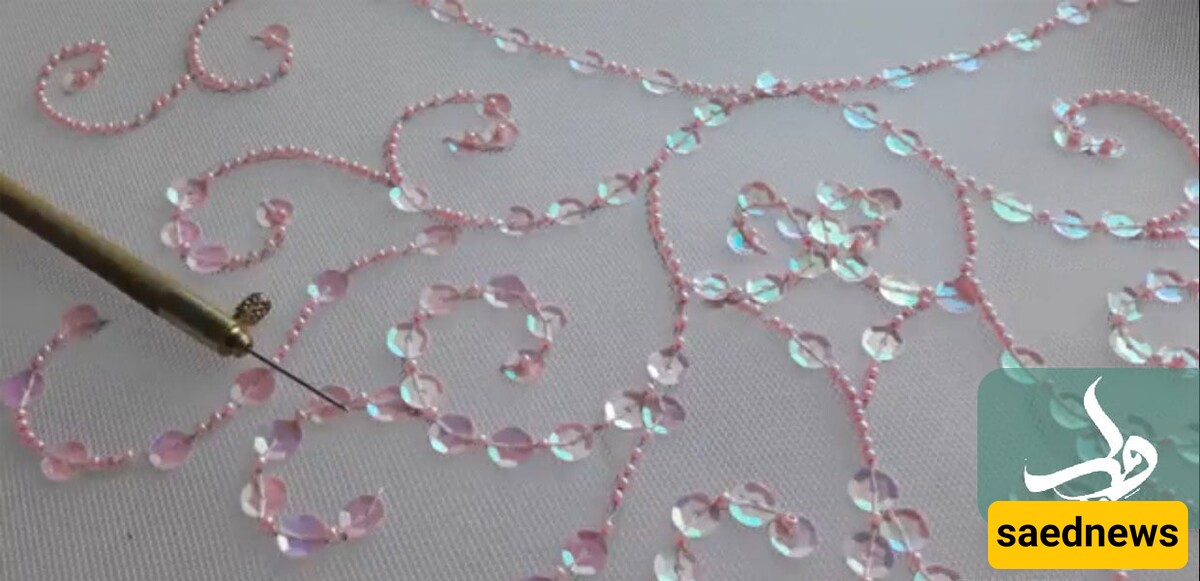
Essential tools and materials include:
Fusible interfacing
Special beads needles
Threads matching the fabric
Threads matching the beads
Sequins
Filigree
Pearls
Today, this art is practiced in many parts of Iran, particularly in the city of Mahabad, both in workshops and at home. In workshops, men are often involved, while women typically produce items at home. The embroidery is also popular in Bukan and its surrounding areas, as well as in Bandar Abbas and Bandar Lengeh.