SAEDNEWS: “Freaking out” is a phrase commonly used to describe obsessive thoughts, sudden paranoia, or hallucinations, often occurring during periods of intense stress or after drug use. In this article, we explore the exact meaning of the term and explain how it differs from “locking up” and “panicking.”

According to Saednews, The secret language of Iranian Gen Z is not limited to Persian words. It is a mixture of English expressions, borrowed sounds, and slang terms that come together to create a unique way of speaking. If you do not know the meanings behind these expressions, you may not understand what they are trying to say as a listener.
One of these expressions is “freak zadan” (فریک زدن). In general, it refers to focusing intensely on an issue or something outside the main topic of a conversation. It can also describe becoming fixated on something that is not actually happening, such as an irrational fear or an illogical line of thought.
“Freak zadan” can refer to obsessive thinking, sudden paranoia, or experiencing delusional thoughts. The expression is sometimes used when someone is under severe stress or affected by drugs.
Another related expression is “ghofli zadan” (قفلی زدن), which means becoming excessively focused on a particular subject or person to the point that the individual cannot seem to shift their attention away from it.
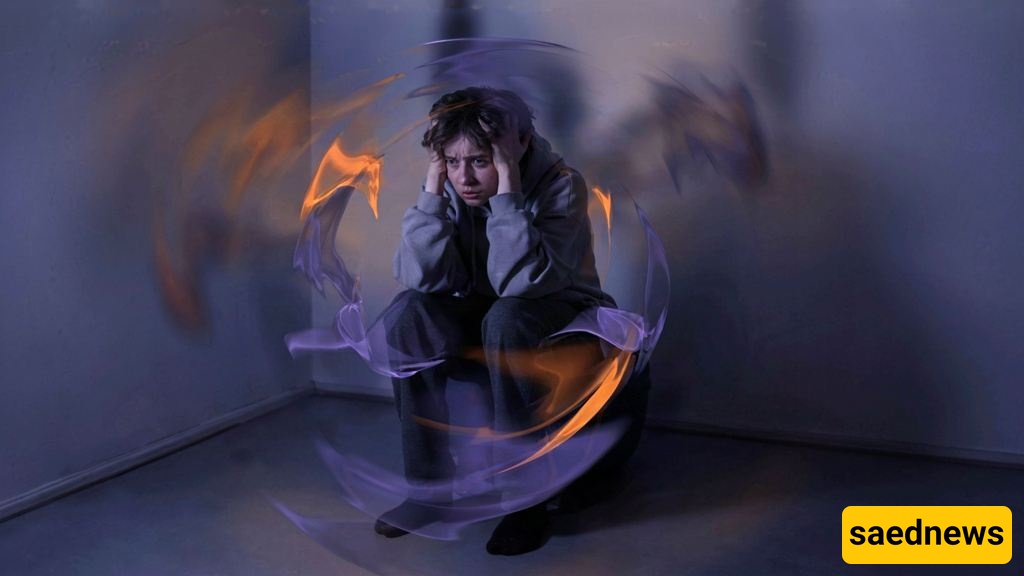
“Freak out” (فریک اوت) is another English-based expression commonly used in Persian slang. It generally describes becoming extremely upset, frightened, anxious, or emotionally overwhelmed.
The main distinction between these expressions is that “freak zadan” is more commonly associated with unusual or irrational thoughts, paranoia, or mental reactions caused by stress or substance use. “Ghofli zadan” focuses more on being intensely fixated on a particular person or subject.
Another related term is “panic zadan” (پنیک زدن), which means experiencing a panic attack or severe anxiety. It is typically used when someone is confronted with a frightening or highly stressful situation.
Understanding these expressions can make it easier to follow conversations among Iranian Gen Z speakers, especially when Persian slang is mixed with English-derived terminology.