SAEDNEWS: Diwali, also known as the Festival of Lights, is one of the world’s most magnificent cultural and religious celebrations. It is celebrated in India and many other countries, symbolizing the triumph of light over darkness, good over evil, and knowledge over ignorance.
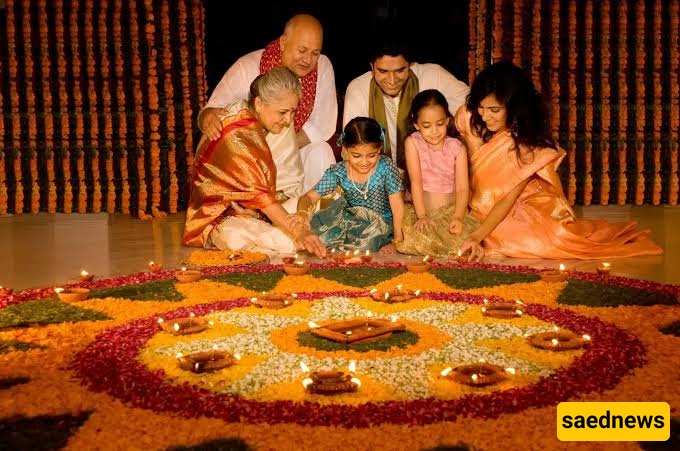
According to Saednews, Diwali is one of the world’s most celebrated and spectacular cultural and religious festivals. Also known as Deepavali or the “Festival of Lights,” it is celebrated every year by millions of people in India and around the world. Diwali is more than a religious occasion; it symbolizes the triumph of light over darkness, good over evil, knowledge over ignorance, and hope over despair.
The word “Diwali” comes from the Sanskrit term “Deepavali.” “Deepa” means lamp or light, while “avali” means a row or collection. Deepavali therefore means “a row of lamps.” The name beautifully reflects the nature of the celebration, as homes, streets, temples, and public spaces are illuminated with thousands of lamps and lights during the festival.
Diwali usually takes place in October or November. Its exact date is determined according to the Hindu lunar calendar and falls during the month of Kartika. The main celebrations reach their peak on Amavasya, the new moon night. Because the Hindu calendar is lunar, the date of Diwali changes every year.
In India, Diwali is an important public holiday. However, its significance extends far beyond India. Hindu communities and followers of related traditions celebrate Diwali in countries including Nepal, Sri Lanka, Myanmar, Mauritius, Fiji, Guyana, Trinidad and Tobago, Singapore, Malaysia, and many major cities around the world.
Diwali has different meanings across various religions and regions.
For Hindus, the festival is commonly associated with the return of Rama, the hero of the epic Ramayana, to the city of Ayodhya after fourteen years of exile and his victory over Ravana, the king of the demons. According to tradition, the people of Ayodhya illuminated the city with lamps to welcome Rama home, and this tradition became associated with Diwali.
In some parts of India, Diwali is dedicated to Lakshmi, the goddess of wealth, prosperity, and good fortune. Hindus believe that on Diwali night, Lakshmi visits homes that are clean and brightly illuminated. For this reason, cleaning the house and lighting lamps are important parts of the celebration.
In southern India, Diwali is connected with the story of Krishna's victory over Narakasura, an evil demon. According to the legend, Krishna defeated Narakasura and freed the world from his tyranny. Other traditions associate Diwali with the return of the Pandavas from exile or with the marriage of Vishnu and Lakshmi.
Diwali has profound spiritual significance for followers of Jainism. Jains believe that Mahavira, the spiritual teacher traditionally regarded as the founder of Jainism, attained nirvana, or final liberation, on this day. Consequently, Diwali is considered a sacred and spiritual occasion, often observed through prayer, fasting, and meditation.
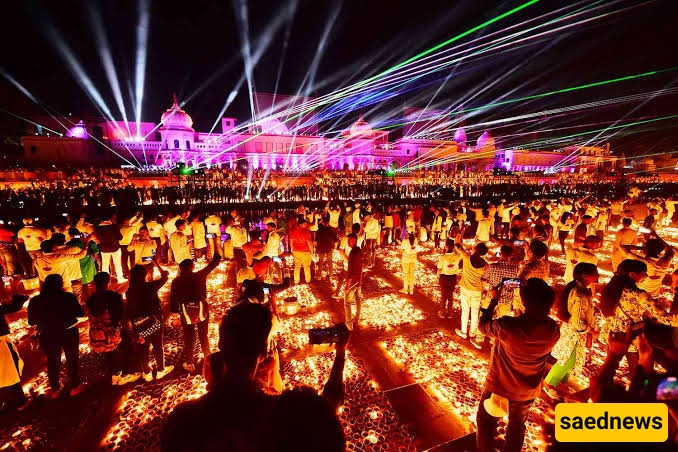
Sikhs celebrate Diwali in connection with Bandi Chhor Divas, which commemorates the release of Guru Hargobind, the sixth Sikh Guru, from imprisonment. According to Sikh tradition, he was released along with 52 other imprisoned princes and returned to Amritsar. The illumination of the Golden Temple symbolizes freedom, justice, and spiritual liberation.
In some Buddhist traditions, particularly in Nepal, Diwali is observed through distinctive local customs. Nepali Buddhists may worship Lakshmi and light lamps as symbols of illumination and awareness. Although Diwali does not hold the same central position in Buddhism as it does in Hinduism and Jainism, it remains part of the cultural traditions of several Buddhist communities in South Asia.
Diwali is not simply a one-day celebration. It is generally a five-day festival, with each day having its own name, meaning, and customs.
Dhanteras marks the beginning of the Diwali period. On this day, people traditionally purchase metal utensils, jewelry, gold, and silver. These purchases are considered symbols of prosperity and good fortune.
Dhanteras is also associated with Dhanvantari, the deity connected with Ayurveda and healing. Some families use this day to clean their homes and light lamps to drive away darkness.
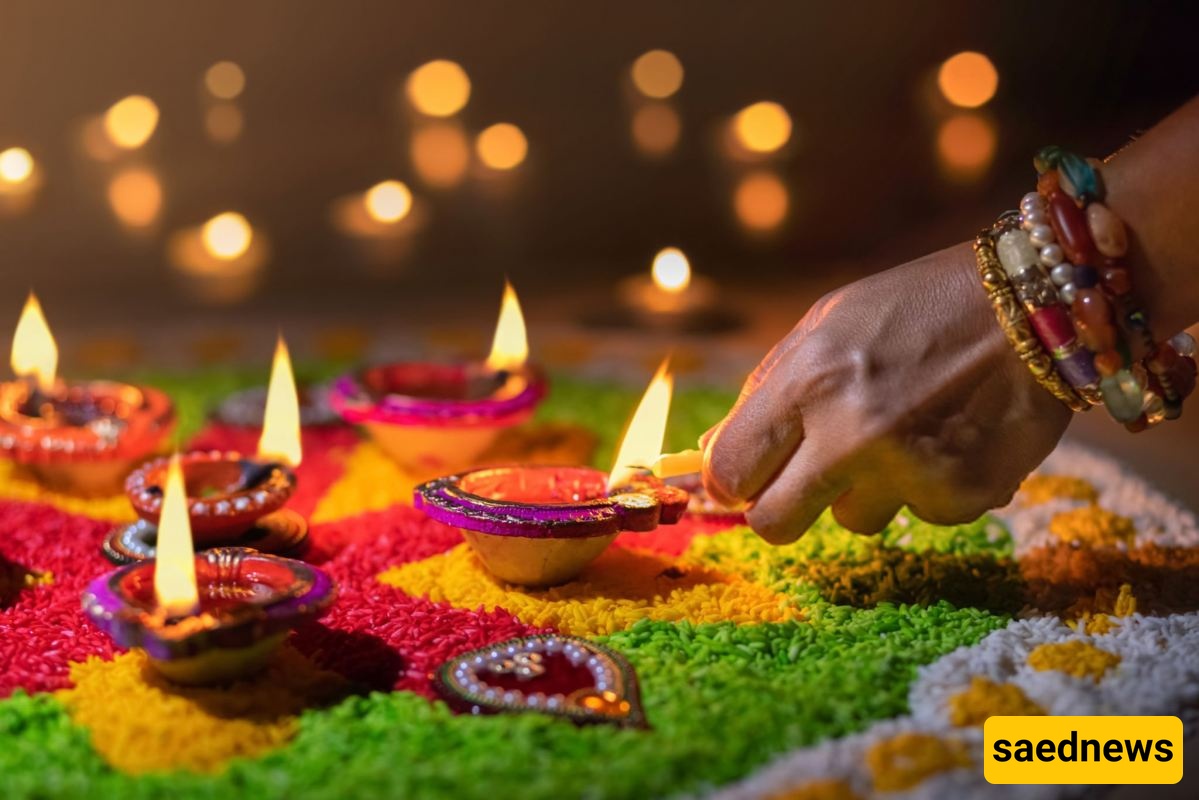
The second day is known as Naraka Chaturdashi or “Choti Diwali,” meaning “Small Diwali.” It commemorates Krishna's victory over Narakasura.
People traditionally wake early, bathe, apply special oils to their bodies, and wear new clothes. In some regions, the lighting of lamps and fireworks begins on this day.
Lakshmi Puja is generally regarded as the central day of Diwali celebrations. On this evening, families gather at home or visit temples to perform prayers dedicated to Lakshmi.
They ask the goddess to bless their homes with prosperity and good fortune. Oil lamps, flowers, sweets, and fruits are commonly included in the rituals. Cities and villages across India are illuminated with lamps, decorations, and, in many places, fireworks.
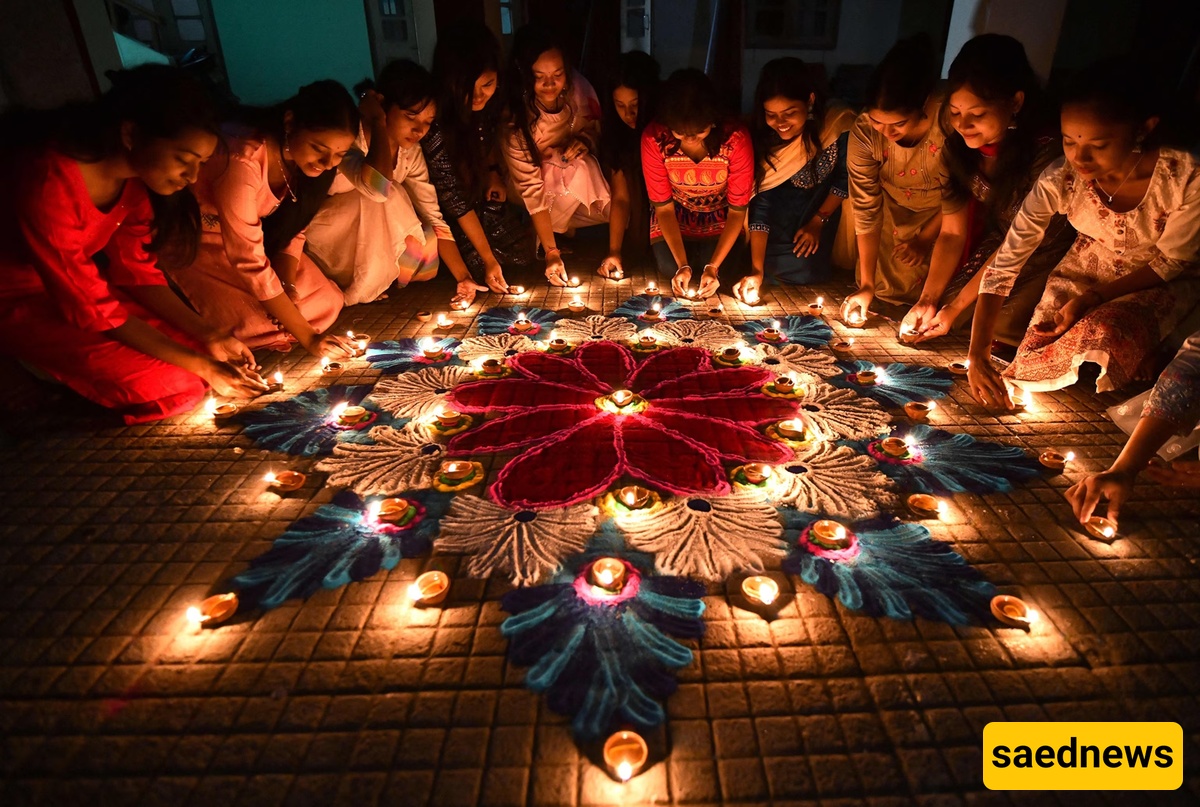
The fourth day is associated with Govardhan Puja, also known as Annakut in some traditions. It commemorates the story of Krishna lifting Govardhan Hill to protect the people from the anger of Indra, the god associated with rain.
People may honor cows, prepare large quantities of food, and share meals with others. In certain regions, this day is also associated with the beginning of the Hindu New Year.
The final day of Diwali is called Bhai Dooj and celebrates the bond between brothers and sisters.
Sisters traditionally pray for their brothers, apply a ceremonial tika to their foreheads, and offer them sweets or gifts. Brothers, in turn, express their commitment to supporting and protecting their sisters. Bhai Dooj is similar in some respects to Raksha Bandhan, but it places particular emphasis on family affection and sibling relationships.
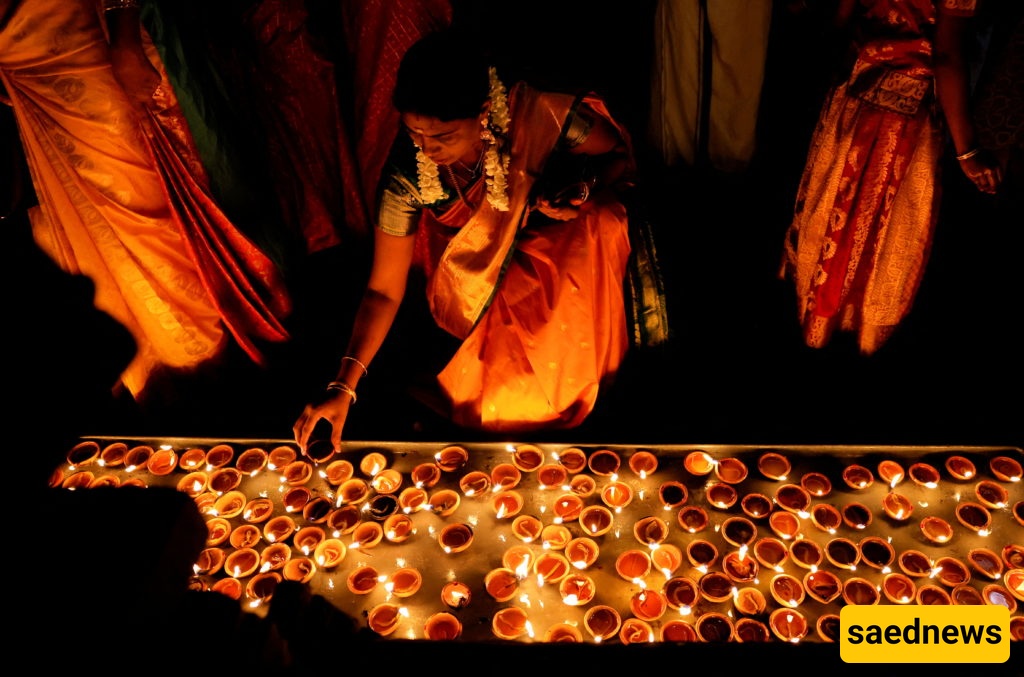
Diwali is rich in cultural traditions. One of the most important is cleanliness. In the weeks leading up to the festival, people often clean and decorate their homes, shops, and surroundings. Traditionally, a clean and welcoming home is considered an appropriate place for Lakshmi to enter.
Rangoli, decorative patterns created with colored powders, are commonly made at the entrances of homes. These designs symbolize hospitality and are traditionally seen as a way of welcoming guests and deities.
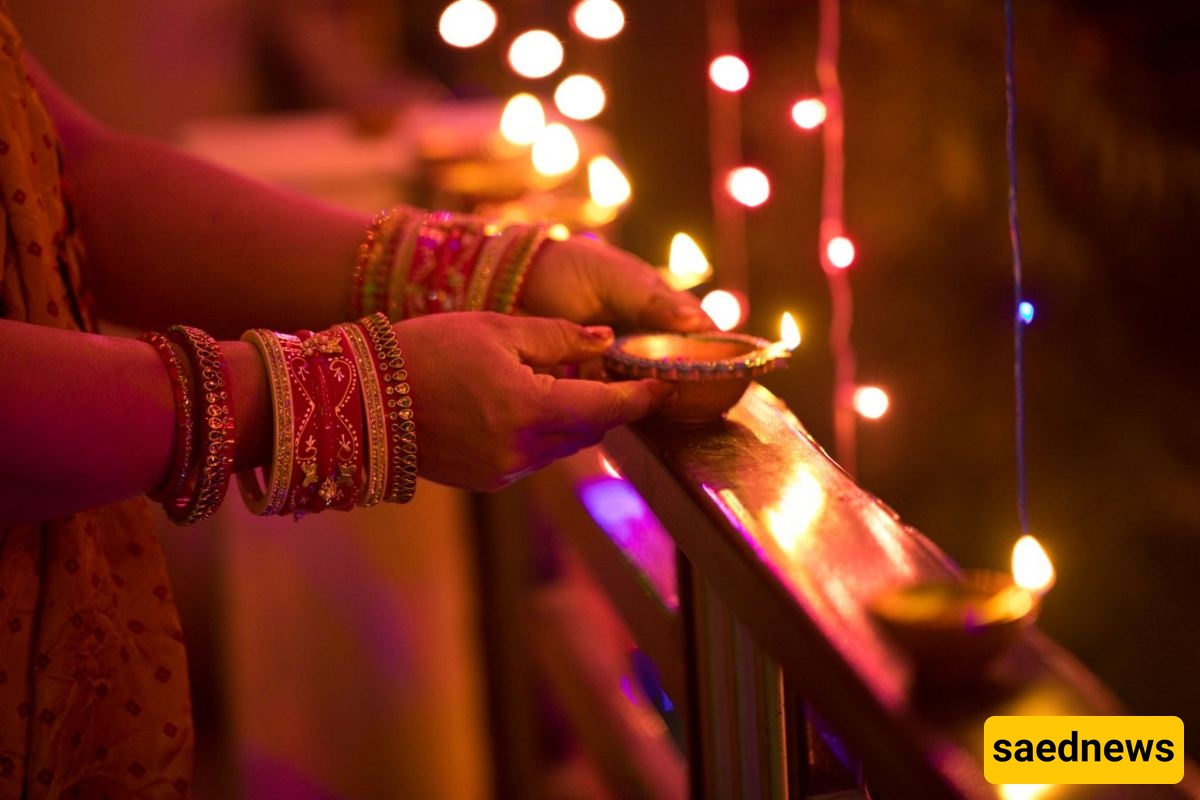
Diyas, small lamps traditionally made from clay and filled with oil or ghee, are placed along windows, doorways, walls, and other areas of the home. Their light represents illumination and the victory of light over darkness.
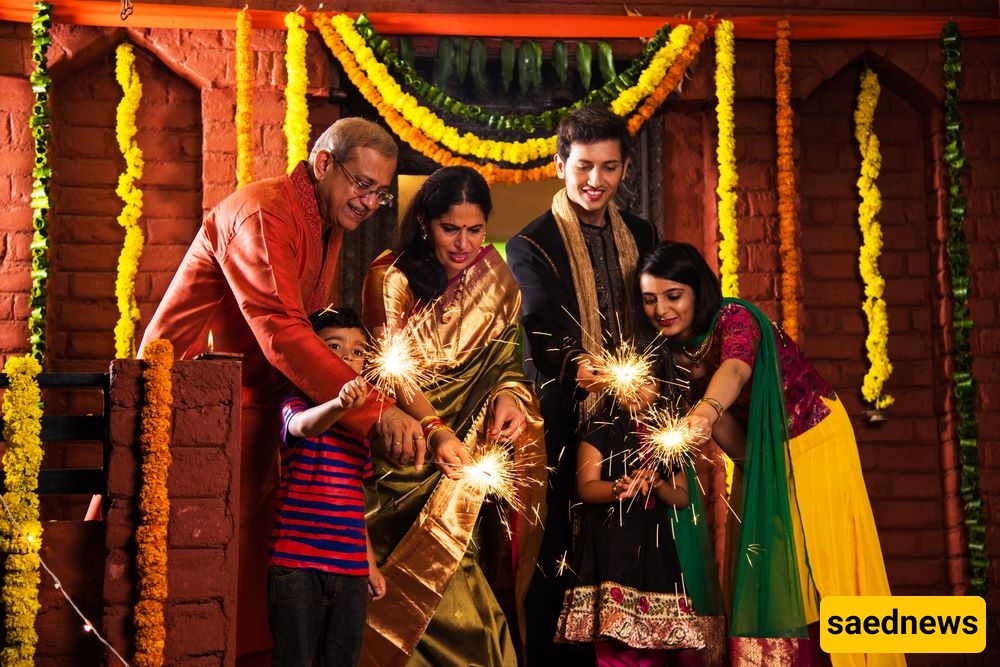
Other popular Diwali traditions include wearing new clothes, exchanging gifts, visiting relatives and friends, and preparing traditional sweets such as ladoos, barfi, jalebi, and kaju katli.
Fireworks have also become an important part of Diwali celebrations in many regions. In recent years, however, some communities and authorities have introduced restrictions because of concerns about air pollution, noise, and safety.