SAEDNEWS: Qashqai girls have an interesting and artistic way of responding to their suitors, which is considered one of the tribe’s long-standing traditional customs.
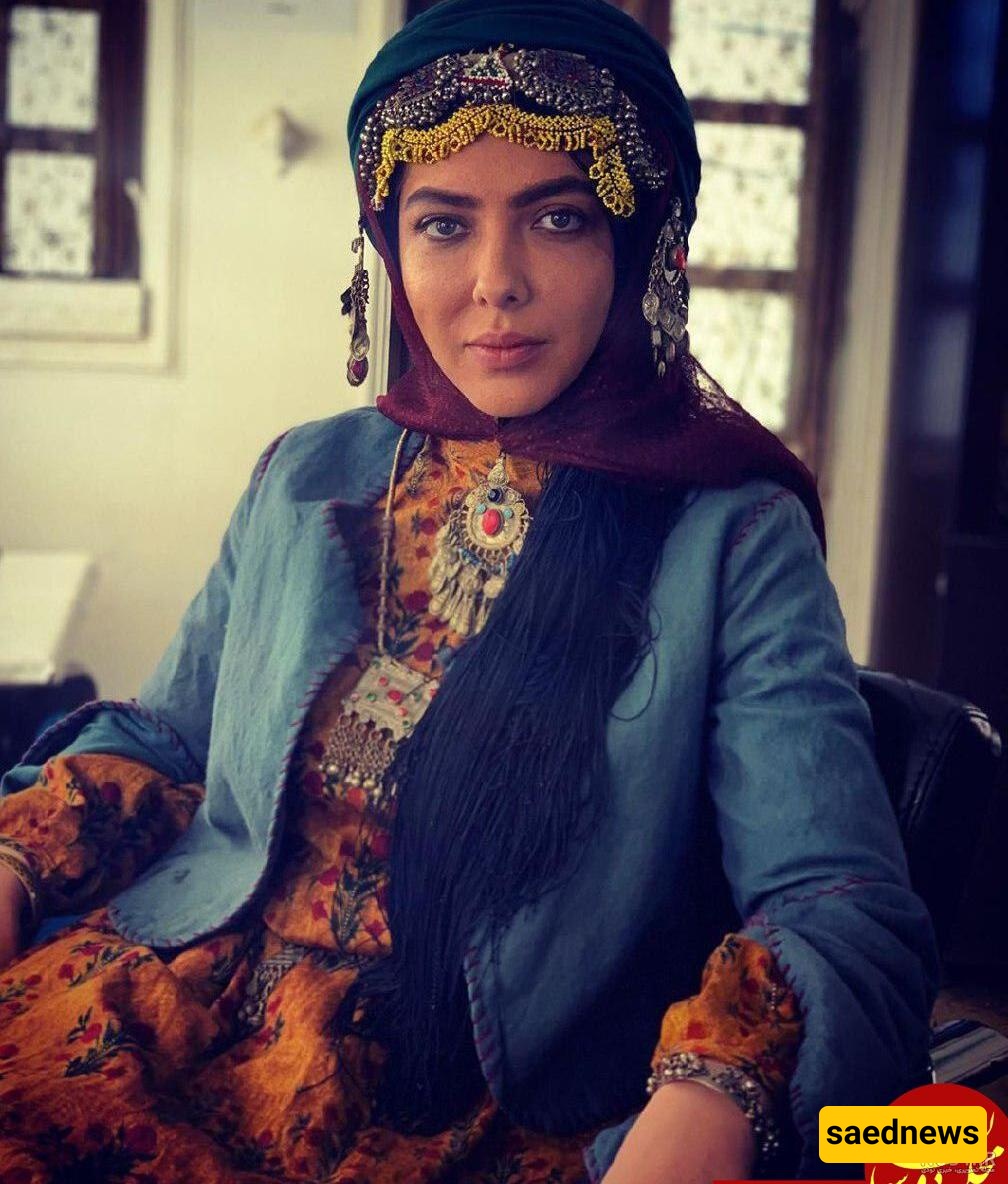
According to Saednews, Every ethnic group has its own unique customs for marriage proposals and how they are accepted or declined. In many cultures, the bride’s family responds to the suitor in specific traditional ways. Among some communities, these customs are especially distinctive. One notable example is the Qashqai people, where young women historically responded to marriage proposals in a creative and artistic manner.
Although modern urban life has influenced all ethnic groups in Iran and many traditional customs have gradually faded, some of these practices still remain symbolic in how proposals are answered. Among the Qashqai, one of the traditional methods of response involved weaving art, particularly carpets, as a form of communication.
If a Qashqai girl accepted a marriage proposal, she would weave a carpet featuring a lion whose tail is raised upward and send it to the suitor as a sign of approval. However, if the lion’s tail in the design pointed downward, it symbolized a negative response and rejection of the proposal.
The Qashqai people are mainly based in Fars Province, but due to the extent of their traditional territories, they are also found in several other provinces of Iran. These include Kohgiluyeh and Boyer-Ahmad, Chaharmahal and Bakhtiari (such as Borujen, Saman, Kian, Junqan, Boldaji, and Taganak), Khuzestan (such as Haftkel and Qaleh Tall), Isfahan (including parts of Semirom, Shahreza, Dehaqan, Fereydunshahr, and various areas of Lenjan County, especially around Zarrinshahr and nearby villages), as well as Qom, Markazi, and Bushehr provinces (including Dashtestan and Dashti).
The Qashqai are a Turkic-speaking nomadic group who gradually migrated and settled in these regions over different historical periods. The presence of Turkic tribes across Iran increased significantly during the Seljuk, Timurid, and Safavid eras. The population of the Qashqai was estimated at around half a million in 1986, and today it is believed to be over 900,000 people.