SAEDNEWS: José Mourinho has revealed why he ultimately rejected the chance to succeed Sir Alex Ferguson at Manchester United in 2013, saying his emotional connection with Chelsea was stronger than his desire to take the Old Trafford job.
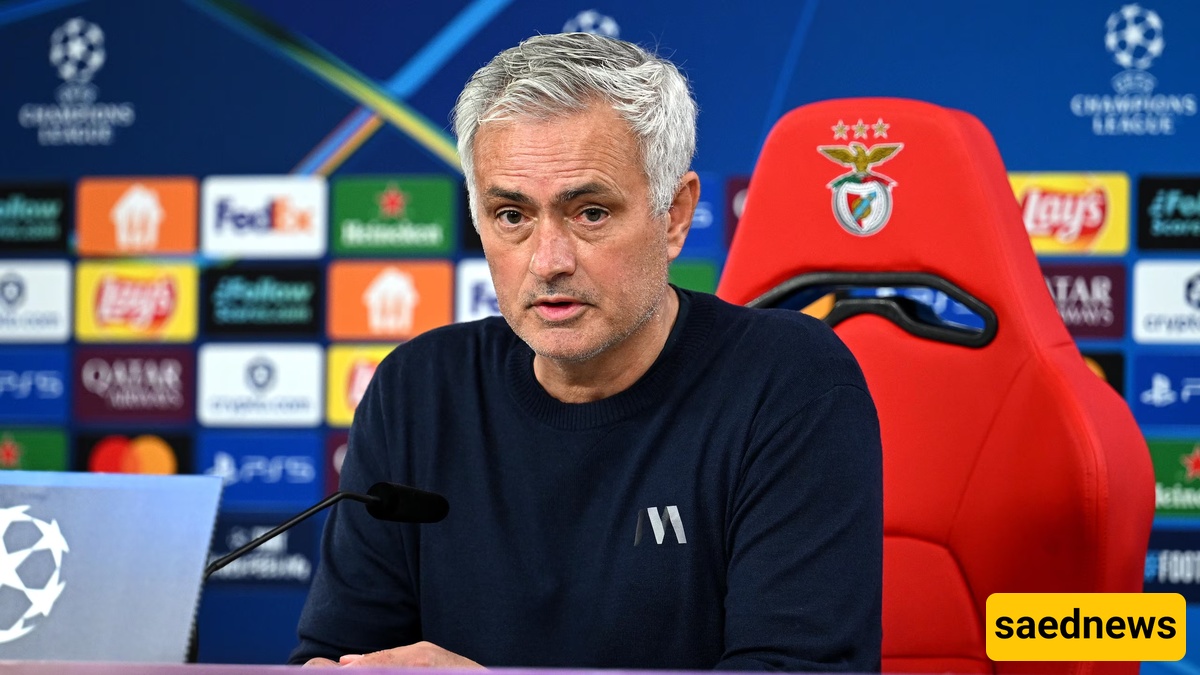
According to SaedNews: José Mourinho could have become Manchester United’s manager immediately after Sir Alex Ferguson’s retirement. Instead, one deeply personal decision changed the club’s post-Ferguson history—and ultimately opened the door for David Moyes.
The revelation comes from a new Netflix documentary titled Mourinho, in which both the Portuguese coach and Ferguson revisit the dramatic events of the summer of 2013.
At the time, Mourinho was leaving Real Madrid, while Ferguson was preparing to step away from the Manchester United job after an extraordinary managerial career. With the legendary Scot retiring, Mourinho emerged as a leading candidate to take over at Old Trafford.
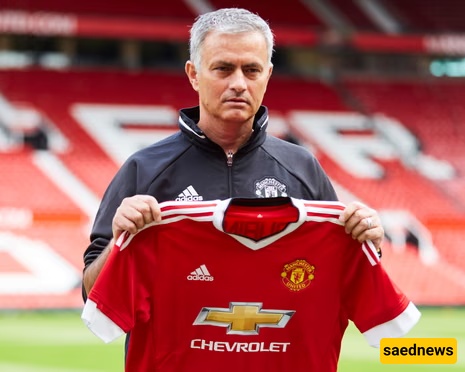
According to Ferguson, the possibility went much further than speculation.
Ferguson said in the documentary that he personally sat down with Mourinho and explained the conditions of the job. From his perspective, the Portuguese manager appeared to have accepted the offer.
Then everything changed.
Ferguson recalled receiving a phone call from Mourinho one evening. The Portuguese coach was emotional and, according to Ferguson, was crying when he explained that he could not take the position.
The reason was Chelsea.
Mourinho had given the London club his word, and he did not want to break that promise.
Ferguson said he understood Mourinho’s reasoning, but admitted that he was disappointed. The decision would have major consequences for Manchester United, because Mourinho’s refusal meant the club eventually turned to David Moyes as Ferguson’s successor.
Mourinho has now offered his own explanation for that decision, and his account goes beyond a simple career calculation.
For him, the choice was emotional.
Mourinho had already enjoyed an extraordinary first spell at Chelsea between 2004 and 2007. During those years, he guided the club to two Premier League titles and three domestic trophies, establishing a powerful connection with supporters and the club itself.
When he left Real Madrid in 2013, that connection pulled him back toward Stamford Bridge.
Mourinho explained that he had agreed to go to Manchester United after Ferguson, but something changed inside him. He described the difference between loving football and feeling a special attachment to one particular club.
For Mourinho, Chelsea represented something more personal.
He said that after leaving Real Madrid, he needed to feel wanted and loved. That emotional need ultimately outweighed the opportunity to take over one of the biggest jobs in world football.
In his own words, losing the opportunity to succeed Ferguson was painful. Yet Mourinho said he did not regret the decision because he had made it with his heart.
The choice is particularly striking when viewed against what happened at Manchester United immediately afterward.
The club entered the first season of the post-Ferguson era as defending Premier League champions. Expectations were enormous, but Moyes struggled to reproduce the success of his predecessor.
United finished seventh in the Premier League, a dramatic fall from the previous season’s title-winning campaign. Moyes lasted less than 12 months in the job.
Mourinho eventually arrived at Old Trafford three years later, in 2016. His appointment gave Manchester United a manager with a decorated record and the opportunity to finally take charge of the club he had once declined.
His two-and-a-half-year spell produced three trophies: the League Cup, the Europa League and the Community Shield. Mourinho also guided United to second place in the Premier League.
That runners-up finish remains one of Manchester United’s best league performances in the post-Ferguson era. It was later matched only once, when Ole Gunnar Solskjaer led the club to second place in the 2020-21 season.
Mourinho’s eventual time at Manchester United therefore makes the events of 2013 even more intriguing. He did eventually become Ferguson’s successor—but not immediately, and not before the club endured a difficult transition.
The documentary offers a rare look at the human side of a decision that is often viewed through the lens of football strategy and career ambition.
From the outside, rejecting Manchester United after Ferguson’s retirement could appear difficult to understand. The job represented an opportunity to lead one of the most famous clubs in football at a moment when the world was watching.
But Mourinho’s explanation suggests that the decision was never purely about prestige.
Chelsea was where he felt a powerful emotional connection. He had already experienced success there, and when he needed to feel wanted after his Real Madrid departure, that relationship became decisive.
The story also highlights the unpredictable nature of football management. A single decision in 2013 altered the managerial path of Manchester United, with Moyes taking charge first and Mourinho arriving three years later.
It is impossible to know how history would have unfolded if Mourinho had accepted Ferguson’s offer. What is known is that the Portuguese coach chose Chelsea instead, returning to a club where he had already created some of the defining moments of his career.
For Ferguson, the decision was disappointing. For Mourinho, it was painful but ultimately something he could live with.
Years later, his explanation remains strikingly simple: the heart won.
And perhaps that is what makes the story more compelling than a normal managerial appointment. Mourinho did not reject Manchester United because he lacked ambition. He turned down Ferguson’s succession plan because, at that moment, Chelsea meant something more to him.
The decision may have changed Manchester United’s immediate future, but Mourinho insists he would make the same choice again. For a manager whose career has often been defined by confidence, trophies and fierce competition, this particular decision was driven by something far more personal.