SAEDNEWS: Iran’s Control of the Strait of Hormuz: A Major Non-Negotiable Achievement of the Recent War
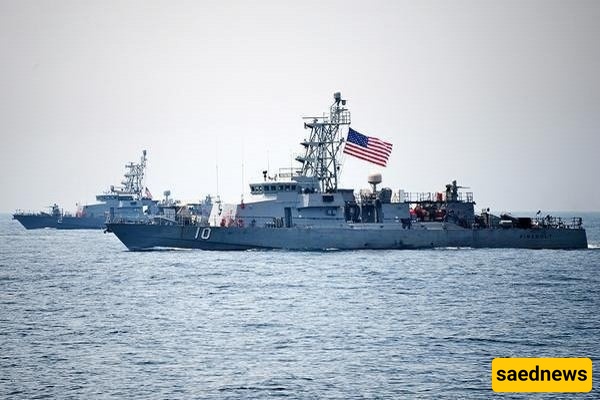
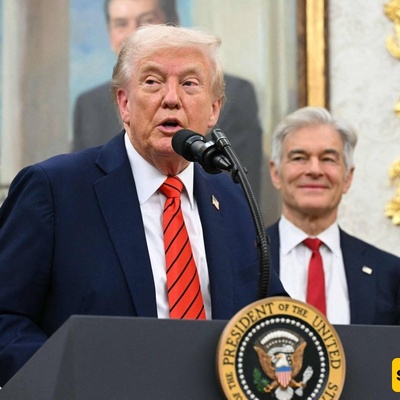
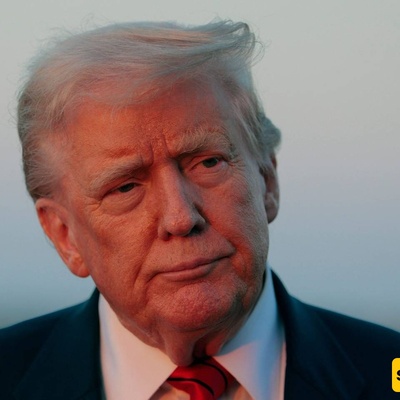
According to the political desk of Saed News Agency, citing Fars News Agency, Donald Trump announced that military operations aimed at an incursion into the Strait of Hormuz would begin today. The Khatam al-Anbiya Central Headquarters also issued a warning statement, declaring that any attempt by enemy forces to enter the Strait of Hormuz would be met with a serious response from Iran’s armed forces. Following these events, reports emerged claiming that two missiles had struck a US naval vessel. The dissemination of this news may be considered even a step beyond the act itself; that is, the firing and impact of missiles is one matter, while the publication of such reports represents an additional and significant issue.
From this perspective, the release of this news carries important implications:
First, Iran has no hesitation in taking serious action against American positions. Any minor movement by the enemy will be met with a strong response from Iran’s armed forces.
Second, Iran does not consider a ceasefire to be an obstacle to responding to potential aggressions against its positions. A ceasefire is merely a fragile agreement, and Iran will only adhere to it if the opposing side does so as well. In precise terms, a ceasefire has no inherent sanctity.
Third, the importance of the Strait of Hormuz for Iran is very serious. Iranian control over the Strait of Hormuz is considered one of the most important outcomes of the recent war for Iran and is by no means subject to negotiation or exchange.
The significance of this issue is such that Trump, a few days after the start of the war and having abandoned the initial objective of regime change in Iran, stated that the main goal was the reopening of the Strait of Hormuz—a claim that was later ridiculed by many international analysts. At the time, Pakistan’s defense minister tweeted that the Americans were fighting to reopen a strait that had already been open before the war.
Fourth, Iran will not allow the United States to test the resolve of the Islamic Republic’s armed forces. The Americans are free either to dismiss the issue entirely or to treat the alleged missile strike as serious and enter into confrontation with Iran. However, Iran will not accept any action interpreted as “testing,” “verification,” or “probing,” and will respond decisively to any measure that undermines its control over the Strait of Hormuz.
Finally, the basis of the war was the Americans’ miscalculations regarding the capabilities and capacity of the Iranian nation. From this point forward, no signal of weakness will be issued by Iran. Iran’s true power and will are evident on the ground. The armed forces remain on high alert, ready to respond to the slightest mistake by the United States, and will not allow the enemy’s miscalculations to impose further costs on the country.