SAEDNEWS: Still dreaming of visiting the world’s most expensive city? Luanda is a vibrant yet challenging destination, offering a travel experience you will never forget. With the right knowledge and a little planning, you can explore this remarkable city without...
According to Saednews, Forget New York, Tokyo, or any other city in the developed world. For the second time in three years, the title of the world’s most expensive city for expatriates has gone to Luanda, the capital of Angola, a city also notorious for its sprawling slums.
For the second time in three years, the African city of Luanda has overtaken Tokyo and Moscow to become the world’s most expensive city for foreigners. Mercer, a human resources consulting firm that annually evaluates and compares the cost of living in cities around the world, has once again ranked Luanda at the top of its list of the most expensive cities for expatriates.
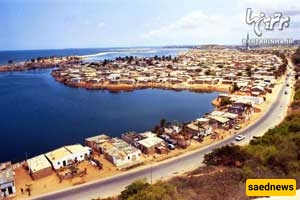
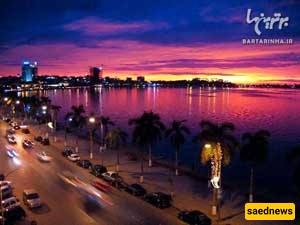
Although most residents of Angola’s densely populated capital live in extreme poverty on the outskirts of the city, the streets in the city centre are dominated by Porsche Cayennes, Cadillac Escalades, and the latest Range Rover models.
Hugo Boss is doing such good business here that it has recently opened its second branch just a short distance from its first. Nevertheless, anyone unfamiliar with Luanda would probably be astonished to find this city at the top of the world's most expensive cities ranking.
It is easy to imagine Tokyo, which topped Mercer’s list last year, as the world’s most expensive city for foreigners and expatriates. Moscow or New York might also come to mind. But Luanda?
Let us take a closer look at the city to better understand this unusual ranking. Claudio Silva, reporting for CNN, explored Luanda and described his impressions in a report.
So, what can you expect when visiting this expensive city, where a mid-level expatriate professional can earn as much as $10,000 a month? First, let us examine the city’s background and overall circumstances.
Luanda is the capital of Angola, Africa’s second-largest oil producer after Nigeria. The country is gradually emerging as a significant economic and political player.
However, Angola has endured a devastating and deadly 27-year civil war, which ended in 2002. The conflict completely destroyed much of the country’s infrastructure and left it unable even to produce basic food supplies for its population. As a result, almost everything in Luanda has to be imported.
Heavy customs duties, high taxes, and monopolistic distribution networks linked to powerful political and economic elites have driven the prices of goods and services to extraordinary levels.
Government and administrative corruption also contribute to the problem, with prices continually pushed higher through manipulation and collusion.
Hotel accommodation accounts for the largest share of expatriates’ expenses in Luanda. Despite the growing number of hotels in recent years, prices have remained extremely high. A room in a five-star hotel costs around $500 per night. Four-star hotels charge approximately $350 to $400, while a decent mid-range rental room costs between $300 and $350.
A meal at one of Luanda’s most fashionable restaurants can easily cost $100 per person, although this generally includes an appetiser and drinks.
Only foreign expatriates working for multinational corporations and wealthy Angolans employed in the country’s oil and banking sectors can afford such expenses. By contrast, most Luanda residents live in the suburbs and earn extremely low wages.
While a mid-level banking professional may take home between $8,000 and $10,000 a month, an ordinary driver earns less than $500 monthly, assuming his employer is generous enough to pay him on time.
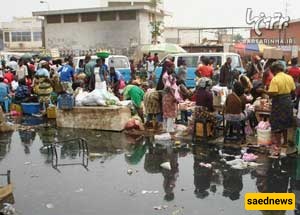
Luxury vehicles may be a familiar sight on Luanda’s streets, but the roads themselves are in appalling condition. Public services, ranging from driving licence renewal offices to postal services, are notoriously inefficient and unreliable. You might be better off mailing your postcards after returning home.
Still interested in travelling to the world’s most expensive city?
Luanda is certainly a vibrant and challenging destination, one that you are unlikely to forget. And if you know your way around, you do not necessarily have to bankrupt yourself to enjoy a visit.
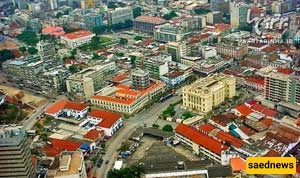
The secret is to abandon the typical tourist lifestyle and try to live your days and nights more like the locals. Even so, your trip is unlikely to be particularly cheap.