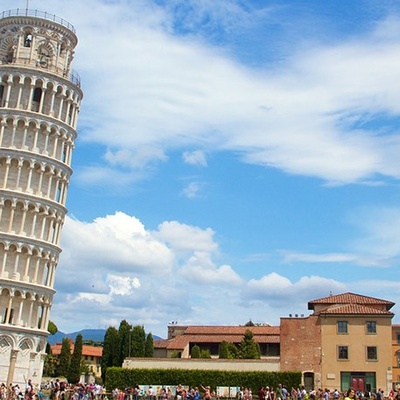
SAEDNEWS: The Capitoline Museums offer a fascinating journey through Rome’s history, featuring remarkable ancient sculptures, artworks, and historical treasures.
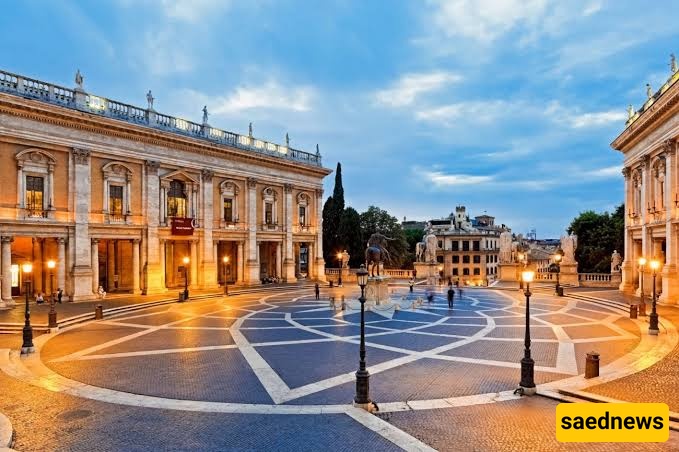
According to Saednews, The Capitoline Museums are among the most important and fascinating museums in Rome, featuring several sections dedicated to different periods and styles of art. One of the highlights is the collection of ancient art, which includes numerous remarkable historical works and sculptures. The museum complex is considered one of Italy’s most notable cultural attractions.
The ancient art collection displayed in the Capitoline Museums offers visitors an impressive glimpse into Rome’s history. The museum complex consists of three main sections, each associated with different historical periods. Visitors can admire a wide range of ancient sculptures and other important works of art throughout the complex.
The Capitoline Museums have a long and fascinating history. Their origins date back to 1471, when Pope Sixtus IV donated a collection of important ancient bronze sculptures to the people of Rome. This collection became the foundation of what is considered one of the oldest public museum collections in Rome.
Today, the museums house an outstanding collection of classical artworks, many of which are among the most significant examples preserved in Rome.
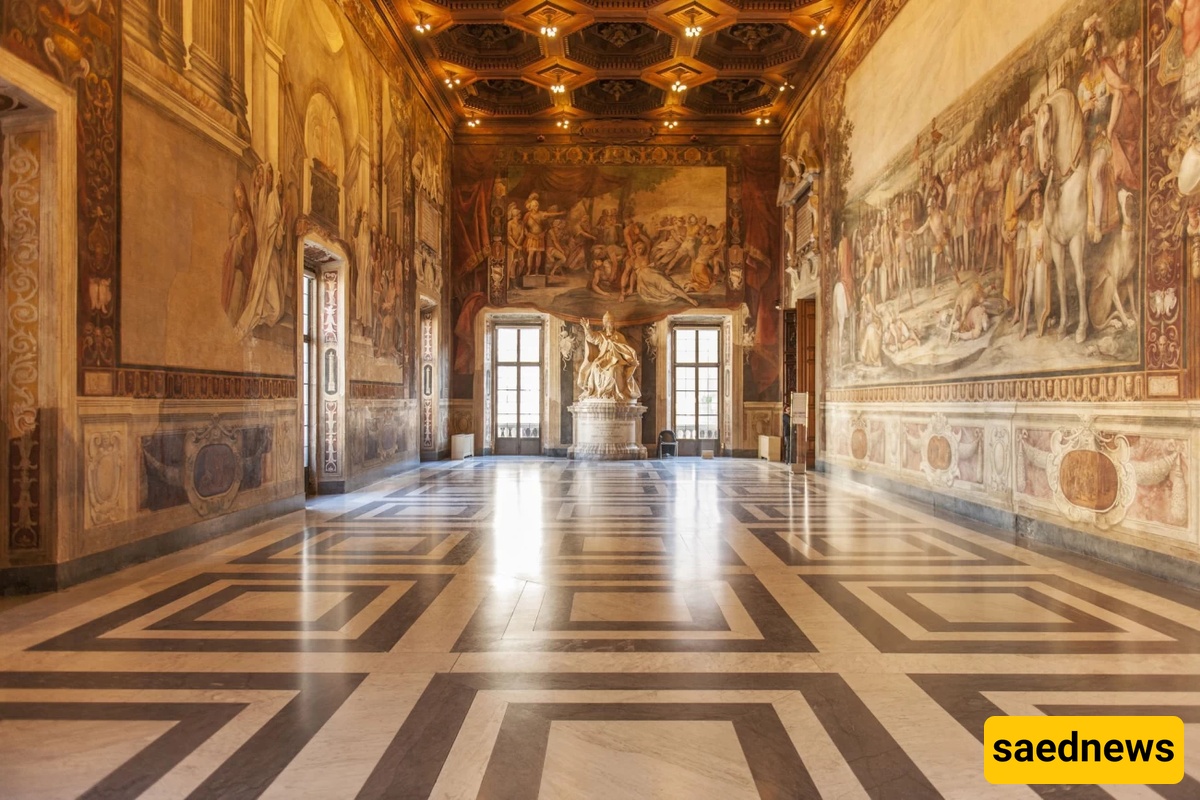
One of the most famous works in the collection is Lupa Capitolina (Capitoline Wolf), the iconic bronze she-wolf traditionally associated with the legend of Rome’s founders, Romulus and Remus. The figures of Romulus and Remus are depicted beneath the wolf.
Another important sculpture is the Dying Gaul (Galata Morente), a renowned ancient Roman copy of a Hellenistic sculpture and one of the museum’s most admired masterpieces.
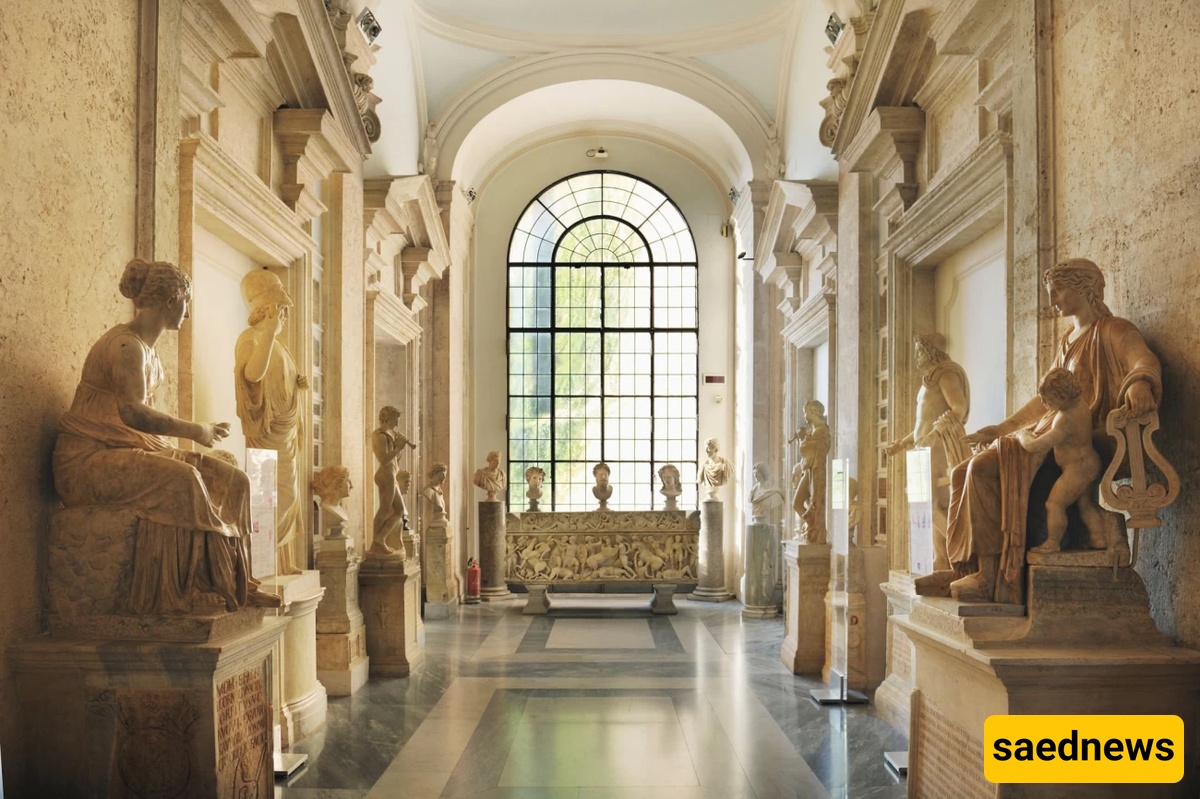
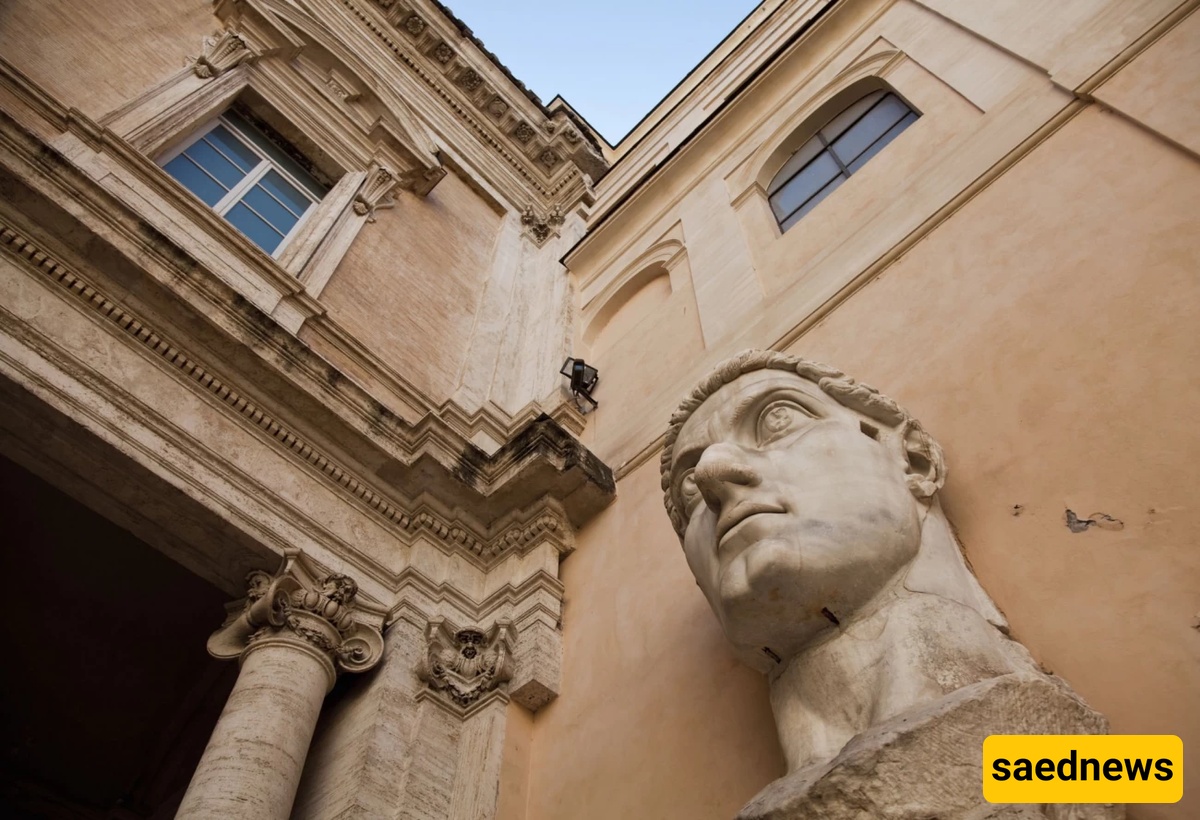
Entering the Capitoline Museums, visitors encounter impressive examples of Renaissance and classical architecture. The entrance and surrounding buildings provide a remarkable setting for the museum’s sculptures and artworks.
The complex includes several levels and courtyards that visitors can explore. Before reaching the upper galleries, visitors can admire numerous ancient sculptures and architectural details.
One of the most imposing works associated with the complex is the monumental Colossus of Constantine, a reconstructed statue of the Roman emperor Constantine the Great. Other notable works include the Capitoline Wolf, an iconic bronze sculpture that became one of the enduring symbols of Rome.
The upper galleries contain further collections of paintings and classical artworks. Each room has its own selection of masterpieces, making the museum particularly rewarding for art lovers.
Among the best-known paintings displayed in the Capitoline collections are works by Caravaggio, including The Fortune Teller (La Buona Ventura).
Today, the Capitoline Museums remain one of Rome’s most popular cultural attractions, drawing visitors interested in ancient history, classical sculpture, Renaissance art, and Roman architecture. The galleries, courtyards, and connecting corridors also provide excellent opportunities to appreciate the architectural character of the historic complex.