SAEDNEWS: Practical Strategies for Managing Teen Misbehavior: A Parenting Guide Based on Educational Psychology

According to Saednews, Adolescence is one of the most sensitive yet challenging stages of human development. During this period, teenagers experience rapid physical, hormonal, psychological, and social changes while striving to establish their own independent identities.
These changes may lead to behaviors such as defiance, aggression, disrespect, breaking rules, declining academic performance, or social withdrawal. Many parents feel helpless, frustrated, or confused in such situations and struggle to determine which approaches are appropriate and effective.
This article explores effective ways to address challenging teenage behavior, offering practical, compassionate strategies based on educational psychology. In this context, challenging behavior refers to inappropriate or disruptive teenage conduct, not child abuse. All recommendations are therefore based on respect, communication, and positive discipline.

Challenging teenage behavior refers to a range of actions that do not align with reasonable expectations at home, school, or in society. These behaviors may include verbal or physical aggression, lying, avoiding responsibilities, breaking household rules, substance use, neglecting schoolwork, mocking others, or damaging property.
However, it is important to understand that not every unpleasant teenage behavior indicates a chronic behavioral problem or psychological disorder. Many of these behaviors may reflect unmet needs, emotional distress, difficulty expressing feelings, or an attempt to test boundaries.
Parents should focus on describing the behavior rather than labeling their teenager's personality. For example, saying, "You are rude and irresponsible" is likely to create resistance. In contrast, saying, "When you shout at me, I feel disrespected and find it difficult to communicate with you" makes the issue clearer and encourages accountability.
To effectively address challenging teenage behavior, parents must first understand its underlying causes. Without identifying the reasons behind a behavior, any intervention may be temporary or even counterproductive.
The most common contributing factors include:
Brain development and hormonal changes: The prefrontal cortex, which plays an important role in impulse control and decision-making, is still developing during adolescence. As a result, teenagers may react impulsively and regret their actions afterward.
The need for independence: Teenagers want to make their own decisions. Excessive parental control may lead to defiance, secrecy, or resistance.
Identity formation: Adolescents are discovering who they are. Sometimes, extreme behaviors become a way of expressing individuality.
Peer pressure: Acceptance among friends is extremely important during adolescence and may encourage risky behaviors.
Family dynamics: Violence, humiliation, instability, or neglect within the family can increase the likelihood of behavioral difficulties.
Academic and social challenges: Poor academic performance, bullying, rejection, or learning difficulties may contribute to disruptive behavior.
Mental health conditions: Depression, anxiety, attention-deficit/hyperactivity disorder (ADHD), and oppositional defiant disorder (ODD) may also play a role.
Before exploring specific techniques, parents should understand several essential principles. These can help them respond consistently, respectfully, and effectively.
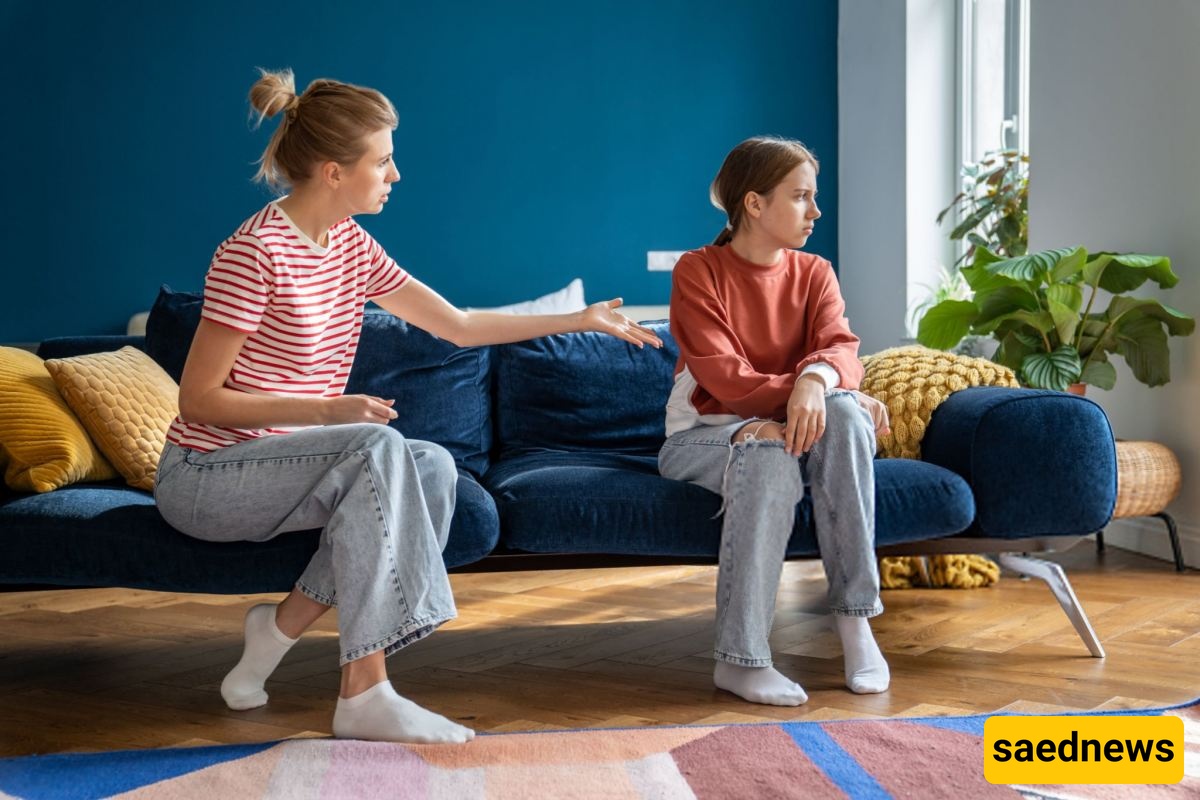
Parental reactions during moments of anger often make the situation worse. If a teenager is shouting, parents should first focus on calming themselves down.
Deep breathing, counting to ten, or saying, "I'm not ready to discuss this right now. We can talk later," can help prevent the situation from escalating.
By demonstrating emotional control, parents teach teenagers how to manage their own emotions.
Criticism should focus on actions rather than personality.
Instead of saying, "You are lazy and incapable," try saying, "You haven't completed your homework, and that worries me."
This approach protects teenagers' self-esteem and encourages them to improve their behavior.
Firmness without kindness can become oppressive, while kindness without firmness can lead to a lack of structure.
Parents should enforce household rules respectfully but seriously. Once a rule has been established, it should be applied consistently by all family members and on all days.
Teenagers who do not get enough sleep, proper nutrition, physical activity, emotional support, or a sense of belonging may be more vulnerable to behavioral difficulties.
Therefore, before considering disciplinary measures, parents should examine whether their teenager's basic needs are being met.

One of the most effective ways to address challenging teenage behavior is to create an environment where teenagers can express themselves without fear of judgment.
Parents should spend less time lecturing and more time listening. When teenagers feel heard and understood, they are more likely to cooperate.
Open-ended questions such as:
"What do you think about what happened?"
"What made you decide to do that?"
are generally more effective than interrogating or criticizing.
Teenagers need clear boundaries. However, rules that are imposed without discussion may create resistance.
It is better to hold a family meeting and establish expectations together. These may include:
Curfews and return-home times.
Mobile phone and internet usage.
Homework and study schedules.
Participation in household responsibilities.
When teenagers participate in creating family rules, they are more likely to take ownership of their responsibilities.
Consequences should be reasonable, proportionate, and communicated in advance.
For example, if a teenager repeatedly keeps their phone in their bedroom overnight despite an agreed household rule, a reasonable consequence might be temporarily restricting nighttime phone access.
Physical punishment, humiliation, prolonged deprivation, and unrelated consequences are not effective approaches. Instead, they may cause psychological harm and increase dishonesty.

Recognizing positive behavior is more effective than constantly focusing on negative actions.
If a teenager completes an assignment on time, respond with encouragement, appreciation, or an appropriate privilege.
Positive reinforcement increases the likelihood that desirable behaviors will be repeated.
Not every irritating behavior requires an immediate response.
Sometimes teenagers engage in unpleasant behavior to attract negative attention. In such cases, parents may use strategic ignoring by withdrawing attention from minor negative behaviors and redirecting it toward positive or neutral actions.
However, this approach should only be used for low-risk behaviors. It must never be applied to dangerous situations such as violence, self-harm, substance use, or threats against others.
Strategic ignoring means consciously choosing not to overreact to minor behaviors such as complaining, frowning, or provocative comments.
Minimal intervention means calmly reminding teenagers of boundaries using as few words as possible, without raising one's voice.
For example, if a teenager angrily says, "It's none of your business," a parent might respond:
"I can see that you're upset. When you've calmed down, we can talk."
This response is neither submissive nor confrontational.

One of the most important parenting skills during adolescence is knowing which issues deserve attention.
If every disagreement becomes a battle, the relationship can become strained, and teenagers may start resisting all household rules.
Important matters such as safety, health, basic respect, education, and substance use should be taken seriously.
However, parents can be more flexible about less critical issues, including clothing styles, music preferences, bedroom arrangements, or hairstyles.
Allowing freedom in less important areas can help teenagers develop trust in their parents when more serious issues arise.
Instead of simply giving orders, parents can involve teenagers in finding solutions.
The process includes the following steps:
Describe the problem without blaming anyone: "You have been going to bed late and struggling to wake up in the morning."
Ask your teenager to suggest possible solutions.
Write down the suggestions without immediately judging them.
Work together to choose the most practical solution.
Try the agreed approach for a specific period and review the results afterward.
This approach increases teenagers' sense of ownership and responsibility.
A behavior agreement can be helpful when certain problems occur repeatedly.
The agreement should clearly outline expectations, rewards, and consequences.
For example:
"If homework is completed by 8 p.m., you can use your phone until 10 p.m.
If it is not completed, your phone will remain with your parents until the following evening."
The agreement should be short, fair, realistic, and manageable. All family members should understand and agree to its terms.
Raising teenagers can sometimes be emotionally exhausting and frustrating. However, angry reactions generally make conflicts worse.
Parents should learn to recognize the physical signs of anger, such as:
A rapid heartbeat.
Clenched fists.
A raised voice.
At such moments, it is better to step away, take a few deep breaths, and say:
"I'm not ready to continue this discussion right now. Let's talk in half an hour."
If parents make a mistake, offering a sincere apology does not weaken their authority. Instead, it demonstrates accountability and provides a valuable example for teenagers.
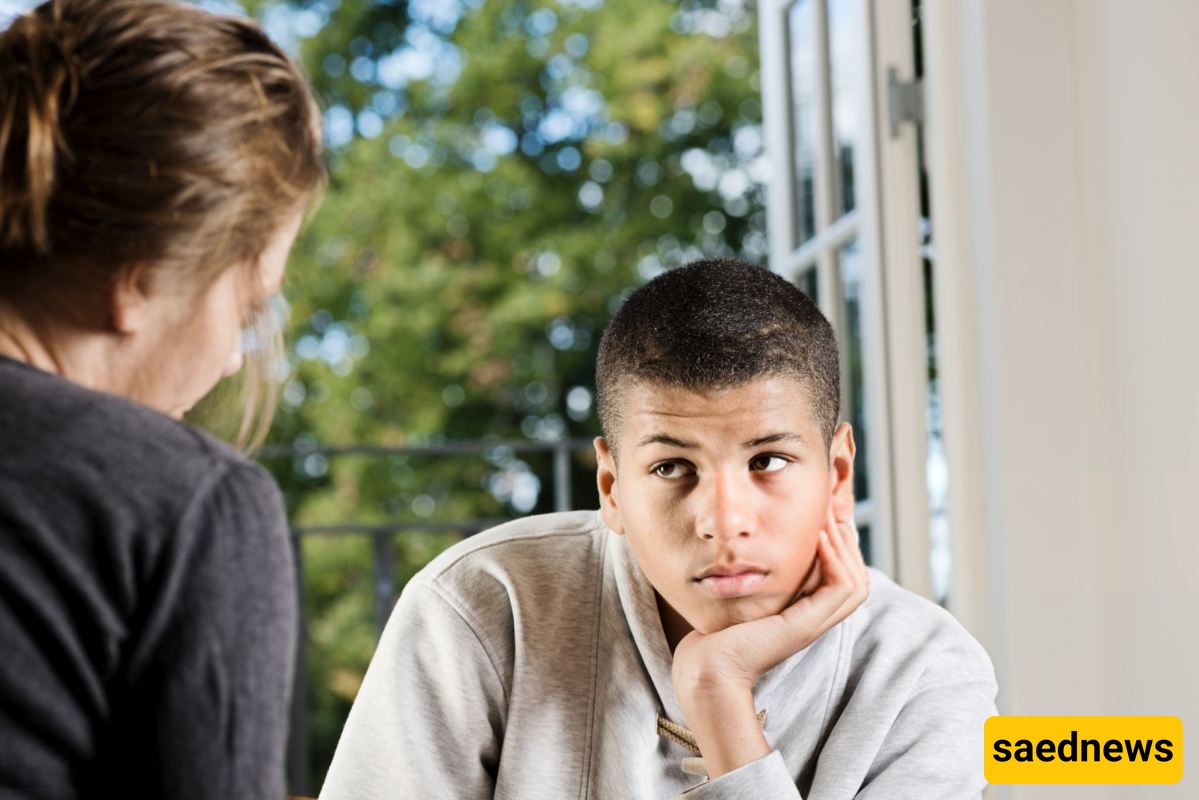
Teenagers often learn more from what their parents do than from what they say.
If parents shout, humiliate others, lie, or ignore rules, teenagers may adopt similar behaviors.
Showing respect, emotional control, honesty, and consistency is one of the most effective ways to teach positive behavior indirectly.
A healthy parent-teen relationship can act as a protective factor against behavioral problems.
Parents should dedicate time to meaningful interactions without judgment or pressure.
Activities might include:
Having a casual conversation.
Exercising together.
Cooking.
Watching a movie.
These moments should not always revolve around schoolwork, grades, or mistakes.
Showing genuine interest in teenagers' hobbies, friendships, and concerns helps strengthen their sense of self-worth and belonging.
Teenagers need independence, but it should be accompanied by responsibility.
Parents can offer reasonable choices, such as selecting school subjects, deciding how to spend free time, or choosing clothing within appropriate family boundaries.
They can also assign responsibilities such as household chores, managing pocket money, or organizing study schedules.
These opportunities help develop self-confidence, independence, and decision-making skills.
Many teenage behavioral problems are not necessarily caused by bad intentions or personality traits. They may result from a lack of essential life skills.
Teaching skills such as problem-solving, anger management, assertiveness, empathy, decision-making, and emotional regulation can significantly improve behavior.
These skills can be developed at home, at school, or through professional counseling.
If challenging behavior also occurs at school, cooperation with teachers and school counselors is essential.
Teenagers may be experiencing learning difficulties, anxiety, depression, bullying, or social rejection.
Identifying these problems early can help prevent behavioral difficulties from becoming more serious.

In some situations, family-based strategies alone may not be sufficient, and professional support becomes necessary.
Warning signs include:
Severe aggression or threats to harm themselves or others.
Self-harm, suicidal thoughts, or prolonged depression.
Substance or alcohol use, or risky sexual behavior.
Running away from home or skipping school.
Severe academic decline and social isolation.
Persistent disrespect and an inability to manage behavior within the family.
Significant changes in sleeping habits, appetite, or mood.
In these circumstances, consulting an adolescent psychologist, psychiatrist, or family counselor is essential.
Seeking professional help is not a sign of parental weakness. It is a sign of responsibility and care.
Some disciplinary methods are not only ineffective but can also cause lasting harm.
Parents should avoid:
Physical punishment and violence.
Humiliation, ridicule, and negative labeling.
Comparing teenagers with siblings or peers.
Making empty threats that are never enforced.
Excessive or disproportionate restrictions.
Prolonged silent treatment and complete emotional withdrawal.
Excessive control that removes all opportunities for independence.
Inconsistent household rules or different standards applied by parents.
These approaches may create temporary fear, but over time they can contribute to dishonesty, aggression, low self-esteem, and damaged family relationships.
Parents should work together when raising teenagers.
If one parent is extremely strict while the other is overly permissive, teenagers may take advantage of their differences.
Regular family meetings, calm discussions about household rules, and clearly divided responsibilities can help create a more consistent family environment.
Raising teenagers requires considerable time, patience, and emotional energy.
Parents should also take care of their own well-being by prioritizing:
Adequate sleep.
Support from friends and family.
Regular physical activity.
Leisure and relaxation.
Individual counseling when necessary.
Emotionally healthy and well-supported parents are better equipped to guide their teenagers through challenging situations.
Addressing challenging teenage behavior requires a balanced combination of affection, understanding, and firm boundaries.
There is no single strategy that works for every teenager. However, several fundamental principles can make a meaningful difference:
Maintaining emotional control.
Communicating without judgment.
Establishing clear boundaries.
Applying logical consequences.
Reinforcing positive behavior.
Leading by example.
Supporting responsible independence.
Seeking professional help when necessary.
The ultimate goal is neither to defeat teenagers nor to surrender to every demand they make. It is to help them become responsible, respectful, and capable individuals who can make healthy decisions as adults.