SAEDNEWS: Eye irritation after applying mascara is a common complaint among makeup users. It may be caused by sensitivity to mascara ingredients, dry eyes, product contamination, contact lens use, or improper makeup application techniques.
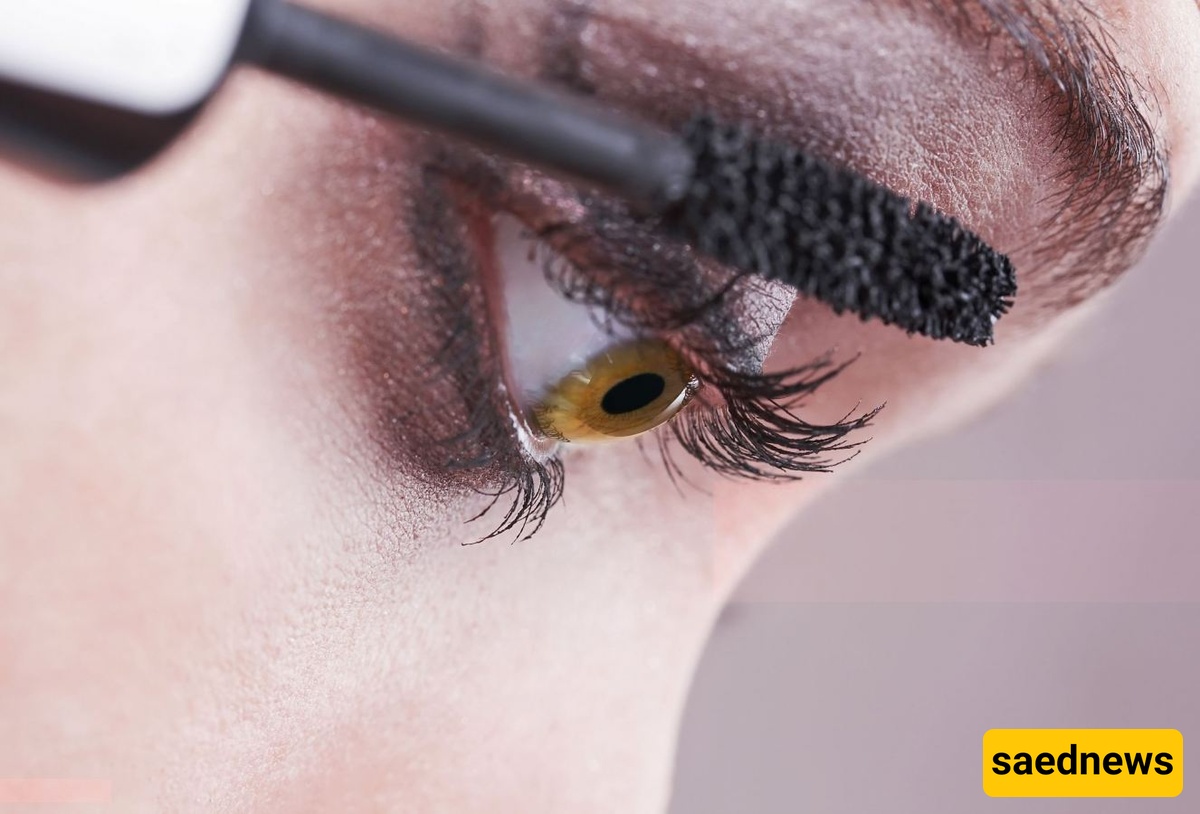
According to Saednews, Eye makeup is part of many people's daily beauty routines, and mascara is one of the most commonly used eye makeup products. However, some people experience burning, redness, itching, or watery eyes immediately after applying mascara or several hours later.
The question, “Why do my eyes burn when I wear mascara?” is common among makeup users. This problem can result from an allergic reaction to mascara ingredients, dry eyes, product contamination, improper makeup application, or an underlying eye condition.
Understanding the cause of eye irritation after applying mascara is important. Continuing to use a product that irritates your eyes can lead to eyelid inflammation, chronic redness, damage to the eye's surface, and, in more serious cases, infection.
Eye burning after applying mascara is a type of irritant or allergic reaction that affects the conjunctiva, cornea, or eyelid skin. The reaction may be mild and temporary or persistent and severe.
Common symptoms include:
Burning or stinging sensations in the eyes
Redness in the whites of the eyes
Itching around the eyelids and eyes
Watery eyes
A sensation of having something in the eye
Mild eyelid swelling
Temporary blurred vision if mascara particles enter the eye
Sometimes, these symptoms occur only after using a particular mascara and improve when the product is replaced.
In other cases, eye irritation may indicate chronic dry eye, seasonal allergies, blepharitis, or improper contact lens use.
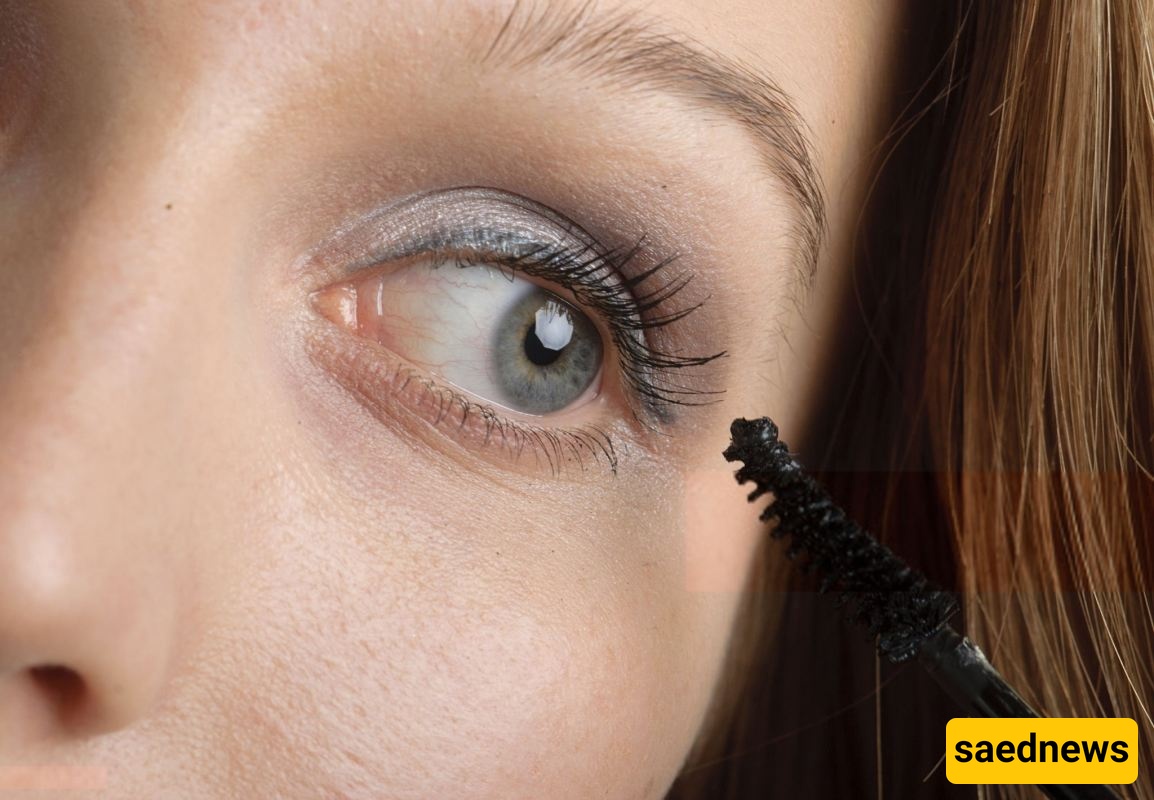
One of the most important causes of eye irritation is an allergic reaction or sensitivity to ingredients in mascara.
Mascara products typically contain pigments, polymers, emulsifiers, preservatives, and fragrances. Some people may react to ingredients such as:
Added fragrances and perfumes
Parabens and other preservatives
Propylene glycol
Lanolin
Certain pigments
Resins and film-forming adhesives
These ingredients can cause either direct irritation or allergic contact dermatitis.
With contact allergies, symptoms may not appear during the first exposure. However, repeated use can trigger an immune response. This explains why eye burning may develop after using a new mascara for some time or even after using a product that previously caused no problems.
Mascara is usually applied to the upper eyelashes and sometimes the lower eyelashes.
Rubbing your eyes, blinking forcefully, or using a contaminated mascara wand can cause tiny mascara particles to enter your eyes.
These particles can irritate the eye's surface, causing burning, itching, and a foreign-body sensation.
Applying mascara to the lower lashes or using eyeliner along the inner eyelid increases the likelihood of makeup entering the eyes.
Dry eye is a common but sometimes overlooked cause of eye burning after applying makeup.
People with dry eyes often have an insufficient or poor-quality tear film. Makeup products can further disrupt this balance and worsen dry eye symptoms.
Common signs of dry eyes include:
Burning or stinging
A gritty or sandy sensation
Redness
Eye fatigue
Waterproof mascara may also make makeup removal more difficult, increasing the risk of irritation.
Mascara can become contaminated quite easily.
Contact between the mascara wand, eyelashes, skin, and air creates opportunities for bacteria to grow.
Using old mascara or a product that has been open for several months increases the risk of eye irritation and infection.
Many eye care professionals recommend replacing mascara every two to three months after opening.
Changes in smell, unusual texture, or excessive dryness are also warning signs that the product should be discarded.
Sharing mascara or using makeup testers in stores increases the risk of transferring bacteria and other microorganisms.
This can lead to eye irritation, eyelid inflammation, and infections.
To reduce these risks, avoid sharing mascara and do not use publicly available makeup testers.
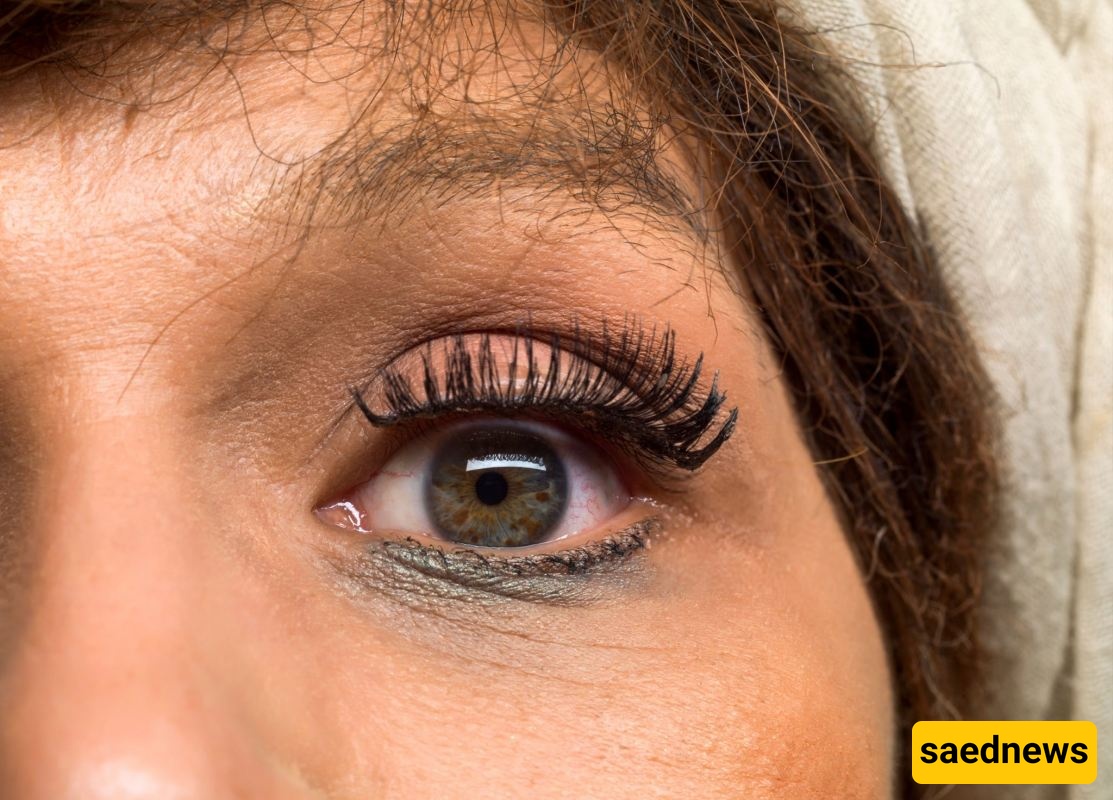
Some people have underlying skin conditions such as:
Sensitive skin
Seborrheic dermatitis
Blepharitis
Meibomian gland dysfunction
In these cases, applying mascara may worsen existing symptoms.
Blepharitis is inflammation of the eyelid margins. It may cause redness, flaking, burning, and a foreign-body sensation.
If eye irritation occurs alongside eyelash crusting, recurring eyelid swelling, or discharge, medical evaluation is recommended.
People who wear contact lenses may be more likely to experience eye irritation from mascara.
Mascara particles can settle on contact lenses, causing burning, blurred vision, and discomfort.
Some cosmetic ingredients may also interact negatively with contact lens solutions or lens surfaces.
If you wear contact lenses, choose eye makeup products carefully and consider products specifically designed for sensitive eyes.
Waterproof mascara offers long-lasting wear, but it is more difficult to remove.
Using strong makeup removers, repeatedly rubbing the eyelids, and leaving mascara residue around the eyes can cause irritation and burning.
If you have sensitive skin around your eyes, regular non-waterproof mascara and gentle makeup removers may be better options.
Removing all makeup without excessive rubbing is an important part of proper eye care.
Your makeup application technique can also contribute to eye irritation.
Applying mascara to the lower lashes, using eyeliner along the inner eyelid, bringing the mascara wand too close to the eye, and blinking forcefully can cause cosmetic products to enter the eyes.
Using a mascara wand with stiff or damaged bristles may also irritate the eye's surface.
Applying lighter eye makeup and avoiding the inner waterline can help reduce irritation.
Wind, dust, smoke, dry air, and the simultaneous use of other cosmetic products can make eye irritation worse.
Some people experience more severe symptoms after applying eye makeup when they are in dry or polluted environments.
In these situations, preservative-free artificial tears and reducing exposure to irritating environmental factors may help.
Mild, temporary burning may improve after removing the product and rinsing the eyes.
However, medical attention is necessary in some situations.
Stop using the mascara and consult an eye care professional if you experience:
Severe or sudden eyelid swelling
Severe or persistent eye redness
Eye pain or sensitivity to light
Yellow or pus-like discharge
Blurred vision or vision loss
A persistent foreign-body sensation
Sores or flaking on the eyelids
Symptoms that continue even after stopping mascara use
These symptoms may indicate an infection, a severe allergic reaction, or damage to the eye's surface and require medical assessment.
If you have sensitive eyes, choose mascara products that are:
Fragrance-free
Hypoallergenic
Specifically formulated for sensitive eyes
Keep in mind that the term "hypoallergenic" does not guarantee that a product will never cause an allergic reaction, but it may help reduce the risk of irritation.
If possible, test the product on the inner forearm or behind your ear before using it around your eyes. However, a skin test cannot completely rule out an eye reaction.
Do not use mascara for more than two to three months after opening.
Keep the cap tightly closed, clean the wand when necessary, and avoid storing mascara in hot or humid environments.
Never share your mascara with other people.
Avoid applying mascara to your lower lashes and eyeliner to the inner waterline.
Keep the mascara wand away from your eyes and wash your hands after applying makeup.
If your eyes become itchy during the day, avoid rubbing them.
Eye burning after applying mascara can have several causes, including allergies to cosmetic ingredients, dry eyes, contaminated products, contact lens use, and improper makeup application.
The best way to prevent this problem is to identify the underlying cause, choose suitable eye makeup products, maintain proper hygiene, and avoid products that trigger irritation.
If burning, redness, swelling, or blurred vision persists, consult an eye care professional to prevent further complications.