SAEDNEWS: Today, we explore Mysore Palace, one of India’s most remarkable royal landmarks. Mysore, also known as the “City of Palaces,” is located in the state of Karnataka. The grandeur and architectural magnificence of its palaces have transformed the city into one of the brightest jewels of Karnataka.
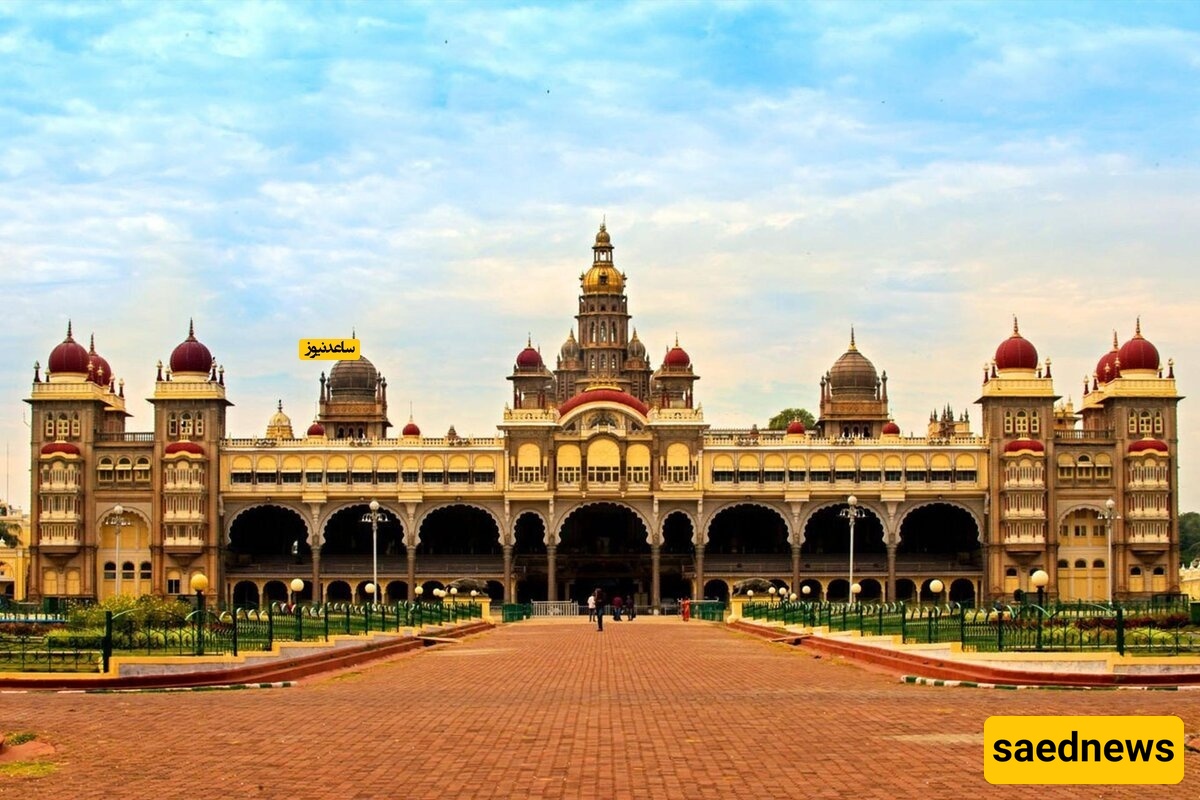
According to Saednews, Mysore Palace, also known as the Amba Vilas Palace, is a magnificent royal residence located in the city of Mysore in the southern Indian state of Karnataka. It was once the official residence of the Wadiyar royal family of Mysore. Construction of the present palace began in 1897 and was completed in 1912. Today, it is one of the most visited historical landmarks in India after the Taj Mahal, attracting millions of visitors every year.
Visitors are required to remove their footwear before entering the palace, and photography is restricted in certain interior areas. The entry fee varies for domestic and international tourists.
Mysore is often called the “City of Palaces” because it is home to seven royal palaces. Among them, Mysore Palace is considered the most impressive and grand. Also known as Amba Palace, it served as the residence of the king and his family and remains the official royal residence of the Wadiyar dynasty.
The current Mysore Palace was built in 1912 for the 24th ruler of the Wadiyar Dynasty and is regarded as one of the largest and most beautiful palaces in India.
The history of Mysore Palace is rich with royal traditions and dramatic events. The site served as the home of the Wadiyar dynasty for nearly 600 years, from 1350 to 1950. During this period, the palace underwent several transformations and reconstructions.
In 1897, Maharaja Krishnaraja Wadiyar IV decided to build a new palace after the old wooden structure was destroyed in a devastating fire. British architect Lord Henry Irwin was appointed to design and construct the new royal residence. The palace was completed in 1912 at a cost of approximately 41 million rupees.
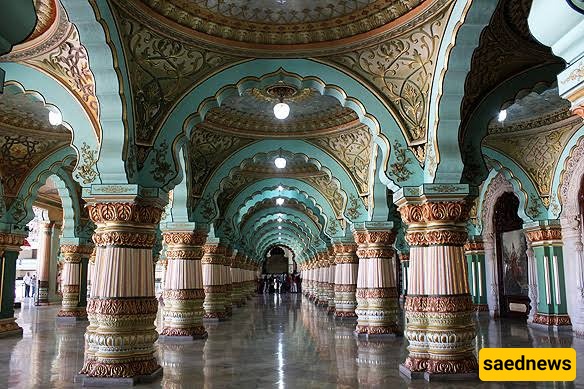
Major renovations were carried out in 1940, including improvements to the grand public hall. Although descendants of the royal family still occupy a private section of the palace, most of the building is now managed by the government and functions as a historical monument and museum.
Mysore Palace has become one of India’s most famous tourist attractions, welcoming millions of visitors every year.
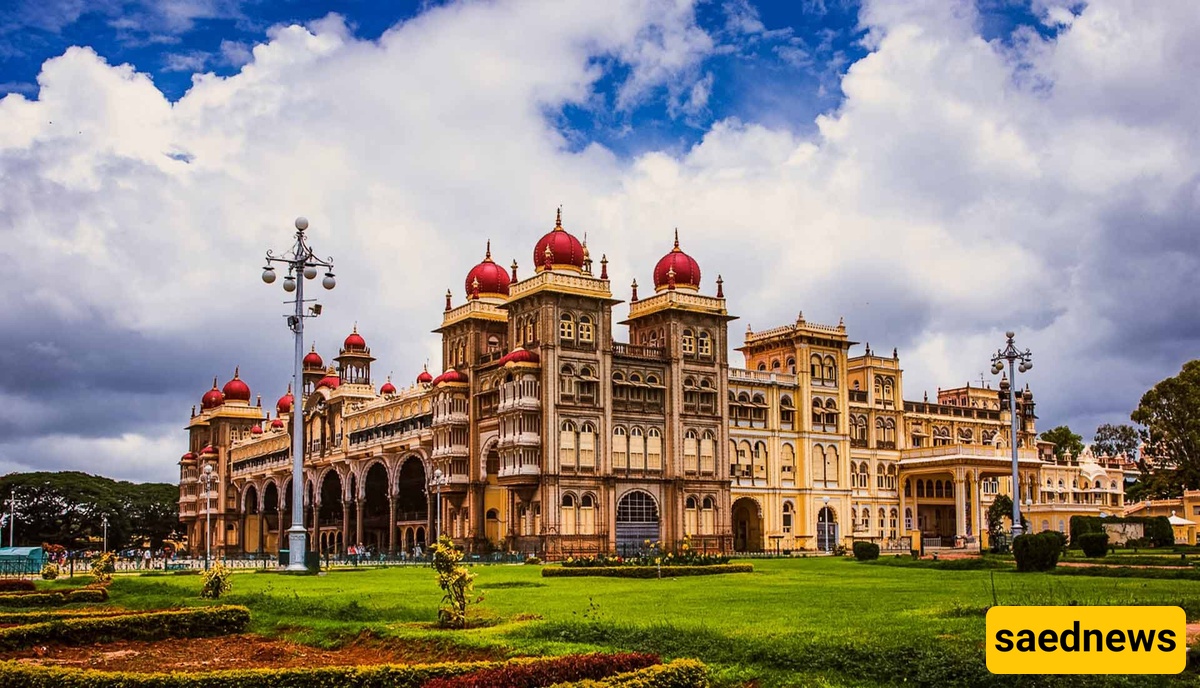
Mysore Palace is famous for its stunning Indo-Saracenic architectural style, which combines elements of Indian, Islamic, Rajput, and Gothic architecture. This unique style was developed by British architects during the 19th century, blending traditional Indian and Islamic features with European Neo-Classical and Gothic influences.
The palace is a three-story structure built mainly from granite, featuring elegant marble domes and a five-story tower rising about 44 meters high. A large, beautifully maintained garden surrounds the palace, adding to its royal charm.
The main entrance leads visitors through Gombe Thotti, also known as the Doll Pavilion. This area displays hundreds of traditional dolls dressed in regional Indian costumes, along with wooden elephants that represent the cultural heritage and history of India.
The royal motto, meaning “Never be afraid,” is written in Sanskrit above the palace entrance.
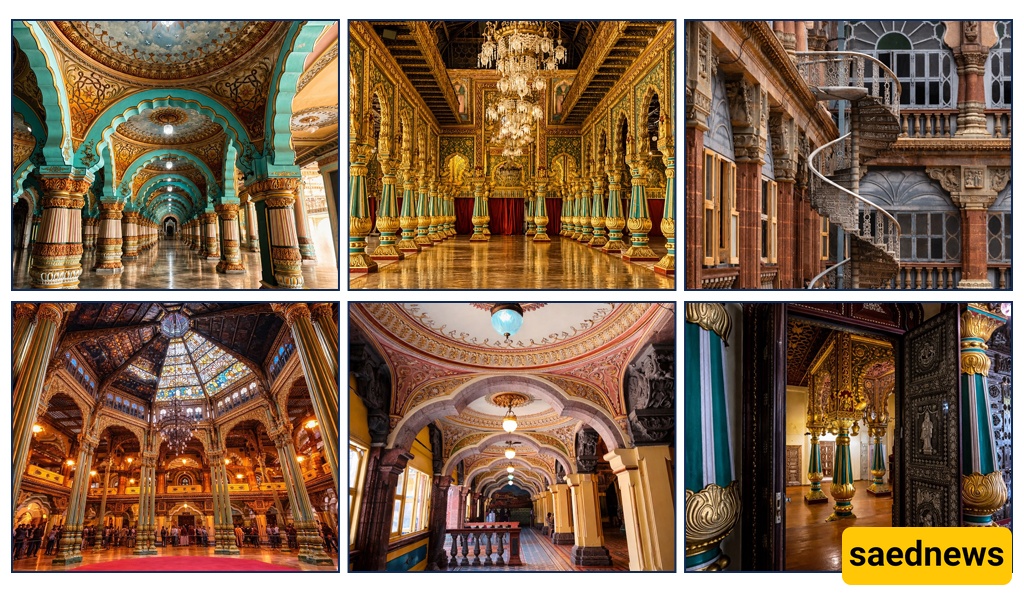
Ambavilasa is one of the most luxurious and richly decorated rooms in the palace. Its entrance doors are made from rosewood, and the hall was once used by the king for meetings with ministers and royal advisors. The detailed artwork, gold decorations, and elegant designs reflect the wealth and sophistication of the royal family.
The Diwan-I-Am was a large ceremonial hall used for public meetings, royal announcements, and important gatherings. A magnificent royal throne, decorated with gold, is displayed here during the famous Dasara festival. The throne is considered a masterpiece created by skilled Indian craftsmen.
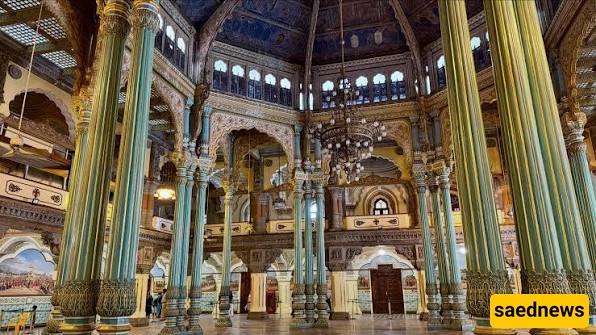
The Kalyana Mantapa is one of the most spectacular parts of Mysore Palace. Built in an octagonal shape, it features a glass ceiling, colorful designs, and polished floors. The hall was traditionally used for royal weddings and celebrations.
Upon entering Mysore Palace, visitors encounter four grand gateways leading toward a beautiful garden area. The palace’s main structure consists of three floors, built with granite and topped with pink marble domes.
The southern gate serves as the main entrance for tourists. Visitors must purchase tickets and remove their shoes before entering the palace.
Some of the most remarkable attractions inside the palace include:
The Durbar Hall
Ambavilasa Hall
The 84-kilogram golden elephant throne
The Portrait Gallery
Kalyana Mantapa
Many rooms inside the palace are decorated with such elaborate artwork and royal details that visitors are often amazed by their beauty. Around the palace complex, there are also several historic temples dating from the 14th to the 20th centuries.
The Durbar Hall was used as a place for royal gatherings, public celebrations, and meetings with citizens. The interior features a combination of pink, yellow, and turquoise colors, along with beautifully painted symmetrical pillars that enhance its royal appearance.
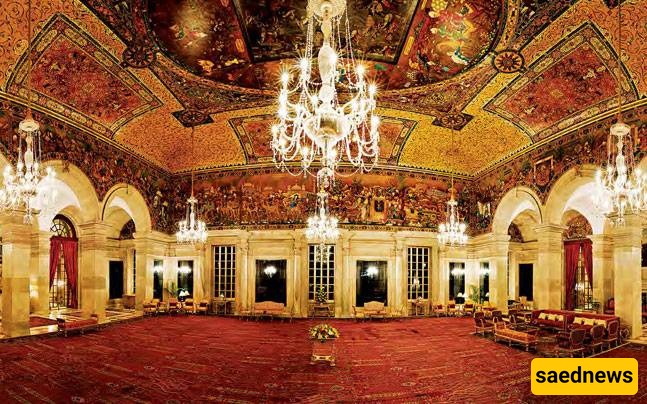
Similar to the Durbar Hall, the Ambavilasa section is decorated with exceptional craftsmanship. However, it contains even more gold detailing on its pillars, ceilings, and walls, making it one of the most luxurious areas of the palace.
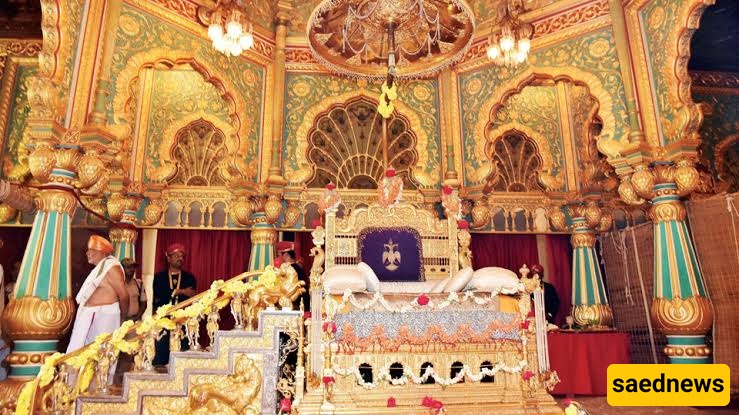
The Kalyana Mantapa was traditionally used for royal wedding ceremonies. Its octagonal design, golden-colored pillars, and dome-shaped glass ceiling make it one of the palace’s most visually impressive spaces.
Mysore Palace remains one of India’s most important historical monuments. With its fascinating royal history, extraordinary architecture, and cultural significance, the palace offers visitors a unique opportunity to experience the grandeur of India’s royal past.
Today, Mysore Palace stands as a symbol of Karnataka’s heritage and continues to be one of the country’s most iconic tourist destinations after the Taj Mahal.