SAEDNEWS: Chambord Castle in France | Chambord Castle – One of the World’s Most Beautiful Castles | Historic Castles in France
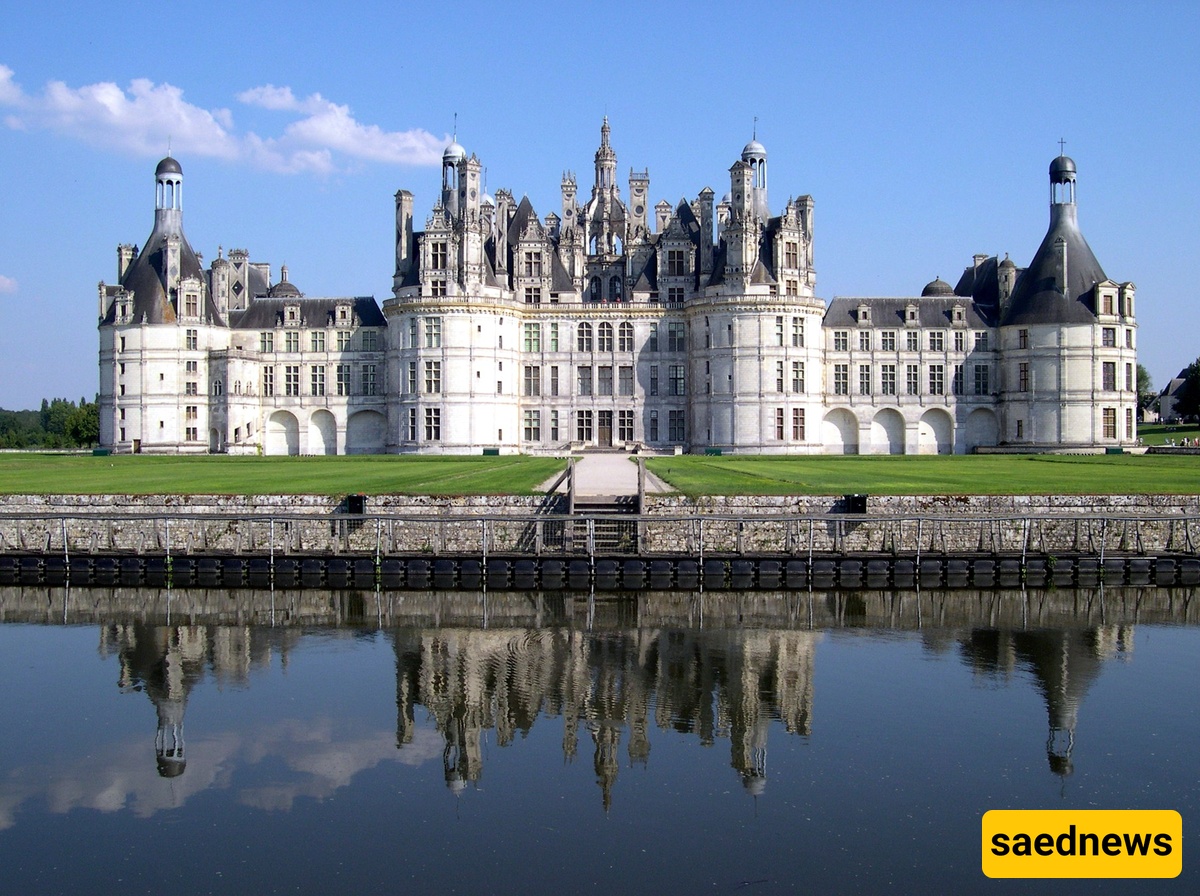
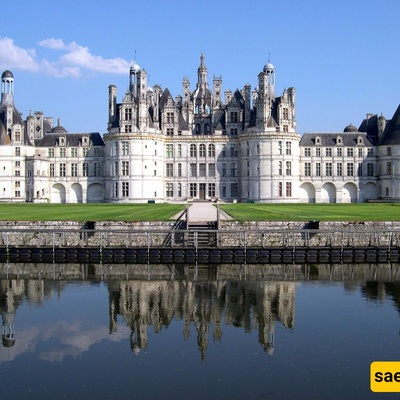
According to Saednews, Château de Chambord was built under King François I. Its construction took more than 30 years, and researchers believe that Leonardo da Vinci may have contributed to some of its architectural and decorative features.
There are two main reasons for this belief. First, the castle was built after François I returned from a trip to Italy accompanied by several Italian artists, including Leonardo da Vinci. Second, a sketch of the castle’s famous double-helix staircase, considered one of its greatest architectural features, was found among Leonardo da Vinci’s surviving works. Furthermore, Leonardo da Vinci died at a nearby château and was buried there.
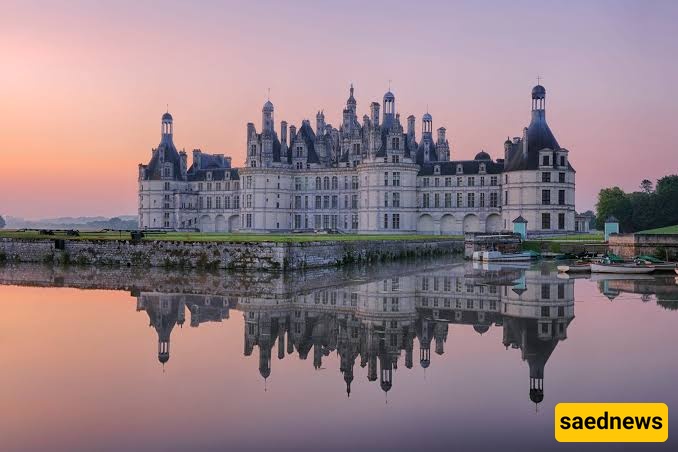
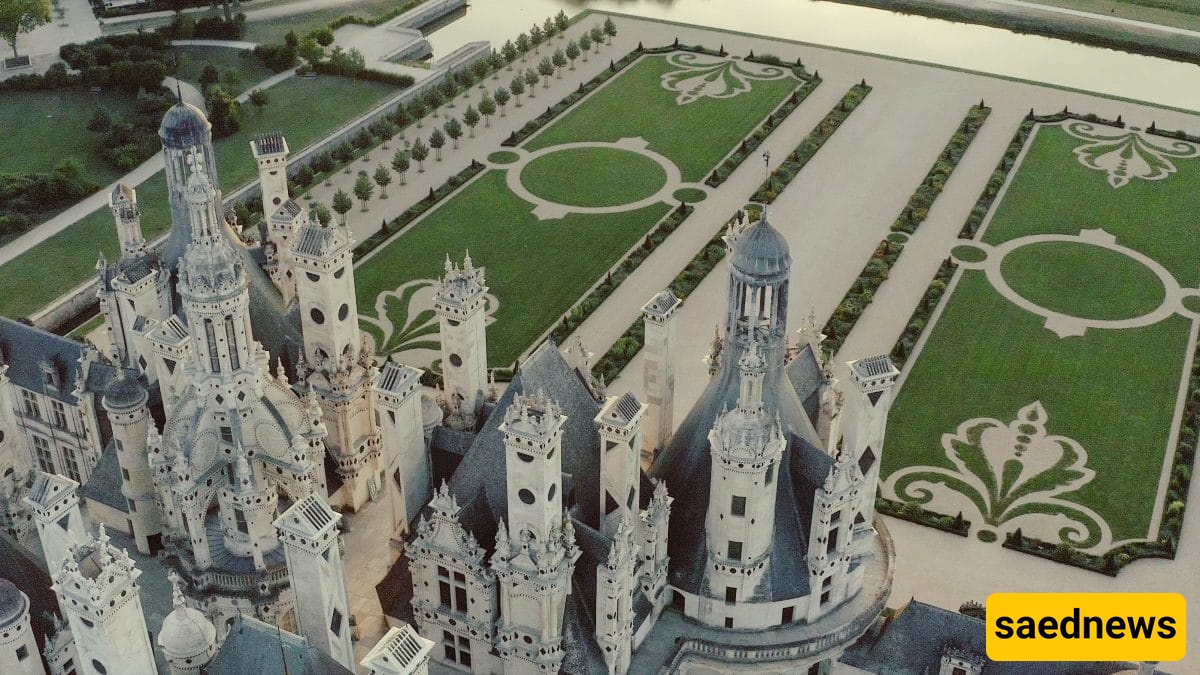
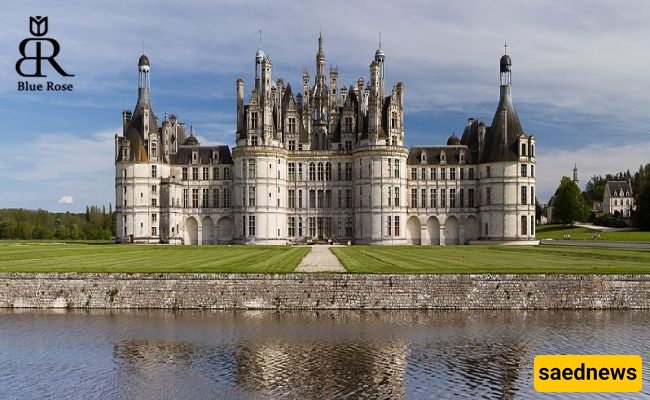
Four towers surround the castle, while another four towers decorate the central section of the building. On the ground floor, there is a museum known as the Carriage Museum, which houses five carriages used during the reign of Henry IV to welcome his guests.
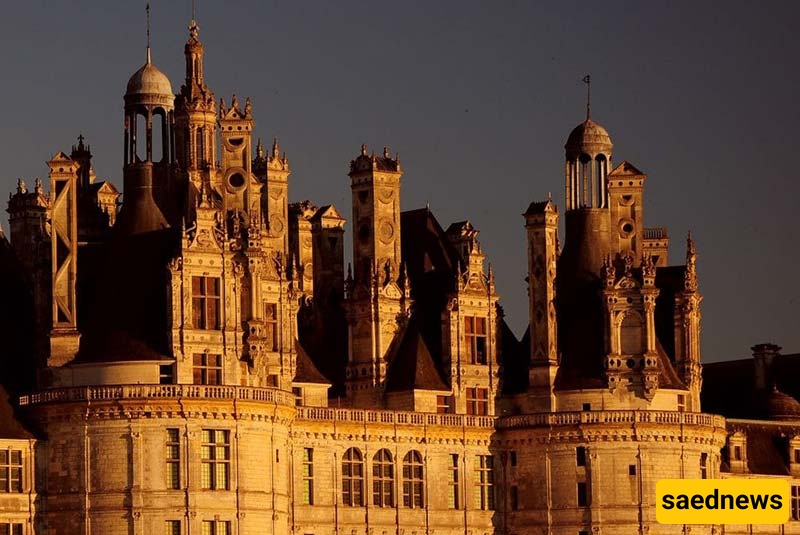
One of the castle’s most remarkable architectural features is its double-helix staircase, believed to have been designed by Leonardo da Vinci. It is constructed so that two people can climb to the rooftop using separate spiral staircases without seeing each other along the way. They might not even see each other when they reach the rooftop, as each staircase has its own exit.
The design of this staircase resembles the spiral staircases found in one of the minarets of the Jameh Mosque of Yazd in Iran.
Château de Chambord is also known as the Palace of a Hundred Chimneys. In reality, the castle contains 282 fireplaces and 426 rooms.
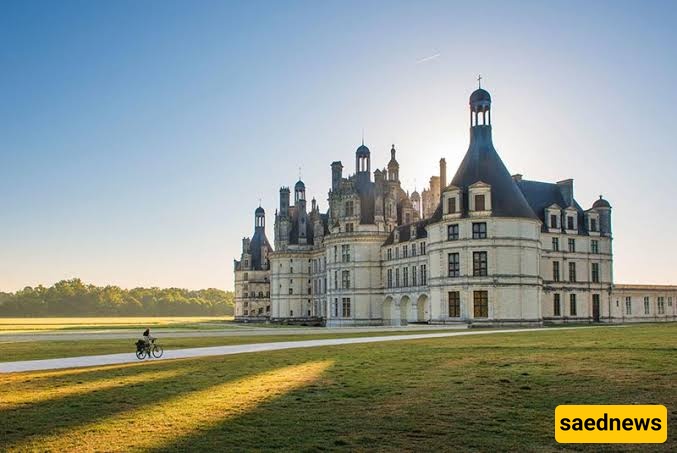
In front of the castle lies an enclosed park that is considered the largest enclosed forest or garden in France. The park is surrounded by a 32-kilometer-long wall and covers an area approximately equal to that of Paris proper, excluding its suburbs.
Originally, the estate served primarily as a royal hunting lodge, where kings would come to hunt in the forest. Hunting still takes place there today, and the forest is home to approximately 600 deer and 800 wild boars.