SAEDNEWS : Be sure to visit Istana Negara Palace during your trip to Kuala Lumpur. This magnificent palace is not only a symbol of Malaysia’s monarchy but also a treasure that preserves the beauty, heritage, and diverse cultures within its walls.
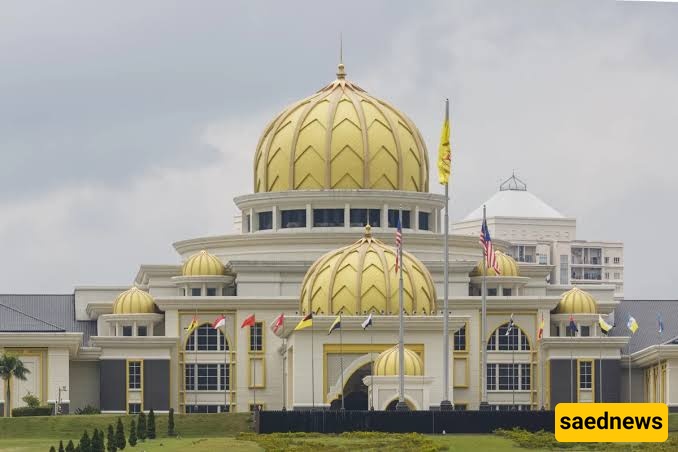
According to Saednews, In the heart of bustling Kuala Lumpur, the Istana Negara Royal Palace stands like a shining jewel surrounded by beautiful natural landscapes and remarkable Islamic-inspired architecture. As one of Malaysia’s most important landmarks, the palace represents the country’s royal history, cultural identity, and national pride. Surrounded by golden domes and lush gardens, the palace is not only the official residence of the King of Malaysia but also a place that reflects the traditions, values, and historical journey of the nation.
Although visitors cannot usually enter the palace’s private areas, viewing its impressive gates, exterior design, and royal ceremonies offers a memorable experience where history, architecture, and culture come together.
The Istana Negara Royal Palace serves as the official residence of the Yang di-Pertuan Agong, the King of Malaysia. It is located in the prestigious Bukit Damansara area of Kuala Lumpur.
The palace occupies a large area surrounded by landscaped gardens and security zones, creating a peaceful royal environment away from the busy city atmosphere.
Visitors can reach the palace using several transportation options, including public transport, taxis, and online ride-hailing services.
The nearest MRT station to Istana Negara is Semantan Station on the MRT Kajang Line. From the station, visitors can continue their journey by taxi or online transportation services to reach the palace entrance.
Several city bus routes operate near the Jalan Tuanku Abdul Halim area. Visitors can take a suitable bus route and walk a short distance to the palace area.
Using taxis or ride-hailing applications such as Grab is one of the easiest and most convenient ways to reach Istana Negara, especially for travelers coming from central Kuala Lumpur or other tourist attractions.
Visitors are allowed to observe the impressive exterior areas of the palace, including its grand entrance gates and surrounding landscape. One of the most popular attractions is the Royal Guard Changing Ceremony, which takes place at the main entrance and offers visitors a glimpse of Malaysia’s royal traditions.
Access to the interior sections of the palace is generally restricted because it remains the official residence of the Malaysian King. However, photography of the exterior architecture, royal gates, and surrounding gardens provides a memorable experience for travelers.
Istana Negara, meaning “National Palace,” is an important symbol of Malaysia’s monarchy and national identity. Its history dates back to the period before Malaysia gained independence.
Originally, the building was a colonial-style mansion constructed in 1928 for a wealthy Chinese businessman. After World War II, the British administration acquired the property and transformed it into a residence for Malaysian rulers.
Following Malaysia’s independence in 1957, the building was officially chosen as the royal palace and renamed Istana Negara. It served as the official residence of the Malaysian monarch until the construction of the new Istana Negara complex in 2011.
The palace represents a combination of traditional Malay culture, Islamic architectural influences, and modern royal design. Its large grounds and carefully planned structure reflect the importance and dignity of Malaysia’s monarchy.
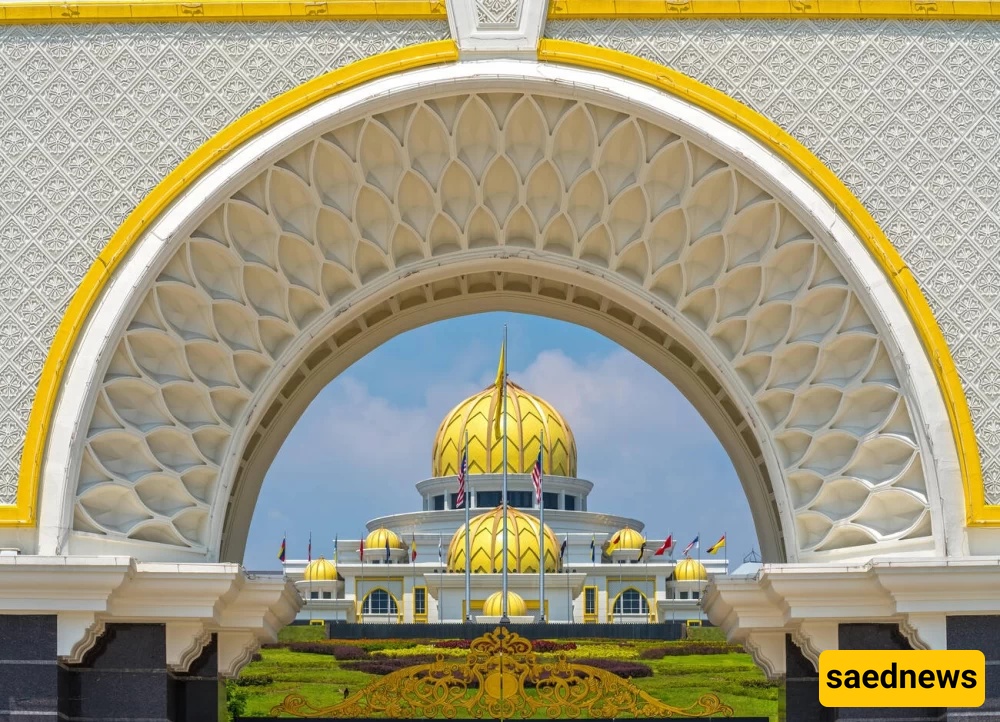
The architectural style of Istana Negara is strongly influenced by Islamic design and Malay heritage. The palace features elegant golden domes, impressive arches, geometric patterns, and decorative elements inspired by nature.
The design combines traditional symbols with modern architectural concepts, creating a structure that represents both historical continuity and contemporary Malaysia.
The grand ceremonial hall is designed for official events, national celebrations, and royal functions. It features luxurious carpets, crystal chandeliers, and elegant golden decorations. High ceilings and detailed wall designs create a sense of grandeur and importance.
The palace includes several official rooms used for diplomatic meetings, royal audiences, and important national ceremonies. These spaces are decorated with fine wooden furniture, traditional artistic details, and symmetrical Islamic-inspired designs.
The private residential sections of the palace are reserved for the King and the royal family. These areas are designed to provide comfort and privacy while maintaining the elegance and dignity associated with royal living.
The outdoor gardens surrounding Istana Negara are decorated with Malaysian plants, beautiful landscapes, and water features. These gardens highlight the strong connection between Malaysian culture and the natural environment.
The palace entrances feature elegant arches and Islamic-inspired designs. These architectural elements create a majestic atmosphere and provide visitors with a sense of entering an important royal space.
Together, these architectural features make Istana Negara a symbol of Malaysia’s cultural unity, historical heritage, and national pride.
The area surrounding Istana Negara offers many interesting attractions that allow visitors to explore Kuala Lumpur’s history, culture, nature, and modern lifestyle.
One of the city’s most recognizable landmarks, Kuala Lumpur Tower rises 421 meters above the city. It offers a 360-degree observation deck with spectacular views of Kuala Lumpur. Visitors can also enjoy a revolving restaurant, the Sky Box experience, and a small landscaped garden.
A peaceful natural attraction featuring more than 120 butterfly species, small forest pathways, lakes, and diverse tropical plants. It is an ideal destination for nature lovers and families.
One of Kuala Lumpur’s oldest mosques, Jamek Mosque features Moorish-inspired architecture and is located at the meeting point of the Klang and Gombak Rivers. It is a significant site for visitors interested in Islamic history and Malaysian culture.
A historic landmark where Malaysia’s independence was declared in 1957. The square is surrounded by important colonial-era buildings, including the Sultan Abdul Samad Building and St. Mary’s Cathedral.
A peaceful green area near the palace featuring flower gardens, walking paths, and relaxing natural spaces. It is a popular location for visitors looking for a break from the city environment.
Located at the base of the Petronas Twin Towers, Suria KLCC is a luxury shopping destination with international brands, restaurants, cinemas, and Malaysian handicraft shops. Nearby KLCC Park adds beautiful green spaces and water features to the area.
A lively district famous for its small shops, street food, traditional markets, and vibrant atmosphere. Chinatown offers visitors a unique opportunity to experience the Chinese cultural influence in Kuala Lumpur.
A visit to Istana Negara can be combined with nearby cultural and modern attractions to create a complete Kuala Lumpur experience. Exploring the royal palace area together with historic landmarks, green parks, shopping centers, and cultural districts provides travelers with a balanced journey through Malaysia’s past and present.
Istana Negara remains one of Kuala Lumpur’s most meaningful landmarks, representing the country’s royal traditions, architectural beauty, and cultural heritage.