SAEDNEWS: In this section, we aim to introduce you to this remarkable masterpiece of Roman architecture in Istanbul. We will explore its fascinating history, captivating stories, and interesting details. Join us as we discover more about this impressive historical landmark.
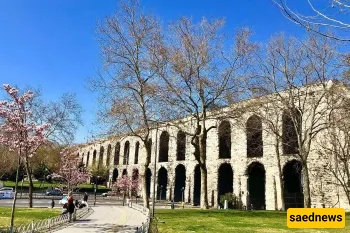
According to Saednews, Istanbul, a city of countless colors and cultures, is one of the world’s most beloved travel destinations. With its ancient history and breathtaking architecture, the city is home to countless remarkable landmarks. From magnificent structures such as Hagia Sophia and the Blue Mosque to Topkapı Palace and the Grand Bazaar, every corner of Istanbul has a story to tell.
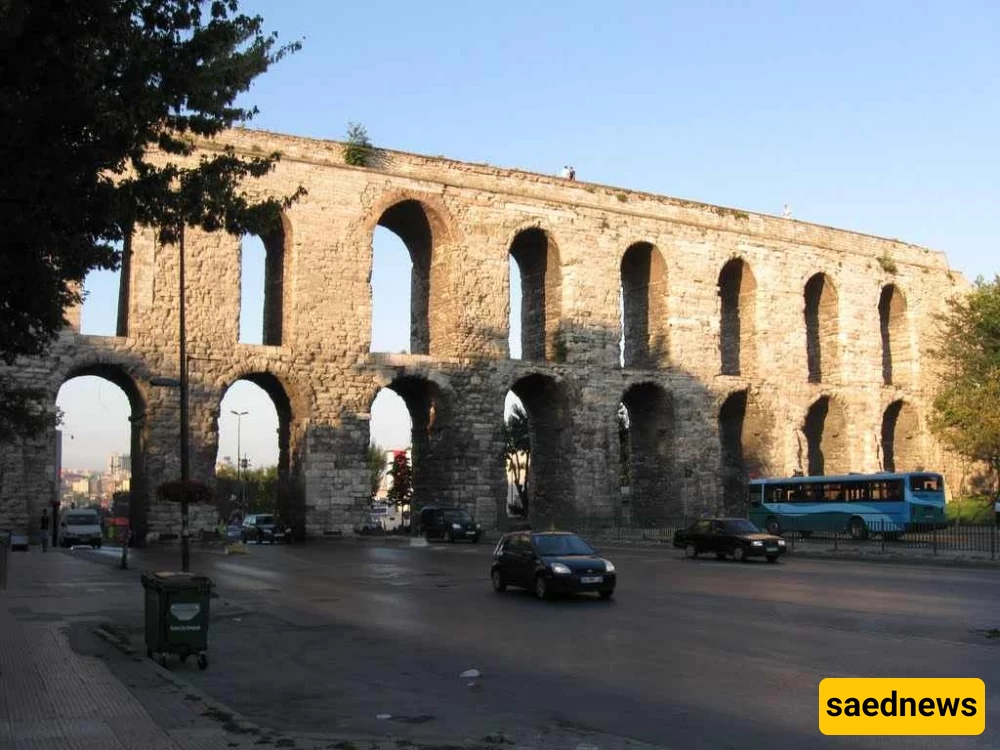
Among the city’s historic treasures, one landmark that often receives less attention is the Valens Aqueduct. This extraordinary structure is a surviving masterpiece from the Roman era, located in Istanbul’s Fatih district. Known in Turkish as Bozdoğan Kemeri, the Valens Aqueduct represents the advanced engineering skills of ancient civilizations.
The Valens Aqueduct, also known as the Aqueduct of Valens, is one of Istanbul’s most impressive historical and architectural achievements. Dating back more than 1,500 years, this ancient water system played a vital role in supplying water to the city from the Roman period through the Byzantine and Ottoman eras.
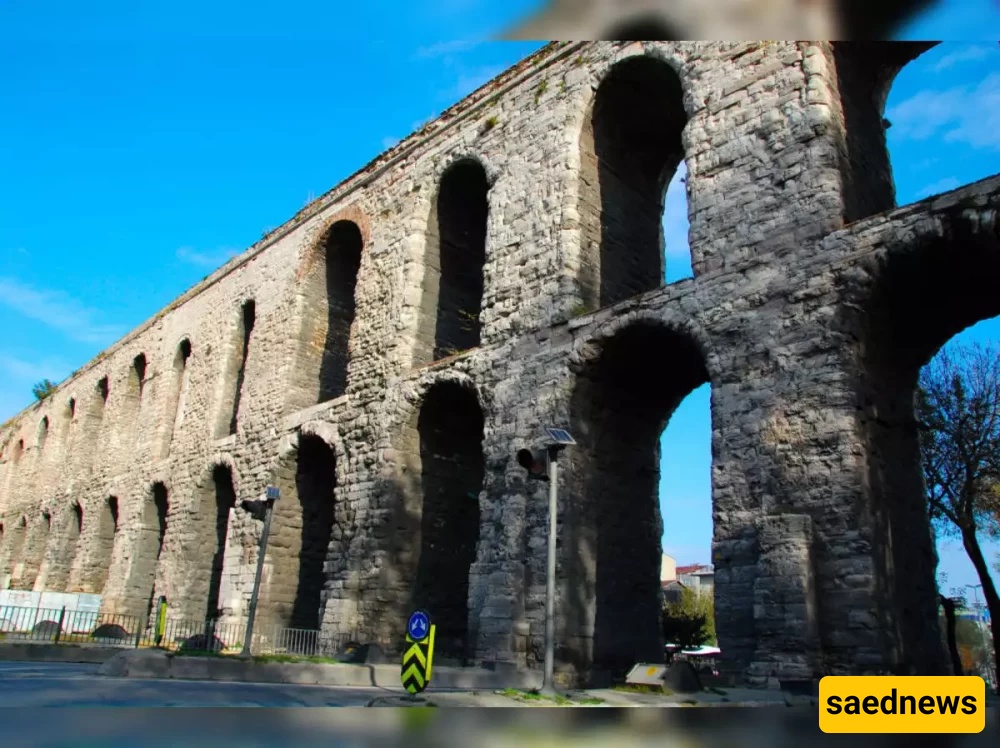
Construction of the aqueduct began in the mid-4th century AD during the Roman Empire, under the orders of Emperor Constantius II. It was completed in 373 AD during the reign of Emperor Flavius Julius Valens, whose name the aqueduct carries today.
The main purpose of the Valens Aqueduct was to provide a reliable water supply for Constantinople, the capital of the Eastern Roman Empire and one of the most important cities of the ancient world. As the city’s population continued to grow, an advanced water distribution system became essential.
The aqueduct was part of a much larger water network that transported water from natural springs and distant sources into the city. The Valens Aqueduct served as a major section of this system, carrying water toward storage reservoirs and different areas of Constantinople.
The Valens Aqueduct is a remarkable example of Roman engineering. With its impressive arches, strong construction, and carefully designed structure, it demonstrates the technical knowledge of ancient Roman builders.
The aqueduct originally extended across a large area, with the remaining section measuring approximately 921 meters in length. Built using large stone blocks and brick materials, the structure was designed to allow water to flow continuously and efficiently into the city.
The aqueduct features two levels of arches. The lower section was mainly constructed with stone, while the upper section was built with brick. This architectural design provided additional strength and stability while creating the iconic appearance that visitors admire today.
During the Byzantine period and later under the Ottoman Empire, the aqueduct underwent several repairs and restorations to maintain its function. Although modern water systems eventually replaced its original purpose, the Valens Aqueduct remains one of Istanbul’s most valuable historical monuments.
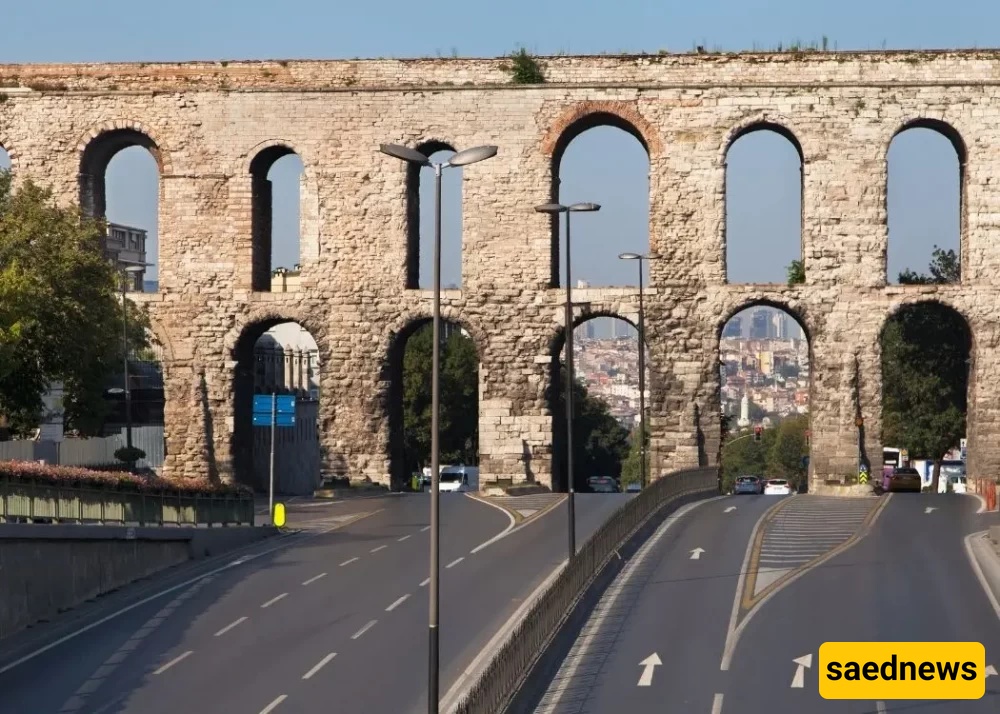
Today, the Valens Aqueduct is one of Istanbul’s fascinating historical attractions. Standing among the modern streets of the city, it creates a unique connection between ancient history and contemporary urban life.
The Atatürk Boulevard passes beneath its massive arches, creating a striking contrast between Roman architecture and modern Istanbul. Beneath and around the aqueduct, visitors can find local cafés and restaurants where they can relax and experience traditional Turkish food and drinks.
A visit to the Valens Aqueduct offers travelers the opportunity to explore ancient engineering, capture memorable photographs, and experience a peaceful atmosphere surrounded by centuries of history.
More than just an old structure, the aqueduct represents human creativity, innovation, and the ability to develop practical solutions for urban life more than a millennium ago.
How to Reach the Valens Aqueduct
The Valens Aqueduct is located in the Fatih district of Istanbul and can be easily reached by public transportation or private vehicle.
Address:
Kemalpaşa Mahallesi, Atatürk Bulvarı, Fatih, İstanbul, Turkey
Visitors can use online maps or navigation systems to locate the monument easily.
The metro is one of the fastest and most convenient ways to reach the Valens Aqueduct:
Take the M2 Metro Line (Yenikapı–Hacıosman).
Get off at Vezneciler Station.
Walk approximately 5–10 minutes to reach the aqueduct.
During the walk, visitors can enjoy the historic streets of the Fatih district.
The Büyükşehir Belediyesi bus stop is one of the closest stops to the aqueduct.
Several bus routes stop nearby, including:
33, 35, 73, 77, 78, 80, 82, and 92
After leaving the bus, visitors can reach the aqueduct with a short walk.
For travelers coming from Istanbul’s Asian side:
Take the Marmaray train to Yenikapı Station.
Transfer to the M2 Metro Line.
Continue to Vezneciler Station.
Walk a short distance to the aqueduct.
Travelers driving or taking a taxi can set Fatih district as their destination.
The easiest route is usually through Atatürk Boulevard or roads leading toward historic Fatih. Public parking areas near the aqueduct and Saraçhane Park are available, allowing visitors to park and continue on foot.
Visiting Hours and Entrance Fee
The Valens Aqueduct is free to visit and does not require an entrance ticket.
Since it is an open historical monument located in the city, visitors can view it at any time of the day.
For a quieter experience and better photography opportunities, visiting during less crowded periods is recommended.
Interesting Facts About the Valens Aqueduct
When it was built, the Valens Aqueduct was considered one of the most impressive water supply systems in the ancient world.
The remaining structure is approximately 921 meters long and reaches nearly 30 meters in height.
The aqueduct was part of a much larger water network stretching hundreds of kilometers, making it one of the most advanced ancient water systems.
Its famous Roman arches reflect the engineering techniques used by Roman architects more than 1,500 years ago.
The aqueduct supplied water to Constantinople for more than 1,400 years and was repeatedly repaired by Byzantine and Ottoman rulers.
During periods of severe drought, maintaining the aqueduct became a major priority because it was essential for the survival of the city’s population.
The Valens Aqueduct stands in the heart of Fatih, one of Istanbul’s oldest and most historic districts.
Nearby historic attractions, including ancient reservoirs and Ottoman-era landmarks, make the area an excellent destination for history lovers.
Local cafés and restaurants beneath and around the arches allow visitors to enjoy Turkish cuisine while surrounded by a unique historical atmosphere.
The Valens Aqueduct is more than a Roman water channel; it is a symbol of human imagination, engineering achievement, and the continuous relationship between history and modern city life.
After surviving earthquakes, changing empires, and centuries of transformation, this remarkable monument continues to stand proudly in Istanbul, offering visitors a glimpse into the brilliance of ancient engineering and the rich heritage of one of the world’s greatest historic cities.